How to Create an Efficient Indoor Plant Irrigation Schedule
Understanding the Importance of a Structured Watering Routine
Indoor plants not only beautify our spaces but also contribute to a healthier living environment. However, nurturing them requires more than just placing them in the right spot; a meticulous irrigation schedule is crucial for their survival. Inappropriate watering practices, such as overwatering or underwatering, can result in severe consequences—root rot and dehydration being the most common issues that can cause plants to die. Establishing a routine that provides consistent moisture helps achieve optimal growth, ultimately resulting in a thriving indoor garden.
To craft an effective watering plan, there are several key factors to take into account:
- Plant Types: Understanding the specific water requirements of your plants is essential. For instance, succulents like Echeveria and cacti require very little water because they have adapted to arid conditions. In contrast, tropical plants such as Peace Lilies flourish in consistently moist soil. Recognizing these differences will help you tailor your watering timetable effectively.
- Room Conditions: The conditions of the environment where your plants reside play a significant role in how quickly soil dries out. For example, a room heated by a radiator might result in soil drying more rapidly compared to an area with controlled humidity, such as a bathroom. Regularly monitoring temperature and humidity can help you determine how frequently to water your plants.
- Season Changes: The growth cycle of plants is often influenced by seasonal changes. During spring and summer, many plants enter a growth phase, leading to increased water consumption. Conversely, as seasons change to fall and winter, plants may enter dormancy, requiring less frequent watering. Adapting to these seasonal variations ensures plants receive the right amount of water throughout the year.
With all these aspects to consider, the watering process may seem daunting. However, using a systematic approach can simplify what might otherwise become a complex chore. One effective method is to keep a watering journal. In this journal, record the date of each watering, the amount of water used, and any notable changes in your plants’ health. This practice not only provides a historical reference but also helps you notice patterns, enabling you to refine your schedule further.
The key takeaway is that a well-crafted irrigation schedule is foundational to the success of your indoor garden. By taking the time to understand your plants’ specific needs and the intricacies of their environment, you’ll be well-equipped to create a personalized watering routine. This effort will ultimately pay off, with flourishing greenery gracing your home all year long, regardless of external weather conditions. For additional insights into effective plant care, consider researching specific care guides for each species in your collection to optimize your watering techniques further.
DISCOVER MORE: Click here to enhance your kitchen garden
Creating Your Personalized Irrigation Strategy
Establishing an efficient indoor plant irrigation schedule requires a combination of knowledge, observation, and a little trial and error. While the basics of watering may seem straightforward, the nuances of individual plant care can be mesmerizingly complex. To effectively manage the hydration of your indoor garden, consider implementing the following strategic steps:
- Assess Soil Moisture: Before initiating any watering plan, it is crucial to gauge the moisture level of your plants’ soil. A simple test involves inserting your finger about an inch deep into the potting soil. If it feels dry to the touch, it’s time to water. Alternatively, moisture meters available at gardening stores can provide a precise reading. Learning to read these signs will allow you to determine the best times to water and will prevent the common pitfalls of over and under-watering.
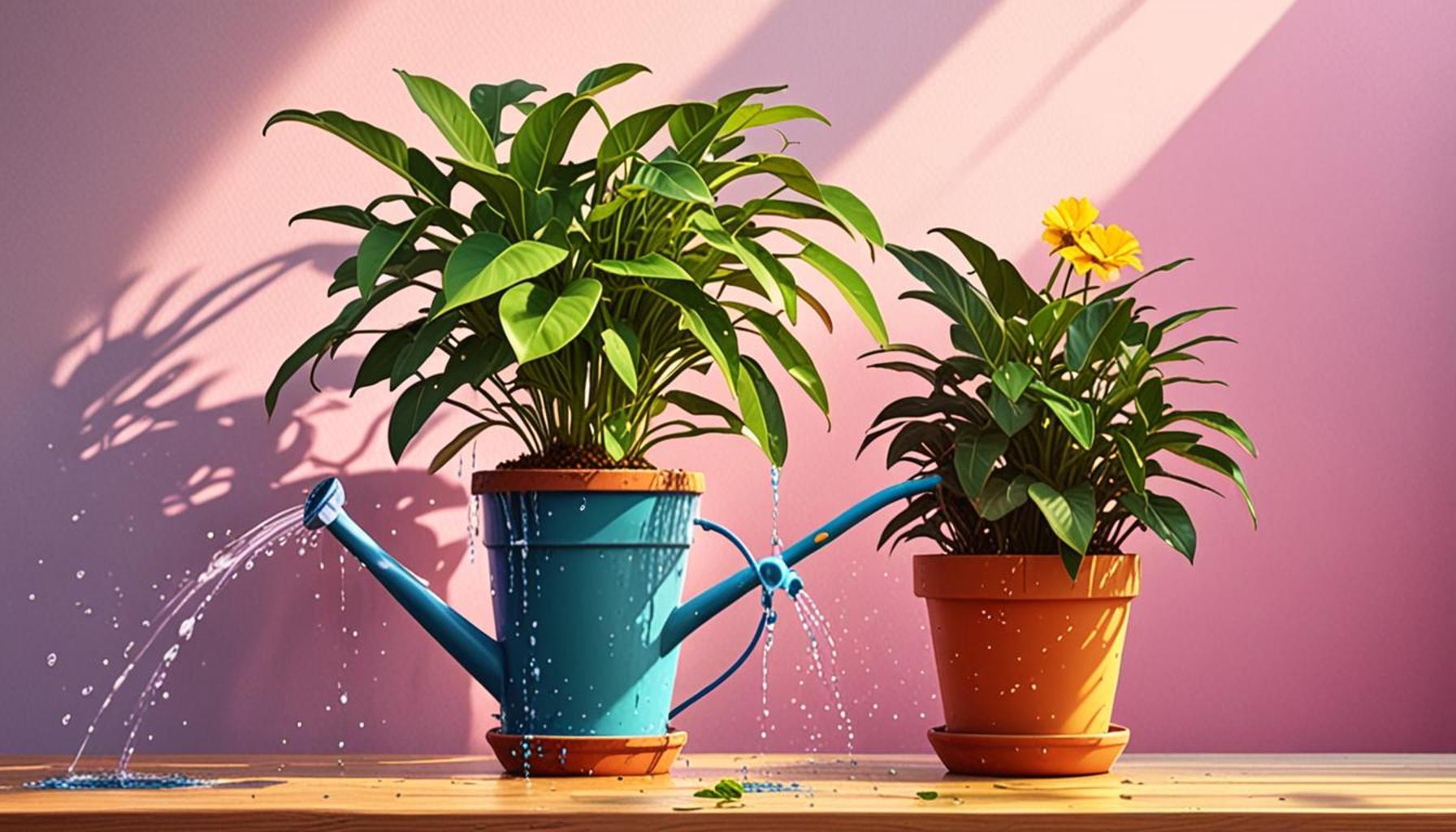
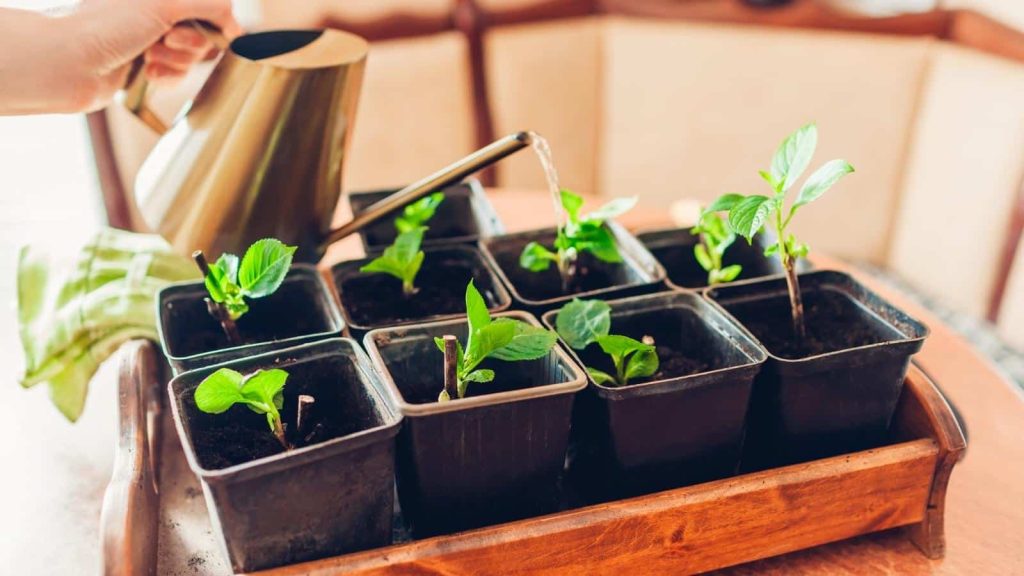
- Watering Techniques: Not all watering methods are created equal. The technique you choose can significantly affect how well your plants absorb water. For instance, using a watering can with a long spout allows you to better control the water flow and minimize spillage. Additionally, consider the practice of deep watering, which involves saturating the soil until water appears at the drainage holes. This ensures that moisture penetrates deeper into the root system, encouraging healthier growth.
- Frequency of Watering: As previously mentioned, understanding the frequency with which to water your plants is vital to their health. Factors like plant species, room conditions, and seasonal shifts all play into how often you’ll need to administer water. As a general guide, vibrant, growing plants during active growth stages may require watering once a week, while dormant plants in winter could be fine with watering every two to three weeks. Adjusting this frequency based on ongoing observations will enhance the success of your watering schedule.
- Water Quality: It’s often overlooked, but the quality of water you use can affect the wellbeing of your plants. Tap water may contain chlorine and fluoride, which can be harmful to some species. Whenever possible, use distilled or rainwater for your plants. Additionally, allowing tap water to sit for 24 hours before use can help dissipate some chemicals and allow for a more balanced pH, promoting a healthier environment.
Incorporating these essential strategies into your routine will undoubtedly streamline the irrigation process, making it less of a chore and more of an enjoyable gardening practice. As you embark on this journey, remember that each plant is unique, and your watering schedule might evolve as you gain a deeper understanding of their individual preferences. Delving into plant care literature or connecting with local gardening groups can provide further insights and enhance your ability to customize your irrigation schedule.
Understanding Your Indoor Plant’s Water Needs
Creating an efficient indoor plant irrigation schedule starts with understanding the specific water requirements of your plants. Different species have varying needs based on factors such as growth stage, pot size, and environmental conditions. For instance, succulent plants require less frequent watering compared to tropical plants, which thrive in humid environments. Researching the ideal moisture levels for each individual plant type is crucial for their health and growth.
Soil Type and Moisture Retention
The soil type you choose directly impacts your indoor plant’s irrigation needs. Well-draining soils like cactus mixes will dry out faster and require more frequent watering, while moisture-retaining potting soils retain water longer, reducing the irrigation frequency. Conducting a simple moisture test—sticking your finger about an inch into the soil—can help determine when it’s time to water. This test gives you valuable insight into whether your plants are thirsty or sufficiently hydrated.
Environmental Factors
The environment where your plants are kept significantly influences their watering needs. Factors such as temperature, humidity levels, and light exposure can cause fluctuations in moisture requirements. For example, plants placed near heating vents or in direct sunlight might need more water than those kept in a cooler or shadier spot. To maintain a consistent watering schedule, monitor the temperature and humidity in your indoor space, and adjust your schedule accordingly.
Create a Scheduling System
Once you’ve assessed your plants’ requirements, the next step is to create a scheduling system that works for you. One effective approach is to set specific days for checking and watering your plants based on their type and soil moisture. Using a calendar or reminder app can help ensure you stay on track without over- or under-watering.Another useful tool is the establishment of an irrigation log—a simple record of when and how much water each plant receives. This data can guide future watering decisions and contribute to a more refined irrigation schedule as you notice patterns over time. By combining these elements, you can develop a customized watering strategy designed for thriving indoor plants.
| Irrigation Method | Benefits |
|---|---|
| Drip Irrigation | Efficient water usage, reducing waste and ensuring consistent moisture delivery to roots. |
| Self-Watering Pots | Less frequent watering, allowing for a more flexible schedule even during vacations or busy periods. |
By understanding your plants’ distinct needs, environmental factors, and effective scheduling methods, you will be well on your way to establishing an efficient indoor plant irrigation schedule that promotes healthy growth and minimizes unnecessary stress for your plants.
DISCOVER MORE: Click here for the complete watering guide
Fine-Tuning Your Irrigation Schedule
As you embark on your indoor gardening journey, fine-tuning your irrigation schedule becomes essential in ensuring the longevity and vitality of your plants. While the initial steps lay the groundwork, ongoing adjustments based on environmental changes and plant responses can create a thriving indoor ecosystem. Here are some key practices to consider:
- Seasonal Adjustments: Outdoor conditions can significantly impact the indoor environment, particularly with changes in temperature and humidity levels throughout the seasons. During the warmer months, plants typically require more water due to increased evaporation and growth rates. Conversely, in the winter, as indoor heating systems dry out the air, many plants enter a state of dormancy, necessitating a reduction in watering frequency. Keep track of seasonal shifts and adjust your watering schedule accordingly to account for these variations.
- Plant Grouping: An often-overlooked strategy is grouping plants with similar watering needs together. For example, tropical plants that prefer higher moisture levels can thrive in a more humid microclimate when combined. On the other hand, succulents and cacti, which prefer dryer conditions, can be kept apart to avoid overwatering. By organizing your plants in this way, you can more efficiently manage their specific hydration requirements while simplifying your watering routine.
- Signs of Plant Distress: Regular observation of your plants can provide invaluable information about their hydration status. Look for visual cues such as wilting leaves, browning edges, or a drooping posture, which may indicate that your plants need more water. Conversely, yellowing leaves can be a sign of overwatering. Further understanding these signs can streamline your scheduling efforts and allow you to respond quickly to your plants’ needs.
- Automated Solutions: Embracing technology can significantly enhance your indoor plant care routine. Consider investing in automated irrigation systems or smart plant watering devices tailored to indoor gardening. These can include self-watering pots or drip irrigation systems equipped with moisture sensors. Not only do they provide a more consistent water supply, but they also allow for welcome flexibility if you travel or forget to water on schedule.
- Experiment with Fertigation: Fertigation, the process of delivering nutrients through irrigation, can be combined with your watering schedule for optimal plant growth. When combined with low concentrations, liquid fertilizers added to your watering routine can effectively hydrate and nourish your plants in one simple step. Just be cautious to adjust the frequency of both water and fertilizer to prevent any nutrient overload.
As you develop a deeper understanding of your plants’ needs and the factors influencing their growth, the efficiency of your indoor plant irrigation schedule will evolve. The art of indoor gardening is not only about nurturing plants but also about learning from them. Share your experiences with fellow plant enthusiasts or local gardening clubs to exchange insights, tips, and strategies to further enhance your approach. With patience and practice, you’ll create a harmonious indoor environment that thrives on your carefully curated irrigation strategy.
LEARN MORE: Click here to discover essential gardening techniques
Conclusion
Mastering the art of an efficient indoor plant irrigation schedule is a rewarding pursuit that ultimately benefits both your plants and your gardening experience. Through a harmonious blend of seasonal adjustments, thoughtful plant grouping, and keen observation of signs of distress, you can tailor a watering routine that promotes health and growth in your indoor greenery. The use of automated solutions offers an added layer of convenience, ensuring consistent care whether you are home or away. Moreover, integrating fertigation into your watering strategy can enhance nutrient absorption and plant vitality, demonstrating the multifaceted nature of effective indoor gardening.
As you navigate these practices, remember that flexibility and adaptability are paramount. Every indoor garden tells a unique story shaped by its environment and individual plant needs. Engaging with fellow gardening enthusiasts, joining workshops, or participating in local gardening clubs can provide you with fresh perspectives and innovative insights that elevate your indoor gardening skills.
Ultimately, the journey toward an efficient irrigation schedule is a continuous learning process, enriching your understanding of plant care and deepening your connection with nature. Embrace the opportunity to grow not just your plants, but also your knowledge and proficiency in indoor gardening. As you cultivate this art, you’ll discover the profound satisfaction that comes from fostering a lush, thriving indoor ecosystem that reflects your dedication and care.