How to Choose the Ideal Soil for Seasonal Planting at Home
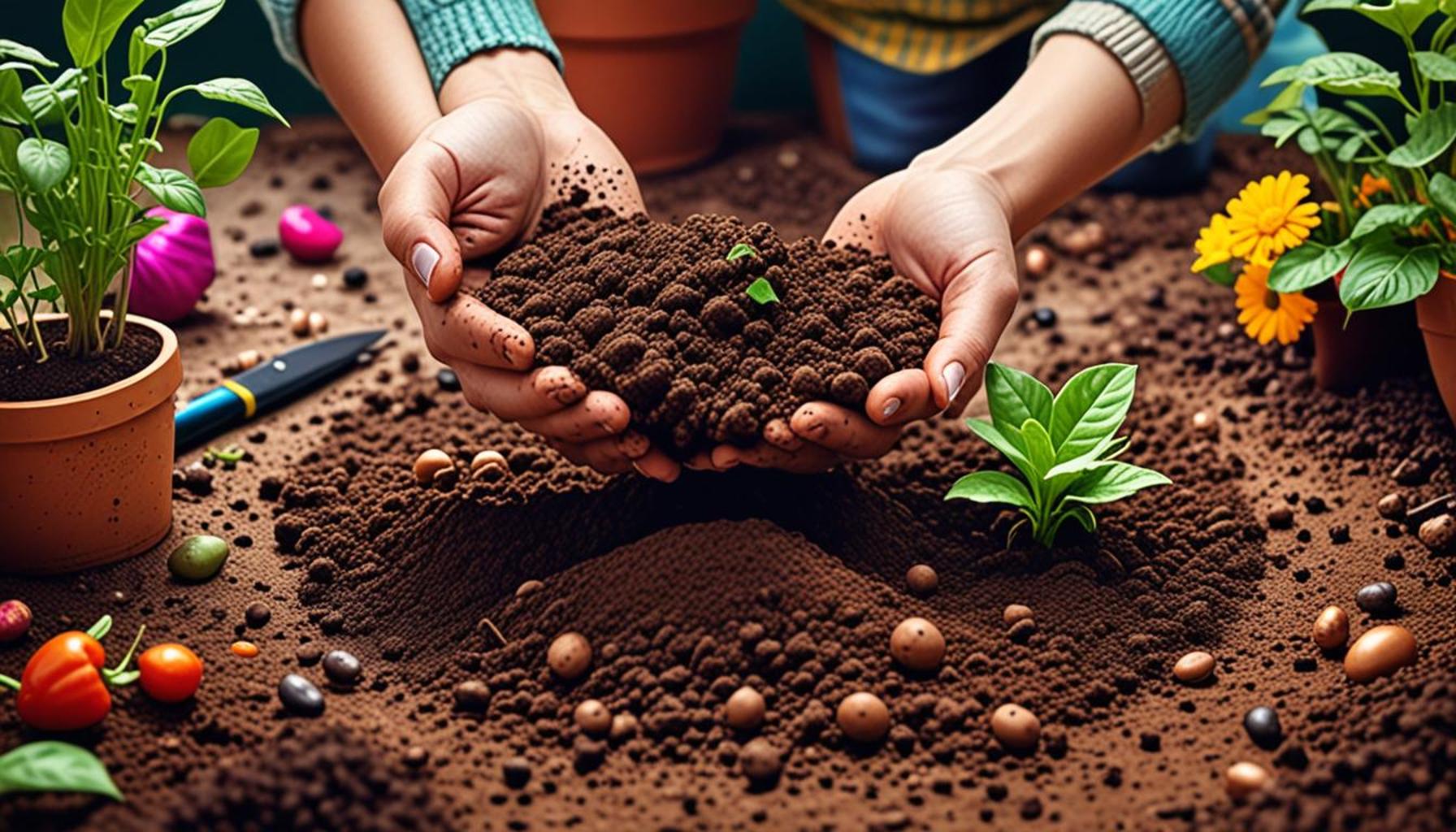
When embarking on the journey of home gardening, understanding the intricacies of soil composition is crucial for creating a successful environment for your seasonal plants. The soil serves not just as a growing medium, but as a habitat that influences every aspect of plant development, from root establishment to nutrient absorption. With the diverse range of soil types available in the market, making a knowledgeable choice can mean the difference between a flourishing garden and struggling plants.
Understanding Soil Types
Soil is not simply a passive component of gardening; it possesses varying characteristics that can be tailored to suit different types of plants and climates. Here are some prominent types of soil you’ll likely encounter:
- Clay Soil: Characterized by its small particles, clay soil retains moisture effectively but struggles with drainage due to compactness. This type of soil is often found in regions with heavy rainfall, making it challenging for plants like carrots or parsley that prefer well-drained conditions. However, its ability to hold nutrients can benefit plants that thrive in moisture-rich environments, such as some types of ferns.
- Sandy Soil: Composed of larger particles, sandy soil offers excellent drainage. While this is advantageous for preventing waterlogging, it can also lead to rapid drying, necessitating frequent watering. Plants such as succulents and cacti are well adapted to sandy conditions, as they require less moisture and can thrive in the drier environment.
- Silty Soil: Silty soil strikes a balance between clay and sandy soils, holding moisture and nutrients relatively well. This type of soil is ideal for many vegetables, such as lettuce and spinach, providing them with the necessary nutrients for robust growth while maintaining adequate moisture levels.
Key Features to Consider
In addition to understanding various soil types, there are essential characteristics to consider when selecting soil for your garden:
- Drainage: Effective drainage is vital to prevent water from pooling around plant roots, which can lead to root rot. To enhance drainage, you might consider mixing organic materials like compost or choosing raised beds that allow excess water to flow away.
- Nutrient Content: The availability of essential nutrients, such as nitrogen, phosphorus, and potassium, greatly influences plant growth and health. Conducting a soil test can help determine what nutrients your soil lacks, allowing you to amend it appropriately with fertilizers or by incorporating organic matter.
- pH Levels: Soil pH affects nutrient availability and plant health. Most plants thrive in slightly acidic to neutral soil (pH 6.0-7.0). Testing your soil’s pH can inform your decisions on whether to add lime to raise pH or sulfur to lower it, thus optimizing your plants’ nutrient uptake.
By understanding these critical factors, you can make informed decisions about soil selection that cater to the specific needs of your seasonal plants. Transitioning to the right soil type will not only enhance your gardening experience but will also transform your outdoor space into a lush, vibrant oasis, where every plant can showcase its full potential.
DISCOVER MORE: Click here to learn about using essential oils as natural repellents
Assessing Your Gardening Goals
Before diving into the specifics of soil types and their characteristics, it’s essential to clarify your gardening goals. Are you looking to cultivate a vegetable garden brimming with fresh produce, or is your focus on ornamental flowers that add color and beauty to your landscape? Understanding your objectives will significantly influence the type of soil you choose to work with.
- Vegetable Gardening: For those interested in growing vegetables, well-draining soil rich in organic matter is vital. Nutrient-rich soil will support vigorous growth and improve yield. You might consider a soil mix designed specifically for vegetable gardening, which typically contains a blend of loamy soil, compost, and other organic amendments.
- Flower Gardens: Flowering plants benefit from a slightly acidic to neutral soil pH, which supports a wide range of blooming plants. Choosing a soil type that provides good moisture retention without causing waterlogging is crucial. Many gardeners opt for a commercial potting mix enriched with additional nutrients to cater to various flowering species.
- Herb Gardens: If herbs are your passion, consider soil that allows for excellent drainage while retaining enough moisture to support these flavorful plants. A blend of sandy and loamy soil mixed with perlite or vermiculite may hit the sweet spot for herbs like basil, thyme, and rosemary.
The Importance of Soil Amendments
Once you have established your gardening goals, the next step is to consider soil amendments. These are materials added to improve the soil’s physical, chemical, and biological properties. Adjusting your soil can help ensure that it meets the specific requirements of your chosen plants. Here are a few common amendments to consider:
- Compost: Organic compost is one of the best amendments for enriching soil. It helps improve nutrient content and enhances the soil structure, enabling better drainage and aeration.
- Peat Moss: For those looking to retain moisture and improve soil structure, peat moss can be an excellent addition. However, it’s essential to use it responsibly, considering its environmental impact.
- Perlite and Vermiculite: Both of these soil additives are great for improving aeration and drainage. Perlite is a volcanic glass that helps to create air pockets in the soil, while vermiculite retains moisture and nutrients effectively.
Understanding your gardening goals and acknowledging the importance of soil amendments will undoubtedly empower you to make informed decisions. By choosing the right type of soil and enhancing it as necessary, you will foster an environment where your seasonal plants can thrive, bringing life and vibrancy to your home garden.
| Soil Type | Advantages |
|---|---|
| Loamy Soil | Ideal for most plants, retains moisture while offering excellent drainage. |
| Sandy Soil | Facilitates rapid drainage, great for root crops but requires frequent watering. |
| Clay Soil | Rich in nutrients, ideal for heavy feeding plants while needing amendments for drainage. |
| Peat Soil | Excellent moisture retention with acidic pH, suitable for acid-loving plants. |
When it comes to seasonal planting at home, understanding the specific characteristics of each soil type becomes paramount. For instance, loamy soil, often touted as the gardener’s gold, offers a harmonious balance of sand, silt, and clay. Its ability to retain moisture and yet drain properly makes it a preferred choice for various plants. On the other hand, sandy soil may seem less favorable due to its quick draining qualities, yet it shines with root crops, which flourish in its loose texture but demand regular irrigation.Moving into the realm of clay soil, its nutrient-dense composition can prove to be advantageous for heavy feeding plants like tomatoes or corn. However, it often requires amendments to improve drainage and aeration for optimum growth. Lastly, peat soil has its unique standing with its acid-rich profile, making it ideal for plants such as blueberries or azaleas. Range within these soil types to uncover a world of potential in your home garden as the right choice can lead to abundant seasonal harvests!
DIVE DEEPER: Click here to learn more about choosing plants for small spaces
Evaluating Soil Texture and Composition
After setting your gardening goals and considering necessary amendments, the next aspect to evaluate is the texture and composition of the soil. The texture of soil significantly impacts its ability to hold water and nutrients, and understanding this can take your gardening experience to new heights. Soil texture is classified into three main categories: sand, silt, and clay. Each type has unique characteristics that influence plant growth.
- Sand: Sandy soil has large particles and drains quickly. This makes it ideal for plants that prefer dry conditions, such as succulents or certain herbs. However, its quick drainage means it can lose nutrients faster, so incorporating organic matter is crucial to enhance its nutritional content.
- Silt: Silt soil consists of medium particles and retains moisture better than sandy soil. Its fine texture allows for a good balance of drainage and nutrient retention. This makes it a versatile option suitable for a variety of plants, including vegetables and flowers.
- Clay: Clay soil, composed of very fine particles, tends to compact easily and can retain too much water. This can lead to poor drainage and root rot if not managed correctly. Amending clay soil with compost and anchoring plants that prefer wetter conditions can create a flourishing environment for your garden.
Understanding Soil pH Levels
Another critical factor to consider is the pH level of your soil. Soil pH affects the availability of nutrients to plants and can impact their growth significantly. Most plants thrive in a pH range of 6.0 to 7.5, which is considered neutral to slightly acidic. Testing your soil’s pH can provide insight into its nutrient composition and inform any necessary adjustments.
If your soil’s pH is too high (alkaline), adding elemental sulfur or compost can help lower it. Conversely, if the pH is too low (acidic), garden lime is often recommended to raise the pH. Understanding these adjustments can aid in achieving a balanced ecosystem where your seasonal plants can flourish.
Selecting Commercial Soil Blends
For those new to gardening or overwhelmed by the vast array of available soil options, turning to commercial soil blends can be an effective solution. Many brands offer specially formulated mixes designed for specific types of gardening, from potting mixes for container gardening to raised bed soil for vegetable patches.
In the United States, brands such as Miracle-Gro, FoxFarm, and Espoma offer tailored solutions that can cater to your gardening needs. Look for soil mixes that contain a good balance of organic matter, moisture retention properties, and essential nutrients. The right blend can simplify the process of establishing a healthy growing environment and significantly increase your chances of gardening success.
In addition to commercial mixes, be sure to read the labels and check for the National Organic Program (NOP) certification if you’re interested in organic gardening. This ensures that the soil components adhere to organic farming standards, promoting a healthier ecosystem.
By evaluating the texture, composition, and pH of your soil, as well as considering commercial blends, you will be well-equipped to choose the ideal soil for your seasonal planting at home. Each step you take in understanding these components paves the way for a bountiful and thriving garden.
DISCOVER MORE: Click here for essential tips
Conclusion
Choosing the ideal soil for seasonal planting is an essential step towards achieving a flourishing garden at home. By thoroughly understanding soil texture, composition, and pH levels, gardeners can tailor their planting endeavors to enhance plant health and productivity. Engaging with the different soil types—sand, silt, and clay—allows for more informed decisions based on the unique needs of various plants. For instance, incorporating organic matter into sandy soil can improve its nutrient retention, while amending clay soil can mitigate water retention issues.
Moreover, seeking out reputable commercial soil blends can greatly ease the process for beginners. Brands like Miracle-Gro and FoxFarm offer specialized mixes that cater to the diverse needs of home gardeners, making it simpler to create an ideal environment for growth. Remember to always consider organic certifications if you’re keen on sustainable gardening practices, as this fosters a healthier ecosystem.
Ultimately, by investing time and knowledge into selecting the right soil, you will lay the groundwork for a successful gardening experience. Whether you are growing vibrant flowers or a fresh vegetable patch, the right soil is your first step towards a garden that not only thrives but also brings joy and satisfaction throughout every season. Embrace the journey of learning about soil, and your plants will surely reward you with their beauty and bounty.