How Soil and Climate Influence Irrigation Techniques at Home
The Interplay of Soil Dynamics and Climate in Home Gardening
The backbone of any flourishing home garden lies in understanding the intricate relationship between soil quality and climate conditions. These elements not only inform what crops can be successfully cultivated but also guide the appropriate irrigation techniques that will ensure plants thrive. The interplay between these factors underscores the importance of tailored irrigation strategies that cater to specific environmental conditions.
Soil Type and Its Implications
Every gardener knows that soil type plays a crucial role in plant growth. There are primarily three types of soil: sandy, clay, and loamy. Each has unique drainage capabilities that influence how water is absorbed and retained.
- Sandy soil drains quickly, which means it may require more frequent watering, especially during hot months. It is ideal for plants such as tomatoes and melons that prefer dry conditions between watering.
- Clay soil, on the other hand, retains moisture but can become compacted, sometimes leading to poor drainage. While clay is great for moisture-loving plants like rice and taro, it can drown those accustomed to well-drained soil, such as carrots and other root vegetables.
- Loamy soil strikes a balance between retention and drainage, making it the ideal choice for a wide range of garden plants.
Understanding Climate Zones
Your climate zone, as defined by the USDA Plant Hardiness Zone Map, can dramatically influence your watering needs and planting schedule. For instance, gardeners in southern states, such as Florida or Texas, often experience higher temperatures, leading to increased evaporation rates. Consequently, drip irrigation becomes a popular choice to conserve water while ensuring that plants receive adequate moisture.
Conversely, regions with cooler climates, like those found in the Pacific Northwest, might benefit from sprinkler systems, especially during dry summer months, to distribute water uniformly across plants without overwhelming water-sensitive species.
Meeting Plant Moisture Needs
It’s essential to recognize that plant requirements vary significantly. For example, succulents and cacti thrive in arid conditions and require minimal watering. In contrast, plants like ferns and hydrangeas demand consistent moisture to flourish. Gardeners need to adjust their irrigation practices based on these unique needs: creating zones in the garden with similar moisture requirements can streamline the irrigation process and enhance plant health.
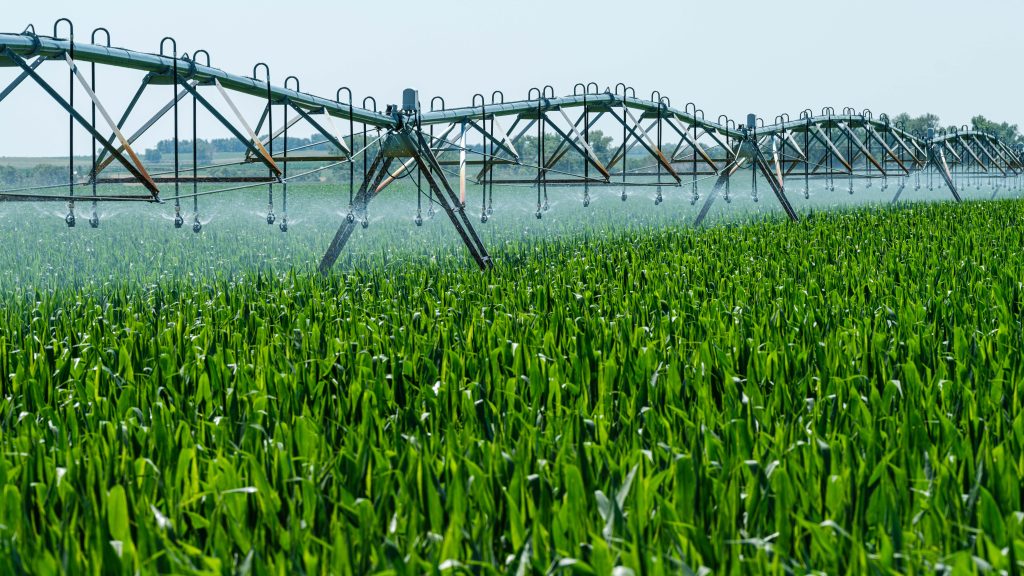
As you explore more about the impact of soil health and climatic conditions, consider innovative irrigation systems that cater to your specific garden environment. Options like rainwater harvesting and smart irrigation systems, which adapt to weather forecasts, can optimize water usage, promote sustainability, and boost plant vitality.
By paying close attention to these dynamics, gardeners can cultivate thriving outdoor spaces while conserving precious resources. Understanding the connections between soil quality and climate can lead to a more resilient and productive garden, transforming ordinary plots into bountiful harvests.
DISCOVER MORE: Click here to grow your own food at home
Assessing Water Needs Based on Soil Composition
Understanding soil composition is integral for homeowners looking to implement efficient irrigation techniques. Each soil type not only affects drainage and nutrient availability but also plays a pivotal role in how water is utilized by plants. Analyzing your garden’s soil can inform the most suitable irrigation strategy to adopt.
The Importance of Soil Testing
Before you decide on an irrigation method, conducting a thorough soil test is paramount. By analyzing organic matter, pH levels, and nutrient content, you can ascertain the precise characteristics of your soil. This critical insight ensures that your watering practices align closely with the specific needs of your garden. Soil testing kits are widely available and offer a cost-effective way to evaluate your garden’s health.
The composition of the soil will also dictate how efficiently your irrigation system will perform. For example, amendments such as compost can improve drainage in clay soils, reducing the risk of root rot and allowing for more effective irrigation methods. In contrast, adding organic matter to sandy soils can enhance their capacity to retain moisture, minimizing the frequency of watering.
The Influence of Climate on Irrigation Scheduling
Your local climate also dramatically affects how you irrigate your garden. Variations in temperature, humidity, and precipitation patterns throughout the year can necessitate adjustments in your watering practices. Gardening in states like California, where droughts are common, requires more thoughtful irrigation techniques, such as the incorporation of smart irrigation systems that respond to real-time weather data. These systems can adjust based on moisture levels, reducing water waste while ensuring plants receive optimal hydration.
Consider categorizing your irrigation methods based on climate conditions:
- Hot and Arid Climates: Drip irrigation or soaker hoses can be effective, delivering water directly to the root zone and minimizing evaporation.
- Humid and Temperate Climates: Sprinkler systems might be the best option. They can be programmed to avoid overwatering during periods of humidity or rainfall.
- Variable Weather Conditions: Rainwater harvesting systems not only conserve water but also utilize natural precipitation, integrating seamlessly with your irrigation approach.
As you refine your approach to managing soil and climate, monitoring your irrigation practices can substantially elevate the productivity of your garden. Identifying the unique requirements dictated by both soil type and climatic conditions will lead to healthier plants and a more sustainable garden.
In conclusion, the proactive evaluation of soil and climate enables homeowners to optimize their irrigation techniques effectively. By paying attention to these facets, gardeners can cultivate a thriving oasis while conserving valuable resources.
Soil Types and Their Impact on Irrigation
Understanding the various soil types in your garden is essential for determining the most effective irrigation techniques. Soils are categorized into several types including clay, sandy, and loamy, each possessing unique characteristics.
Clay soil, for instance, has small particles that make it less porous, leading to poor drainage. In contrast, sandy soil allows water to pass through quickly, which can lead to rapid evaporation and a need for more frequent irrigation. Loamy soil, often considered ideal for gardening, offers a balance of moisture retention and drainage.
Each soil type dictates how moisture is conserved, making it critical for homeowners to tailor their irrigation systems accordingly, ensuring that plants receive the appropriate amount of water.
Climate Considerations in Irrigation
Climate plays a significant role in shaping how homeowners approach irrigation. Factors such as temperature, humidity, and local weather patterns directly influence water requirements. For instance, regions with high temperatures will typically require more frequent watering, while lush, humid areas may need less.
Knowledge of seasonal variations is also vital; for example, implementing drip irrigation during hot summers can help minimize water loss due to evaporation, ensuring that each drop counts. Embracing climate-specific irrigation techniques is not only sustainable but also enhances garden productivity.
| Soil Type | Irrigation Technique |
|---|---|
| Clay Soil | Use drip irrigation to reduce runoff and prevent flooding. |
| Sandy Soil | Implement frequent light watering to combat rapid evaporation. |
| Loamy Soil | Utilize soaker hoses for even moisture distribution. |
Adapting irrigation techniques based on both soil composition and climate conditions not only enhances the efficiency of water usage but also promotes overall plant health. Recognizing the interplay between these elements enables informed decisions that can lead to thriving home gardens, irrespective of external environmental challenges.
DIVE DEEPER: Click here to learn about native plants
Adapting Irrigation Techniques to Soil and Climate Variabilities
Once you’ve assessed your soil’s composition and considered the climatic conditions of your area, it’s essential to adapt your irrigation techniques accordingly. The interplay between soil types and climate factors can help determine the most effective watering strategies to ensure optimal plant health and resource conservation.
Choosing the Right Irrigation System
Different irrigation systems are designed to meet the unique demands posed by various soil and climate profiles. For instance, if you live in a region with heavy clay soils that retain moisture well, you might want to consider installing a drip irrigation system. This system minimizes water exposure to soil’s surface where evaporation losses can occur, optimizing water usage directly at the root zone.
Conversely, in sandy soils, which drain rapidly and can dry out quickly, you may benefit from a soaker hose setup. This delivers water directly to the base of the plants, helping to maintain consistent moisture levels without excessive runoff or evaporation. Homeowners can also utilize techniques such as mulching to enhance soil moisture retention, further supporting irrigation efficiency.
The Role of Seasonal Adjustments
Climate is not static; it changes seasonally, requiring homeowners to periodically adjust their irrigation schedules and methods. During the growing season, plants often have higher water demands, necessitating more frequent watering. Utilizing moisture sensors can help determine when your garden actually needs water, allowing you to avoid both under- and over-watering. These sensors can be particularly useful in areas with fluctuating rainfall patterns, typical of regions like the Midwest or Southeast of the United States.
It’s also essential to consider how climate change can impact traditional irrigation practices. As weather patterns become increasingly erratic, systems that can adapt to varying moisture levels, such as smart irrigation controllers, become invaluable. These systems not only factor in rainfall predictions but can also adjust watering schedules based on current soil moisture levels and historical data trends, assuring optimal irrigation even in unpredictable conditions.
Exploring Innovative Irrigation Technologies
Innovation also plays a significant role in enhancing irrigation efficiency. Emerging technologies, such as rainwater harvesting systems, can be incredibly beneficial in areas prone to drought. By capturing and storing rainwater, homeowners can supplement their irrigation systems, ensuring a more sustainable water supply during dry spells. Furthermore, advanced irrigation solutions, including automated sprinkler systems equipped with weather-based controllers, help tailor watering needs in response to real-time environmental conditions.
It’s also worth exploring the use of irrigation scheduling software, which helps homeowners plan and optimize their irrigation practices based on current soil moisture levels and weather predictions. Such tools can assist in fine-tuning when, how much, and how often to water, promoting healthier garden ecosystems while conserving water.
Overall, recognizing the influence of soil and climate on irrigation techniques requires a holistic approach. Regular monitoring, combined with appropriate technology, enables better resource management and enhances the overall productivity of your home garden. By integrating these elements carefully, gardeners not only safeguard their plants’ needs but also contribute to a larger movement of sustainable home gardening practices. This is particularly relevant as homeowners across the U.S. face increasing pressures from climate variability and dwindling water resources.
DIVE DEEPER: Click here to learn how to choose the perfect plants for your climate
Conclusion
Understanding the intricate relationship between soil characteristics and climate conditions is essential for homeowners aiming to optimize their irrigation techniques. By recognizing how different soil types, such as sandy or clay soils, interact with varying weather patterns, you can implement targeted watering strategies that enhance plant health while conserving precious water resources.
Adapting your irrigation system—whether through drip irrigation, soaker hoses, or rainwater harvesting—is not just about efficiency; it’s a proactive response to the challenges posed by climate variability. With technologies like smart controllers and moisture sensors, homeowners can maintain precise control over their watering schedules, ensuring that each plant receives the appropriate amount of hydration based on real-time conditions.
Moreover, with increasing concerns about water scarcity and unpredictable weather patterns, integrating innovative irrigation techniques becomes more vital than ever. Consider investing in modern technologies and methodologies that promote sustainable gardening practices, allowing you to contribute to environmental stewardship while fostering thriving home landscapes. As the climate landscape continues to evolve, staying informed about these methodologies will empower you to adapt accordingly, transforming potential challenges into opportunities for a flourishing garden.
In short, by harnessing the knowledge of how soil and climate interact with irrigation practices, you not only benefit your immediate gardening experience but also play a crucial role in addressing broader environmental issues facing communities across the United States. Embrace this knowledge, and take the steps towards a more responsible and productive gardening journey.