Fragrant Plants for Home Gardens: Choosing Aromatic Varieties to Enhance Your Outdoor Experience
The Allure of Fragrant Plants
Transforming your garden into a sensory paradise can be as simple as selecting the right fragrant plants. The allure of aromatic varieties can elevate your outdoor spaces, making them inviting and relaxing. With myriad options available, it’s essential to choose wisely to create an enchanting atmosphere tailored to your personal taste and the environmental factors at play in your area. The beauty of these plants extends beyond their visual appeal; the scents they emit can evoke memories, enhance mood, and even contribute to well-being.
Consider these popular fragrant plants that can invigorate your home garden:
- Lavender: Renowned for its soothing scent, lavender cultivates a sense of tranquility, making it perfect for relaxation areas or alongside patios. Its vibrant purple hues paired with a calming fragrance make it a favorite. Furthermore, lavender is drought-resistant, which is ideal for many regions in the United States, particularly in the arid Southwest.
- Jasmine: A timeless classic, jasmine captivates with its sweet, intoxicating aroma that blooms predominantly in the warmer months. Varieties such as the Arabian Jasmine can thrive in U.S. gardens, providing a romantic touch to fences or trellises while attracting pollinators.
- Rosemary: This hardy herb not only adds an aromatic layer to your garden but also enhances culinary dishes with its earthy flavor. Rosemary thrives in well-drained soil and can be easily grown in pots, making it a versatile choice for gardens or balconies.
- Mint: Known for its refreshing scent, mint is both a garden essential and a culinary delight. With varieties like spearmint and peppermint, it can enhance drinks and desserts. Furthermore, mint is known for its vigorous growth, which can also deter pests in the garden.
Factors to Consider When Choosing Aromatic Plants
When selecting plants, factors such as climate, soil type, and sunlight are crucial. Different regions in the U.S. experience varying climates that can influence plant growth. For instance, aromatic plants that thrive in the humid Southeast may not do well in the cooler, drier air of the Northwest. It’s imperative to research which plants suit your specific region.
Additionally, consider the following features:
- Seasonal Blooming: Select plants that flower at different times to maintain fragrance year-round. For instance, combining jasmine, which blooms in the summer, with winter-blooming sweet box can keep your garden fragrant through the changing seasons.
- Growth Habit: Choose plants that fit well within your garden’s layout, whether vertical or sprawling. Vertical growers like climbing roses can add dimension to smaller spaces while spreading varieties like creeping thyme may work perfectly as ground cover.
- Companion Planting: Some aromatic plants not only provide delightful scents but can also deter pests and benefit neighboring plants. For example, plant rosemary near cabbage, as it can help repel pests like cabbage moths.
By exploring these fragrant plants, you can embark on a journey designed to enhance your outdoor experience. Take your time to delve into each variety, researching their specific care requirements and ideal pairings. Let inspiration guide you as you create a garden that not only blooms but also breathes fragrance into your daily life, transforming each visit into an aromatherapeutic adventure.
DISCOVER MORE: Click here to enhance your gardening skills
Discovering a Spectrum of Scents
Fragrant plants can elevate your garden experience, blending visual beauty with olfactory delight. When embarking on this aromatic journey, it is crucial to understand that the world of fragrant plants is vast and filled with diverse options. By carefully selecting plants that resonate with your personal preferences while considering the local climate, soil conditions, and the overall design of your garden, you can create a harmonious oasis that entices all your senses.
Not all fragrant plants have the same scents or growing requirements. Understanding the unique characteristics of each variety can help you create a more balanced and aromatic environment. To guide you in this floral quest, here are a few additional fragrant plants that can take your home garden to new aromatic heights:
- Gardenia: With its creamy white blooms and rich, sweet fragrance, gardenia is a stellar choice for those looking to make a statement in their outdoor space. These shrubs thrive in well-drained, acidic soils and adequately shaded areas, creating a luxurious atmosphere with their stunning flowers. Gardenias usually bloom in late spring to early summer, ensuring a delightful scent during warm days.
- Honeysuckle: This climbing vine not only offers enchanting fragrances but also produces sweet, tubular flowers that attract both bees and hummingbirds. Depending on the species, honeysuckle can provide blooms from spring to fall, perfect for keeping your garden alive with scent throughout the warm months. You can train it over trellises or let it spill over fences to create a fragrant living wall.
- Citrus Trees: Imagine a patio adorned with flowering citrus trees, where the delicate fragrance of orange, lemon, or lime blossoms permeates the air. These trees not only contribute scent to your garden but also yield juicy fruits that enhance your culinary endeavors. Dwarf varieties like the calamondin or Meyer lemon are particularly well-suited for container growing, making them a delightful addition even for smaller spaces.
- Bay Laurel: Revered for its culinary use, bay laurel is a hardy shrub that offers aromatic leaves, perfect for both seasoning dishes and adding fragrance to your garden. This evergreen plant enjoys well-drained soil and plenty of sunlight, making it an excellent choice for many U.S. regions. Placed strategically near a path or patio, the crush of its leaves releases a subtle yet delightful aroma.
Creating the Right Atmosphere
When you begin the selection process, consider the overall ambiance you wish to achieve in your outdoor space. Are you looking for a calming retreat, or do you desire a lively garden full of vibrant scents? Utilizing fragrant plants can help you convey your desired mood. For instance, a combination of soothing scents like lavender and calming sage can produce a tranquil environment ideal for relaxation, while sweet-smelling honeysuckle and citrus can create a lively, inviting atmosphere for entertaining guests.
As you explore fragrant plants, keep in mind their growth habits and potential interactions with one another. Certain plants can enhance each other’s fragrances, while others may not thrive if too closely planted together. By understanding these dynamics, you can ensure your garden blooms beautifully with scents that mingle in harmony, creating a veritable symphony of fragrances that invites both relaxation and wonder.
In exploring fragrant plants for home gardens, it’s important to consider not just their aesthetic appeal but also their diverse functionalities that go beyond mere beauty. For instance, many aromatic varieties are known for their environmental benefits as well. They attract beneficial pollinators like bees and butterflies, which are crucial for maintaining a healthy ecosystem in your garden.
Moreover, fragrant plants can enhance your sensory experience, creating a peaceful retreat in your outdoor spaces. Varieties such as lavender, jasmine, and rosemary fill the air with delightful scents that can boost mood and promote relaxation. This aspect is particularly relevant in today’s fast-paced world, where creating a serene outdoor environment can provide significant mental health benefits.
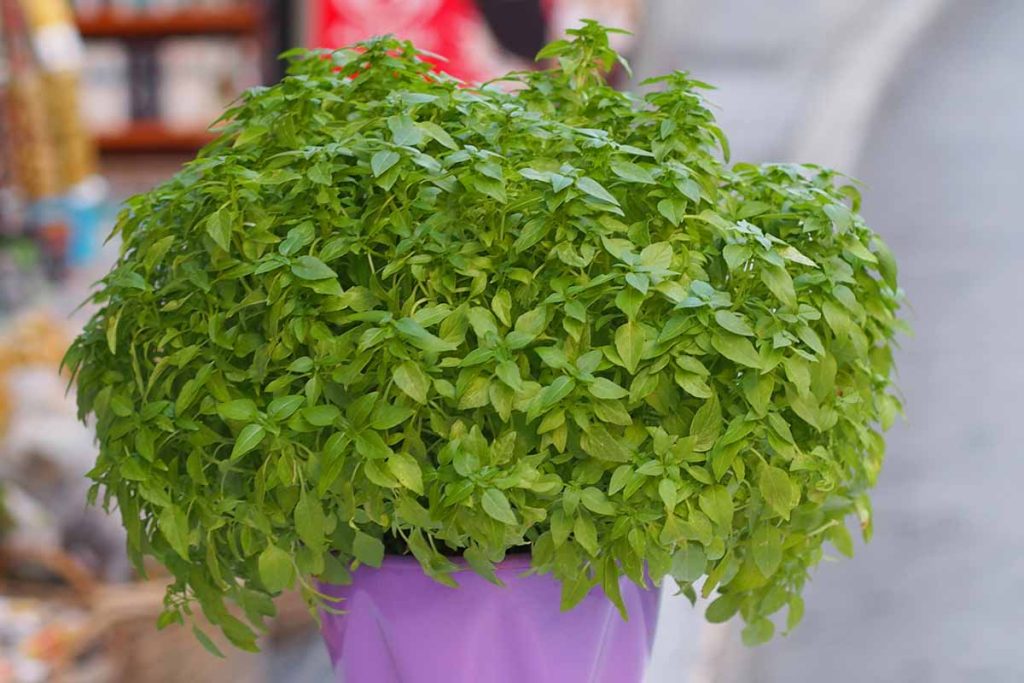
Additionally, the right choice of aromatic plants can serve various practical purposes. Herbal plants like mint, basil, and thyme not only provide culinary advantages but also emit inviting aromas that can naturally repel pests, reducing the need for chemical pesticides. This dual function highlights the growing trend towards organic gardening.
When selecting these aromatic varieties, one should also consider the seasons. Many fragrant plants come into bloom at different times throughout the year, allowing for a year-round sensory feast. Incorporating different species ensures that your garden remains lively and fragrant during every season, alleviating the dullness that can set in during the off-peak months.
As you delve deeper into fragrant gardening, don’t overlook the importance of considering soil types, sunlight conditions, and climate suitability for your chosen plants. Each aromatically rich plant has its unique sets of requirements and adaptability, influencing its growth and fragrance intensity. Engaging with expert advice or local horticulturists will aid in selecting the ideal plants that will flourish in your space.
Through thoughtful selection and cultivation of fragrant plants, you can craft an inviting outdoor experience that not only beautifies your home but also enhances your well-being and environmental stewardship.
| Category | Characteristics and Benefits |
|---|---|
| Environmental Impact | Attracts pollinators, contributing to ecosystem health. |
| Sensory Experience | Enhances outdoor ambiance with soothing aromas. |
| Practical Use | Herbs provide culinary benefits and natural pest deterrents. |
DISCOVER MORE: Click here to learn about companion planting
Layering Scents for a Dynamic Garden Experience
To truly immerse yourself in the world of fragrant plants, consider the concept of layering scents throughout your garden. By choosing plants that bloom at different times of the year, you can create an aromatic tapestry that evolves with the seasons, providing a continually changing sensory experience. Furthermore, layering different heights and growth habits can enhance both the visual and olfactory appeal of your outdoor space.
One essential consideration is the combination of herbs in your garden. Herbs such as rosemary, thyme, and mint not only serve culinary purposes but also emit captivating aromas when brushed against or crushed. Planting these fragrant herbs alongside flowering plants can stimulate a delightful mix of scents. For example, pairing the vibrant blooms of lavender with the earthy fragrance of sage can bring an enchanting aura to any garden bed, especially in areas intended for relaxation or outdoor dining.
Another fascinating avenue to explore is the use of fragrant groundcovers. Plants like creeping thyme or sweet woodruff not only establish a lush green carpet but also release enticing fragrances, especially when walked on. These plants can soften paths and borders while imparting subtle scents that embrace visitors as they wander through your garden.
Utilizing Fragrance for Space Maximization
In smaller urban plots or courtyards, maximizing space can be a challenge, but fragrant plants can help you achieve more with less. By employing vertical gardening techniques, such as using wall-mounted planters or trellises for climbing plants like jasmine or passionflower, you can fill small spaces with thrilling aromas while adding a touch of elegance. Jasmine, known for its sweet floral scent that intensifies in the evening, is perfect for creating romantic outdoor spaces.
Additionally, consider using potted fragrant plants for versatility. Containers allow you to move plants around to find the perfect position based on sunlight and individual preferences, while also allowing you to experiment with arrangements to discover what fragrances blend most harmoniously. Dwarf varieties of fragrant geraniums or pelargoniums can add a pop of color and scent to patios and balconies, giving instant gratification without the need for extensive garden beds.
To further enhance your garden’s perfumed ambiance, integrate seasonal bloomers into your landscape. Plants like tuberose or cherry blossoms offer intense, sweet fragrances in their peak seasons, creating memorable olfactory experiences that draw visitors in. With careful planning, you can harness the fragrances of these plants to evoke specific memories or feelings—like the nostalgia of sweet perfume on a warm summer evening.
Care and Maintenance for Lasting Fragrance
Once you’ve selected your fragrant plants and established them in your garden, proper care and maintenance are vital to ensure their enduring scents continue to please the senses. Most aromatic plants benefit from regular pruning to promote healthy growth and enhance their fragrance output. Additionally, ensuring they receive adequate water without over-saturation is critical; many fragrant plants prefer well-draining soil. Knowledge of each plant’s specific requirements can greatly affect its ability to thrive and produce pleasing scents.
Whether you’re a seasoned gardener or just beginning your fragrant adventure, investing time in selecting, positioning, and caring for aromatic plants ensures your outdoor space transforms into a delightful sensory experience. The right combinations will invite enchantment, soothe the soul, and make your garden a cherished retreat for both you and the wildlife that might visit.
DISCOVER MORE: Click here to learn about the benefits of composting
Conclusion: Enjoying the Symphony of Scents in Your Garden
Incorporating fragrant plants into your home garden is not just about aesthetics; it’s a journey into a world of enchanting aromas that can enhance your outdoor experience. By thoughtfully selecting a variety of aromatic plants, you can craft an ever-evolving sensory tapestry that captivates the senses throughout the seasons. Whether through the delightful fragrances of herbs like rosemary and mint, the soft blooms of lavender, or the elegant essence of jasmine climbing a trellis, each plant plays a unique role in creating a peaceful oasis.
Moreover, the practice of layering scents—combining plants with varying bloom timings and growth habits—allows for a dynamic and interactive garden space. Utilize vertical gardening techniques and potted arrangements to maximize even the smallest outdoor areas, proving that exquisite scents can flourish anywhere, even in urban settings.
To ensure these scents linger, commitment to the care and maintenance of your fragrant plants is essential. Regular pruning, proper watering, and an understanding of each variety’s needs will help preserve their enchanting essence and keep your garden thriving.
Ultimately, the integration of fragrant plants into your home garden is a celebration of nature’s beauty and a personal escape into a world filled with memories and emotions. As you cultivate these aromatic varieties, consider your journey—each scent evoking a unique experience, painting a vivid picture that continually draws you and others into the charm of your outdoor sanctuary. Embrace the exploration of scents to turn your garden into a cherished retreat where every breeze becomes a delightful reminder of nature’s fragrant embrace.