Edible Flowers: Choosing Beautiful and Delicious Plants for Your Home Garden
Discover the Beauty and Flavor of Edible Flowers
Imagine stepping into your garden and being greeted by vibrant blossoms that not only please the eye but also tantalize the taste buds. Edible flowers are an exquisite way to elevate your home garden, offering a unique combination of beauty and culinary delight. Not only can they enhance the appearance of a dish, making it vibrant and inviting, but they also add distinctive flavors that can transform a simple meal into a gourmet experience.
These plants are not merely decorative; they are an exciting addition to your meals, ranging from salads to desserts. The incorporation of edible flowers into your cooking can engage all the senses, creating a feast that is pleasing to both the eyes and the palate. For example, consider the delightful pop of color and flavor that edible flowers bring to traditional dishes. Here are some popular examples of edible flowers that are both beautiful and delicious:
- Calendula: Known for its bright orange petals, calendula adds a peppery taste, reminiscent of saffron, to salads, rice dishes, and even herbal teas.
- Nasturtium: With its bold, vibrant hues, nasturtiums feature a sweet, spicy flavor that pairs wonderfully with fresh greens and vinaigrettes, making them perfect for summer salads.
- Chive Blossoms: These delicate purple flowers carry a mild onion flavor that can enrich a wide array of dishes, from omelets to creamy dips and even gourmet cream cheese spreads.
- Violets: Sweet and fragrant, violets not only serve as beautiful garnishes but can also be candied to add a whimsical touch to desserts or cocktails.
With the right planning, growing edible flowers can be a rewarding experience. Starting your own garden dedicated to these vibrant blooms can introduce you to new gardening techniques and the meticulous art of culinary exploration. You don’t need a vast space; even a small balcony or windowsill can house a variety of edible flowers in pots. As you nurture these plants from seed to bloom, you’ll discover the satisfaction of growing your own food while contributing to ecological diversity.
Engaging with edible flowers fosters not just a deeper appreciation for nature but also culinary creativity. Embracing these plants can lead to an educational journey in gardening and cooking. As you explore which flowers to cultivate, you’ll engage with the environment, learn about pollinators, and see firsthand the benefits of organic gardening. The reward is twofold: a visually stunning garden and delectable dishes that will impress your family and friends. You may even find yourself inspired to explore various recipes, enriching your dining experience with the enchanting flavors of homegrown blossoms.
DIVE DEEPER: Click here to discover more about indoor foliage plants</
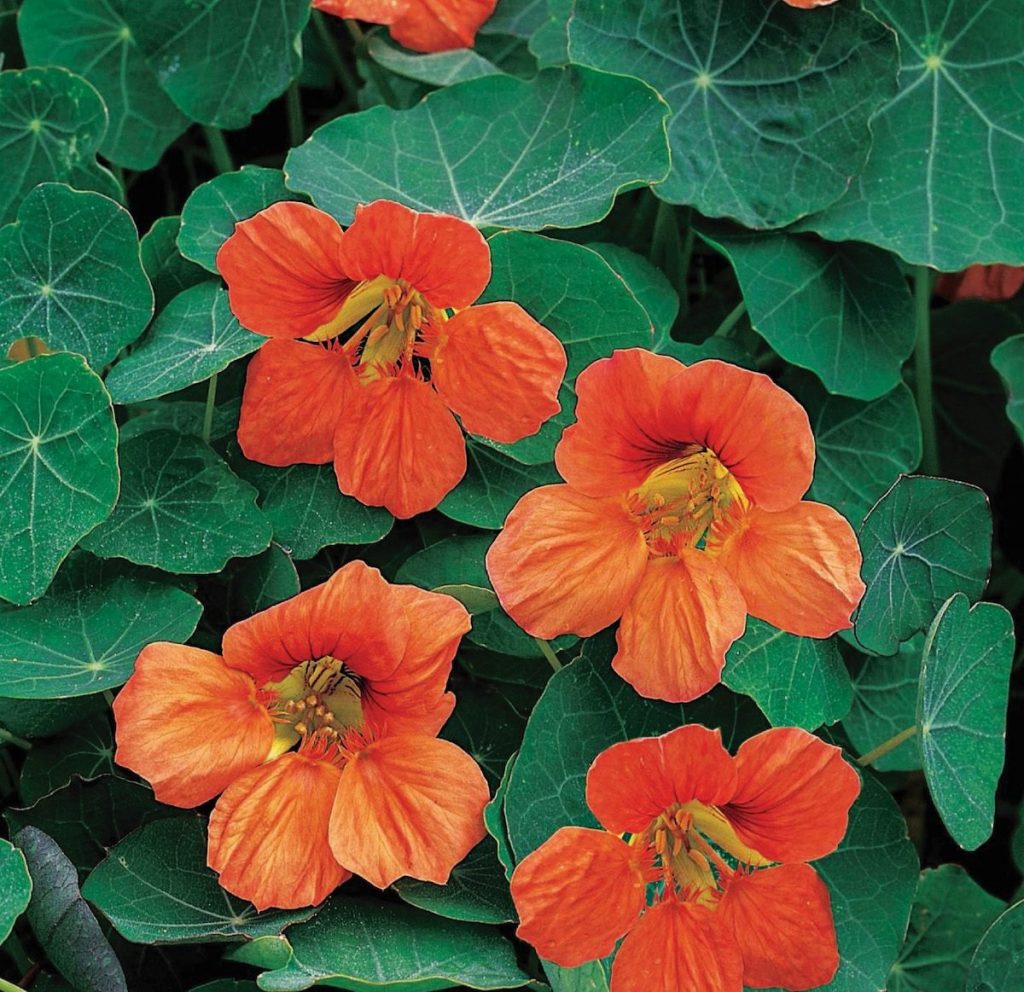
Exploring Beautiful Edible Flowers for Your Home Garden
When it comes to selecting edible flowers, the variety can be both exciting and overwhelming. Different blooms offer intriguing flavors, colors, and culinary uses. It’s essential to understand not only the aesthetic appeal of these plants but also their growing requirements and potential uses in the kitchen. This knowledge can help you cultivate a garden that is both visually stunning and rich in flavor.
Before diving into the cultivation process, consider what culinary uses you envision for your edible flowers. Will you be garnishing desserts, enhancing salads, or creating vibrant herbal infusions? Taking the time to think about your culinary goals can influence your plant selection. Below are some common edible flowers that thrive in U.S. gardens, along with their unique characteristics:
- Roses: While often associated with romantic gardens, many rose varieties boast flavors that vary from fruity to minty. Petals can be used fresh in salads or sugary preparations like jams or syrups.
- Bee Balm: This perennial flower adds a minty taste with hints of oregano and is perfect for teas, salads, and even as a colorful accent in savory dishes.
- Sunflowers: Known for their towering stems and bright yellow petals, young sunflower buds can be steamed and consumed like artichokes, while the seeds can be roasted for a wholesome snack.
- Lavender: Renowned for its soothing fragrance, lavender has culinary applications too. Its sweet, floral essence is perfect for infusing sugar, making syrups, or seasoning meats.
After choosing the right flowers to enhance your home garden, you should also consider the overall gardening conditions that these plants require. Most edible flowers thrive in well-draining soil and enjoy full sun, making them ideal for sunny spots in your yard or balcony. Each flower has its own unique needs; for instance, while roses prefer richer soils and regular pruning, nasturtiums can thrive in poorer soils and will attract beneficial insects, aiding your garden ecosystem.
Your journey into cultivating edible flowers can also cultivate an appreciation for biodiversity and sustainable gardening practices. Maximizing your growth efforts can lead to improved pollination, fostering a vibrant garden that not only delivers delicious blooms but also supports the local ecosystem. Furthermore, engaging in community or online gardening resources can provide valuable insights into the best practices for your specific region’s climate, soil conditions, and available varieties.
As you embark on this botanical adventure, remember that edible flowers can provide not just nutrition but also a rich tapestry of color and beauty. Whether you are using them in culinary creations or planting them simply for their visual appeal, the world of edible flowers invites creativity and exploration, promising rewarding experiences both in your garden and your kitchen.
| Advantage | Description |
|---|---|
| Visual Appeal | Edible flowers add a stunning aesthetic to any garden, enhancing the beauty of your home landscape. |
| Nutritional Benefits | Many edible flowers are rich in vitamins and antioxidants, promoting health and well-being. |
Exploring the world of edible flowers allows gardeners to blend beauty and culinary delight. With varieties such as nasturtiums and violets, not only can you create a feast for the eyes, but you can also cultivate plants that can be incorporated into salads, desserts, and beverages, adding flavor and color. Furthermore, the presence of these charming blossoms can attract beneficial pollinators, promoting a thriving garden environment.By choosing to grow edible flowers, you embrace creativity in cooking and gardening. This unique combination invites home gardeners to experiment with new flavors, inspiring innovative recipes while enjoying the visual splendor of their green spaces. Dive deeper into this extraordinary gardening trend and discover the multitude of edible flower varieties that will transform both your garden and your meals.
DISCOVER MORE: Click here to learn about soil layering techniques
Practical Tips for Cultivating Edible Flowers
Once you have decided on the edible flowers that will grace your home garden, it’s time to delve into practical steps to ensure their successful cultivation. Growing edible flowers not only enhances your garden’s visual atmosphere but also allows you to experiment with unique flavors, enabling you to impress family and friends at mealtimes. Here are some essential tips to help you along your gardening journey:
Soil Preparation and Planting
Before planting, focus on soil health. Edible flowers thrive best in nutrient-rich, well-draining soil. Consider enriching your garden beds with compost or organic matter to promote healthy root development and foliage growth. Additionally, performing a soil test can help you determine pH levels and nutrient deficiencies, ensuring the plants receive optimal care. Aim to plant your seeds or seedlings during the ideal growing season for each flower type, keeping in mind that most edible flowers prefer warmer temperatures.
Sunlight and Watering Needs
Understanding the light and watering requirements of your chosen edible flowers is crucial. Most popular varieties flourish in full sunlight, requiring at least six hours of direct sun each day. However, some, like violets, can tolerate partial shade. When it comes to watering, keep the soil consistently moist during the growing season but avoid waterlogging. A drip irrigation system or soaker hoses can be effective solutions for maintaining proper moisture levels.
Pest Management and Companion Planting
Like any garden, a home garden featuring edible flowers can attract pests. Implementing natural pest control methods is essential for maintaining plant health. Consider attracting beneficial insects such as ladybugs and lacewings by incorporating herbs like basil or marigolds nearby. These plants not only deter pests but also complement the diverse range of tastes in edible flowers, making them an excellent pairing in culinary dishes. Moreover, interplanting edible varieties can boost overall health and growth.
Harvesting Techniques
Proper harvesting techniques ensure that your edible flowers offer the best flavor and presentation. Always harvest your blooms in the early morning when they are most crisp and fragrant. Use clean, sharp scissors to snip the flowers, cutting close to the base of the stem. Avoid collecting from plants that have been treated with pesticides or other chemicals, as these residues can be harmful. When harvesting, remember to leave some flowers intact to encourage further blooming and pollination.
Culinary Ideas to Explore
Once your edible flowers have reached maturity, it’s time to explore their culinary potential. From enhancing salads to crafting creative cocktails, the possibilities are endless. For example, try using dandelion flowers in salads to add a unique, slightly bitter flavor or freeze pansy petals in ice cubes for a stunning beverage garnish. Edible flowers can also be added to baked goods, offering unexpected bursts of flavor and color amidst traditional recipes.
The world of edible flowers is vast and diverse, filled with opportunities to cultivate and incorporate beauty into your garden and meals. By taking the time to learn about the specific requirements and uses of these plants, you can create a vibrant and fruitful sanctuary in your home garden that delights the senses and celebrates the joys of gardening.
DISCOVER MORE: Click here for essential pest management tips
Conclusion
In conclusion, the journey into the world of edible flowers offers not only a feast for the taste buds but also a stunning visual treat for your home garden. By choosing the right varieties, such as nasturtiums, chive flowers, and marigolds, you can create a delightful and colorful canvas that reflects your personal style and culinary preferences. Remember that successful gardening extends beyond selection; it involves a commitment to understanding the care requirements of each plant, from soil preparation to harvesting techniques.
Integrating edible flowers into your meals not only elevates the aesthetic appeal of your dishes but also boosts their flavor profile, encouraging you to explore traditional recipes with a modern twist. As you gain experience and confidence, consider experimenting with lesser-known varieties to expand your culinary repertoire. The act of cultivating these beautiful plants can transform your home garden into a vibrant ecosystem that nourishes both body and soul.
Ultimately, by embracing the beauty and utility of edible flowers, you embark on a rewarding gardening experience that promotes sustainability and enhances your lifestyle. This journey is just beginning—so grab your gardening gloves and start planting; the colorful world of edible flora awaits you in your very own backyard.