Drought-Tolerant Plants: Choosing Resilient Species for Sustainable Gardening

Embrace Resilience in Your Garden
As climate change intensifies, the need for sustainable gardening practices has never been more crucial. One effective approach is incorporating drought-tolerant plants, which not only conserve water but also enhance biodiversity in your outdoor spaces. These resilient species can thrive even in the harshest conditions, providing beauty and functionality to your garden design.
Why Choose Drought-Tolerant Plants?
- Water Conservation: Drought-tolerant plants significantly reduce the need for irrigation, helping homeowners manage water resources effectively, particularly in areas facing water scarcity. By choosing plants that require less water, gardeners can make a positive impact on the environment and help strengthen their community’s resilience against drought.
- Soil Health: Drought-tolerant species often have deep root systems that can help maintain soil structure and prevent erosion. When these plants are established, their roots improve soil aeration and allow rainwater to penetrate deeper, benefiting both the plants and surrounding lawns.
- Cost-Effective: By using fewer resources, gardeners can save on water bills and reduce maintenance costs related to lawn care and plant upkeep. This aspect is especially beneficial for those in regions with more frequent droughts, where maximizing affordability is essential.
In the United States, many homeowners face extended periods of drought, especially in states like California and Texas. Selecting the right plants can make a significant difference in creating a resilient garden that remains vibrant and healthy throughout the year. Some popular options include:
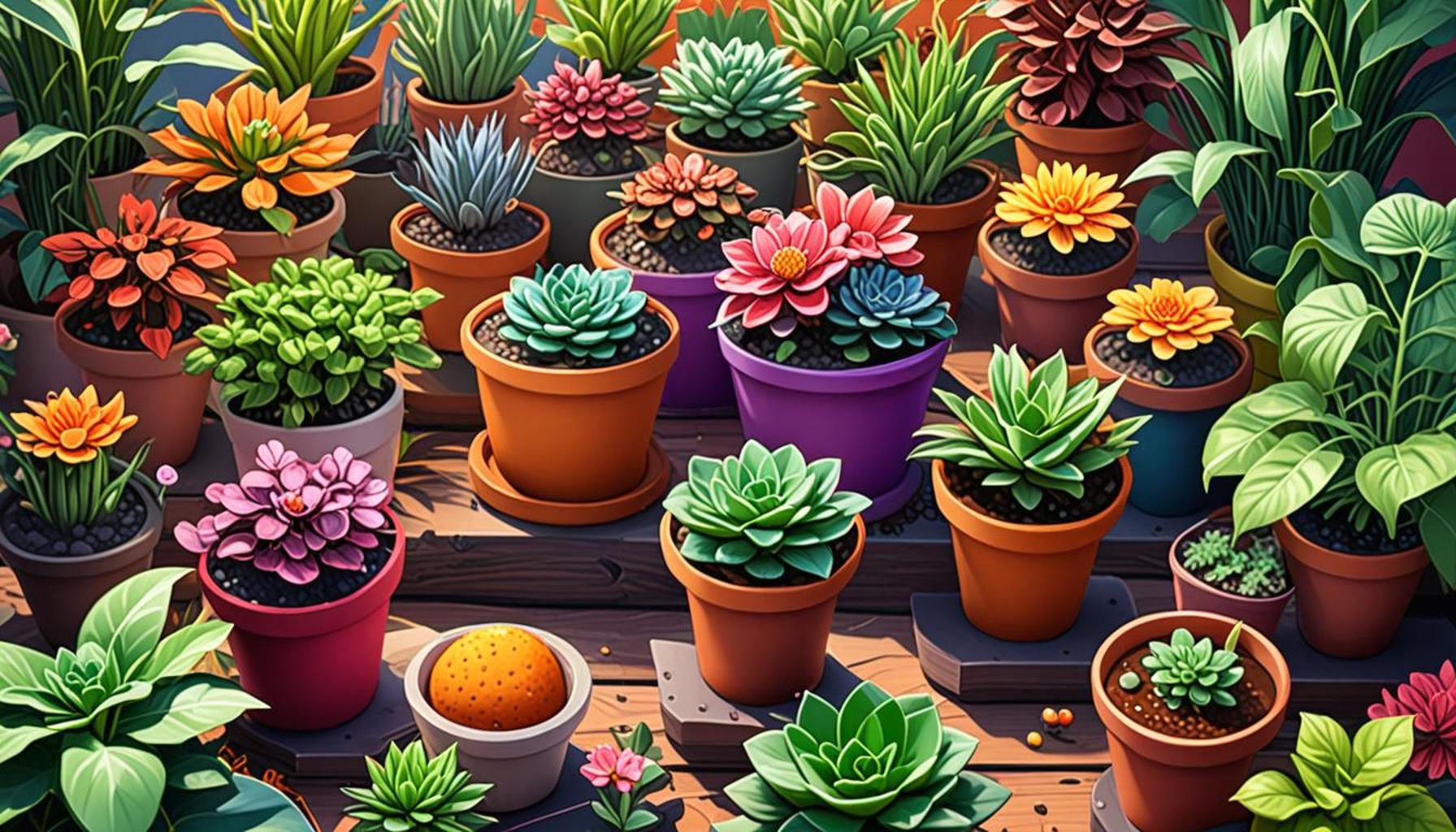
- Succulents: Varieties such as Agave and Aloe are excellent choices due to their thick leaves, which store water, enabling them to endure dry periods. Their fascinating shapes and striking colors also make them captivating ornamental additions.
- Native Grasses: Grasses like Blue Grama and Buffalo Grass are not only drought-resistant but also provide habitat for wildlife. These species are adapted to local conditions and require minimal maintenance, helping to create a more sustainable garden ecosystem.
- Herbs: Incorporating Lavender and Thyme not only enriches your culinary experience but also attracts pollinators such as bees and butterflies, playing a crucial role in maintaining biodiversity in your garden.
These species are not only visually appealing but also serve vital ecological functions. By embracing drought-tolerant gardening, you can create a thriving landscape that minimizes water use while supporting local wildlife. Exploring the intricate balance of your garden and making mindful planting choices will lead to a more resilient and sustainable outdoor space. Indeed, as we adapt to changing climates, our gardens can become vibrant testaments to resilience and innovation in sustainable living.
DIVE DEEPER: Click here to learn more
Choosing the Right Drought-Tolerant Plants for Your Garden
As the global climate continues to shift, more gardeners are turning to drought-tolerant plants to cultivate sustainable gardens that can withstand periods of low rainfall. To make the most informed decisions when planning your garden, it’s essential to explore the diverse array of drought-tolerant plants available and how they aligned with your specific environmental conditions. Factors such as regional climate, soil quality, and existing ecosystems play a crucial role in determining which plants will flourish in your garden. A thoughtful selection not only enhances your landscape but also supports local biodiversity.

Native vs. Non-Native: Which to Choose?
Understanding the differences between native and non-native drought-tolerant species can significantly impact your gardening success. Native plants are those that naturally occur in a specific region, having adapted over time to its climate, soil, and other environmental factors. They thrive with little human intervention, making them an excellent choice for sustainable gardening. Key benefits of opting for native drought-tolerant plants include:
- Resilience: Native plants possess the inherent ability to endure local weather variations and tend to be better adapted to periods of drought, thereby reducing the need for supplemental watering.
- Support Local Wildlife: Many native plants play vital roles in their ecosystems, providing essential food and shelter for pollinators like bees, butterflies, and local bird species, thus promoting a vibrant and balanced environment.
- Low Maintenance: After their initial establishment, native plants typically require minimal care, ideal for gardeners with busy lifestyles who desire a stunning yet low-maintenance landscape.
In contrast, non-native drought-tolerant plants can offer unique visual appeal and diversity in form and color. However, they often come with drawbacks such as a greater need for water or specific soil conditions to thrive, which can complicate your gardening efforts and conflict with your sustainability goals. Invasive non-native species can also disrupt local ecosystems, outcompeting native plants and altering habitats.
Top Drought-Tolerant Plants to Consider
For those looking to create an impressive and eco-friendly garden, here is a diverse selection of popular drought-tolerant species divided into relevant categories:
- Cacti: Varieties like Barrel Cactus and Christmas Cactus are iconic options for xeriscaping, adapting well to dry environments while offering striking visual interest.
- Ornamental Grasses: Plants such as Pampas Grass and Maiden Grass draw the eye with their graceful forms and textures, creating height and movement in the garden while requiring minimal water.
- Flowering Plants: Varieties like Black-eyed Susan and Coreopsis not only provide vibrant colors to your garden but also attract essential pollinators, helping to ensure a thriving ecosystem.
By incorporating these drought-tolerant species into your garden, you foster an attractive and ecologically sound environment. As water scarcity becomes a growing concern, embracing drought-tolerant plants is not merely a gardening trend, but an essential strategy for maintaining lush landscapes in the face of climate change challenges. Choosing the right plants tailored to your specific conditions will empower you to create a beautiful, sustainable garden that flourishes with resilience and vibrancy.
| Category | Advantages |
|---|---|
| Water Conservation | Drought-tolerant plants require significantly less water, promoting sustainable gardening practices. |
| Soil Health | These plants improve soil health through deep root systems, which enhance nutrient availability. |
| Reduced Maintenance | Less need for irrigation and fertilization leads to lower maintenance efforts and costs. |
In addition to the advantages outlined above, selecting drought-tolerant plants can yield remarkable benefits for both the environment and the gardener. One significant aspect is their ability to flourish in challenging soils where traditional plants might fail, thus enabling gardeners to cultivate unique landscapes that both attract biodiversity and beautify the space. Moreover, many resilient species have striking visual appeal, offering an array of vibrant colors and textures that can enhance any garden design. By incorporating these plants, one can create a flourishing ecosystem that promotes resilience in the face of changing climate conditions. Furthermore, education on native drought-tolerant plants can empower gardeners to make informed choices, ensuring the long-term health of their gardens and contributing to broader sustainability efforts. This shift not only conserves water but also supports local wildlife, encouraging pollinators and other beneficial species to thrive within sustainable gardening practices. By understanding and harnessing the value of drought-tolerant plants, gardeners can take a proactive stance towards creating landscapes that are not just beautiful but also environmentally responsible.
LEARN MORE: Click here to discover how beneficial insects can transform your garden
Creating a Drought-Resistant Landscape Design
When establishing a garden that emphasizes drought tolerance, thoughtful landscape design plays a key role. By implementing design strategies that cater to the needs of drought-tolerant plants, you can optimize water usage while enhancing the aesthetic appeal of your outdoor space. A well-planned layout not only enhances plant health but also creates a more visually striking environment.
Implementing Xeriscaping Principles
Xeriscaping is a water-efficient landscaping technique that promotes the use of drought-tolerant plants. Originating in arid regions, xeriscaping incorporates several key principles to ensure sustainability. Here are some essential strategies to consider:
- Soil Improvement: Enhancing soil quality through the addition of organic matter, such as compost, can improve moisture retention and nutrient availability. Healthy soil is essential for the thriving of drought-tolerant plants.
- Contour Grading: Adjusting the landscape layout to direct water runoff to plant beds can maximize water usage. Utilizing depressions or strategically placed rocks helps in capturing and retaining rainwater.
- Grouping Plants by Water Needs: Arranging plants with similar water needs together minimizes waste and enhances irrigation efficiency. This not only conserves water but also simplifies maintenance.
By focusing on these principles, you are creating a resilient garden that utilizes resources judiciously, making xeriscaping an attractive option for conscientious gardeners.
Watering Techniques for Drought-Tolerant Gardens
Even drought-tolerant plants require some water—especially during their initial establishment phase. Employing effective watering techniques can significantly improve their long-term success. Here are several methods to incorporate:
- Drip Irrigation: An efficient way to distribute water directly to the plant roots, drip irrigation systems minimize evaporation and runoff, ensuring that plants receive moisture where it matters most.
- Mulching: Applying a layer of organic mulch around your plants can help retain soil moisture, regulate temperature, and suppress weed growth. Materials like bark chips or straw can decompose over time, enhancing soil fertility.
- Timing Watering Wisely: Watering in the early morning or late evening reduces evaporation loss, ensuring that more water penetrates the soil. Deep, infrequent watering encourages deep root development, which is crucial for drought resilience.
Caring for Your Drought-Tolerant Garden
Once your garden is established, adopting a mindful care regimen ensures its longevity and health. While drought-tolerant plants are designed to thrive under reduced water conditions, they still benefit from specific care practices:
- Regular Monitoring: Keep an eye on plant health by looking for signs of stress, such as wilting or discoloration. Early detection allows you to address issues before they become significant problems.
- Pruning: Removing dead or overcrowded growth not only promotes air circulation but also encourages new growth, helping plants maintain their health and resilience.
- Seasonal Adaptation: Be prepared to adjust your care practices according to seasonal changes. In the cooler months, less water may be needed, while summer might require a slight increase in attention.
Incorporating these techniques will empower you to create a vibrant, low-maintenance landscape that not only reduces water usage but also supports the integrity of your local ecosystem. As more individuals embrace sustainable gardening practices, the collective effort will contribute to improved environmental health, making your garden a critical component of this movement.
DIVE DEEPER: Click here to discover more
Embracing the Future of Sustainable Gardening
As we face the realities of climate change and increasing water scarcity, the importance of drought-tolerant plants in our gardens becomes ever more significant. By choosing resilient species and integrating sustainable practices, we not only cultivate beautiful landscapes but also contribute to the preservation of vital water resources. The strategies outlined—from employing xeriscaping principles to reducing water loss through effective irrigation techniques—provide a roadmap for creating thriving gardens that respect and adapt to our changing environment.
Moreover, the practice of selecting drought-resistant flora is not just a matter of survival; it becomes an ecological statement, highlighting our commitment to sustainability. As homeowners and gardeners across the United States begin to embrace these principles, we can collectively transform our communities into havens of resilience and efficiency. Imagine neighborhoods where lush gardens harmoniously coexist with reduced water consumption, benefiting not only individual homeowners but also local ecosystems.
To truly make a difference, let us dive deeper into the world of drought-tolerant species, exploring native plants that are beautifully adapted to our regions. By championing biodiversity in our gardens, we pave the way for healthier environments, reduced maintenance costs, and enhanced aesthetic appeal. In this journey, every plant choice matters, and our informed decisions can significantly impact the future of gardening.
In conclusion, the era of gardening is evolving. By engaging with and prioritizing sustainable gardening practices, we can cultivate resilient spaces that stand the test of time, proving that beauty and responsibility can go hand in hand. Every garden starts with a single plant—let that first plant be a commitment to preserving our most precious resources.