
Cover Crops: A Simple Guide to Improving Soil Fertility

The Benefits of Cover Crops in Agriculture
In the realm of agriculture, healthy soil stands as the bedrock of success. Yet, surprisingly, many farmers tend to underestimate a powerful ally in their farming arsenal: cover crops. These remarkable plants not only improve soil fertility but also safeguard the land against erosion and bolster water retention. By weaving cover crops into farming practices, farmers can unlock a treasure trove of long-term advantages for both their land and the crops they cultivate.
What Are Cover Crops?
Cover crops are cultivated primarily to benefit the soil rather than for direct harvest. By enriching the soil’s structure and nutrient profile, these crops help create a more sustainable agricultural environment. Common examples include:
- Legumes (such as clover and vetch) – These plants are especially noteworthy because they have the ability to naturally fix nitrogen into the soil, which is essential for plant growth. For instance, planting red clover can significantly enhance nitrogen levels, benefiting subsequent crops.
- Grasses (like rye and oats) – These cover crops play a critical role in preventing soil erosion, particularly during off-seasons when the soil is otherwise vulnerable. For example, winter rye can establish deep roots that hold the soil in place, reducing loss during heavy rains.
- Brassicas (such as radishes and mustard) – Known for their robust taproots, these plants can break up compacted soil, creating better aeration while also suppressing weed growth. This is particularly valuable in areas where soil compaction is an issue.
Why Use Cover Crops?
Integrating cover crops into regular farming practices brings numerous key advantages that can enhance overall productivity:
- Enhances Soil Fertility – By increasing the availability of essential nutrients, cover crops foster a nutrient-rich environment that can lead to healthier, more robust crops in the following planting seasons.
- Reduces Soil Erosion – Cover crops act as a protective barrier, preserving the topsoil during periods of heavy rain or strong winds. This is especially pertinent in regions prone to erosion, like the Midwest or areas with sloped terrain.
- Prevents Weed Growth – These crops serve as a natural deterrent against unwanted plants, effectively outcompeting them for resources and minimizing the need for herbicides. This not only saves costs for farmers but also promotes an environmentally friendly approach to weed management.
As you delve deeper into the rich tapestry of cover crops, it becomes clear that they play a pivotal role in sustainable farming practices across the United States. By understanding the multitude of benefits and learning about the best practices for implementing cover crops, farmers can significantly transform their approach to agriculture. Whether you’re a seasoned farmer or just starting, the journey into cover cropping can be immensely rewarding, guiding you towards more resilient and productive farming.
LEARN MORE: Click here for expert tips on pest management
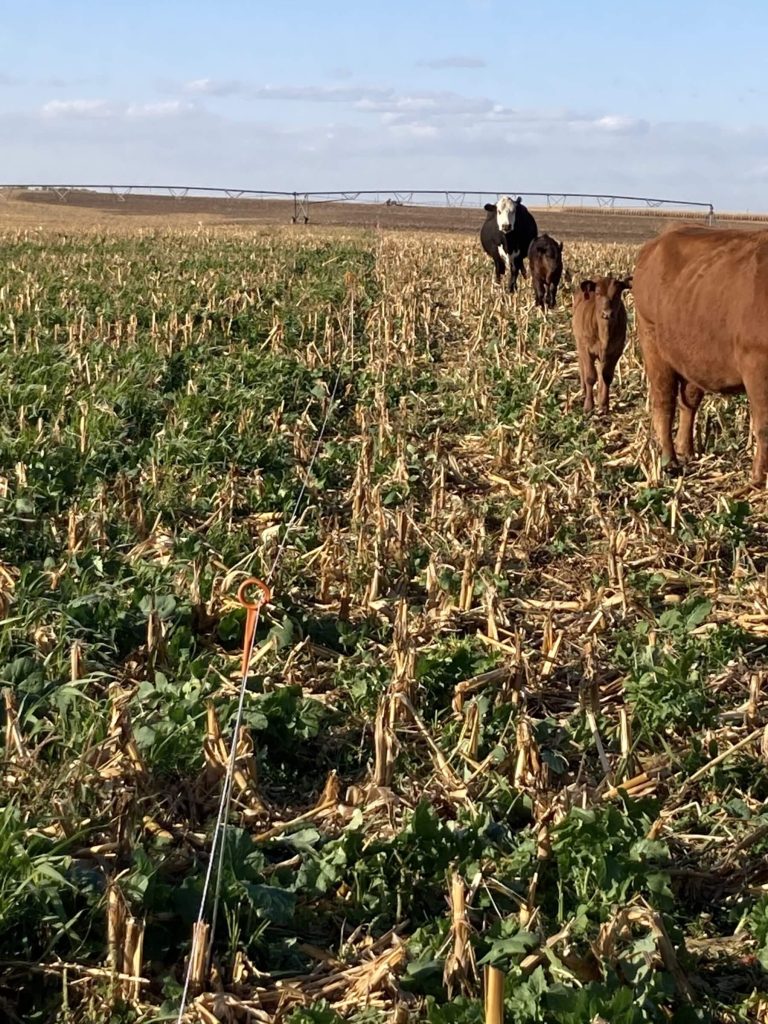
Understanding the Role of Cover Crops
Cover crops are not just an agricultural trend; they represent a transformative approach to enhancing soil fertility and overall farm health. The integration of cover crops into crop rotations has shown tremendous promise in improving soil structure, increasing organic matter, and enhancing the biodiversity of soil microorganisms. By adopting this practice, farmers can create a dynamic environment that supports plant growth while also addressing environmental concerns associated with conventional farming.
The Science Behind Cover Crops
At the heart of the effectiveness of cover crops lies a unique combination of biological and chemical processes. These crops contribute to soil health in several critical ways:
- Biodiversity – Introducing different species of cover crops not only enhances genetic diversity in the soil but also supports beneficial insects and microorganisms. This biodiversity is essential for fostering a balanced ecosystem, which can lead to improved pest and disease resistance.
- Soil Structure Improvement – The roots of cover crops penetrate the soil, creating channels that improve aeration and water infiltration. Over time, this leads to a crumbly soil texture that enhances root growth for future crops.
- Organic Matter Addition – When cover crops are terminated, they decompose, adding organic matter to the soil. This process increases the soil’s nutrient-holding capacity and enhances overall fertility. As organic matter breaks down, it releases nitrogen and other essential nutrients, providing a natural source of fertilizer for subsequent crops.
- Nitrogen Fixation – Certain species of cover crops, particularly legumes, have the innate ability to fix atmospheric nitrogen into the soil. This process not only enriches the soil nutrient profile but also reduces the need for synthetic fertilizers, leading to cost savings and reduced pollution.
Cover crops thrive in various climates and soil types across the United States. Farmers can select crops based on their specific goals and localized conditions. For example, in northern states, winter rye can grow vigorously and provide soil protection during the harsh winter months. Conversely, southern farmers might consider planting cowpeas or buckwheat due to their adaptability and growth patterns in warmer weather.
Choosing the Right Cover Crops
Deciding which cover crops to use can be tailored to the unique goals of a farm. Here are some factors to keep in mind:
- Climate – Different cover crops flourish in different weather conditions. Understanding local climate patterns will help farmers choose those that are most likely to succeed.
- Soil Type – Assessing the soil conditions can guide farmers toward selecting cover crops that will improve their specific soil issues, whether that be erosion, compaction, or nutrient deficiency.
- Crop Rotation Goals – Coordinating cover crops with existing crop rotations can maximize their benefits. For example, a farmer could plant legumes before a corn crop to ensure ample nitrogen availability.
- Economic Factors – Aligning cover crop choices with financial goals, such as cost-effectiveness and market demand, can also play a crucial role in decisions.
As farmers further explore the world of cover crops, they will be empowered to cultivate not only their crops but also a thriving ecosystem that supports sustainable agriculture for generations to come.
| Category | Advantages |
|---|---|
| Soil Erosion Control | Cover crops significantly reduce soil erosion by providing a protective cover for the soil, ensuring that it remains intact during heavy rainfall. |
| Nutrient Retention | These crops enhance soil fertility by capturing nutrients that would otherwise leach away, thereby enriching the soil for subsequent plantings. |
The use of cover crops not only supports sustainable agricultural practices but also promotes biodiversity in the soil ecosystem. As farmers experiment with different types of cover crops, such as clover, rye, and vetch, they discover varying benefits that extend beyond mere soil fertility. These plants can host beneficial microorganisms, improve soil structure, and even suppress weeds, reducing the need for chemical herbicides. Incorporating cover crops into a regular farming routine can lead to long-term benefits, showcasing a commitment to soil health that resonates with eco-conscious consumers. Transitioning to these practices may require initial adjustments, but the dividends they pay in terms of enhanced soil productivity and reduced reliance on synthetic fertilizers are evident in improved crop yields and resilience against climate fluctuations. By seamlessly integrating these practices, farmers not only contribute to the sustainability of their operations but also help ensure food security for future generations. Cover crops represent a forward-thinking approach to agriculture, marrying tradition with innovation for a healthier planet.
DISCOVER MORE: Click here to uncover the benefits of soil layering!
Implementing Cover Crops in Your Farming Routine
Integrating cover crops into existing farming practices may initially seem daunting, but with the right strategy and knowledge, it can become a seamless part of crop management. Understanding how to effectively implement these crops can lead to remarkable improvements in soil fertility and productivity.
Timing is Everything
The timing of planting and terminating cover crops is critical for maximizing their benefits. Farmers should aim to plant cover crops during the offseason or between cash crop cycles. Typically, this means sowing them in late summer or early fall, allowing them to grow until just before the main crop is planted in spring. Research suggests that allowing cover crops to grow longer can significantly enhance their benefits; for example, rye can grow up to a foot tall within a few months of sowing, creating robust biomass that enriches the soil.
Termination Techniques
How cover crops are terminated is just as crucial as when they are planted. Effective termination methods can prevent competition with cash crops while maximizing the benefits of cover crops. Common termination techniques include:
- Mechanical Termination – Mowing or cutting cover crops at the appropriate growth stage allows for the organic material to lay on the soil surface, returning nutrients and protecting against erosion.
- Herbicidal Termination – Although not completely organic, careful use of herbicides can ensure a non-selective kill of cover crops while preparing the ground for planting.
- Roll-Crimping – This technique involves rolling the cover crops to lay them flat on the soil, which can smother weeds while creating a natural mulch layer that maintains moisture.
Utilizing the right termination method not only influences nutrient release but also helps manage and minimize weed pressure for subsequent crops.
Monitoring Soil Health
To truly evaluate the impact of cover crops on soil fertility, farmers need to monitor key indicators of soil health. Regular testing for soil nutrients, organic matter content, and microbial activity can provide valuable insights. Following the implementation of cover crops, many farmers report increases in nitrogen levels and improvement in soil structure, as evidenced by enhanced water infiltration and reduced erosion. Soil health tests done before and after cover crop seasons can reveal substantial changes in organic carbon levels, with some studies showing increases upwards of 15%!
Overcoming Challenges
While the advantages of cover crops are numerous, several challenges may arise when implementing them. Farmers might face issues such as the initial investment required, competition for moisture and nutrients, or labor-related concerns. It’s essential to create a detailed plan, incorporating:
- Cost-Benefit Analysis – Evaluate the potential return on investment by calculating savings on fertilizers and improvements in yield.
- Field Trials – Start small by trialing diverse cover crops on select parts of the farm to gauge performance before full-scale adoption.
- Education and Resources – Farmers can access extension services, workshops, and local farming networks to learn best practices and experiences from other growers.
Incorporating cover crops into farming operations offers a chance not only to revitalize the soil but also to contribute positively toward sustainable agriculture. These practices hold the potential to shape the future of farming in the United States by promoting resiliency against climate change, enhancing biodiversity, and improving crop yields for long-term success.
LEARN MORE: Click here for effective seasonal pest management tips
Conclusion: Embracing Cover Crops for Sustainable Soil Health
In conclusion, cover crops present an innovative and sustainable approach to enhancing soil fertility while promoting ecological balance in agriculture. By adopting these practices, farmers can significantly improve nutrient cycling, organic matter, and overall soil structure, leading to healthier crops and improved yields.
This guide has highlighted essential techniques such as proper timing for planting and termination, effective management strategies, and the importance of monitoring soil health. Understanding the nuances of these practices can empower farmers to make informed decisions tailored to their unique farming conditions, ultimately leading to long-term resilience and productivity.
Moreover, by addressing challenges such as initial investments and resource management, farmers can transform potential obstacles into opportunities for growth and sustainability. Engaging in field trials and utilizing local resources allows for adaptive learning that enhances the effectiveness of cover crops over time.
As we look to the future of agriculture in the United States, embracing cover crops not only fosters improved soil health but also contributes to a more sustainable and regenerative farming system. These practices play a pivotal role in combating climate change, enhancing biodiversity, and securing food systems for generations to come. Investing in cover crops today can yield dividends for both farmers and the environment, proving that the journey toward soil health is not only achievable but essential for the future of our agricultural landscape.