Colorful Annuals and Perennials: How to Choose Plants for Year-Round Garden Appeal
The Importance of Plant Selection in Garden Design
Transforming your garden into a vibrant display of colors can seem like a daunting task. However, understanding the difference between annuals and perennials is key to achieving year-round garden appeal. By leveraging the strengths of each type of plant, you can create a garden that not only dazzles the eye but also adapts to the changing seasons.
Understanding Annuals and Perennials
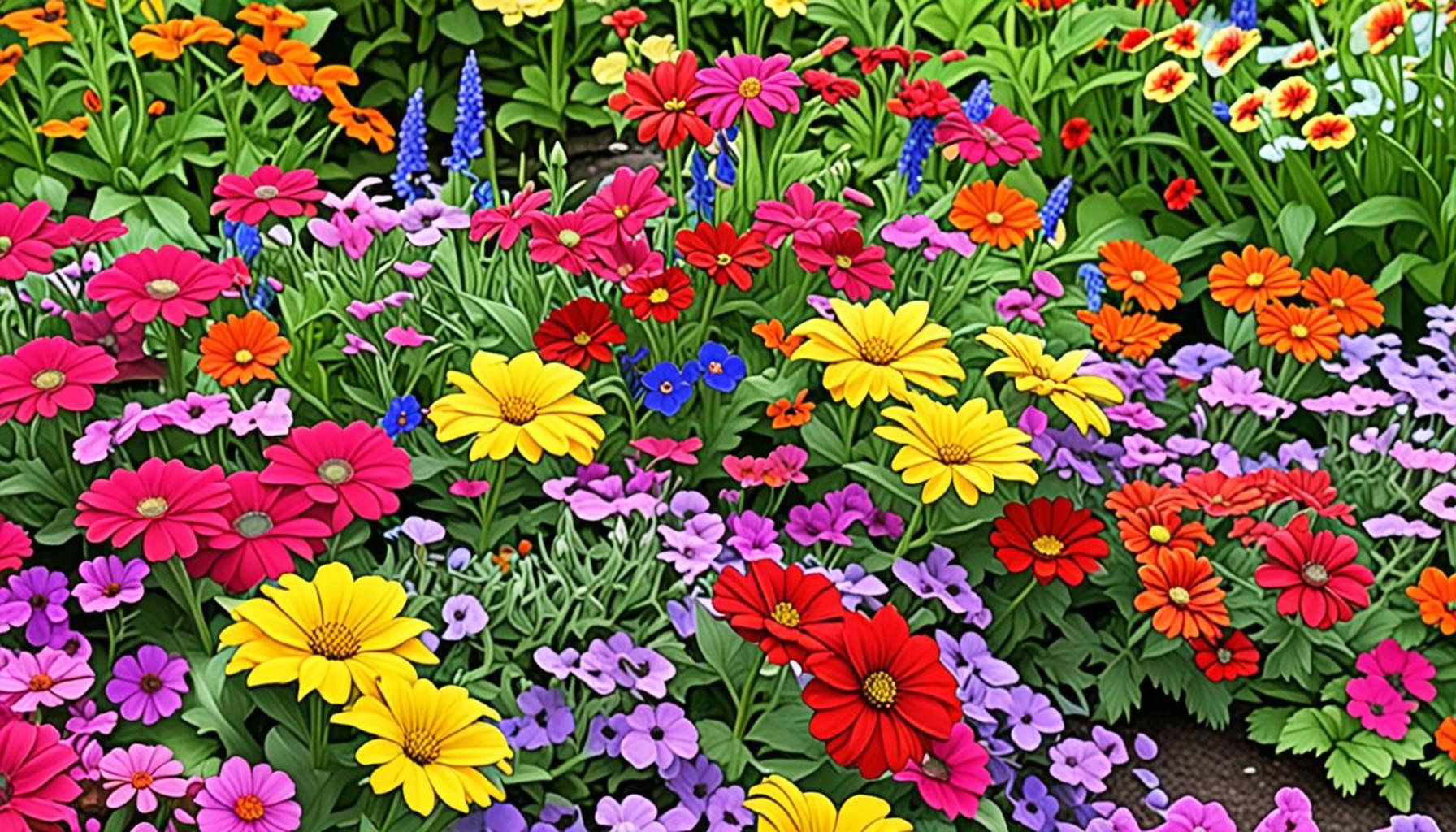
Annuals are plants that complete their life cycle within a single growing season. They offer a rapid burst of color and bloom continuously until the first frost. For instance, varieties like petunias, marigolds, and impatiens are extremely popular in United States gardens for their durability and vibrant hues. If your goal is to create an instantly eye-catching display, annuals can provide that continuous color from spring until fall.
On the other hand, perennials return year after year, slowly developing a more substantial presence in your garden. Popular choices include daylilies, hostas, and peonies. These plants often require less overall maintenance once established, making them an excellent choice for sustainable gardening. By investing in perennials, you are essentially creating a long-lasting foundation for your garden that enhances its beauty with each passing season.
Key Considerations for a Stunning Landscape
- Seasonal Color: Think about how different plants will showcase various colors throughout the year. Annuals will give you that instant gratification with bold blooms, while perennials can offer a more subdued, classic presence that feels integrated into the landscape.
- Maintenance: Annuals typically require more care, as they need to be replanted each year, which can be labor-intensive. In contrast, perennials are generally more sustainable since they survive the winter and require less replanting.
- Height and Texture: Combining plants of varying heights and textures can dramatically enhance visual interest. Taller plants like hollyhocks can provide a backdrop for low-growing varieties such as creeping thyme, creating depth and dimension in your garden design.
Exploring Diverse Plant Options
For those eager to explore the wide variety of plants that can bring their garden to life, consider adding a blend of both annuals and perennials. The juxtaposition not only keeps your garden vibrant and lively but also ensures something is always blooming. When planning, think about how these plants will complement each other throughout the growing seasons.
Whether you’re a novice gardener or a seasoned expert, the right selection can rejuvenate your outdoor space. Dive deeper into how to harmonize these plants and create a landscape that offers continuous beauty and allure. By understanding the unique attributes of both annuals and perennials, you set the stage for a dynamic garden that reflects your personal style and enhances your home’s curb appeal.
LEARN MORE: Click here for innovative pest barrier solutions
Cultivating a Year-Round Garden Palette
As you contemplate the vibrant tapestry of your garden, it’s essential to curate a selection of plants that will not only thrive in your local climate but also provide a symphony of colors throughout the year. The interplay between annuals and perennials offers an opportunity to create a visual masterpiece that evolves with each season. Knowing how to blend these two categories effectively is crucial to maintaining a garden that captures attention and pleases the senses.
The Advantages of Annuals in Your Garden
Annuals, with their brief yet spectacular lifespan, are perfect for those who seek instant gratification and vibrant bursts of color in their outdoor spaces. Select annuals like zinnias, geraniums, and sunflowers that not only flourish under sunlight but also attract essential pollinators such as bees and butterflies. The dazzling array of colors—from deep reds to brilliant yellows—can serve to enhance the architectural features of your home or create focal points around patios and entranceways.
It’s important to consider the duration of your growing season after planting annuals. Many annuals will bloom from the last frost in spring till the first frost in autumn, thus extending the visual appeal of your garden. To maximize success, plan for staggered planting schedules. Opt for an array of early-blooming varieties like pansies that bring color to your garden long before others wake from their winter slumber.
The Longevity of Perennials
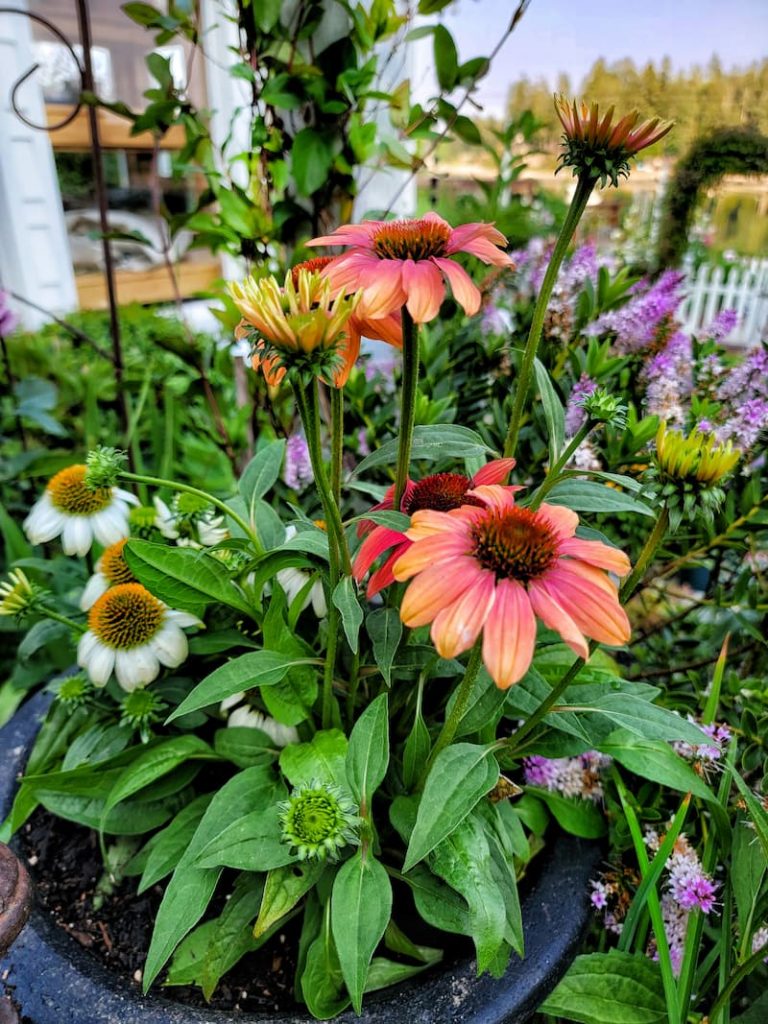
In contrast, perennials are the backbone of a sustainable garden, capable of reinvigorating your landscape year after year. While annuals grab immediate attention, perennials build a lasting presence with a more subtle beauty. Plants like lavender, aster, and coneflowers will not only return each spring but will often spread, providing an ever-expanding canvas of colors and textures.
Choosing perennials involves assessing their hardiness for your specific USDA planting zone. For instance, coreopsis and sedum thrive in USDA zones 3-9, making them versatile options for many gardeners across the United States. As these plants mature over the years, they will contribute to the overall biodiversity of your garden, providing habitats for beneficial insects and wildlife.
Creating a Cohesive Garden Design
To achieve true garden appeal, a harmonious balance of annuals and perennials is essential. Here are key factors to consider when integrating these two plant types:
- Color Schemes: Incorporate a variety of colors with annuals to create focal points while allowing perennials to establish a cohesive backdrop.
- Bloom Time: Plan for overlapping bloom times—select early, mid, and late bloomers in both categories to maintain a continuous display of flowers.
- Density and Grouping: Arrange plants in clusters to create impact and ensure that your garden has depth and interest from different angles.
By thoughtfully combining annuals and perennials, you can ensure that your garden remains engaging and colorful, transforming it into a landscape that reflects your personality and style year-round. As the seasons change, your garden will become a living testament to the beauty of nature’s cycles.
Understanding the Essentials of Annuals and Perennials
When designing a vibrant garden, the choice between annuals and perennials plays a pivotal role. Both plant types can contribute to a spectacular display, but they have distinct characteristics that may influence your decisions. Annuals are plants that complete their lifecycle in one growing season, allowing for frequent changes and a variety of colors each year. This dynamic nature makes them ideal for those who love to refresh their garden aesthetics regularly. In contrast, perennials return year after year, establishing a more stable foundation while still offering splendid blooms.
The Role of Climate and Soil
Choosing the right plants also heavily depends on your local climate and soil type. Gardens in colder regions may benefit from hardy annuals and perennials that can withstand frost, while warmer climates can support a wider range of tropical species. Additionally, conducting a soil test can ensure you understand the nutrient composition, aiding in the selection of plants that will thrive best in your garden. Pairing knowledge of your environment with an understanding of plant resilience can produce awe-inspiring results.
Creating Visual Harmony
To achieve a year-round appeal, it is essential to consider the color palette and seasonal interest. Layering plants that bloom in different seasons ensures there is always something captivating to observe. For instance, combining spring-blooming perennials like peonies with summer annuals such as zinnias creates a continuous flow of color and texture.
Maintenance and Care Requirements
Maintenance is another critical aspect to consider when selecting plants. Some annuals may require more frequent watering and deadheading, while perennials typically need less intervention once established. Understanding the upkeep each plant requires can help you build a garden that fits your lifestyle.
| Advantages | Benefits |
|---|---|
| Vibrant Variety | Choose from a wide selection of colors and sizes to create stunning landscapes. |
| Seasonal Changes | Annuals allow for seasonal rotation and trends, offering creative opportunities each year. |
| Low Maintenance | Once established, perennials often require less care, saving time and effort. |
| Long-Term Resilience | Perennials provide continuous beauty and can adapt over time to their environment. |
By thoughtfully blending annuals and perennials, gardeners can create a vibrant, engaging space that celebrates the beauty of every season. Exploring various plant species and their unique characteristics will inspire new designs and gardening techniques, enriching your gardening experience.
DISCOVER MORE: Click here to learn about using essential oils
Strategizing for Seasonal Interest
When it comes to cultivating a garden that dazzles throughout the year, understanding seasonal interest is paramount. This means selecting annuals and perennials that not only bloom at different times of the year but also add visual appeal through foliage, structure, and texture. The secret lies in anticipation—by planning for a dazzling display each season, you can create a garden that never falls flat.
Year-Round Foliage and Structure
While blooms often steal the show, the importance of foliage and garden structure cannot be overstated. Plants like hostas and ornamental grasses offer lush greenery that persists even when flowers fade. For instance, the variegated leaves of hostas provide stunning contrast, particularly against the burst of color from mid-summer annuals like marigolds and petunias. When planning your garden, incorporate varieties that showcase different leaf shapes and colors, ensuring your space remains visually captivating, regardless of blooming status.
Additionally, structural elements, such as trellises and garden art, can be enhanced by strategically placing climbing annuals like nasturtiums and sweet peas. These plants not only add height and dimension but also create living works of art that can change with the seasons. Incorporating such structural features can act as a canvas, allowing your colorful annuals and resilient perennials to shine even brighter.
Longevity through Plant Companionship
Another strategy to maintain year-round appeal is to utilize companion planting. This method builds a harmonious ecosystem by pairing plants with complementary growth habits and bloom cycles. For example, pairing black-eyed Susans (a perennial) with annual companions like cosmos not only brings diverse colors to your garden but also extends the blooming period, creating a vibrant spectacle that captures the eye from late spring through early fall.
Furthermore, consider the synergistic benefits of grouping plants based on their water and light requirements. By creating microclimates within your garden, you can house variation and produce an abundance of lush areas without the struggle of competing demands. With thoughtful arrangement, plants can thrive side by side, maximizing growth and visual interest.
Native Plants: Sustainability and Beauty
Incorporating native plants into your garden design can yield the dual benefit of enhancing local biodiversity and ensuring a low-maintenance garden. Native perennials such as echinacea (coneflower) and rudbeckia (black-eyed Susan) are not only resilient but also provide critical support to local pollinators. Choosing native annuals like California poppies can also infuse your space with vibrant, lively colors, reinforcing a rich connection to your natural surroundings.
Moreover, native plants often require less water and fewer resources to grow, making them an environmentally friendly choice that allows your garden to flourish with minimal input. These plants can yield a stunning display while also fostering an ecosystem that supports birds, bees, and other beneficial wildlife.
Caring for Your Colorful Choices
Finally, the health and vitality of your annuals and perennials will depend significantly on proper maintenance practices. Regular deadheading of spent blooms in annuals encourages continued flowering, while perennials benefit from well-timed pruning post-bloom. Understanding the unique care needs of your chosen plants—whether it’s about soil conditions or water requirements—will enhance their longevity and overall contribution to your year-round garden appeal.
By implementing these strategies, your garden will evolve into a vibrant showcase of color, texture, and life that withstands the test of time and seasons, captivating both the eye and heart of all who visit.
DISCOVER MORE: Click here to learn about seasonal soil preparation
Conclusion
Creating a stunning garden that captivates the senses year-round is within your reach by skillfully selecting colorful annuals and perennials. The key lies in strategically planning your plant choices—taking into account seasonal interest, foliage variety, and companion planting practices. With a keen eye for not only blooms but also the structure and texture of your plants, you can develop a garden that thrives in every season.
Emphasizing native plants not only enhances the aesthetic value of your garden but also fosters biodiversity, offering support to local wildlife such as bees and butterflies. These low-maintenance options can provide vibrant colors while requiring fewer resources. Additionally, maintaining your plants through dedicated care—like deadheading and pruning—will ensure their longevity, keeping your garden vibrant and visually engaging throughout the year.
By embracing these guiding principles in your gardening journey, you are poised to cultivate a dynamic space that evolves in color and character with each passing season. Whether you are a seasoned gardener or just beginning, your pathway to a year-round flourishing garden is paved with the diverse and captivating world of annuals and perennials. Explore the possibilities, allow your creativity to flourish, and experience the joy of a garden that is as colorful in the winter as it is in the summer.