Choosing the Right Plants for Your Home Garden: A Beginner’s Guide
The Exciting World of Home Gardening
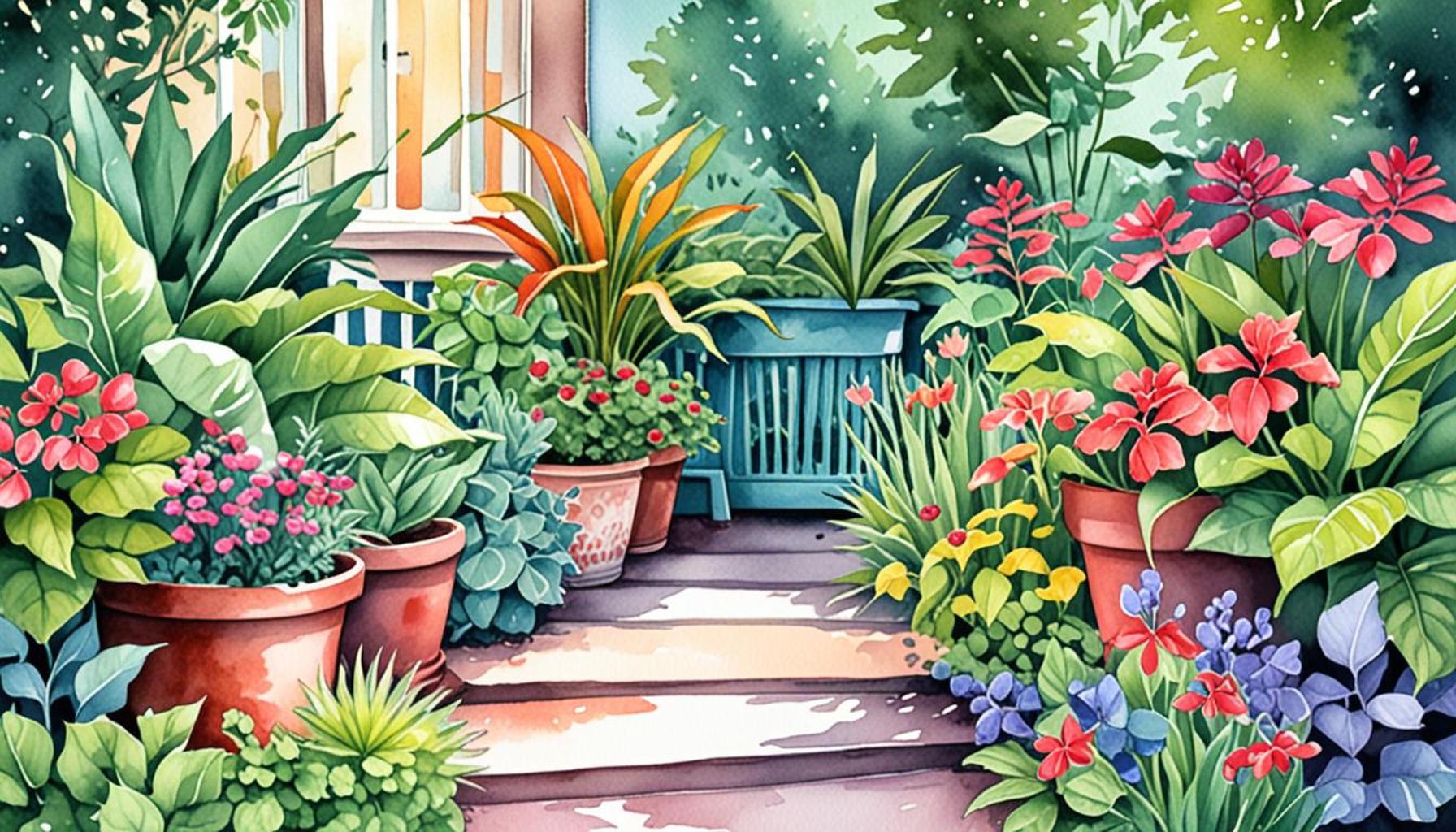
Embarking on a home gardening journey can be both thrilling and daunting. With countless plant options available, it’s essential to navigate this vibrant landscape strategically. Choosing the right plants isn’t just about aesthetics; it’s about creating a thriving ecosystem that reflects your personal style while flourishing in your local environment. The right selection can transform your outdoor space into a sanctuary that provides tranquility and beauty.
Key Considerations for Plant Selection
As a beginner, consider the following factors when selecting plants:
- Climate: Different plants thrive in various climates. Understanding your USDA Hardiness Zone is crucial for selecting plants that will thrive in your area. For instance, if you live in Zone 5, your garden can successfully host hardy perennials such as lavender and peonies, while more delicate species may struggle.
- Sunlight: Assess how much sunlight your garden receives daily. Some plants require full sun, such as tomatoes and marigolds, while others prefer the cooler environment of partial or full shade, like ferns and hostas. Observing the sunlight patterns in your garden throughout the day is essential for plant health.
- Soil Type: Evaluate the type of soil in your garden. Sandy soil drains quickly and is suitable for drought-resistant plants like succulents, while clay soil retains moisture, making it perfect for moisture-loving species like irises. Consider performing a soil test to understand its pH and nutrient levels, adjusting as necessary for optimal plant performance.
Maintenance Levels to Consider
Moreover, think about the level of maintenance you’re comfortable with. Are you looking for:
- Low-maintenance plants that require little care, such as succulents and herbs like basil or rosemary? These options are perfect for busy individuals who still want to engage with nature.
- Medium-maintenance options like perennials that bloom vibrantly, including coneflowers and daisies, which, while requiring some deadheading, offer dazzling colors each year without needing to be replanted.
- High-maintenance varieties that may need regular pruning and care, such as roses or ornamental shrubs like hydrangeas? These plants typically offer a rich payoff in beauty, demanding a bit more effort to achieve stunning results.
The Joy of Cultivating Your Garden
Ultimately, cultivating your home garden is a rewarding venture that fosters creativity and tranquility. As you delve deeper into the world of gardening, consider exploring native plants that flourish in your region; not only do these tend to thrive without extensive care, but they also support local wildlife. By understanding essential aspects of plant selection, you can build a garden that not only flourishes but also brings you joy for years to come. Whether you are a casual admirer of flowers or a budding vegetable gardener, the possibilities are endless in creating your personal outdoor oasis.
DISCOVER MORE: Click here to learn how to create a seasonal planting calendar
Understanding Plant Types and Their Needs
Choosing the right plants for your home garden begins with a clear understanding of the various types of plants available and their specific needs. This knowledge not only enriches your gardening experience but also ensures that you create a harmonious environment that promotes growth and sustainability.
Annuals vs. Perennials
One key distinction to consider is the difference between annuals and perennials. Annuals complete their life cycle within one growing season, meaning they grow, bloom, and die in a single year. These vibrant plants, including popular choices like petunias and zinnias, provide excellent color and visual interest but require replanting each spring. They are perfect for beginners looking to experiment with different colors and arrangements without the commitment of long-term care.
On the other hand, perennials come back year after year, making them a wonderful investment for your garden. Plants such as daylilies or black-eyed Susans establish roots that grow deeper over time, providing stability and resilience. While they may require an initial investment of time and care to establish, the return in enduring beauty and maintenance ease makes them highly sought after.
Deciduous vs. Evergreen
Another important aspect to consider is whether you want deciduous or evergreen plants in your garden. Deciduous plants, like maples and oaks, lose their leaves in the fall, revealing bare branches during winter months. This can create striking architectural interest during the colder seasons; however, your garden will appear different throughout the year.
Conversely, evergreens, including varieties like pines and boxwoods, retain their foliage year-round, offering consistency and a continuous backdrop for other seasonal plants. Incorporating a mix of both can provide depth and complexity to your garden design, helping to maintain visual interest and texture throughout the year.
Choosing Edible Plants
If growing your own food excites you, consider opting for edible plants. Herbs such as basil, cilantro, and parsley are easy to grow even in small spaces and provide fresh flavor to your cooking. Vegetables like carrots, lettuce, and tomatoes can yield rewarding harvests, bringing the farm-to-table experience directly to your backyard.
However, growing edible plants does come with its own set of requirements, including adequate sunlight and regular watering. When selecting these plants, consider your culinary preferences, the space you have available, and the growing season in your area. Consulting local resources, such as your cooperative extension service or garden centers, can provide insight into the plants that flourish in your specific region.
In summary, understanding the differences between plant types will empower you to choose wisely for your home garden. Whether you prefer colorful annuals, resilient perennials, consistent evergreens, or rewarding edibles, each choice contributes to a vibrant and fulfilling gardening experience. As you explore plant selection, remember to consider compatibility with local conditions and your own gardening goals.
Understanding Your Environment
Before diving into the introduction of various plants, it’s crucial to understand the environment where they will thrive. Various factors, such as climate, soil type, sunlight, and moisture levels, significantly influence plant growth. Familiarize yourself with hardiness zones, as these zones indicate the types of plants that can survive in your climate.
Sunlight Considerations
Assessing sunlight is paramount for success in your home garden. Most plants fall into specific categories based on their sunlight requirements: full sun, partial shade, or full shade. For instance, vegetables like tomatoes and cucumbers prefer full sun (6-8 hours of direct sunlight), while leafy greens such as lettuce thrive in partial shade. Document the sunlight patterns in your garden space throughout the day to choose plants accordingly.
Soil Quality and Preparation
Soil quality is another essential element of plant selection. Conduct a soil test to identify its pH level and nutrient content. Some plants, like azaleas, flourish in acidic soil, while others prefer alkaline conditions. Amending your soil with compost can improve its texture and nutrient availability, allowing a wider range of plants to flourish. Remember, healthy soil translates to healthy plants.
Watering Needs
Watering needs vary dramatically among plant species. While some are drought-tolerant, others require consistent moisture. Understanding your watering options, such as utilizing drip irrigation or soaker hoses, can help you manage these needs efficiently. Always consider how much time you can dedicate to garden maintenance to ensure the plants thrive.
Choosing Appropriate Plants
Now that you understand your environment, it’s time to make plant selections. Begin by choosing a mix of perennials and annuals to ensure color and interest throughout the growing seasons. Native plants are also a fantastic option as they are well-adapted to local conditions, require less maintenance, and attract beneficial wildlife. As you select plants, take into account their growth habits, size, and bloom time to orchestrate a harmonious garden.
| Category | Key Features |
|---|---|
| Perennials | Last for several years; provide consistent color. |
| Annuals | Complete their life cycle in one season; great for seasonal variety. |
| Native Plants | Adapted to local climate; low maintenance and boost biodiversity. |
Once you’ve selected the right plants, the excitement of curating your home garden truly begins. Planting techniques, spacing, and companion planting can further enhance growth and health.
DIVE DEEPER: Click here to discover how to use essential oils as natural repellents
Assessing Your Garden Space and Climate
Before diving into the world of planting, it’s essential to analyze the specifics of your gardening space and climate. This assessment lays the foundation for making informed choices about which plants will thrive in your garden’s unique environment.
Sunlight and Shade
One of the most crucial factors to consider is the amount of sunlight your garden receives. Different plants have varying sunlight requirements; some flourish in full sun, while others thrive in partial or full shade. For instance, if you have a sunny garden area, consider planting heat-loving plants such as lavender or petunias.
In contrast, shaded areas can be enhanced with hostas or ferns, which add lush greenery without needing direct sunlight. To determine sun exposure, observe your garden throughout the day and note how much sunlight each section receives. This will help you group plants according to their light needs, maximizing their chances for growth.
Soil Quality and Type
Your garden soil significantly influences plant health and productivity. Assessing the soil quality involves checking its composition, texture, and pH levels. Most plants prefer a well-draining soil that is rich in organic matter.
To improve soil quality, consider conducting a soil test to understand its nutrient levels and pH balance. This can guide you on whether you need to amend your soil with compost, fertilizers, or specific soil conditioners. For instance, if your soil is too acidic, adding lime can help neutralize it, making it more suitable for plants that prefer neutral conditions.
Climate Considerations
In addition to sunlight and soil, understanding your local climate is critical when selecting plants. The United States has diverse climate zones, ranging from temperate to tropical, and each zone supports different flora. Familiarize yourself with the USDA Plant Hardiness Zone Map, which helps gardeners identify which plants are most viable in their regions based on seasonal temperature variations.
For instance, if you live in a region with harsh winters (such as in the Northeast or Midwest), opt for cold-hardy perennials like sedums or coneflowers that can survive frost and snow. Conversely, if you live in warmer climates (like the Southeast or Southwest), you might explore drought-tolerant species like succulents or agaves that thrive with minimal rainfall.
Water Availability and Management
Water availability is another fundamental element of garden planning. Different plants have varying irrigation requirements; some thrive in wet soil, while others need well-drained conditions. Establish a sustainable watering strategy aligned with your plant choices, taking into account local water restrictions that may be in place.
Implementing a rainwater collection system or using drip irrigation can help manage water usage effectively while supporting the health of your plants. Additionally, familiarizing yourself with seasonal rainfall patterns can inform you when to supplement your garden with water.
In summary, by evaluating the sunlight, soil quality, climate, and water availability in your garden, you can narrow down your plant selection to those best suited for thriving in your unique environment. This detailed understanding not only enriches your gardening journey but also opens up a world of possibilities to create a flourishing garden that meets your aesthetic and practical needs.
DISCOVER MORE: Click here to learn about pollinator-friendly plants
Conclusion: Cultivating Your Perfect Garden
Choosing the right plants for your home garden is both a science and an art, intertwining your personal preferences with factual insights about your growing environment. By carefully evaluating aspects such as sunlight exposure, soil quality, local climate, and water management, you empower yourself to make informed decisions that will ultimately shape the success of your gardening endeavor.
As a beginner, it’s crucial to remain patient and observant. Not every plant will flourish immediately; gardening is a learning process. You may discover that some plants are resilient while others demand more of your attention. Moreover, consider starting with native plants, known for their adaptability and low maintenance needs, providing a rewarding experience for new gardeners.
Additionally, don’t shy away from experimenting with a variety of plants. Mix perennials with annuals to enjoy vibrant color bursts throughout the seasons, or introduce herbs for culinary uses. As you grow your knowledge base and gardening skills, you’ll find that your options will expand, allowing for more creativity and diversity in your garden design.
Lastly, embrace the community around gardening—from local gardening clubs to online forums where you can exchange tips and advice. With the right plants and a foundation of knowledge, your garden can flourish into a beautiful, personalized space, fulfilling both aesthetic and practical needs for years to come. Happy gardening!