Choosing Plants for Wildlife Gardens: How to Create a Sanctuary for Birds and Small Animals

Understanding the Importance of Wildlife Gardens
Creating a wildlife garden is an ever-growing trend among gardeners seeking to foster a harmonious relationship with nature. This movement not only caters to aesthetic preferences but also takes a step toward sustainable living. By choosing the right plants, you can transform your outdoor space into a vibrant sanctuary for birds, small animals, and even beneficial insects.
The benefits of cultivating a wildlife garden extend far beyond mere beauty. For instance, these gardens play a critical role in enhancing local ecosystems, providing essential resources for wildlife that may otherwise struggle to find food and shelter. Here are a few key advantages of planting native species:
- Enhanced biodiversity: By incorporating a variety of native plants, you offer food and habitat for a diverse range of wildlife, including pollinators like bees and butterflies, as well as birds and mammals. A higher number of species contributes to the overall health of the ecosystem.
- Natural pest control: A wildlife garden encourages beneficial insects, such as ladybugs and lacewings, which help manage pest populations naturally, reducing the need for chemical pesticides.
- Sustainability: Native plants are typically more drought-resistant and require less maintenance compared to non-native species. This attribute can significantly reduce water usage and make the garden easier to care for.
The Power of Native Plants
When selecting plants for your wildlife garden, focusing on native varieties is essential. These species have evolved to thrive in local conditions, making them the best choice for attracting and supporting local wildlife. For example:
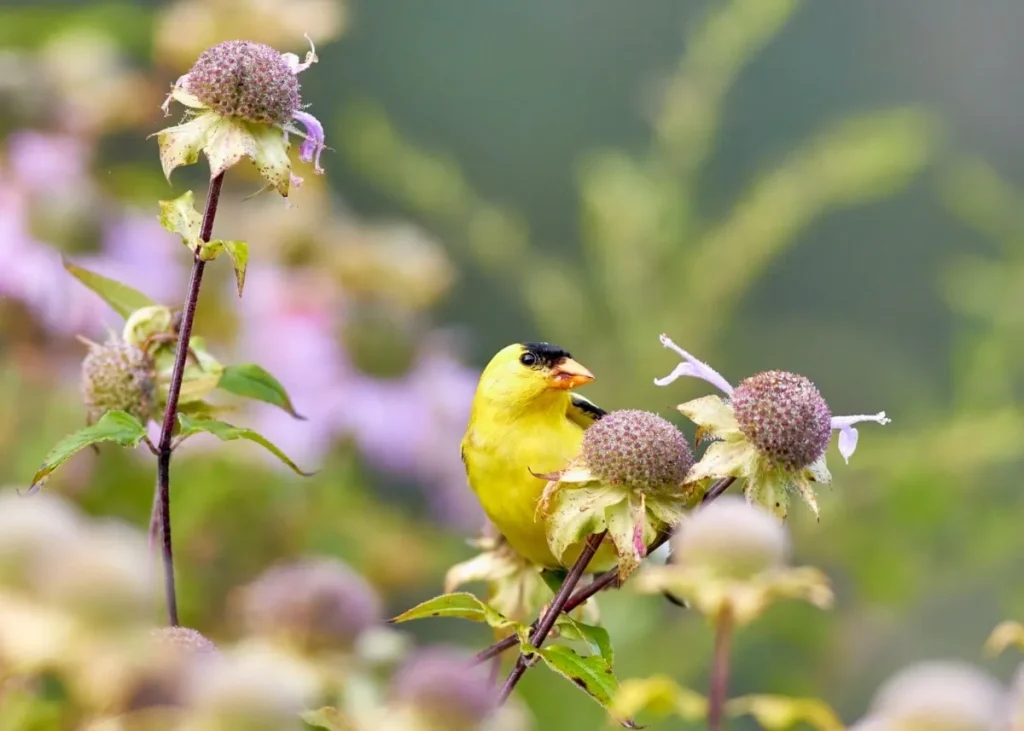
- Black-eyed Susan: This hardy perennial not only adds vibrant yellow color to your garden but also attracts butterflies and goldfinches, creating a lively atmosphere.
- Echinacea (Coneflower): Known for its striking daisy-like flowers, Echinacea is a favorite of pollinators, particularly bees and butterflies, and can bloom throughout the summer.
- Milkweed: Serving as a critical habitat for monarch butterflies, milkweed is not only a beautiful addition to your garden but also plays a vital role in the life cycle of this iconic species.
Designing Your Wildlife Oasis
In addition to plant selection, incorporating elements like water features and shelter can further enhance your wildlife garden. A small pond or birdbath serves as a crucial water source, attracting various species and encouraging them to visit your garden regularly. Furthermore, adding nesting boxes, brush piles, or rock piles provides essential shelter and breeding sites for birds and small mammals.
Creating a wildlife garden is more than an effort to beautify your outdoor space; it’s an investment in local ecology and sustainability. By carefully curating your plant selection and design elements, you can create a thriving ecosystem right in your backyard. As you observe the wildlife that takes up residence in your garden, take a moment to appreciate the role you play in supporting these species and consider the wider implications of your gardening practices. Each small step contributes to the larger goal of protecting our invaluable natural habitats, making your garden not just a space for aesthetics, but a beacon of nature’s resilience.
DISCOVER MORE: Click here to learn about soil layering techniques
Choosing the Right Plants for a Thriving Wildlife Habitat
When embarking on the journey to create a wildlife garden, the importance of plant selection cannot be overstated. The right plants provide food, shelter, and breeding grounds for various species, making them the cornerstone of any successful wildlife sanctuary. Understanding the specific needs of the wildlife you wish to attract is vital, and choosing a diverse array of native plants will enhance the ecological value of your garden.
Native plants are particularly important because they co-evolved with local wildlife, creating intricate relationships that foster healthy ecosystems. Using regional flora not only supports local birds and animals but also minimizes maintenance, as these plants are adapted to the climate and soil conditions of your area. Here are some categories of plants to consider:
- Wildflowers: Bright, colorful blooms attract a variety of pollinators, making your garden alive with buzzing bees and fluttering butterflies. Wild geraniums, bluebells, and prairie clover are excellent choices that thrive in many regions across the United States.
- Natives Grasses: Grasslands provide essential cover and foraging areas for small mammals and ground-nesting birds. Species like big bluestem and Indian grass are not only drought-resistant but also offer habitat for wildlife.
- Berry-Producing Shrubs: Consider planting shrubs such as serviceberry or elderberry. These not only provide fruits for birds and small mammals, but also contribute to striking seasonal changes in your garden.
Each plant plays a unique role in maintaining the ecosystem’s health. For instance, when selecting trees, opt for oaks, maples, or pines, which provide nuts and berries that sustain many species. As birds seek refuge in these trees for nesting, the presence of robust biodiversity continues to flourish. A garden with native trees, shrubs, and perennials is not only pleasing to the eye but also a safe haven for wildlife.
Moreover, it’s important to consider the plant’s bloom and fruiting times for a year-round offering of resources. Including plants that flower at different times ensures that there is always a source of nectar available for insects and birds throughout the seasons. Early bloomers, like trout lily or spring beauty, are critical for returning pollinators in the spring, while late bloomers such as goldenrod provide sustenance as autumn colors the landscape.
By creating these layers of native plant life, you are not just providing a feast; you are establishing a complex habitat that encourages wildlife to thrive. Observing the interactions between different species in your garden can lead to a deeper understanding of ecological relationships and inspire a commitment to environmental stewardship. The choices you make today in your garden can reverberate throughout the local ecosystem, making a profound impact on the health of your surrounding environment.
In order to create a thriving wildlife garden that effectively attracts and supports both birds and small animals, it’s crucial to select the right plants. The first step is to consider the plant’s native status. Native plants are best suited to local wildlife, as they have co-evolved with them, providing essential food and habitat. For instance, native flowering plants can attract pollinators, while specific shrubs offer perfect nesting sites for various bird species. Another critical aspect is employing a variety of plant structures and heights. Layering plants—from low ground covers to tall trees—creates a diverse habitat that supports many wildlife species. Additionally, incorporating plants that produce berries or seeds can provide vital food sources during crucial seasons. It’s also important to think about the blooming periods of plants. To ensure a food supply throughout the year, select a mixture that includes early, mid, and late bloomers. This will help sustain insects during their active seasons while catering to birds migrating or overwintering in your garden.Finally, don’t overlook the importance of moisture. Including water plants or providing water features such as birdbaths or small ponds can attract a variety of wildlife. Water sources are essential for drinking and bathing, leading to healthier, more vibrant wildlife communities.By carefully choosing the right combination of plants, your wildlife garden can become a sanctuary that not only beautifies your space but also contributes positively to local biodiversity. Each addition you make nurtures the landscape and fosters ecological balance, inspiring others to replicate your efforts in creating similar havens.
DISCOVER: Click here to learn about companion planting
Enhancing Your Wildlife Garden with Plant Diversity
To create a sanctuary that attracts a wide array of wildlife, considering plant diversity is essential. A diverse plant palette supports various insects, birds, and small animals, as different species have distinct preferences and requirements. By incorporating a mix of trees, shrubs, perennials, and groundcovers, you create a multi-layered habitat that offers food, shelter, and nesting grounds for wildlife.
Another critical aspect of selecting plants is to consider their growth habits and how they interact with one another. For instance, tall plants provide vertical structure, creating more layers within the garden. Consider planting sunflowers, which can reach impressive heights and serve as food sources for seed-eating birds like finches while providing cover for smaller creatures below. Similarly, incorporating plants with sprawling growth habits such as groundcovers like creeping thyme or wild violets can create safe zones for animals to hide from predators.
Creating a Pollinator-Friendly Landscape
Becoming a sanctuary for birds and small animals also means inviting pollinators into your garden. A healthy population of bees, butterflies, and other vital creatures ensures the ongoing reproduction of flowering plants, which ultimately enriches the habitat. Opt for plant species known for attracting these pollinators, such as coneflowers, milkweed, and asters. Butterfly milkweed, particularly, is crucial for the lifecycle of monarch butterflies, providing both food and habitat for their caterpillars.
When designing your wildlife garden, try to create clusters of the same plant species, as this not only enhances the visual appeal but also makes it easier for pollinators to forage efficiently. Additionally, including plants with varied bloom shapes, sizes, and colors caters to the needs of different pollinator species, enriching your garden’s biodiversity.
Consider the Role of Foliage and Bark
Foliage and bark texture also play significant roles in supporting various wildlife. For example, shrubs with dense foliage, such as junipers and arborvitaes, act as excellent overwintering spots for many small animals and birds. These plants provide thermal protection during cold winters, emphasizing the importance of including evergreen varieties alongside deciduous ones in your sanctuary. Furthermore, species like birches or willows with attractive bark can provide foraging opportunities and nesting sites for certain birds, while also serving as attractive features in the landscape.
Finally, it is essential to adopt an integrated approach when choosing plants. Beyond food and shelter, many plants contribute to the overall health of your wildlife garden by improving soil quality and encouraging beneficial insects. For instance, planting legumes, such as clover or beans, can enhance soil nutrient content, benefiting both weeds and more sought-after plants. Implementing such strategies creates a balanced environment where wildlife can flourish, ultimately leading to a thriving ecosystem in your backyard.
As you embark on this journey to establish a wildlife garden, remember that your plant choices will not only beautify your landscape but also contribute to critical ecological functions. Whether it’s providing nectar, offering shelter, or improving soil quality, each plant plays a role in nurturing local wildlife. Embrace this responsibility, and create a haven where nature can thrive, fostering connections between your gardening efforts and the delicate balance of the local ecosystem.
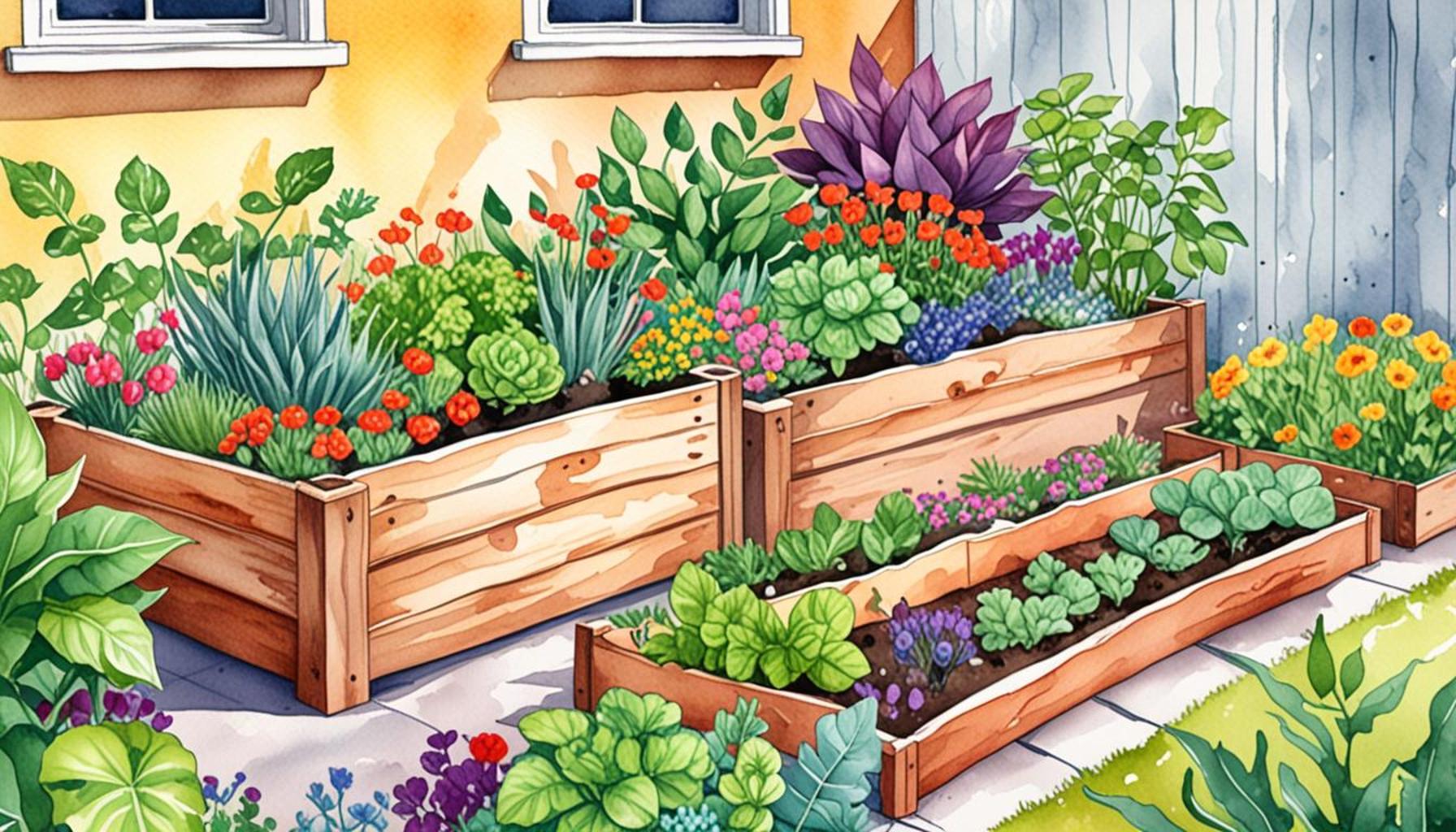
DISCOVER MORE: Click here for tips on using raised beds
Conclusion: Cultivating a Wildlife Garden Sanctuary
Creating a wildlife garden is a rewarding endeavor that not only enhances the beauty of your landscape but also plays a crucial role in supporting local ecosystems. By choosing the right plants, you foster a habitat that invites a multitude of birds, pollinators, and small animals, enriching biodiversity and promoting environmental health. The careful selection of diverse plants—including trees, shrubs, flowers, and groundcovers—forms a resilient network of food sources and natural shelters, ensuring that various species thrive amidst the changing seasons.
Emphasizing plant diversity is key to your sanctuary’s success. By integrating plants that appeal to different wildlife needs, such as nesting sites and foraging opportunities, you cater to a wide range of species and create a dynamic ecosystem. Integrating native plants is especially beneficial, as they are better adapted to local conditions and provide food sources for native fauna.
As you cultivate this wildlife haven, consider the overall ecological impact of your choices. Each plant contributes not only to aesthetics but also to soil health, facilitating a vibrant environment that encourages the presence of beneficial insects and pollinators essential for plant reproduction. Remember, a thriving wildlife garden is not built overnight; it requires patience and ongoing care. Each step taken to enhance habitat quality positively impacts local wildlife communities.
In conclusion, by diligently selecting plants that foster a balanced and diverse ecosystem, you’ll create a sanctuary for birds and small animals in your backyard. This initiative will not only reconnect you with nature but also inspire others to join in preserving and enhancing wildlife habitats. So grab your gardening tools, and let the transformation begin—your wildlife sanctuary awaits!