Choosing Medicinal Plants: A Beginner’s Guide to Growing Healing Herbs at Home
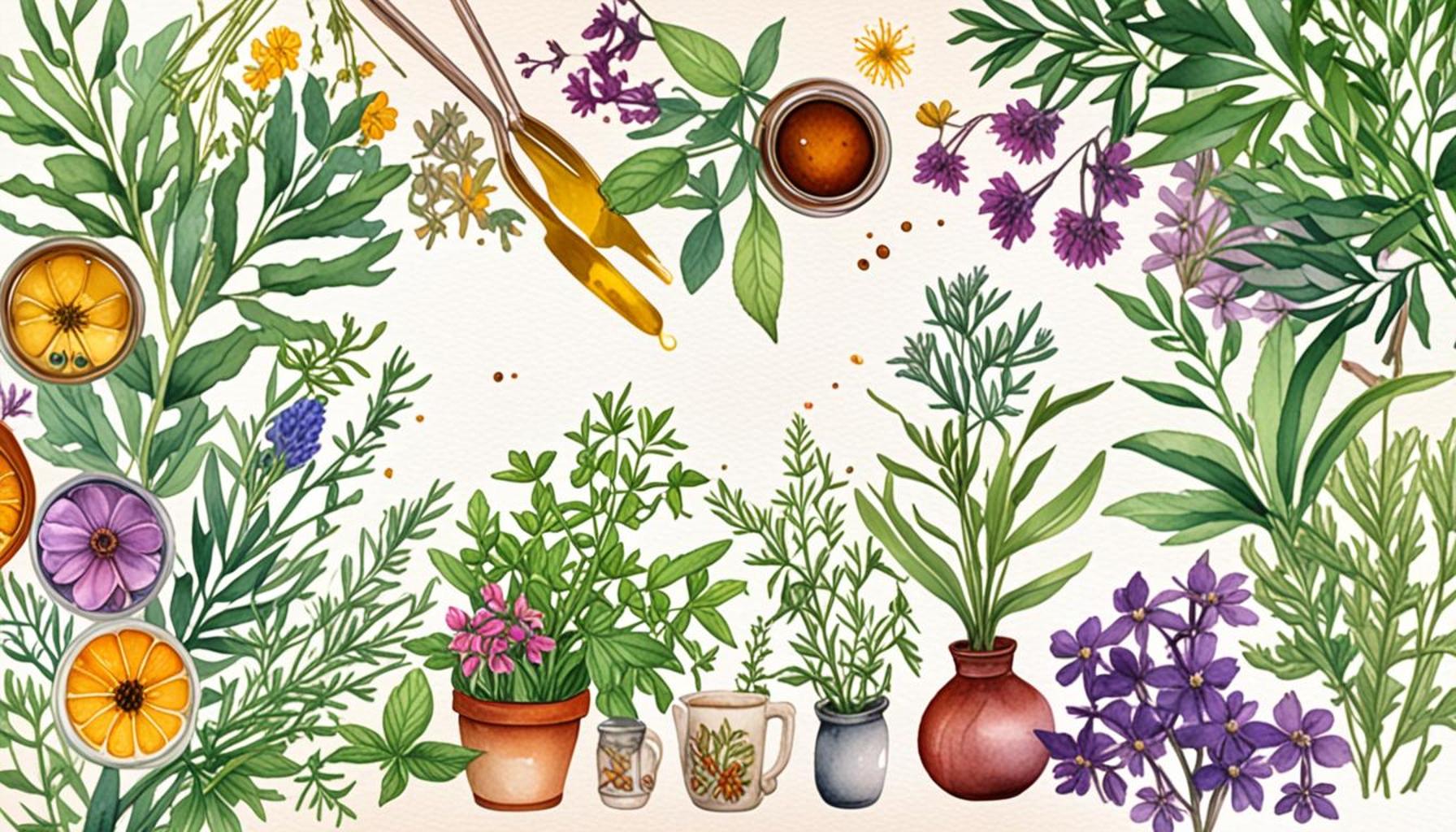
The Joy of Cultivating Medicinal Plants
Growing your own medicinal plants at home is an empowering journey. With just a little guidance, you can cultivate a diverse array of healing herbs that not only enhance your health but also infuse your living space with the beauty and vitality of nature. Imagine stepping into your kitchen or garden and having access to fresh plants that can soothe ailments, elevate your cooking, and even promote relaxation.
One of the joys of nurturing your own herbs lies in their accessibility. You can easily harvest fresh leaves or flowers right when you need them, whether you are whipping up a flavorful dish or crafting a soothing tea. Consider how convenient it is to reach for basil to enhance a pasta sauce or to have peppermint on hand for a homemade remedy against digestive discomfort.
In addition, growing your own herbs can be quite cost-effective. The initial investment in seeds and soil is often minimal compared to purchasing pre-packaged herbs from the store. Over time, you’ll find that the savings add up, especially for organic varieties, which can be significantly more expensive. For instance, a small investment in a few packets of seeds can yield a bountiful supply of herbs, which can save you money and provide fresher options.
Another undeniable advantage is quality control. When you grow your herbs, you have complete control over their cultivation. You can choose to utilize organic growing practices, avoiding the harmful chemicals often found in commercial farming. This is particularly important for herbs like thyme and rosemary, which are frequently used in culinary preparations and medicinal teas.
Choosing Your Medicinal Herbs
But how do you select the right herbs for your home garden? Here are some popular options for beginners looking to reap the benefits:
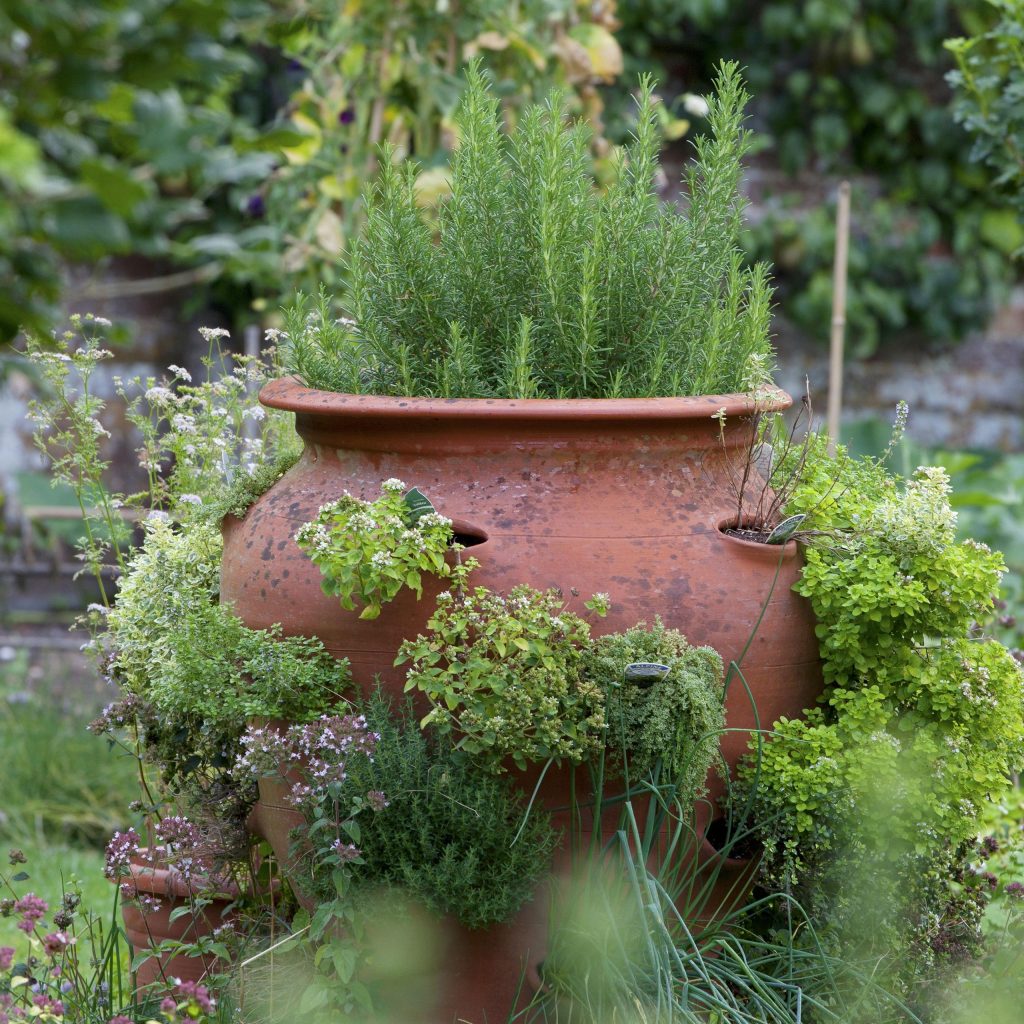
- Basil: This aromatic herb is not only a staple in Italian cuisine but also aids in digestion and has anti-inflammatory properties. A few leaves can enhance pesto, salads, and soups.
- Lavender: Renowned for its calming scent, lavender is perfect for reducing anxiety and promoting restful sleep. You can use it in potpourri, teas, or even as a culinary herb in desserts.
- Echinacea: Often utilized during cold and flu season, echinacea is known for its immune-boosting properties. It can be brewed into tea or taken as a tincture to help fend off illness.
As you embark on this horticultural adventure, you’ll discover that growing medicinal herbs is not only beneficial but also a deeply enjoyable experience. Engaging with plants can reduce stress and enhance your connection to the environment. With proper knowledge and care, your home can transform into a sanctuary of healing and wellness, offering you and your loved ones the many benefits of nature’s pharmacy.
DISCOVER MORE: Click here for lush greenery tips
Essential Considerations for Your Herb Garden
Before you dive headfirst into the exciting world of growing medicinal plants, it’s essential to consider several key factors that will contribute to your success. Understanding the environment of your garden, the growth patterns of the herbs, and your personal needs will help you build a thriving sanctuary of healing plants.
Location is crucial for your herb garden. Most medicinal herbs thrive in a spot that receives at least six to eight hours of sunlight each day. Whether you opt for a garden bed, container gardening on a patio, or even windowsill herbs, ensure that your selected area can soak up sunlight. For instance, those living in areas with hotter climates might look for a location that provides partial shade during the hottest part of the day, while cooler regions may require maximum sunlight to aid in growth.
Next, consider the soil quality. Herbs generally prefer well-draining soil that is rich in organic matter. A good mix of compost or organic fertilizers can enhance soil structure. Testing your soil’s pH level is also beneficial—most medicinal herbs thrive in slightly acidic to neutral soil (around pH 6.0 to 7.0). Investing in a soil test kit can provide valuable insights, allowing you to amend your soil as needed.
Once you’ve established where and in what type of soil you’ll cultivate your herbs, it’s essential to understand the growing requirements for each plant. Some herbs, like mint, can be vigorous growers that may take over your garden if not contained, while others, such as rosemary, require more attentiveness and care. Researching the specific needs regarding watering, spacing, and harvesting for each plant will ensure you set them up for success in your garden. Here are more factors to consider:
- Watering: While most herbs prefer slightly dry conditions, consistency is key. A good rule of thumb is to water when the top inch of soil dries out, especially in warmer months.
- Fertilization: Over-fertilizing can diminish the flavor of many herbs. A balanced organic fertilizer applied once a month during the growing season is usually sufficient.
- Pruning: Regularly trimming your herbs will encourage bushier growth and prevent flowering, which can alter the taste of some plants.
Lastly, consider your own culinary preferences and health needs. Choose herbs that not only catch your eye but which also can be incorporated into your daily meals or health routines. For example, if you frequently brew tea or enjoy herbal remedies, incorporate herbs like chamomile or ginger into your garden plans. The more aligned your choices are with your lifestyle, the more rewarding your gardening experience will be.
By laying the groundwork with careful consideration of location, soil quality, growing requirements, and personal preferences, you’re setting yourself up for a flourishing garden of medicinal plants. This thoughtful approach will take you one step closer to enjoying the myriad benefits of growing healing herbs at home.
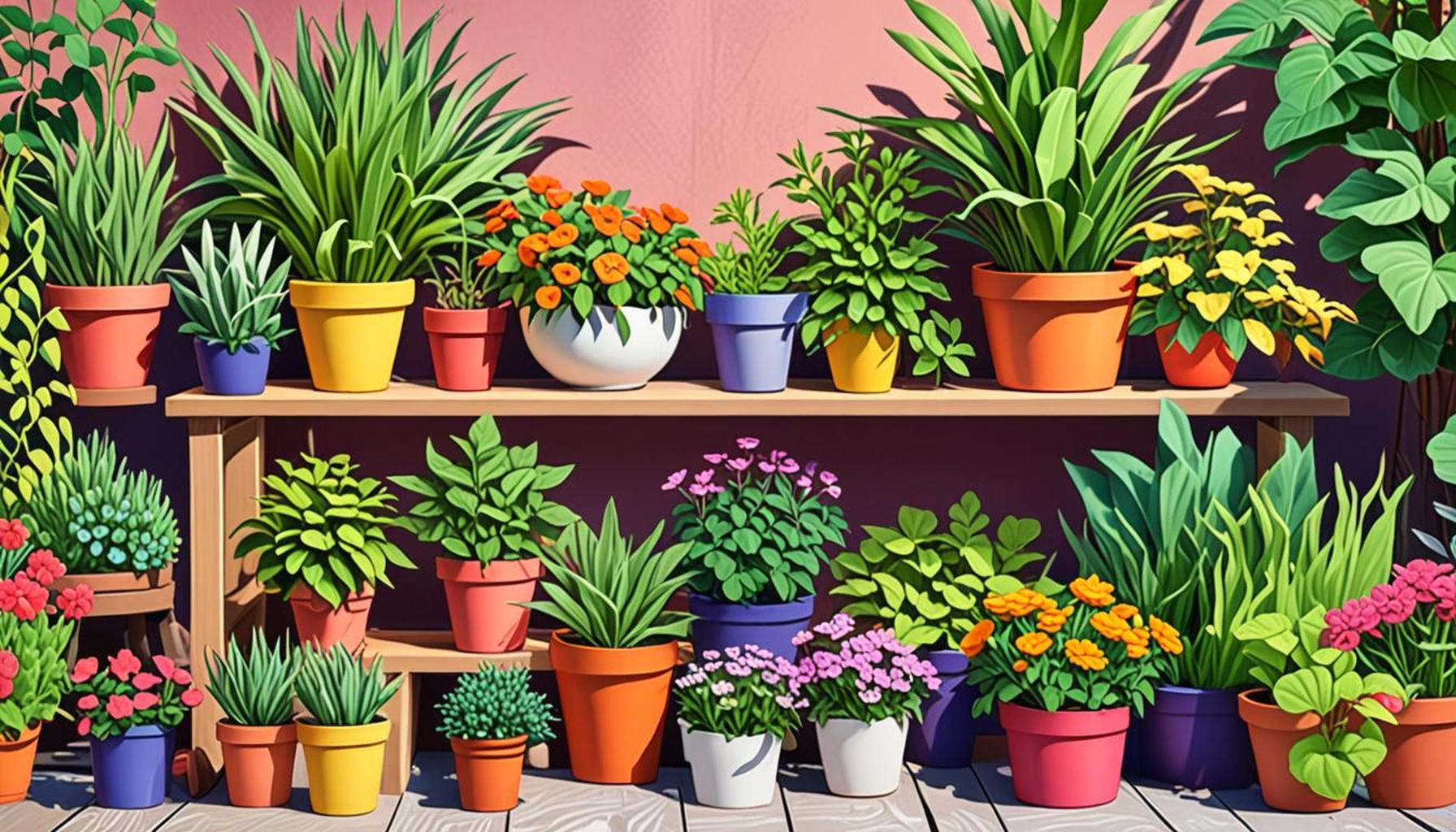
When delving into the world of medicinal plants, beginners can unlock a plethora of knowledge and benefits by choosing the right herbs for their home gardens. Beyond simply planting seeds, it’s essential to understand the unique characteristics and growing conditions of each plant. Some herbs thrive in direct sunlight, while others prefer shaded areas, which impacts their efficacy and flavor. Another crucial aspect is soil quality; a well-drained, nutrient-rich soil is fundamental for optimal growth. For those new to gardening, it’s advisable to start with herbs like basil, peppermint, and chamomile. These plants are not only easy to cultivate but also possess remarkable healing properties. Basil, for example, is known for its anti-inflammatory effects, while peppermint aids in digestion and chamomile promotes relaxation.When incorporating medicinal herbs into your home, consider creating a dedicated space for them. Container gardening can be particularly effective for beginners, allowing for easier management over soil conditions and moisture levels. Exploring the advantages of growing these herbs at home can promote a healthier lifestyle, offering remedies right at your fingertips for common ailments such as headaches, stress, and digestive issues.In addition, cultivating your own medicinal plants can lead to a deeper appreciation of nature’s bounty. Observing the growth process fosters a connection that enhances well-being, offering not only healing properties but also aesthetic beauty to your home garden. As you become more acquainted with these plants, you might discover new ways to incorporate them into your daily routine, from teas to culinary uses, which can further boost your health and wellness.The journey of growing healing herbs at home is as enriching as it is therapeutic, paving the way for a better understanding of nature and its healing qualities. Embracing this practice may inspire a lifestyle shift towards natural remedies, making it an intriguing path worth exploring. To further entice your interest in this rewarding endeavor, you might find the following table showcasing the advantages of selecting specific medicinal plants particularly enlightening.
| Category | Benefits |
|---|---|
| Basil | Anti-inflammatory properties, enhances mood |
| Peppermint | Aids digestion, soothes headaches |
| Chamomile | Promotes relaxation, effective for sleep |
This guide serves as a stepping stone to explore the vast realm of herbal gardening, promoting sustainability and wellness in your daily life. Each plant carries with it a story of healing waiting to be discovered, inviting you to participate actively in your own health journey.
DISCOVER MORE: Click here to learn about creating a no-till garden bed
Common Medicinal Herbs and Their Uses
Once you have a solid foundation for creating a thriving herb garden, it’s time to explore some of the most popular medicinal herbs that you can easily grow at home. Each herb offers unique healing properties, enriching both your culinary practices and your overall wellness journey. Here are a few fundamental herbs to consider incorporating into your garden:
1. Lavender (Lavandula spp.)
Known for its aromatic scent, lavender is not just a pretty flower; it’s also widely celebrated for its calming effects. This herb can aid sleep and alleviate symptoms of anxiety. Studies suggest that lavender essential oil may reduce stress and promote relaxation. Growing lavender is straightforward as it prefers well-draining soil and full sun. Plus, it requires minimal watering once established, making it perfect for beginner gardeners.
2. Peppermint (Mentha × piperita)
Peppermint is a powerhouse herb known for its ability to soothe digestive issues and alleviate headaches. Its fragrant leaves can be used fresh in teas or dried for long-term storage. Peppermint loves moisture and partial shade, so consider planting it near taller herbs that can provide some relief from the sun’s heat. Keep in mind that peppermint is vigorous; you may need to contain it in pots to prevent it from taking over your garden.
3. Echinacea (Echinacea purpurea)
This stunning flower, commonly known as coneflower, has gained popularity for its immune-boosting properties. Echinacea is often used to help ward off colds and respiratory infections. It thrives in well-draining soil and full sunlight, making it a beautiful addition to any garden. As well as being effective, it attracts pollinators, serving to enhance the biodiversity of your garden.
4. Ginger (Zingiber officinale)
Ginger is a staple in many kitchens, renowned for its potent anti-inflammatory properties and ability to alleviate nausea. Although it requires more warmth than many typical herbs, you can easily grow ginger in a pot indoors. Ensure it gets plenty of indirect sunlight and keep the soil consistently moist but not soggy. Ginger can thrive even in small spaces, making it an excellent option for urban gardeners.
5. Basil (Ocimum basilicum)
Often considered the king of herbs, basil is a culinary favorite that also possesses numerous medicinal benefits. Rich in antioxidants, it may help in reducing inflammation and combating stress. With its preference for warm weather and nutrient-rich soil, basil can be easily grown in containers or garden beds. Regular harvesting encourages bushier growth, allowing you to enjoy its fresh flavor throughout the growing season.
Harvesting and Preserving Your Medicinal Herbs
Harvesting is one of the most rewarding aspects of growing your medicinal herbs. However, knowing how and when to harvest can make all the difference in maintaining their potency. Most herbs are best harvested in the morning after the dew has dried but before the heat of the sun intensifies; this is when the essential oils are most concentrated.
For herbs like basil and mint, pinch off the top leaves regularly to encourage more growth and prevent flowering. In contrast, perennial herbs like lavender and rosemary can be harvested after they bloom. If your goal is to dry and preserve herbs for later use, cut the stems and hang them upside down in a dark, ventilated area. This technique helps preserve their oils and flavors, ensuring that your homegrown herbs maintain their medicinal benefits.
By becoming familiar with these popular medicinal herbs and understanding the proper techniques for harvesting and preserving them, you will be well on your way to reaping the rewards of your herb garden. Whether you’re looking to enhance your culinary creations or supporting your wellness journey, nurturing these plants at home can open up endless possibilities for health and healing.
LEARN MORE: Click here to discover how plant diversity can protect your garden
Conclusion
In conclusion, embarking on the journey of growing healing herbs at home not only elevates your culinary capabilities but enriches your life with the natural healing potential of medicinal plants. As we’ve explored, cultivating a diverse selection of herbs such as lavender, peppermint, echinacea, ginger, and basil can significantly contribute to your overall well-being. These plants, celebrated for their unique properties, offer remedies for everyday ailments and add a fresh element to your dishes.
Moreover, understanding the intricacies of harvesting and preserving your herbs enhances their potency, allowing you to enjoy their benefits year-round. Whether you’re tending to your herbs in a spacious garden or a small balcony, the principles remain the same: providing the right environment, understanding their specific needs, and nurturing them with care.
As you venture into this rewarding hobby, consider experimenting with various herbs to find what works best for your health and culinary preferences. The world of medicinal plants is vast, and each herb has its own secrets waiting to be discovered. With the knowledge gained from this guide, you have the tools to begin your own herbal journey. Dive deeper into the benefits of medicinal plants, explore different growing methods, and engage with the rich community of herb enthusiasts. Your thriving herb garden awaits, ready to provide healing, flavor, and a connection to the natural world.