Menu

Sustainable Irrigation Methods: How to Use Rainwater in Your Garden

Explore the benefits of sustainable irrigation methods by harnessing rainwater in your garden. This eco-friendly practice not only reduces water bills and reliance on municipal systems but also promotes healthier plants. Techniques like rain barrels, cisterns, and permeable landscaping create a flourishing, resilient garden while conserving vital resources.

Irrigation Techniques with Distilled Water: Advantages for Sensitive Plants

Discover the benefits of using distilled water for sensitive plants. It ensures purity, balances pH levels, and reduces disease risk, enhancing irrigation techniques. Employ advanced methods like drip irrigation and aeroponics to optimize plant health and growth, fostering a sustainable gardening approach tailored for delicate species.

Wicking Irrigation: An Innovative Technique for Indoor Gardens

Indoor gardening is on the rise as enthusiasts seek efficient solutions for plant care. Wicking irrigation, leveraging capillary action, provides consistent moisture while conserving water and reducing maintenance efforts. This innovative technique is ideal for various plant species, making indoor gardening both accessible and flourishing.

The Impact of Temperature on Watering: How to Protect Your Plants on Hot Days

Learn how rising temperatures impact watering and plant care. Discover effective strategies to protect your garden on hot days, including optimal watering times, moisture retention techniques, and innovative technology. Ensure your plants thrive throughout the summer heat by understanding their unique hydration needs and implementing smart watering practices.

The Importance of Water Quality in Irrigation: How Contaminated Water Affects Your Plants

Water quality is crucial for effective irrigation as contaminated water can harm plant health and reduce agricultural productivity. Understanding the sources and effects of water pollution is essential for farmers to implement sustainable practices and ensure healthy crops, ultimately protecting both the environment and food security.

Watering Techniques for Potted Plants: Tips to Avoid Overwatering

Discover effective watering techniques to keep your potted plants thriving while avoiding the dangers of overwatering. Learn the importance of soil moisture monitoring, tailored watering schedules, and innovative tools like moisture meters and self-watering containers, ensuring your plants receive the perfect hydration for healthy growth.

The Role of Air Humidity in Irrigation: How to Influence Watering in Indoor Environments

Understanding air humidity is crucial for successful indoor gardening. It directly affects irrigation practices, influencing water absorption and plant growth. By monitoring humidity levels and adjusting watering techniques accordingly, gardeners can create optimal environments, enhancing plant health and ensuring vibrant, flourishing indoor spaces.

Drip Irrigation: The Efficient Solution for Small Space Gardens

Drip irrigation revolutionizes small space gardens by delivering water directly to plant roots, enhancing efficiency, conserving water, and minimizing weed growth. This adaptable method supports healthy plant growth, reduces disease risk, and integrates easily into urban settings, making it an essential tool for sustainable gardening practices.

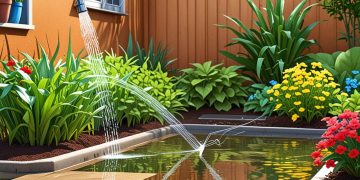
How to Identify When Your Plants Need Water: Signs and Symptoms for Beginners

Learn to recognize key signs and symptoms of plant hydration needs, such as wilting leaves, soil texture, and leaf color changes. By observing these indicators, beginners can master the art of watering their plants effectively, ensuring healthy growth and vibrant gardens. Understanding plant water requirements is essential for successful gardening.

How Subsurface Irrigation Can Benefit Your Home Garden

Subsurface irrigation offers an efficient and eco-friendly solution for home gardens by delivering water directly to plant roots. This method conserves water, promotes healthy plant growth, reduces weed competition, and enhances soil health. Adopting subsurface systems not only boosts garden productivity but also supports sustainable gardening practices.