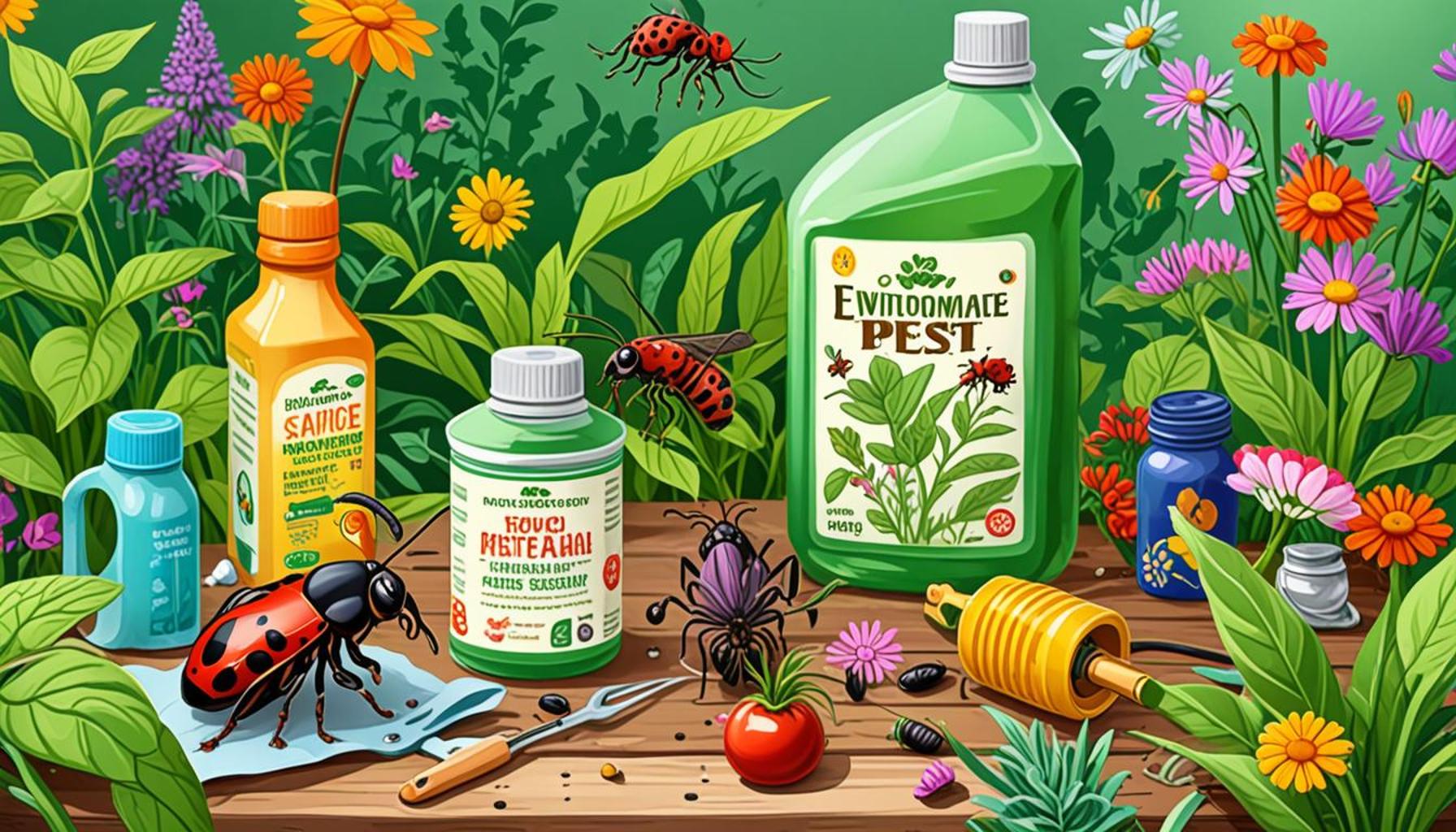
Natural Pest Control Methods for Beginners: Safe Solutions for Your Home Garden

Discovering Effective Natural Pest Control
Maintaining a thriving home garden often comes with challenges, particularly the invasion of unwanted pests. As gardeners, we seek solutions that are not only effective but also safe for our families and the environment. Natural pest control methods offer a sustainable alternative that can protect your plants while promoting biodiversity.
Understanding these techniques can empower you to manage your garden with confidence. Here are some popular natural pest control methods to consider:
- Beneficial Insects: One of the most effective ways to reduce pest populations is by introducing their natural predators into your garden. For instance, ladybugs and lacewings are renowned for their appetite for aphids, tiny sap-sucking pests that can wreak havoc on young plants. By creating a welcoming environment for these beneficial insects—such as planting marigolds or providing shelter with undisturbed leaf litter—you can enhance their presence and efficacy. Additionally, hoverflies, which resemble small wasps, also serve as excellent aphid predators.
- Homemade Sprays: For gardeners looking for immediate results, homemade sprays can serve as a remarkable solution. A popular choice is neem oil, derived from the seeds of the neem tree, known for its pest-repelling properties against a broad array of insects including mites, whiteflies, and beetles. Mixing neem oil with water and a few drops of liquid soap can create an effective treatment. Another simple yet potent option is a soap solution, created by diluting pure liquid soap with water. This mixture suffocates soft-bodied pests while being gentle on plants. Always conduct a patch test on a small area before applying any homemade spray broadly to avoid damaging your crops.
- Companion Planting: This technique involves strategically planting certain flowers or herbs alongside your crops to naturally repel pests or attract beneficial insects. For example, planting basil near tomatoes can deter aphids and whiteflies, while marigolds—known for their insect-repellent properties—can safeguard nearby vegetable plots. Moreover, the strong scent of certain herbs can confuse pests, making it difficult for them to locate their target plants. Integrating companion planting into your garden layout not only enhances pest control but also promotes plant growth and resilience.
By exploring these safe solutions, you can create a more balanced ecosystem in your garden. Utilizing natural pest control methods not only protects your plants but also enriches the soil and fosters a healthier growing environment. It’s worth noting that maintaining biodiversity is crucial, as it enhances the overall health of your garden and supports local wildlife. Understanding the behavior of pests and their natural enemies, along with the usage of these practices, can lead to long-term success.
Let’s delve deeper into these techniques and learn how to implement them effectively! In the ever-evolving world of gardening, finding ways to work in harmony with nature is a journey well worth taking.
LEARN MORE: Click here for gardening tips
Embracing Eco-Friendly Pest Management
As you embark on your journey to cultivate a vigorous home garden, understanding that pests are part of the ecosystem can change your perspective. While it’s easy to view them as adversities, many insects play crucial roles in pollination and maintaining environmental balance. Implementing natural pest control methods not only encourages healthy plant growth but also creates a vibrant habitat for beneficial fauna. Here are some more effective strategies for managing pests in your garden:
- Barriers and Traps: Physical barriers can be your first line of defense against pests. Using row covers or floating row covers made from lightweight fabric can protect young plants from insects while still allowing sunlight and rain to nourish them. Additionally, traps can be particularly useful for catching larger pests such as slugs or snails. For instance, placing shallow dishes filled with beer can lure and trap these mollusks effectively, preventing them from devastating your crops.
- Essential Oils: Harnessing the power of nature through essential oils is another great method for natural pest control. Oils such as peppermint, eucalyptus, and lavender not only smell delightful but serve as natural insect repellents. Creating a diluted solution (typically a few drops of essential oil mixed with water) allows you to apply it to plants, creating an unwelcoming environment for pests without harming beneficial insects. However, always use caution with concentrations, as excessive application could harm delicate plants.
- Soap and Water Sprays: A simple mixture of soap and water can serve as a powerful tool in the battle against soft-bodied insects like aphids and spider mites. Mixing one to two teaspoons of mild liquid soap with a quart of water can create an efficient spray able to suffocate these uninvited guests. Regularly inspecting your plants will allow you to catch infestations early, giving you the upper hand in your organic gardening endeavor.
Incorporating these natural pest control methods into your gardening routine brings multiple benefits beyond just pest management. These strategies can enhance soil health and encourage a broader diversity of wildlife. This holistic approach not only promotes harmony within your garden but can also provide you with a more bountiful harvest.
As you implement these solutions, bear in mind the importance of patience and observation. Gardeners are, in many ways, detectives, paid to unravel the mysteries of nature’s cycles. Taking the time to monitor pest behaviors and plant health can lead to more educated decisions on how best to intervene. The world of gardening can be unpredictable, but engaging with it through natural methods helps build resilience and adaptability.
Next, let’s explore even more advanced techniques that can complement these foundational approaches and elevate your gardening success!
| Natural Methods | Key Advantages |
|---|---|
| Essential Oils | Repels insects with pleasant scents, making your garden aromatic while doing no harm to the ecosystem. |
| Companion Planting | Enhances biodiversity by pairing plants that naturally repel pests, offering a vibrant atmosphere and promoting plant health. |
| Neem Oil | Acts as an effective deterrent against various pests without harming beneficial insects, hence maintaining balance in the garden ecosystem. |
| Garlic Spray | Natural repellant that wards off many common pests while being completely safe for both plants and humans. |
When exploring natural pest control methods, it’s vital to consider both efficiency and safety. Techniques like companion planting not only deter pests but also enrich your garden’s soil, enhancing the growth of your crops. Incorporating these practices into your home garden can foster a healthy ecosystem where beneficial insects thrive alongside your plants. For beginners looking for safe solutions for pest control, these methods offer an engaging way to cultivate their gardening skills while promoting sustainability.Experimenting with these natural solutions presents the added benefit of becoming more connected with your garden, as you learn and adapt to your plants’ needs. As you delve deeper into this topic, consider researching specific combinations of plants to maximize your garden’s resilience against pests. The more you understand how nature functions, the more success you’ll enjoy in your gardening endeavors.
LEARN MORE: Click here for essential tips
Advanced Natural Pest Control Techniques
As you gain confidence in managing pest populations, you may be ready to explore more advanced natural pest control techniques that can further enhance your home garden’s resilience. Employing a variety of tactics can optimize your success and minimize pest disruptions. Here are some noteworthy approaches to consider:
- Companion Planting: One of the most fascinating aspects of natural pest control lies in the concept of companion planting. This method involves pairing plants that benefit each other in ways such as repelling pests or enhancing growth. For example, marigolds are renowned for their ability to deter nematodes and aphids, making them an ideal companion for tomatoes and peppers. Likewise, planting basil near tomatoes can not only enhance their flavor but can also ward off insects like whiteflies. Research has shown that the right plant combinations can lead to healthier harvests while reducing the need for chemical interventions.
- Attracting Beneficial Insects: Another effective strategy is to create an environment that attracts beneficial insects, also known as natural predators of garden pests. Ladybugs, lacewings, and predatory wasps can drastically reduce pest populations. Planting a variety of flowering plants that produce nectar will encourage these helpful creatures to visit your garden. Some excellent choices include dill, fennel, and yarrow. Not only do these plants bring beauty to your garden, but they also play a significant role in establishing a natural balance.
- Homemade Ferments and Extracts: Adventurous gardeners may also find success in utilizing homemade ferments and botanical extracts as pest deterrents. For instance, fermenting milk to create a solution commonly known as “lacto-fermentation” helps control fungal infections while also boosting healthy soil microbiomes. Similarly, garlic or chili pepper extracts can provide robust repellents against a plethora of pests. Mix a handful of garlic or a few hot peppers with water, let it steep for 24 hours, strain, and then spray it on affected plants to deter unwanted visitors.
Education and community resources can also enhance your natural pest control efforts. Engaging with local gardening clubs, attending workshops, or even connecting with cooperative extension services can deepen your understanding of local pests and their natural enemies. These resources often offer valuable insights into region-specific strategies that may yield better results in your own garden.
As you implement these advanced methods, it is essential to maintain a keen awareness of your garden’s ecosystem. Periodically monitoring plant health, insect behavior, and environmental conditions can guide your pest management decisions. This attentive approach supports not only immediate pest control but promotes the long-term sustainability of your garden.
Lastly, documenting your observations can be beneficial. Keeping a gardening journal to note pest populations, plant responses, and the efficacy of your chosen methods can lead to informed adjustments in future seasons. Transformation within your home garden from pest-ridden to vibrant and thriving begins with these natural, safe solutions that empower you as a gardener.
DISCOVER MORE: Click here to enhance your gardening strategy
Conclusion
In closing, embracing natural pest control methods in your home garden not only fosters a healthier environment but also empowers you as a gardener and steward of the ecosystem. By integrating fundamental techniques such as companion planting, attracting beneficial insects, and utilizing homemade ferments and extracts, you can effectively manage pest populations without resorting to harmful chemicals. Each method brings distinct benefits, contributing to the sustainability and productivity of your garden.
The shift to natural practices requires patience, observation, and adaptability. As you embark on this rewarding journey, remember that cultivating a diverse and thriving ecosystem will support your pest control efforts. Engaging with community resources and local gardening groups can provide valuable insights and foster relationships that enhance your knowledge base. Consider documenting your gardening experiences; a journal can be an excellent tool for tracking progress, identifying patterns, and refining your methods over time.
Ultimately, the transition to safe solutions in your garden exemplifies a commitment to not just growing plants, but nurturing the natural world around you. By prioritizing natural pest control strategies, you pave the way for a flourishing garden and a more sustainable future. With every insect managed naturally, you set an example that can inspire others, highlighting the beauty and effectiveness of harmony between plants, pests, and people. So, equip yourself with knowledge and take the confident steps needed to transform your garden into a vibrant sanctuary that thrives on balance and ecological integrity.

Linda Carter
Linda Carter is a gardening writer and home-growing specialist who helps beginners cultivate thriving home gardens. With extensive experience guiding new gardeners through plant selection and sustainable growing techniques, she shares practical gardening strategies on our platform. Her goal is to empower readers with actionable advice and step-by-step strategies to successfully grow their own food and create beautiful, productive gardens at home.