How to Choose the Right Tools for Soil Preparation in Your Garden
Choosing the Right Tools for Soil Preparation
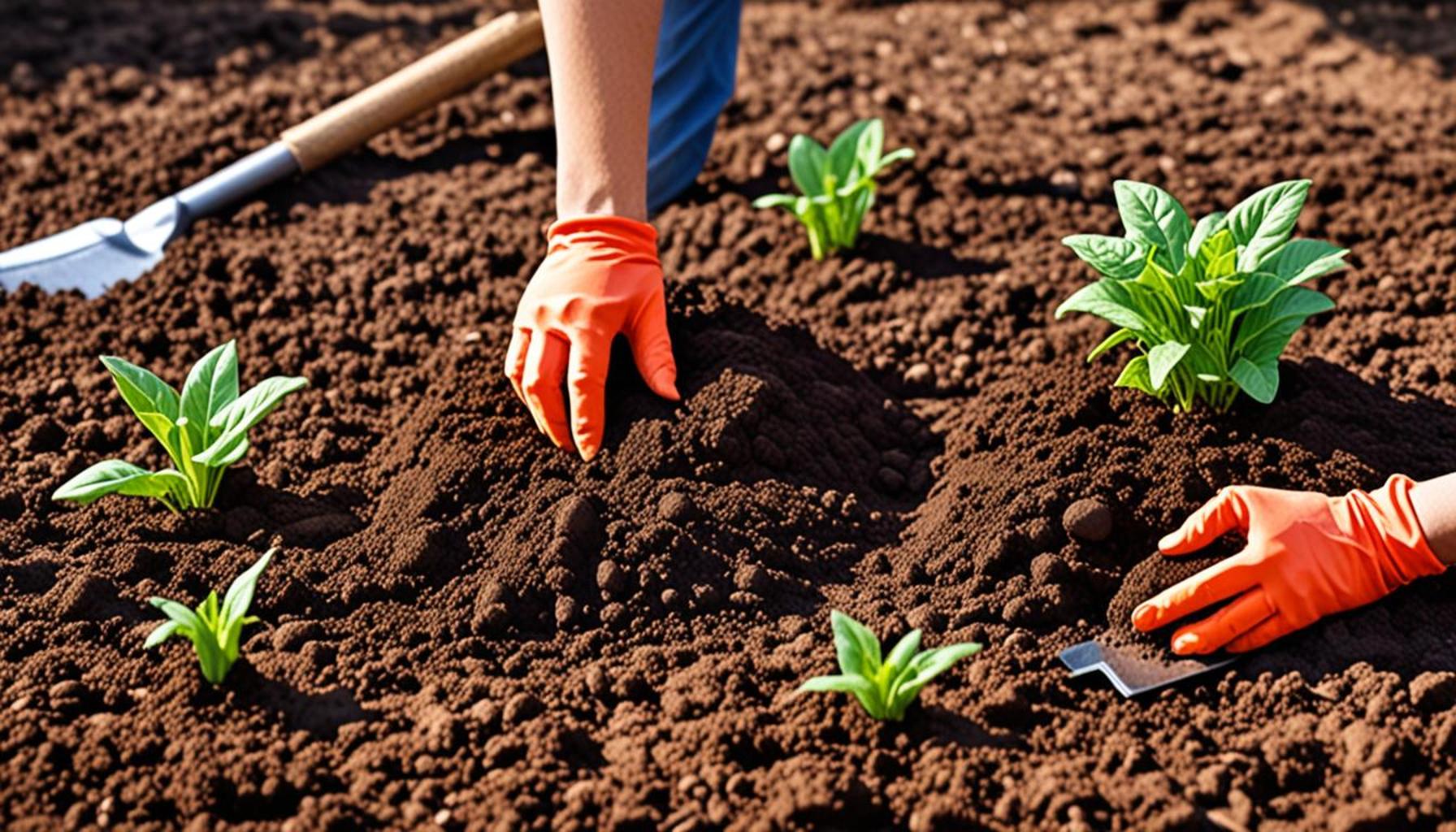
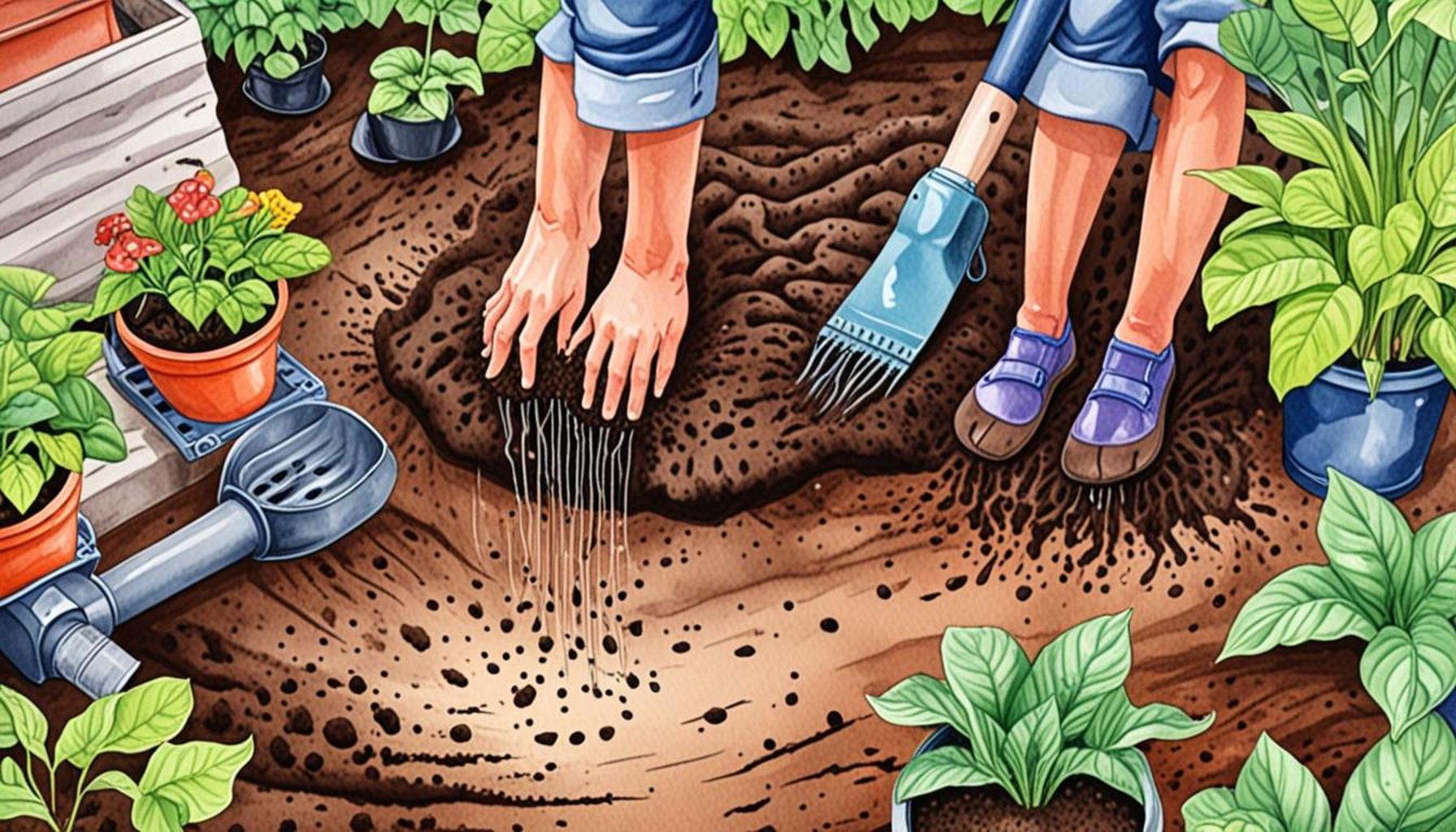
Effective soil preparation is the cornerstone of a thriving garden. Having the right tools can make a significant difference in achieving healthy soil, which is essential for robust plant growth. Understanding your needs and the variety of tools available is crucial for any gardener.
When selecting the right tools, consider several important factors:
- Soil Type: Is your soil sandy, clayey, or loamy? Different soils have unique characteristics and may require specific tools. For instance, sandy soils drain quickly but can benefit from a soil conditioner to retain moisture, while clay soils may require a garden fork or broadfork to aerate and break up soil clumps. Recognizing your soil type allows you to select tools tailored to your gardening conditions.
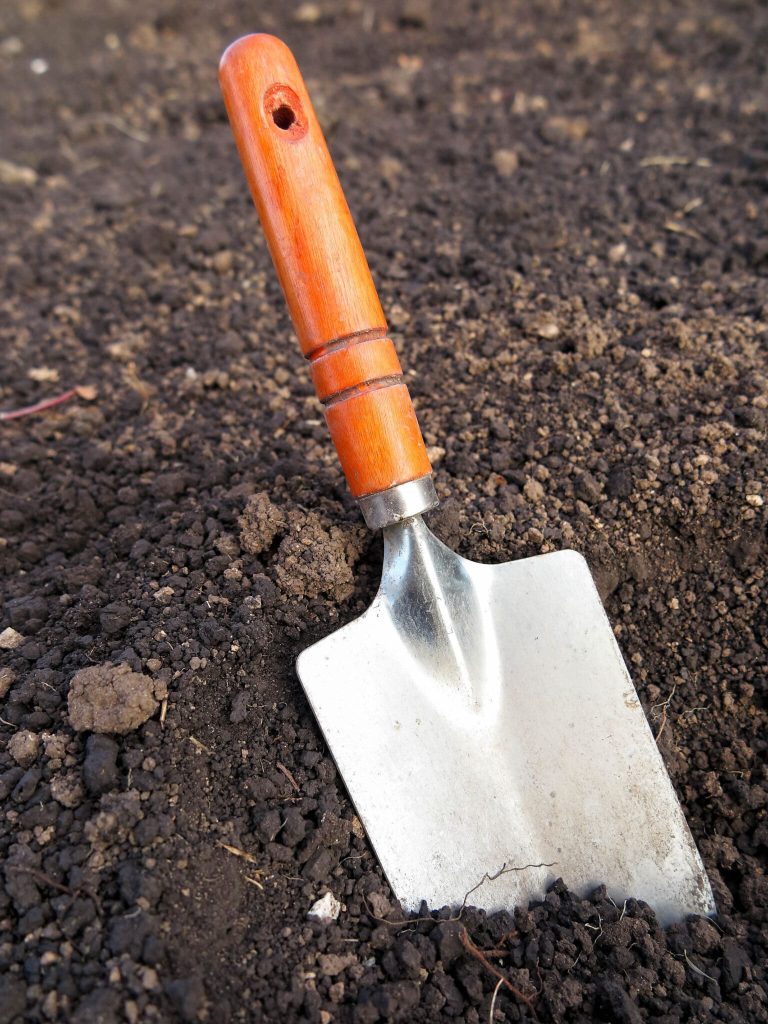
- Garden Size: Are you working on a small patch or a larger plot? The size of your garden can dictate the tools you use. Small garden beds might only need hand tools like trowels or cultivators, whereas a larger area could warrant a rototiller or a shovel for efficient processing. The right tool for your garden size helps in reducing the physical strain often associated with soil preparation.
- Budget: High-quality tools can represent a significant investment. It’s essential to determine what fits within your financial plan. While it may be tempting to choose the cheapest option, consider the long-term value of investing in durable tools that can withstand multiple seasons. For instance, a high-quality spade may cost more upfront but will offer years of reliable use compared to a flimsy version that may need frequent replacement.
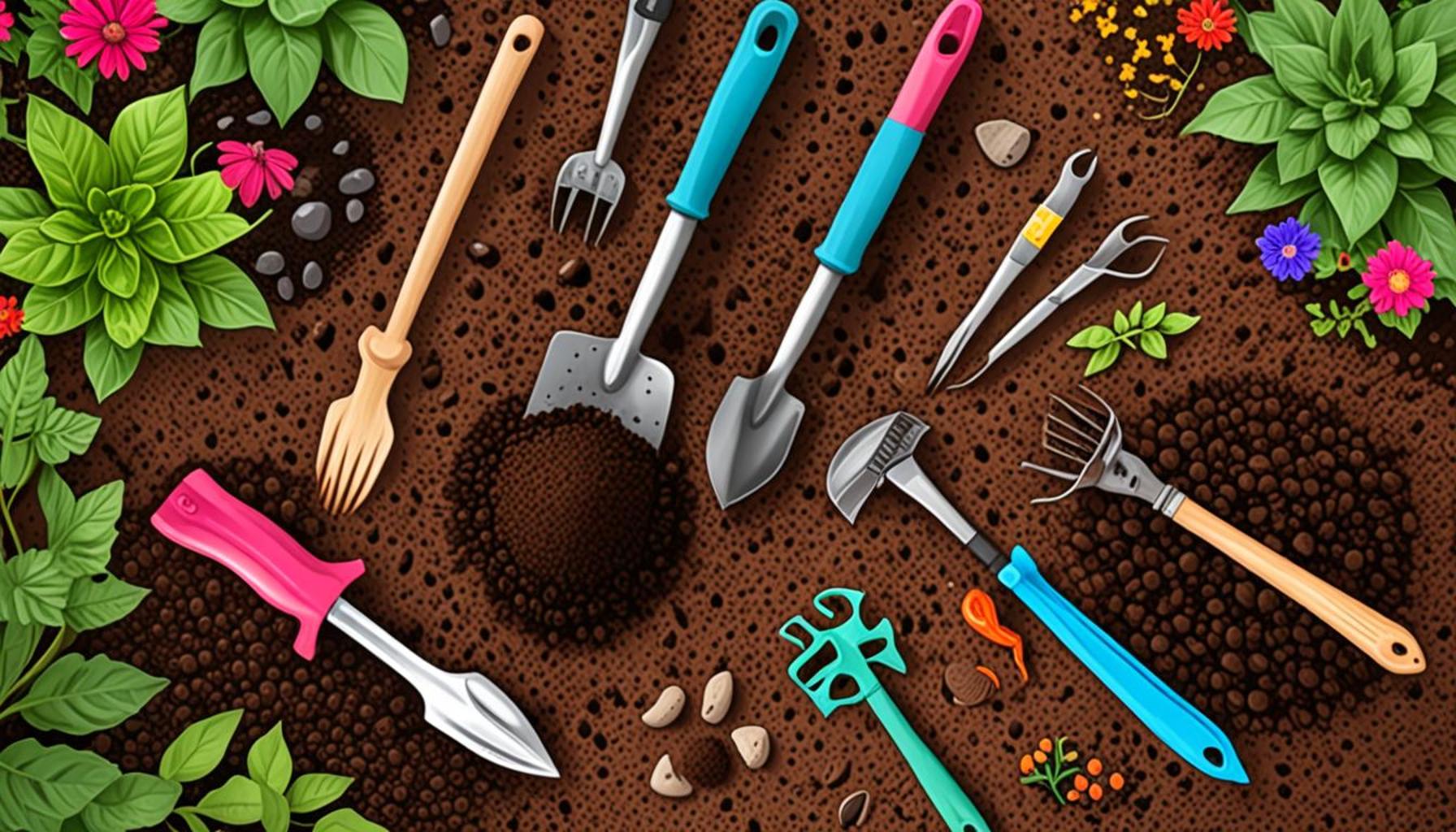
Several essential tools can greatly aid in soil preparation, each serving a specific purpose:
- Spades and Shovels: These are perfect for turning and mixing soil. A spade, for example, with its straight edges, is ideal for slicing through roots and edging, while round-nosed shovels are excellent for moving materials like compost and mulch.
- Tillers: Best suited for breaking up larger areas of soil, tillers come in both manual and motorized versions. A handheld cultivator can be managed with ease while a powerful rototiller can tackle compacted earth in larger gardens, turning your hard dirt into a soft, aerated base for planting.
- Rakes: Once your soil is turned, rakes are invaluable for leveling it out and removing debris. A landscape rake can help create a smooth surface, which is essential before planting seeds or laying sod.
By carefully considering your garden’s unique needs and the tools available, you can set the stage for a flourishing garden. The right tools not only simplify the preparation process but also enhance the soil’s health, paving the way for vibrant plants to thrive, whether it’s colorful flowers or fresh vegetables.
In conclusion, the path to a successful garden begins with informed choices in soil preparation. Take the time to invest in the right tools—your plants will thank you with lush growth and bountiful yields.
DISCOVER MORE: Click here to learn essential watering techniques
Understanding Soil Preparation Tools
Selecting the appropriate tools for soil preparation goes beyond simply picking up what looks appealing at the hardware store; it involves a structured approach that considers functionality, purpose, and gardening goals. With myriad options available, each designed for specific tasks, understanding the capabilities of these tools can help you maximize your gardening efforts.
A core element in this equation is tool functionality. Identifying the specific tasks that need to be accomplished in your garden is a vital step. Here are key tasks that can guide your tool selection:
- Breaking Ground: For those looking to start a new garden bed or amend an existing one, tools such as a hoe or a rototiller can make the initial ground-breaking easier. A hoe is excellent for aerating compact soil and breaking up surface crusts while a rototiller efficiently turns over larger areas, incorporating organic matter into the soil.
- Aeration: Aeration helps to improve soil structure and encourages root development. A garden fork or broadfork is particularly effective for this purpose as it can penetrate deeper into the soil without damaging its structure, allowing air and nutrients to circulate.
- Weeding: Weeds compete with your plants for essential nutrients and water. Investing in a hand weeder or a weeding fork can make the tedious task of weeding much less daunting. These tools assist in extracting weeds from their roots, facilitating better soil health and plant growth.
- Mixing Organic Material: To enrich your soil, compost or other organic amendments need to be thoroughly mixed. A garden fork is an ideal tool for incorporating these materials into the topsoil, ensuring they are evenly distributed. For larger quantities, consider a shovel designed for heavy-duty work.
However, functionality isn’t the only factor; ergonomics plays a vital role in how efficiently you can perform these tasks. Tools that are comfortable to hold and easy to maneuver not only enhance productivity but can also reduce physical strain during prolonged use.
Another important consideration is maintenance and durability. Investing in quality tools that are designed to withstand the tests of time is prudent. Stainless steel tools, for instance, resist rust and are easier to clean compared to their other metal counterparts. Look for tools with strong, comfortable handles, often made from materials such as hardwood or fiberglass, as they tend to be more durable.
In next steps, consider where you are in your gardening journey. Are you just starting out, or do you possess an extensive collection of tools already? Whether you’re a novice gardener embarking on a new adventure or an experienced cultivator looking to enhance your collection, the right tools will assist you in achieving healthy soil—an essential foundation for your garden’s success.
Arming yourself with knowledge about the various options available will not only streamline your soil preparation efforts but will also allow you to connect with your garden in a more meaningful way. Understanding which tools suit your specific requirements will empower you to nurture your plants effectively, setting the stage for a flourishing garden.
How to Choose the Right Tools for Soil Preparation in Your Garden
When embarking on your gardening journey, one of the most pivotal steps is to understand the types of tools available for soil preparation. The right tools can greatly influence the health and fertility of your garden soil. Tools such as rototillers, garden forks, and spades each serve distinct purposes that cater to various soil types and gardening goals.
Understanding Soil Types
Before selecting tools, it’s essential to assess your soil type. Is it sandy, clay, or loamy? For instance, clay soil requires different techniques and tools for effective preparation than sandy soil. Knowing your soil will help you make informed decisions about which tools to invest in.
Essential Tools for Soil Preparation
A reliable garden fork is invaluable for breaking up compacted soil and aerating it, allowing nutrients and water to penetrate deeply. Similarly, a spade is ideal for cutting into the ground to prepare your garden beds effectively.Another important tool is a rototiller, which can help you mix organic matter into the soil. This tool is especially useful for larger gardens and can save considerable time and effort.
Consider Your Gardening Goals
Your specific gardening objectives should also guide your tool choices. Are you preparing a vegetable garden, or are you focusing on ornamental plants? The tasks required may vary, influencing the types of tools you need.To delve deeper into the various tools and techniques suitable for soil preparation, check out the detailed comparison of specific models and brands to find what best fits your gardening style. Understanding these nuances not only enhances your gardening experience but can also lead to a more fruitful yield. For further insights, continue exploring our resources to ensure you have the best tools and practices at your disposal.
| Category 1 | Category 2 |
|---|---|
| Tool Type | Purpose and Features |
| Garden Fork | Ideal for aerating soil and breaking up clumps. |
| Spade | Designed for cutting and transferring soil effectively. |
| Rototiller | Mixes organic material and prepares larger areas quickly. |
DISCOVER MORE: Click here to learn about planting aromatic herbs
Assessing Your Garden Size and Type
Once you’ve grasped the basic functionalities of soil preparation tools, it’s time to consider your garden size and type. This step is crucial, as it influences not only the kind of tools you might require but also their scale and power. Whether you’re tending a small urban garden or cultivating an expansive plot in the countryside, the right tools can significantly enhance your efficiency.
If your space is limited, such as in a small backyard or community garden, tools that are lightweight and compact become indispensable. For instance, a handheld cultivator or a mini tiller can help you achieve desired soil conditions without overwhelming your workspace. These tools are ideal for tasks ranging from aeration to mixing organic materials, allowing for precise control in confined areas.
In contrast, larger gardens or those that focus on crops may necessitate more robust tools. A gas or electric rototiller might be the right fit, as it can save considerable time and labor on larger projects, ensuring you can cover more ground efficiently. However, be wary of the potential drawback of soil compaction that heavier machinery can cause—something you want to avoid to maintain healthy soil structure if your plants are to thrive.
Considering Soil Type and Conditions
Your garden’s specific soil type and conditions also dictate the tools you should select. Sandy soils drain well but can be quickly eroded. Here, a spade or shovel might assist in adding organic matter or mulch to maintain moisture levels. Conversely, clay-heavy soils can be challenging to manage, often requiring tools that can break through hard layers—something like a chisel plow or a sturdy garden fork is essential in this scenario.
Additionally, don’t forget to assess the moisture levels in your garden. For wet or boggy areas, tools designed for sticky conditions, such as a broadfork with long tines, can aerate without causing excessive soil disturbance, promoting healthy root development.
Budget and Tool Longevity
Your budget is another pivotal factor when considering tools for soil preparation. While it can be tempting to gravitate toward the most expensive options on the market, several viable mid-range options provide excellent functionality without breaking your bank. A sturdy, well-constructed spade or rake can often perform just as well as high-end counterparts if selected wisely, ensuring value for your investment.
However, quality should not be compromised for price. Investing in tools made from high-grade materials means they will hold up better against the elements and frequent usage, ensuring they last multiple seasons, which is particularly crucial for long-term gardening endeavors. It’s not uncommon for gardeners to accumulate tools over the years; therefore, consider starting with a core set of versatile tools that fit your immediate needs and expand your collection as your gardening skills develop.
Researching and Exploring Tool Options
Lastly, the power of research can’t be overstated. Consider visiting local garden centers and asking experts for their recommendations on the best tools for your specific needs. Online reviews and gardening forums can also provide deep insights into user experience with different tools, guiding you toward sound choices.
Ultimately, the process of choosing the right tools for soil preparation in your garden involves understanding your specific needs, assessing your garden space, and taking into account your budget and comfort. The right selection can lead to enhanced productivity and satisfaction as you nurture your green space.
DISCOVER MORE: Click here for insights on weather and planting
Conclusion
Choosing the right tools for soil preparation in your garden is an essential step towards achieving a successful and thriving garden. By understanding your garden’s size and type, along with the specific soil conditions you face, you can better tailor your tool selection to meet your unique needs. Remember, the ideal tools will not only make your gardening tasks more manageable but will also significantly impact the health and productivity of your plants.
As you evaluate your budget, consider investing in high-quality tools that offer durability and effectiveness over time. A well-chosen set of tools can last for many seasons, providing excellent value for your investment. Start with a core collection that meets your immediate requirements and expand your arsenal as your gardening skills grow.
Don’t underestimate the value of research. Take the time to explore local gardening centers, read reviews, and engage with community resources to gather insights and recommendations that resonate with your particular gardening ambitions. This can lead you to discover innovative tools and practices that enhance your gardening experience.
In conclusion, the right tools can transform the challenging task of soil preparation into a gratifying endeavor, paving the way for bountiful harvests and vibrant blooms. Equip yourself with knowledge and the right tools, and watch your garden flourish!

Linda Carter
Linda Carter is a gardening writer and home-growing specialist who helps beginners cultivate thriving home gardens. With extensive experience guiding new gardeners through plant selection and sustainable growing techniques, she shares practical gardening strategies on our platform. Her goal is to empower readers with actionable advice and step-by-step strategies to successfully grow their own food and create beautiful, productive gardens at home.