Understanding Common Garden Pests and How to Identify Them

The Importance of Identifying Garden Pests
In the heart of every garden lies a vibrant ecosystem, but lurking within this beauty may be some unwelcome visitors. Common garden pests can wreak havoc on plants, leading to stressed crops and diminished blooms. Knowing how to identify these pests is crucial for maintaining a healthy garden, as timely intervention can save both your plants and your gardening efforts. It’s essential for every passionate gardener to become well-acquainted with these potential threats to cultivate a thriving sanctuary.
Understanding the Threats
Many gardeners face similar challenges when it comes to pest management, and understanding the nature of these pests can empower you to take decisive action. A pest’s lifecycle often does not begin with an invasion; rather, it is a slow, creeping challenge that can lead to greater problems if left unaddressed. Here are some of the most frequently encountered pests in U.S. gardens:
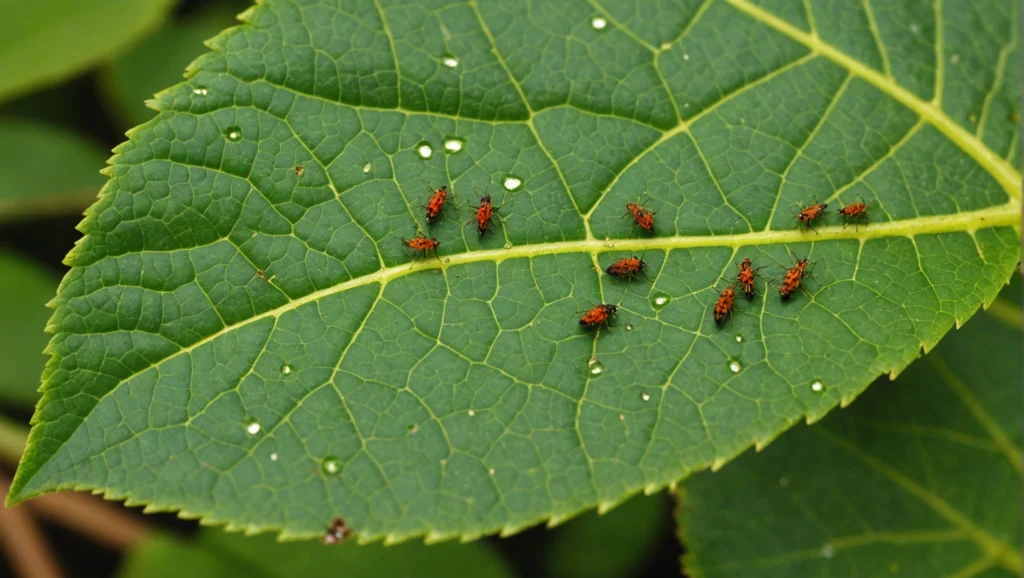
- Aphids: Small, soft-bodied insects that often cluster on young shoots or the undersides of leaves. They come in various colors, including green, black, and brown. Not only do they suck sap, but they can also transmit plant viruses.
- Spider Mites: Tiny arachnids that thrive in dry, warm conditions, spider mites leave stippled foliage as they feed on the plant’s inner tissue. A telltale sign of their presence is fine webbing on plants, especially during the hot summer months.
- Slugs and Snails: Mollusks that feast on tender leaves, often found in damp areas with ample cover. These creatures are notorious for leaving irregular holes in the leaves, which can quickly turn lush gardens into skeletal remnants.
- Whiteflies: Small flying pests that feed on plant sap, causing yellowing and wilting leaves. Their populations can explode rapidly, particularly in warm weather, making them a significant concern for growers.
Identifying Damage and Taking Action
Each type of pest not only possesses unique characteristics but also displays distinctive signs of damage. Being equipped with this knowledge allows gardeners to act promptly and effectively. For example, your cabbage leaves should not resemble lace; if they do, slugs might be the culprit. Understanding the lifecycle and habits of these pests also aids in preventative measures. For instance, maintaining a well-irrigated garden while promoting biodiversity can deter many pests naturally.
By diving deeper into the world of common garden pests and their identification, you can better protect your precious plants and cultivate a thriving outdoor sanctuary. This guide is designed to provide you with the necessary tools and insights to tackle these common adversaries. When armed with knowledge, your garden can flourish despite the threats posed by these troublesome visitors. To further enrich your gardening experience, consider visiting local gardening clubs or online forums where fellow gardeners share their encounters and solutions for managing pest problems.
DISCOVER MORE: Click here for insights on pest control
Recognizing the Signs: Common Garden Pests
Understanding common garden pests begins with recognizing the signs of their presence and the type of damage they cause. Each pest leaves unique indicators that can help you distinguish between friend and foe in your garden. Being observant not only enhances your gardening skills but also allows you to act quickly before a minor issue escalates into a major infestation. Here’s a closer look at some additional notorious garden pests and how to spot their telltale signs:
- Mealybugs: These small, white, fluffy insects resemble tiny cotton balls and are often found on the stems and leaf junctions. If you notice your plant’s foliage turning yellow or wilting, mealybugs could be the reason behind your plant’s distress, as they feed on sap and excrete a sticky substance known as honeydew.
- Japanese Beetles: Characterized by their iridescent green bodies and copper-colored wings, these beetles create distinct skeletonized leaves by consuming the soft tissue between the veins. Spotting them is relatively easy, especially when they gather in groups and feed voraciously on rose bushes and garden favorites.
- Cutworms: The larvae of various moth species, cutworms are often found near the soil surface, camouflaged against the ground. They prefer to munch on young plants at the base, leading to sudden plant collapse. Checking for the critters at dusk can reveal their presence before they cause significant damage.
- Thrips: These minuscule, slender insects can be difficult to see, especially in their early stages. Look for silvery patches on leaves or tiny black specks on flower petals, which indicate a thrip infestation. They are also known for leaving behind distorted young leaves and causing discoloration.
Understanding the habits and lifecycle of common pests is crucial, as this knowledge will empower you to take action proactively rather than reactively. For instance, recognizing that aphids reproduce rapidly can prompt you to inspect your plants regularly and introduce natural predators like ladybugs before a major outbreak occurs. Likewise, knowing the environmental conditions that favor specific pests can aid you in making informed decisions about watering practices and plant selection.
Furthermore, fostering an ecosystem that attracts beneficial insects, such as bees and predatory wasps, can help maintain balance in your garden. These allies are indispensable in naturally controlling pest populations and promoting plant health.
In summary, a keen awareness of the common garden pests you may encounter will not only holiday your garden but also enrich your experience as a gardener. Let this examination of pest identification serve as a springboard for developing effective management strategies in your quest for a flourishing garden.
Identifying Common Garden Pests: A Comprehensive Guide
As any gardener knows, maintaining a healthy garden involves keeping a vigilant eye on the plants and the creatures that inhabit them. Identifying common garden pests is a crucial skill that can save you time, effort, and resources. Many pests can wreak havoc on your plants, but understanding their characteristics and behaviors can significantly aid in managing their impact.
Common garden pests often have distinguishing features that allow for easy identification. Aphids, for example, are small, soft-bodied insects that typically live in colonies on the undersides of leaves. They are often green, black, or even pink. Monitoring for these pests early on can help stave off severe infestations.
Spider mites are another pest to watch out for; they thrive in dry conditions and leave fine webbing on plants as their numbers grow. If you notice your plants exhibiting yellowing or stippling of leaves, it may be time to inspect carefully.
Another prevalent pest is the whitefly, which is recognizable by its white, moth-like appearance. Like aphids, these creatures drain the sap from plants, weakening them significantly over time. Use sticky traps to gauge their population levels in your garden.
To assist gardeners in identifying these nuisances, resources such as pest identification guides and mobile apps are available. Utilizing these tools can help enhance your gardening experience, providing options for natural or chemical interventions as needed.
Engaging with local gardening communities or agricultural extensions can also offer valuable advice tailored to specific regional pest challenges, ensuring that you are always one step ahead in your gardening journey.
| Category | Key Features |
|---|---|
| Aphids | Small, soft-bodied; vary in color |
| Spider Mites | Tiny, thrive in dry conditions; webbing present |
| Whiteflies | Moth-like appearance; white body |
By understanding these common garden pests, their behaviors, and their identification techniques, you will be better equipped to protect your plants and nurture your garden effectively. In the following sections, we will delve into integrated pest management strategies and explore natural remedies to combat these nuisances.
DIVE DEEPER: Click here to learn about companion planting
More Garden Intruders and Their Distinctive Signs
In addition to the mentioned pests, gardeners are often greeted by a host of other unwelcome visitors. Each type of pest presents its own challenges, and recognizing their specific signs can empower you to address the issue before it exacerbates. Below are several more common pests that could infiltrate your beloved garden:
- Spider Mites: These microscopic arachnids can wreak havoc on a variety of plants. They tend to thrive in warm, dry conditions. To detect spider mites, look for tiny yellow or stippled spots on leaves, along with fine webbing that may encase the plants. If you see these signs, inspect your plants closely—placing a white sheet of paper under the foliage and tapping the leaves can help reveal these minuscule pests.
- Whiteflies: These small, white flying insects are usually present on the undersides of leaves and can quickly multiply during warm weather. If you notice a cloud of tiny white insects fluttering when the leaves are disturbed, it’s a clear indication of a whitefly infestation. The sticky honeydew they produce can lead to sooty mold, further compromising your plants’ health.
- Fleahoppers: Often found in warm-season crops, fleahoppers are small, green or brown insects that can cause significant damage. They feed by piercing plant cells and sucking out the contents, leading to a condition known as “stunting.” Look for misshapen or yellowing leaves and tiny black specks left behind as evidence of their feeding habits.
- Slugs and Snails: These slimy creatures are infamous for their destructive grazing. They leave behind shiny trails of mucus, which serve as evidence of their nocturnal activities. Check for irregular holes in leaves and, if conditions are moist, gently lift mulch or debris to uncover these pests hiding during the day.
Each of these pests plays a unique role in the ecosystem surrounding your garden, but not in the way you might hope. Understanding their habits can inform you about the best times to manage their populations. For example, some pests are most active during specific weather conditions, allowing you to monitor and respond in real time.
Additionally, vigilance in crop rotation and diverse plant selections can help minimize pest populations. Utilizing resistant plant varieties is another proactive approach; for instance, certain ornamental plants are less appealing to aphids or spider mites, shielding more vulnerable plants tucked nearby.
Moreover, implementing physical barriers, such as row covers or insect nets, can effectively deter many flying and crawling pests. These barriers are particularly beneficial in vegetable gardens, protecting your bounty from unwanted feasting. Understanding how to implement these protective measures can significantly bolster your defenses against common garden pests.
Knowledge is your greatest tool in the battle against garden pests. As we delve deeper into the realm of pest identification, we uncover layers of strategies that can not only save your plants but also enhance your overall gardening experience. The more you learn about these pests, the more you can cultivate a flourishing and sustainable garden.
DISCOVER MORE: Click here to learn how to grow your own food at home
Conclusion: Enhancing Your Garden Defense
In closing, understanding common garden pests is essential for any gardener looking to cultivate a thriving green space. By familiarizing yourself with the signs and symptoms of various pests—as highlighted throughout this article—you can take proactive measures to protect your plants effectively. From the minute spider mites and whiteflies to the notorious slugs and snails, recognizing the distinct characteristics of these invaders will empower you to tackle infestations before they escalate.
Moreover, integrating preventive strategies such as crop rotation, diverse plant selection, and resistant varieties can significantly lower the risk of pest populations thriving in your garden. Implementing physical barriers is another practical approach, giving you an edge in safeguarding your hard work from pest destruction.
It is important to remember that prevention and early identification are key in pest management. Staying observant will not only help you maintain plant health but also enhance your overall gardening experience. As you deepen your knowledge about these garden pests, you’re not just fighting an uphill battle but also nurturing a more sustainable ecosystem. Embrace the journey of learning and adapting, and enjoy the fruit of your labor—a vibrant and flourishing garden that you can truly be proud of.

Linda Carter
Linda Carter is a gardening writer and home-growing specialist who helps beginners cultivate thriving home gardens. With extensive experience guiding new gardeners through plant selection and sustainable growing techniques, she shares practical gardening strategies on our platform. Her goal is to empower readers with actionable advice and step-by-step strategies to successfully grow their own food and create beautiful, productive gardens at home.