Creating a Pest-Resistant Garden: Tips for New Home Gardeners

Creating a Thriving Garden Free from Pests
Starting your own garden is an exciting journey, but dealing with pests can quickly turn enjoyment into frustration. Fortunately, with the right strategies, you can cultivate a pest-resistant garden that thrives in your backyard. This guide is packed with essential tips specifically for new home gardeners.
Why Focus on Pest Resistance?
Fostering a pest-resistant garden is vital not only for combating nuisances but also for creating a healthier ecosystem. Here are a few compelling reasons to prioritize this approach:
- Healthier Plants: Pest-resistant gardens cultivate robust plant growth and vitality. By reducing pest pressure, plants can allocate more resources to growth and flowering, resulting in a more bountiful harvest.
- Less Dependency on Chemicals: Utilizing natural methods minimizes the need for pesticides, which can have harmful effects on beneficial insects, soil health, and even human health. Gardens managed with organic practices yield safer produce.
- Cost-Effective: Fewer infestations equate to savings on pest control measures. By investing time in planning your garden layout and plant selection, you can avoid costly chemicals and treatments.
Effective Strategies to Keep Pests at Bay
So, what can you do to keep those pesky invaders at bay? Here are some effective strategies that will transform your garden into a sanctuary of growth:
- Choose Native Plants: Opting for native species—that is, plants that naturally thrive in your local climate—ensures they are adapted to local conditions. For example, in the Midwest, planting purple coneflowers or black-eyed Susans can attract beneficial pollinators while being naturally resistant to many local pests.
- Diverse Planting: Incorporating a variety of plants can confuse pests and disrupt their lifecycle. Planting flowers alongside vegetables not only beautifies your garden but also creates habitat and food sources for beneficial insects, thus enhancing biodiversity.
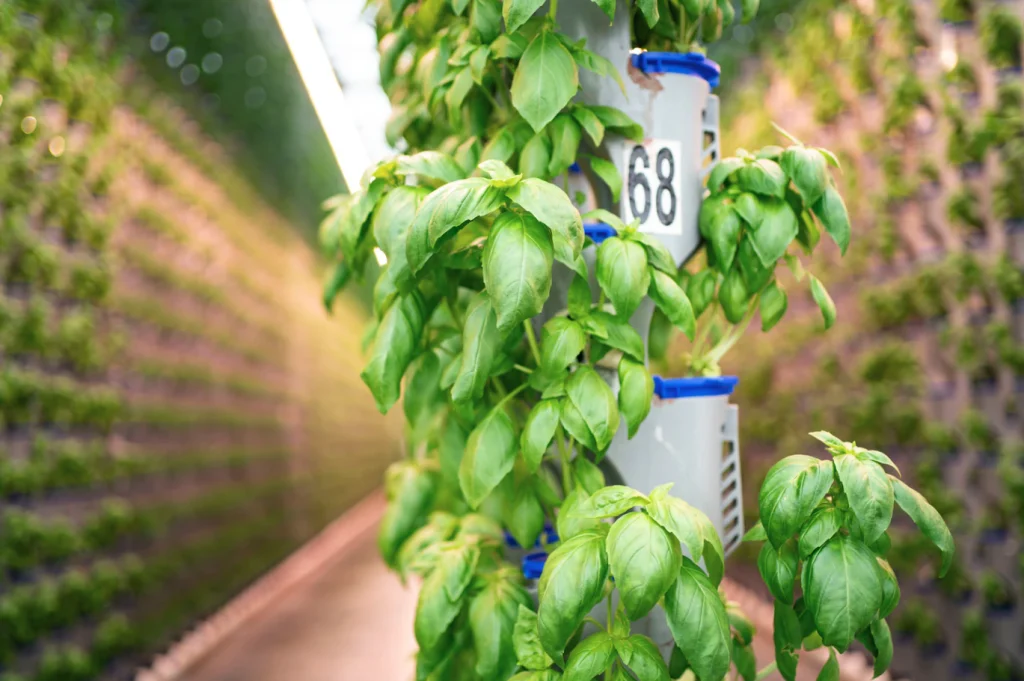
- Companion Planting: Certain plants can help repel pests naturally when grown together. For instance, interplanting marigolds with tomatoes can deter aphids and nematodes, providing a natural pesticide effect. Similarly, planting basil near tomatoes enhances their flavor while warding off spider mites.
Enhancing Your Gardening Journey
Embarking on the journey of creating a pest-resistant garden not only enhances your gardening skills but also fosters a deeper connection with nature. As you learn these techniques, you not only protect your plants but also contribute positively to the local ecosystem. Communities that actively garden in a sustainable manner boast healthier environments, contributing to ecological balance.
With these tips and tricks, you’ll be well-equipped to cultivate a thriving garden that flourishes despite the challenges of pests. Take the opportunity to explore local gardening clubs or online forums, where experienced gardeners share their knowledge and successes, as this can further enrich your understanding and enjoyment of the gardening experience.
Remember, every pest-resistant garden starts with careful planning and preparation. Happy gardening!
DIVE DEEPER: Click here to discover how to grow your own food at home
Understanding the Foundations of a Pest-Resistant Garden
Before diving into the world of pest prevention, it is crucial for new home gardeners to grasp the foundational elements that contribute to a resilient garden. By understanding the interplay between plants, soil, and local wildlife, you can create an environment that not only discourages pests but also promotes a flourishing ecosystem.
Soil Health: The Cornerstone of Pest Resistance
One of the most critical aspects of a pest-resistant garden lies in the health of your soil. Nutrient-rich soil supports robust plants, which are better equipped to withstand pest infestations. To enhance your soil’s composition, consider the following approaches:
- Organic Matter: Incorporate compost, well-rotted manure, or leaf mold to improve soil structure and fertility. This organic material boosts the population of beneficial microorganisms that promote healthy root systems.
- Soil Testing: Conduct a soil test to determine pH levels and nutrient deficiencies. Ensuring your soil is balanced pH-wise can significantly affect plant growth and resilience against harmful pests.
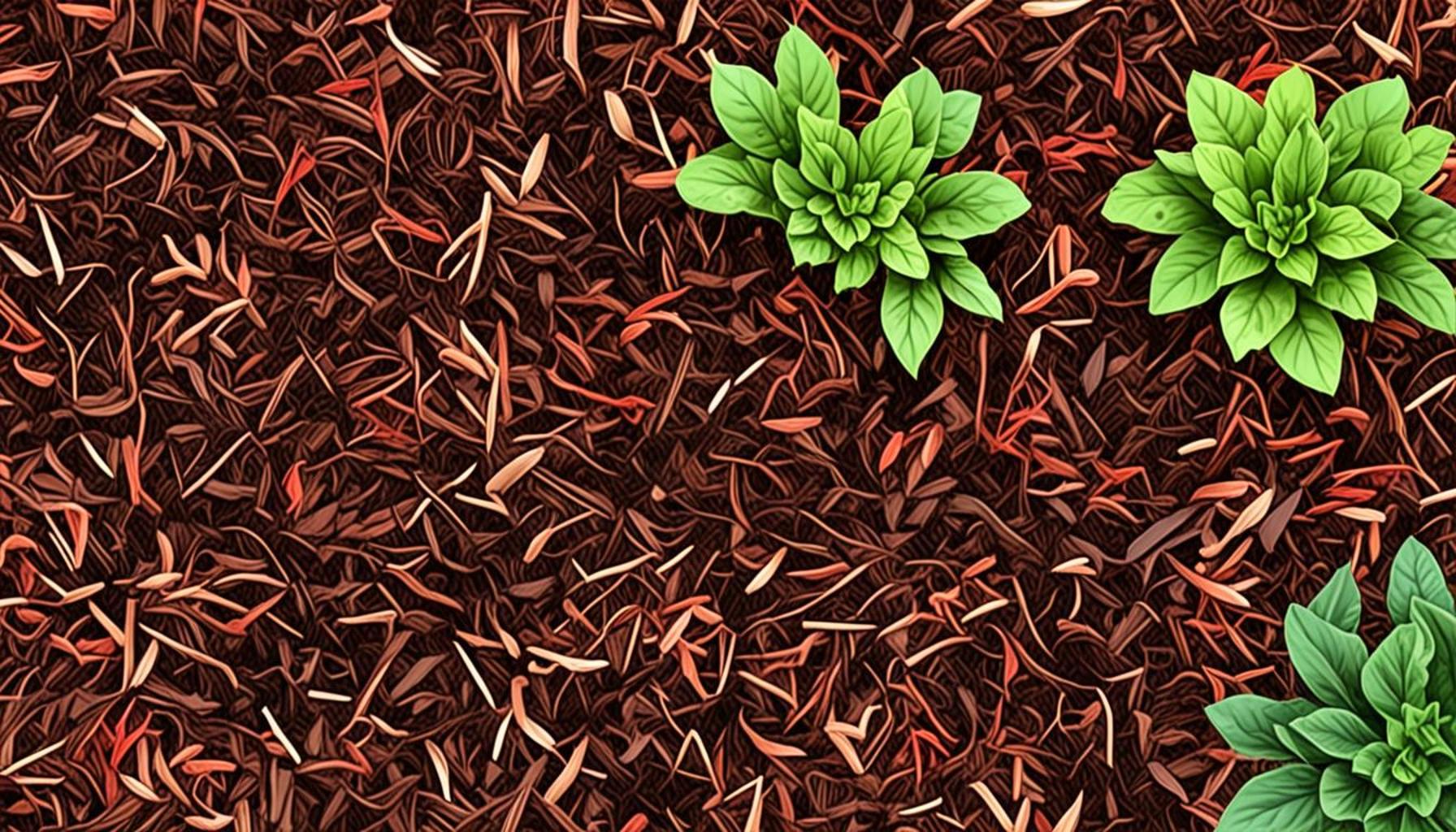
- Mulching: Apply organic mulches, such as straw or wood chips, around plants to retain moisture, suppress weeds, and promote microbial activity in the soil. Mulching also helps create a more diverse habitat that can deter pests.
Watering Wisely: Timing and Techniques
Watering is another vital component to consider when creating a pest-resistant garden. Overwatering can lead to root rot and attract pests, while insufficient watering can stress plants, making them more susceptible to infestations. Here are some effective watering strategies:
- Drip Irrigation: Implementing a drip irrigation system delivers water directly to the roots, minimizing excessive moisture on foliage that can attract pests.
- Water Early or Late: Watering in the early morning or late afternoon minimizes evaporation and reduces the risk of fungal diseases that thrive in damp conditions.
Encouraging Beneficial Insects
Another essential strategy for establishing a pest-resistant garden involves fostering beneficial insects that naturally control pest populations. Not all bugs are bothersome—many play significant roles in maintaining the balance within your garden’s ecosystem. Here’s how to encourage these allies:
- Plant Nectar-Rich Flowers: Include flowering plants such as dill, yarrow, and fennel that attract predatory insects like ladybugs and lacewings. These pollinators can effectively manage aphid populations and protect your vegetable plants.
- Create Habitats: Leave some areas of your garden wild or install insect hotels to provide shelter and breeding grounds for beneficial predators, rather than relying solely on chemical interventions.
By prioritizing soil health, practicing mindful watering, and inviting beneficial insects into your garden, you can cultivate a robust and maintainable ecosystem ready to thrive in the face of common garden pests. Embrace these foundational principles, and you’ll pave the way to a fruitful and pest-resistant garden.
Creating a pest-resistant garden requires a harmonious blend of planning, understanding plant behavior, and utilizing natural defenses. New home gardeners often face the daunting task of protecting their budding gardens from various pests. However, with the right strategies, you can cultivate a flourishing environment for your plants while minimizing pest-related issues.Start with Healthy SoilHealthy soil is the foundation of a pest-resistant garden. Enrich your soil with organic matter such as compost or well-rotted manure. This not only improves soil structure and fertility but promotes a thriving ecosystem of beneficial microbes and insects that naturally deter pests. Regular soil testing can also reveal nutrient deficiencies or imbalances, allowing you to make informed adjustments.Choose Pest-Resistant PlantsOpt for native and pest-resistant plant varieties which are better acclimated to local conditions. Research plants that are known to deter pests, such as marigolds, which repel aphids and other invasive insects. Furthermore, incorporating a variety of plants will create a diverse ecosystem that confuses and deters pests.Companion PlantingCompanion planting is a technique where certain plants are grown together to enhance growth, repel pests, and attract beneficial insects. For example, planting garlic near roses can deter aphids. This age-old method not only boosts the resilience of your garden but also provides a visually appealing array of colors and textures.Natural PredatorsEncouraging natural predators, such as ladybugs, lacewings, and birds, can significantly reduce pest populations. Create habitats for these beneficial insects by planting a variety of flowers and providing water sources. Avoid using chemical pesticides, as they can harm beneficial insects and disrupt the natural balance.Regular MonitoringRegularly inspecting your garden for signs of pest activity is crucial. Look for discolored leaves, webbing, or chewed edges. Early detection allows for swiftly implementing natural remedies or barriers, such as floating row covers or neem oil.By actively engaging in these practices, new home gardeners can establish a robust pest-resistant garden that thrives through integration with nature, not against it. Each step taken not only contributes to a healthier garden but also transforms the gardening experience into one that is rewarding and enlightening.
DIVE DEEPER: Click here to learn how to create your own vertical garden</a
Natural Pest Control Measures: Sustainable Solutions for Your Garden
As new home gardeners embark on the journey of cultivating a pest-resistant garden, understanding natural pest control measures becomes imperative. Rather than resorting to chemical pesticides that can have detrimental effects on both plants and the environment, consider these sustainable alternatives that can effectively manage pests while maintaining the health of your ecosystem.
Companion Planting: A Beneficial Alliance
The practice of companion planting involves growing different plants in proximity for mutual benefits, including pest control. Certain plant combinations can repel pests or attract beneficial insects. For instance, planting marigolds alongside vegetables can deter nematodes and other garden pests with their strong scent. Here are additional combinations to consider:
- Basil and Tomatoes: Basil not only enhances the flavor of tomatoes but also repels aphids and whiteflies.
- Chives and Carrots: Chives help deter pests like carrot flies and also attract pollinators.
Research different plant pairings to find combinations that work best for your garden, as these alliances can lead to healthier plants and a decrease in pest populations.
Organic Solutions for Pest Management
Incorporating organic solutions into your pest management strategy can foster a safe and sustainable garden. Here are several practical options:
- Neem Oil: Extracted from the seeds of the neem tree, neem oil is a potent insect repellent that disrupts the life cycle of pests such as aphids and spider mites without harming beneficial insects.
- Soap Sprays: A simple mixture of water and natural soap can effectively combat soft-bodied insects like aphids and mealybugs. Ensure to apply it in the early morning or late evening to minimize harm to pollinators.
- Essential Oils: Certain essential oils, such as peppermint and rosemary, serve as natural repellents. Dilute them and apply as a spray to deter an array of pests.
Customizing your solutions can cater specifically to the pests you encounter while ensuring the safety of your plants and the overall ecosystem.
Regular Monitoring and Maintenance
A crucial component in achieving a pest-resistant garden is consistent monitoring of plant health and pest activity. Conduct regular inspections to identify early signs of pest infestations or plant distress. This proactive approach can prevent issues before they escalate. Tactics to consider include:
- Visual Checks: Inspect leaves and stems for unusual spots or signs of damage, which can indicate pest problems.
- Trap Monitoring: Set up simple traps, such as sticky traps for flying insects, to gauge pest populations in your garden.
In addition to inspections, maintaining garden hygiene is essential. Removing dead plant material and organic debris can reduce pest habitats while fostering an environment conducive to plant health.
Creating Diversity: The Key to a Thriving Garden
Establishing a diverse garden through crop rotation and the inclusion of various plant species can significantly decrease pest prevalence. Monocultures, or growing the same crop in the same area year after year, can attract specific pests that target those plants. Consider the following strategies:
- Crop Rotation: Change the location of particular crops each season to interrupt pest life cycles and prevent infestations.
- Diverse Plant Selection: Include a variety of plants, such as herbs, flowers, and various vegetables, to confuse pests and create a balanced ecosystem.
By integrating these natural pest control measures into your gardening routine, you not only deter potential pests but also contribute to a healthier, more sustainable environment in your garden.
DISCOVER MORE: Click here to enhance your kitchen garden
Conclusion: Building a Resilient Garden for Sustainable Growth
Creating a pest-resistant garden is an attainable goal for new home gardeners eager to cultivate a thriving ecosystem. By implementing practices such as companion planting, employing organic solutions, and maintaining rigorous monitoring, you lay the groundwork for a healthy garden environment. These natural pest control methods not only protect your plants from infestations but also foster a symbiotic relationship with the ecosystem.
Emphasizing diversity through crop rotation and varied plant selections is crucial in deterring pests effectively. As you experiment with different plant pairings and treatments, you will discover the unique dynamics of your garden, leading to a tailored approach that promotes resilience. Remember that consistency is key: frequent inspections and proactive measures will help you stay ahead of potential pest issues.
As you venture into the world of gardening, embrace the learning process. Each season brings new challenges and opportunities to improve your techniques. Incorporating these tips will not only yield beautiful blooms and robust vegetables but also align your gardening practices with a commitment to sustainability and environmental health. Dive deeper into these strategies, and soon, you will reap the rewards of your labor—a flourishing garden that thrives in harmony without relying on harmful chemicals. Start the journey today and watch your garden transform into a stronghold against pests.

Linda Carter
Linda Carter is a gardening writer and home-growing specialist who helps beginners cultivate thriving home gardens. With extensive experience guiding new gardeners through plant selection and sustainable growing techniques, she shares practical gardening strategies on our platform. Her goal is to empower readers with actionable advice and step-by-step strategies to successfully grow their own food and create beautiful, productive gardens at home.