Understanding Plant Hardiness Zones: Choosing the Best Plants for Your Climate
Understanding the Importance of Plant Hardiness Zones
In the world of gardening, the concept of plant hardiness zones serves as a crucial foundation for successful cultivation. These zones are established based on a variety of climate conditions, primarily focusing on temperature extremes and seasonal changes that can influence the survival of various plant species. By identifying your specific hardiness zone, you can make informed choices about the plants that will flourish in your unique climate, ensuring a vibrant and sustainable garden.
The USDA Plant Hardiness Zone Map stands as the foremost reference in the United States for categorizing these zones. This well-researched map divides the nation into distinct zones based on the average minimum winter temperatures, which are pivotal in understanding what plants are capable of enduring the winter cold. For example, Zone 1 encompasses regions characterized by extremely harsh conditions, making it suitable only for the hardiest of plants, such as certain types of conifers and hardy perennials. Conversely, Zone 10, which includes areas in southern Florida and southern California, is much warmer, opening the door to a palette of tropical plants, such as hibiscus and bougainvillea, that thrive in balmy climates.
However, making the right plant choices extends beyond simply knowing your hardiness zone. Several other factors must be meticulously considered to create a flourishing garden:
- Soil Type and Moisture Levels: Different plants require varying soil compositions and moisture conditions. For instance, succulents prefer well-drained, sandy soil, while ferns thrive in rich, consistently moist soil.
- Sun Exposure and Microclimates: The amount of sunlight a garden area receives can vary greatly depending on nearby structures and vegetation. For example, south-facing gardens tend to receive more direct sunlight, favoring sun-loving plants like tomatoes and peppers.
- Local Pests and Diseases: Each region experiences its own set of pests and plant diseases, which can complicate plant selection. For example, areas prone to the Japanese beetle might lead gardeners to select beetle-resistant varieties.
As you undertake your gardening journey, grasping these interconnected factors empowers you to make decisions that enhance not only the aesthetic value of your garden but also its resilience against potential challenges posed by climate change and local environmental conditions. Engaging with your garden in a thoughtful manner, considering both the hardiness zones and broader ecological factors, can lead to a bountiful and thriving landscape that delivers beauty and sustainability for years to come.
DISCOVER MORE: Click here to dive into vertical gardening
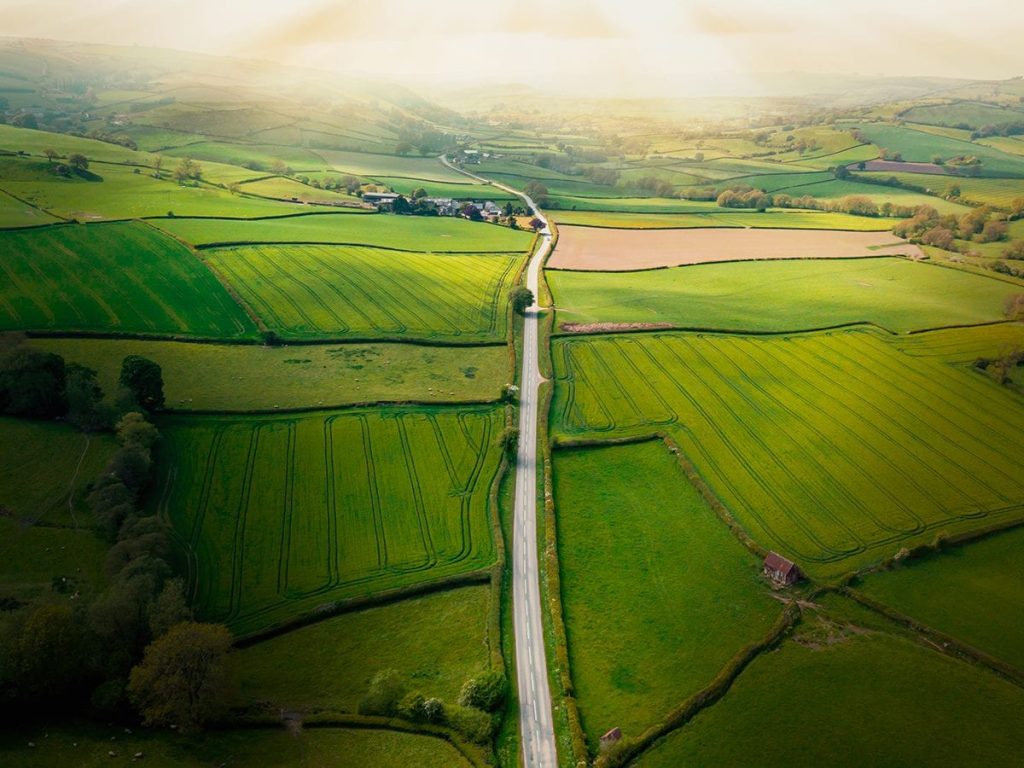
Decoding Plant Hardiness Zones
Embarking on the journey of gardening requires a keen understanding of plant hardiness zones, which serve as a garden zone map guiding enthusiasts in selecting plants compatible with local climate conditions. These zones are not just arbitrary numbered areas but are meticulously determined using climatic data that account for annual temperature fluctuations, frost dates, and extreme weather events. The result is a valuable tool for gardeners, ranging from novices to seasoned professionals, to cultivate thriving gardens.
The USDA Plant Hardiness Zone Map classifies the United States into 13 distinct zones, each differentiated by average minimum winter temperatures. Ranging from Zone 1, with average lows below -50°F, to Zone 13, where winters remain consistently mild and temperate, understanding your specific zone is crucial. For instance, while Zone 5 in the Midwest may suit cold-hardy vegetables like kale and broccoli, it would be unsuitable for fragile blooms such as orchids that prefer warmer climates.
As you delve deeper into your gardening endeavors, it’s essential to consider factors that influence plant selection beyond mere hardiness. Here are some critical elements to navigate:
- Soil Composition: Not all soil is created equal; some plants flourish in rich, loamy soil, while others might thrive in sandy or clay-heavy environments. Conducting a soil test can help determine the ideal amendments needed to create a healthy growing medium.
- Moisture Levels: Certain plants prefer consistently moist conditions, whereas others are drought-resistant. Understanding your garden’s moisture levels will guide choices—while hydrangeas might revel in a damp garden, cacti would desiccate in similar settings.
- Light Requirements: The sun’s path plays a significant role in plant growth. Observing how much sunlight your desired planting areas receive throughout the day aids in selecting between sun-loving perennials like lavender or shade-tolerant species like astilbe.
Moreover, being mindful of local pests and climate-related diseases is paramount. For example, regions susceptible to black spot fungus on roses might benefit from choosing resistant varieties like the Knock Out rose that can withstand harsh conditions without succumbing to common issues. This kind of strategic selection aids in minimizing maintenance and increasing overall success.
In conclusion, understanding plant hardiness zones is an essential stepping stone toward creating a thriving garden. By aligning your choices with the environmental nuances of your area—such as soil type, moisture levels, light exposure, and pest dynamics—you can embark on a gardening journey that not only flourishes but also stands the test of time. With a careful balance of knowledge and intuition, your garden can become a vibrant oasis reflective of both your personal touch and the beauty of the natural world.
Understanding Plant Hardiness Zones
Plant hardiness zones are crucial in determining which plants will thrive in your specific climate. The U.S. Department of Agriculture (USDA) developed a hardiness zone map that divides regions based on average annual minimum winter temperatures. This allows gardeners to select plants that are well-suited to their local conditions, significantly increasing the chances of successful growth.
Hardiness zones range from Zone 1, the coldest, to Zone 13, the hottest. Each zone signifies a temperature range that can impact plant survivability. For instance, Zone 5 can endure temperatures as low as -20°F, while Zone 9 never drops below 20°F. It is essential for gardeners and landscapers to reference this scale when making plant selections. This can prevent costly mistakes and help maintain a vibrant landscape.
The Benefits of Knowing Your Zone
Understanding your hardiness zone goes beyond just selecting plants. It provides insights into seasonal planting schedules, pest management, and overall garden care. Certain plants may thrive throughout the year in milder zones, while others may need to be planted at specific times to avoid frost damage in colder areas.
Additionally, by selecting native species that are adapted to your zone, you contribute to promoting biodiversity and environmental sustainability. Such plants are generally lower in maintenance and are resilient against local pests and diseases.
| Category | Advantages |
|---|---|
| Climate Adaptation | Selecting plants that are well-suited to your climate enhances growth rates and reduces mortality. |
| Seasonal Planting | Knowledge of your zone dictates optimal planting times, safeguarding against frost and promoting healthy blooms. |
By understanding your plant hardiness zone, you unlock the potential for a flourishing garden—one that not only looks stunning but also thrives year after year. The right choices can lead to a symphony of colors and scents that transform your outdoor space into a personal oasis. Explore your zone today to start the journey towards a more sustainable and beautiful garden.
DIVE DEEPER: Click here to uncover more
Exploring Microclimates and Specialized Plant Choices
In gardening, microclimates can significantly influence plant success, even within the same hardiness zone. A microclimate is a localized set of climatic conditions that differ from the overall environment of a region. Factors such as elevation, proximity to water bodies, and sheltered areas can create unique growing conditions. For instance, a garden situated near a south-facing wall may experience warmer temperatures than an open area a few feet away, allowing more delicate plants to thrive despite residing in a hardiness zone generally deemed unsuitable for them.
Understanding these subtle variations can open up a realm of possibilities when selecting plants. For example, if you live in Zone 6 but have a microclimate that feels like a warm Zone 7, you might be able to successfully cultivate tropical favorites like hibiscus or even certain varieties of citrus trees. Engaging in hands-on exploration—observing your garden’s sun exposure, wind patterns, and moisture retention—will aid you in identifying potential microclimates. Likewise, utilizing technologies like soil thermometer readings can provide accurate soil temperature data to corroborate your observations.
Additionally, companion planting presents another avenue to maximize your gardening potential. This gardening technique involves pairing plants that benefit one another, which can improve resilience against local pests and diseases while optimizing growth conditions. For instance, planting marigolds alongside vegetables can deter harmful nematodes, enhancing your harvest. Knowledge of compatible plant combinations aligned with your hardiness zone can lead to stronger growth and more bountiful yields.
- Seasonal Planting: It’s important to consider the local growing season dictated by your hardiness zone. For example, in Zone 8, gardeners can usually seed earlier in the spring and harvest later into the fall compared to regions in Zone 4. This distinction allows for a greater variety of plant options across various seasons.
- Natives Versus Exotics: Native plants are well-adapted to local soil and climate conditions, requiring less maintenance and water than exotic species. For those in Zone 5, incorporating native plants like black-eyed Susans or coneflowers can ensure durability while supporting local wildlife, including essential pollinators.
- Annuals versus Perennials: Depending on your hardiness zone, the balance between growing annuals—plants that complete their lifecycle in one year—and perennials—those that return season after season—may weigh heavily on your overall gardening strategy. Selecting the right combination for your zone can create a dynamic garden that offers blooms throughout the growing season.
As you seek to optimize your garden for your specific climate, being equipped with detailed knowledge of hardiness zones, microclimates, companion planting, and the advantages of local plant choices will empower you in your gardening pursuits. By blending strategic plant selection with an appreciation for local environmental conditions, you can craft a diverse garden ecosystem that thrives, rewarding you with beauty, harvests, and joy. Every choice you make, from recognizing your zone to understanding your unique conditions, shapes the success and character of your garden, allowing nature to unfold its wonders right in your backyard.
DISCOVER MORE: Click here to learn about seasonal irrigation techniques!</
Final Thoughts on Plant Hardiness Zones
In conclusion, understanding plant hardiness zones is essential for any gardener aiming to create a thriving and sustainable garden. By recognizing the unique climatic conditions of your zone, you can make informed choices about which plants will flourish in your environment. Remember that hardiness zones are not rigid definitions; they provide valuable guidance that can be complemented by an awareness of microclimates within your own garden. This knowledge allows for the cultivation of plants that would otherwise struggle in a broader zone classification.
Additionally, the practice of companion planting and the thoughtful selection of native plants can enhance your garden’s resilience and ecological diversity. As you apply these principles, consider the balance between annuals and perennials, ensuring your garden offers interest year-round. The right combinations can lead to not only a more productive garden but also one that supports the local ecosystem.
As you navigate your journey through gardening, embrace the opportunity to experiment and adapt to your specific climate. Each garden tells a unique story influenced by its surrounding environment. Investing time in learning about your local conditions and experimenting with diverse plant choices can lead to a flourishing space that reflects your creativity while providing beauty and sustenance. Ultimately, unlocking the potential of your garden begins with understanding plant hardiness zones—a foundational step that sets the stage for a rewarding gardening experience.

Linda Carter
Linda Carter is a gardening writer and home-growing specialist who helps beginners cultivate thriving home gardens. With extensive experience guiding new gardeners through plant selection and sustainable growing techniques, she shares practical gardening strategies on our platform. Her goal is to empower readers with actionable advice and step-by-step strategies to successfully grow their own food and create beautiful, productive gardens at home.