The Impact of Temperature on Watering: How to Protect Your Plants on Hot Days
Understanding the Connection Between Temperature and Plant Care
As temperatures rise during the summer months, the needs of your plants change significantly. Understanding how heat affects watering can mean the difference between a thriving garden and struggling flora. Here are key factors to consider:
- Evaporation Rates: Increased heat leads to faster evaporation, meaning your plants may require more frequent watering. On a scorching day, for instance, a profile of your garden soil can reveal dramatic moisture loss within just a few hours. For gardeners in places like Arizona or Southern California, adopting techniques such as mulching can help retain soil moisture and minimize the need for frequent watering.
- Soil Temperature: Warmer soil can affect nutrient absorption, leading to potential deficiencies. For example, when soil temperatures exceed 75°F, roots may struggle to absorb certain nutrients effectively, including potassium and magnesium. This could manifest in visible symptoms like leaf discoloration or stunted growth, signaling that your plants might need a more tailored nutritional regimen as temperatures heat up.
- Plant Species Variability: Different plants have unique tolerance levels to heat and drought. For example, succulents and cacti thrive in hot climates, often requiring less water, while species like ferns or certain blossoms may demand more moisture and shading to survive the summer sun. Hence, understanding your specific plant varieties can guide effective care and watering practices.
In the United States, regions like the Southwest face dramatic temperature fluctuations, which can intensify these effects. For instance, daytime temperatures can soar above 100°F while nighttime drops significantly. Recognizing these patterns is crucial for plant health. Implementing a watering strategy that accounts for these changes can create a more resilient garden.
This article will explore practical strategies to protect your garden during hot days. By adjusting your watering techniques and timing—for example, watering early in the morning or late in the evening—you can ensure your green friends remain hydrated and robust.
Additionally, exploring products like drip irrigation systems can provide consistent moisture to your plants without the water waste often associated with traditional methods. Likewise, shade cloths can shield vulnerable species from the harsh midday sun, promoting better health outcomes.
Stay tuned to uncover tips that can aid in developing an effective watering schedule and learn about innovative products that can help support plant vitality through the scorching heat. By equipping yourself with knowledge and techniques, you can create a garden that not only survives summer but thrives in it.
DISCOVER MORE: Click here to learn how to blend annuals and perennials in your garden!</
Essential Strategies for Summer Watering
As the sun blazes overhead, gardeners must adapt their watering techniques to counteract the effects of high temperatures. A well-planned watering strategy not only ensures plants receive optimal hydration but also conserves water resources, particularly in regions prone to drought.
To tackle the challenges posed by rising temperatures, consider the following practical strategies:
- Timing is Everything: Watering in the early morning or late evening is crucial during hot days. These times help reduce evaporation, allowing the moisture to reach the roots where it’s most needed. For instance, if you water at noon, much of that water may evaporate before it even reaches your plants. A study by the University of California found that watering during these cooler hours can increase water efficiency by up to 30%.
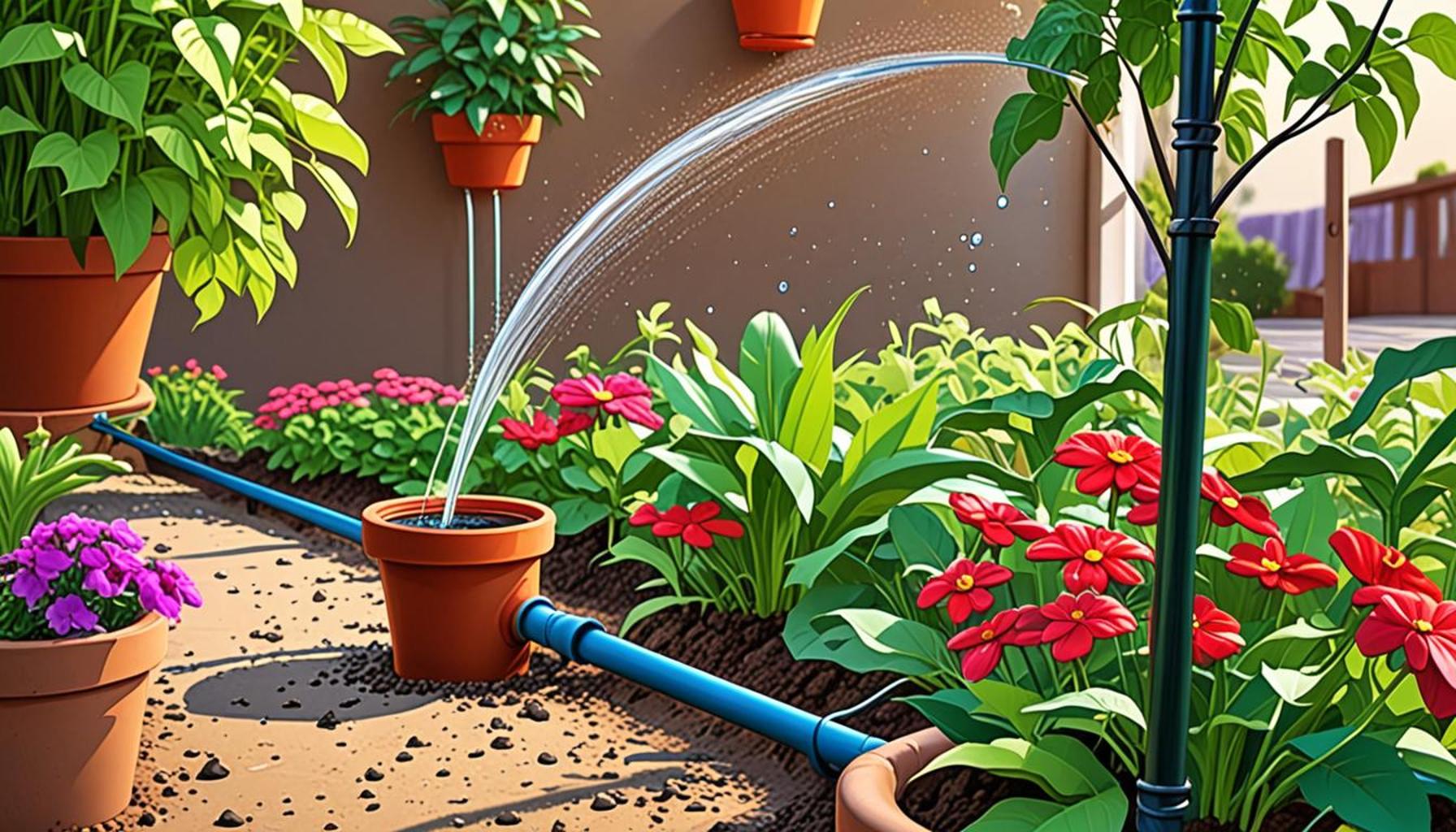
- Deep Watering Techniques: Instead of frequent shallow watering, focus on deep watering sessions that encourage roots to grow deeper into the soil. This helps plants establish a stronger foundation and enhances drought resistance. Use a soaker hose or drip irrigation system to deliver water directly to the soil, minimizing waste and maximizing absorption.
- Mulching for Moisture Retention: Applying a layer of mulch around your plants can significantly help in keeping the soil cool and moist. Organic options like wood chips or straw not only inhibit weed growth but also reduce surface temperatures, protecting plant roots from extreme heat. According to the American Society for Horticultural Science, a 2 to 4-inch layer of mulch can decrease soil temperature by as much as 10°F.
- Monitoring Soil Moisture: Using a moisture meter can be invaluable in determining when to water your plants. Overwatering can harm plants just as much as underwatering, especially in high temperatures. Soil moisture sensors can inform you precisely when your plants need hydration, ensuring that you’re not wasting water or stressing your flora.
- Adaptation of Watering Frequency: As temperatures climb, it’s essential to adjust how often you water. In general, plants will require more frequent watering during heatwaves, potentially every day for thirsty varieties. It’s crucial to observe your plants’ health closely—look for signs of wilting or dry soil, indicating that it may be time to increase watering intensity.
These strategies not only improve the overall health of your plants but also ensure that you are using your water resources wisely. Each technique aligns well with the unique climatic challenges faced in regions throughout the United States—from the scorching deserts of Nevada to the humid summers of the Southeast.
By implementing these watering methods effectively, you can create an environment in which your plants thrive, rather than just survive, even on the hottest days of summer. Stay tuned for more insights on specific tools and products that can aid in watering efficiency and ensure your garden remains lush and vibrant despite the sweltering heat.
As temperatures rise during summer months, understanding how to manage watering effectively becomes crucial for the health of your plants. Hot weather can increase evaporation rates and soil moisture depletion, making it essential to adopt strategies that ensure optimal hydration. One of the best practices is to water your plants during the early morning or late evening. This timing minimizes water loss due to evaporation and allows the plants to absorb moisture before the harsh midday sun. Furthermore, utilizing mulch can help retain soil moisture, regulate soil temperature, and suppress weed growth, which competes for water.Another important aspect to consider is the use of drip irrigation systems or soaker hoses. These methods deliver water directly to the plant roots, reducing waste and ensuring that plants receive the moisture they need without saturation. Additionally, monitoring your plants for signs of stress, such as wilting or yellowing leaves, can give you early indications of their water needs.Incorporating water-retaining gel or crystals can also be beneficial. These products absorb excess water when you water your plants and slowly release it during drier periods, acting as a safeguard against extreme temperature fluctuations. Remember, deeply watering your plants less frequently is often more effective than shallow, frequent watering as it encourages deeper root growth.So, keep a watchful eye on the weather, adjust your watering techniques accordingly, and remember that each plant species may have different hydration needs. By tailoring your approach to the specific demands of your plants, you can ensure they stay healthy and vibrant even on the hottest days.
EXPLORE MORE: Click here to learn about growing your own healing herbs
Utilizing Technology to Optimize Summer Watering
In today’s fast-paced world, technology offers innovative solutions that can transform your approach to gardening, particularly during sweltering summer months. Leveraging advanced tools and methods can enhance watering efficiency and ensure your plants remain hydrated, regardless of the heat. Here are some ways to incorporate technology into your watering routines:
- Smart Irrigation Systems: Utilizing IoT-based irrigation systems can significantly streamline hydration efforts. These systems are equipped with sensors that assess soil moisture levels, weather forecasts, and historical data to optimize watering schedules. Smart timers can adjust the frequency and duration of watering automatically based on real-time environmental conditions, conserving water while nurturing your plants effectively. According to the Environmental Protection Agency, smart irrigation can reduce water usage by approximately 15-30% compared to traditional methods.
- Soil Moisture Sensors: Investing in soil moisture sensors is another effective way to monitor hydration needs. These devices can indicate precisely when your plants require water, taking the guesswork out of gardening. Some advanced models even connect to your smartphone or computer, allowing you to receive alerts when it’s time to water. This technology can help you avoid both overwatering and underwatering, both critical during high-temperature periods.
- Weather Apps for Gardeners: Staying updated on temperature fluctuations can have a significant impact on your watering schedule. Weather applications provide forecasts, alerts about heatwaves, and temperature trends that can be crucial for summer gardening. By planning your watering around these predictions, you can ensure your plants receive adequate moisture, despite the heat. Popular apps like The Weather Channel and AccuWeather have features tailored for gardeners to assist in monitoring local conditions.
- Automated Drip Systems: A well-designed automated drip irrigation system delivers water slowly and directly to the plant roots, ensuring maximum absorption while minimizing evaporation. These systems can be set on a timer, tailored to the specific water needs of varied plant species. For instance, succulents require different watering frequencies than leafy greens, and automated systems can help address these unique demands efficiently.
- Mobile Garden Apps: Numerous mobile applications designed for gardeners offer insights on plant care and management during hotter months. These apps often include features like watering reminders, plant care calendars, and forums where you can share experiences with other gardeners. Consider apps like Gardenize or PlantSnap, which can help you manage your watering sessions efficiently and keep track of your plants’ health.
By integrating these technological solutions into your gardening practices, you can enhance your watering efficiency while supporting robust plant growth, even during extreme temperatures. As innovation continues to shape the gardening landscape, staying updated on new tools and methods can be a game-changer in ensuring plant survival and thriving during scorching summer days.
In addition to technological advancements, exploring alternative hydration techniques can provide an extra layer of protection for your plants. For instance, consider using water retention crystals or gel to enhance moisture retention in your soil. These substances can absorb and hold several times their weight in water, releasing it slowly as plants need it, which is especially beneficial in high heat conditions.
DISCOVER MORE: Click here for natural pest control tips
Conclusion: Embracing Strategies for Effective Watering
Understanding the impact of temperature on watering is crucial for maintaining the health of your plants during hot days. As temperatures rise, it becomes essential to adapt your watering regimen to combat heat stress and ensure adequate hydration. By employing a combination of advanced technology and alternative techniques, gardeners can significantly enhance their watering efficiency and protect their plants.
From smart irrigation systems that automatically adjust to the environment, to soil moisture sensors that provide precise watering schedules, technology has made it easier than ever to care for your garden. Moreover, utilizing weather apps allows you to stay informed about forecasted changes, providing insight into when your plants need the most attention. Coupled with hydration tools like water retention crystals, these strategies can help mitigate the effects of summer’s scorching heat.
Moreover, understanding your plants’ specific needs and adjusting watering practices accordingly is vital. Different species may react uniquely to heat, thus tailoring your approach is instrumental in fostering a thriving garden. It is also worth noting that experimenting with new techniques can lead to insights that enhance your gardening practices, making the experience even more rewarding.
In conclusion, rising temperatures present challenges, but with the right knowledge and resources, you can ensure your plants not only survive but thrive. By embracing modern solutions and maintaining awareness of their watering needs, you’ll cultivate a flourishing garden that stands resilient in the face of summer’s heat. As you continue to explore and adapt your gardening strategies, remember that your efforts today will yield a bountiful harvest tomorrow.

Linda Carter
Linda Carter is a gardening writer and home-growing specialist who helps beginners cultivate thriving home gardens. With extensive experience guiding new gardeners through plant selection and sustainable growing techniques, she shares practical gardening strategies on our platform. Her goal is to empower readers with actionable advice and step-by-step strategies to successfully grow their own food and create beautiful, productive gardens at home.