How to Create an Efficient Watering Schedule for Indoor Plants
The Key Elements of Indoor Plant Care
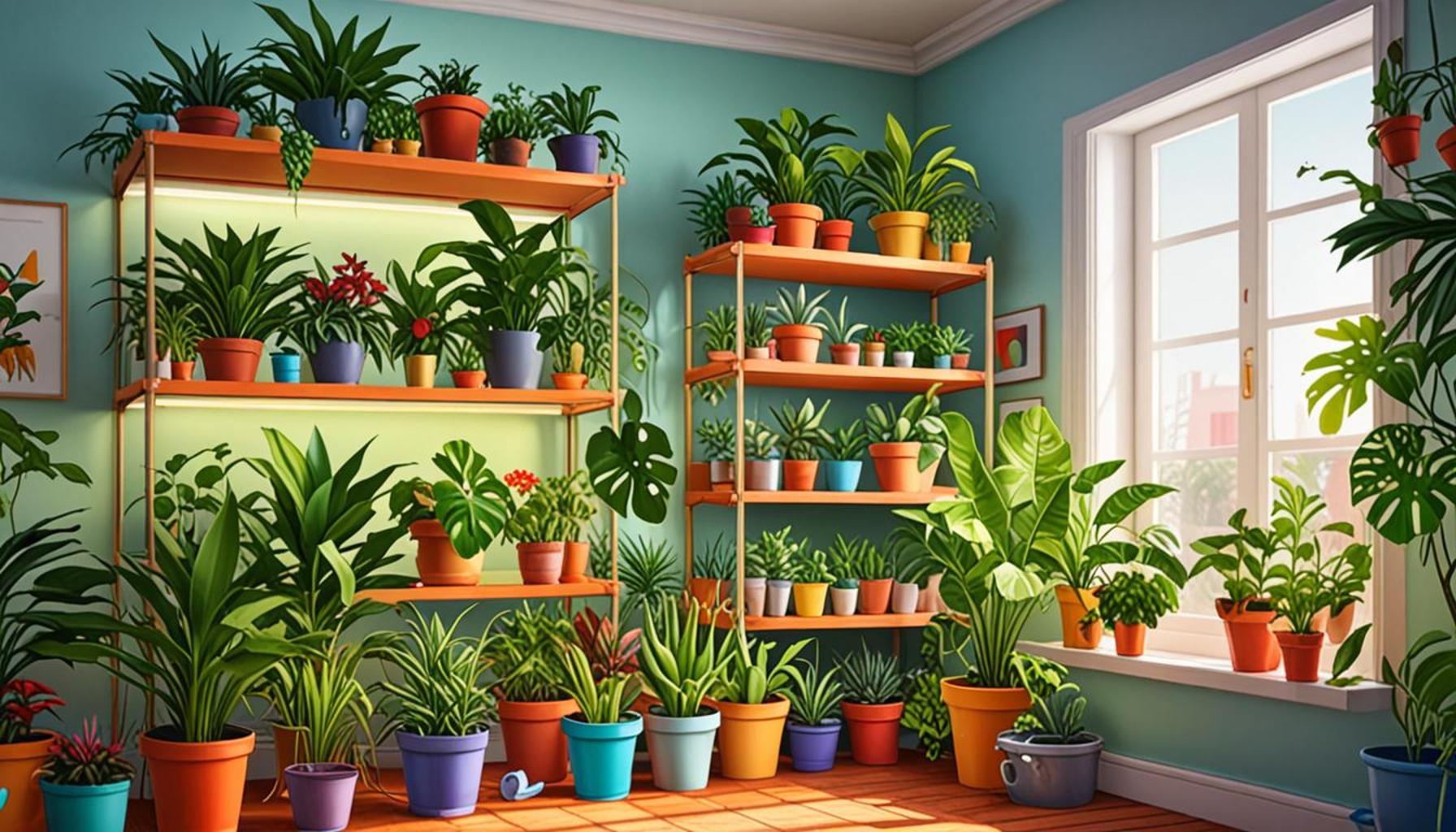
Indoor plants thrive with the right care, and efficient watering is key to their success. An improper watering schedule can lead to issues such as overwatering or under-watering, both of which can harm your plants. Understanding how to properly hydrate your greenery can transform your living space and enhance your indoor gardening experience.
Why Efficient Watering Matters
Creating an effective watering schedule is essential for maintaining healthy indoor plants. Here are some reasons why:
- Prevents Root Rot: Overly moist soil can suffocate roots, leading to decay. This condition is especially common in plants like peace lilies, which tend to droop when waterlogged and may show signs of yellowing leaves as a result of root stress.
- Promotes Healthy Growth: Consistent moisture supports nutrient absorption for robust growth. For instance, flowering plants such as African violets require regular watering to flourish, showcasing vibrant blooms only when their moisture needs are met.
- Enhances Plant Resilience: Well-watered plants are better equipped to withstand environmental stressors. For example, during dry winter months when indoor heating can sap moisture, plants that are adequately hydrated are less likely to develop leaf drop or browning edges, indicating their toughness.
Moreover, understanding the specific needs of your indoor plants significantly enhances their vitality. Adopting a tailored approach to watering can help each plant thrive according to its unique requirements. Here are some factors to consider:
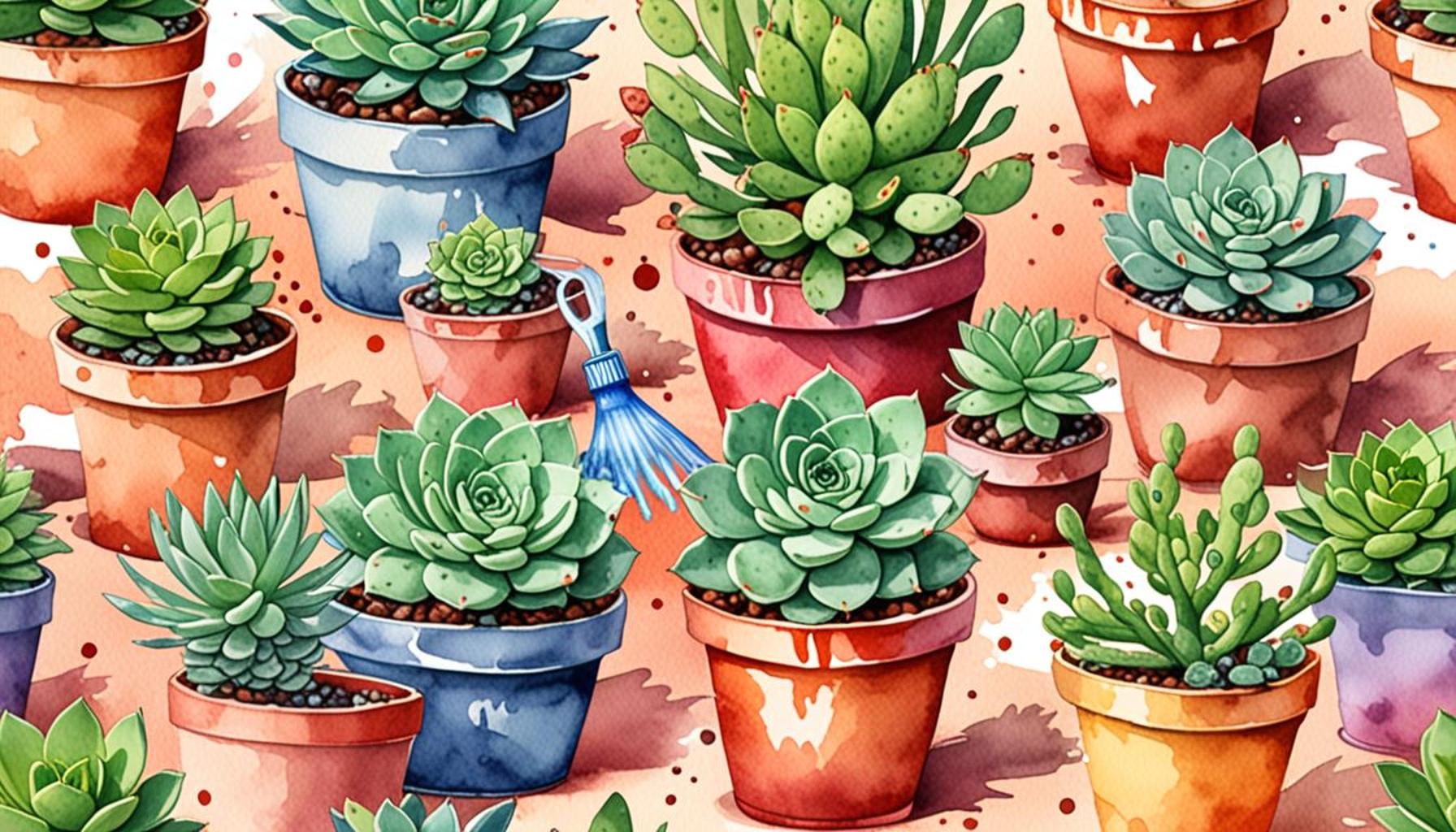
- Plant Type: Succulents, such as jade plants or aloe vera, thrive in dry conditions and require watering infrequently, while lush ferns enjoy consistently moist soil. Recognizing these differences is crucial to preventing mismanagement of water.
- Seasonal Changes: Plants may require more water in summer when temperatures rise and they actively grow compared to winter months. Monitoring how environmental changes affect your plants will help you adjust your watering schedule accordingly.
- Indoor Environment: Factors like heating systems, air conditioning, and humidity levels play a big role in how quickly soil dries out. Plants in drier spaces, such as near radiators or drafty windows, may need more frequent watering than those in a stable, humid area.
By developing an efficient watering schedule, you can ensure your indoor plants flourish in a thriving environment. As you dive deeper into the specifics, you will uncover the secrets to becoming a successful indoor gardener. Regularly check the moisture levels of your potting mix, and don’t hesitate to adjust your strategy based on your plants’ responses. Ultimately, a thoughtful approach to watering will yield a vibrant indoor oasis that delights the senses and brings a sense of tranquility to your home.
DISCOVER MORE: Click here to learn about lush indoor greenery
Understanding Your Indoor Plants’ Watering Needs
Creating an efficient watering schedule begins with understanding your indoor plants’ individual needs. Every plant species has its unique requirements regarding moisture, which can vary widely even among similar types. This means that a one-size-fits-all approach to watering won’t suffice. Here, we will delve into how to establish a customized watering routine that aligns with the specific demands of your greenery.
Assessing Soil Moisture
Before committing to a watering schedule, it is crucial to assess the moisture level of your plants’ soil. Checking the soil moisture can help you avoid the two most common watering mistakes: overwatering and under-watering. Here’s how to accurately evaluate soil moisture:
- Finger Test: Insert your finger about an inch into the soil. If it feels dry at that depth, it’s time to water. If it feels moist, wait a few more days before checking again.
- Soil Moisture Meter: For a more precise measurement, consider using a soil moisture meter. This handy device can give you a clear indication of moisture levels and help enhance your watering schedule.
- Weight Method: Lift the pot to gauge its weight. A lighter pot typically signifies dry soil, while a heavier pot indicates moisture. This method can be particularly helpful for larger indoor plants.
Creating a Customized Schedule
Once you understand how to check moisture levels effectively, the next step is developing a customized watering schedule. To do this successfully, you will need to factor in several elements:
- Type of Plant: Different plants have different moisture needs. Cacti and succulents, for example, prefer infrequent watering compared to tropical plants like peace lilies, which thrive in consistently moist soil. Research your specific plants to identify their watering preferences.
- Pot Size and Type: The size and material of your pots can impact drainage and moisture retention. Terracotta pots, for instance, are porous and allow for quicker evaporation, meaning they may need watering more frequently than glazed ceramic pots.
- Light Conditions: Plants that receive more direct sunlight typically require more water as they evaporate moisture faster. Keep an eye on your plants’ light exposure and adjust watering frequency based on their locations.
Furthermore, ensure that your watering schedule is flexible. While creating a routine is beneficial, stay attuned to changes in your plants’ health and environment. Seasonal transitions, for example, can significantly affect how much your plants need hydration. During the summer, when plants are actively growing, they might need more frequent watering compared to the dormant winter months.
Regular Monitoring is essential to your success. Observing changes in leaf color, drooping, or wilting can be indicators of insufficient or excessive watering. By integrating these practices, you will be well on your way to formulating a watering strategy that keeps your indoor plants thriving.
| Category | Advantages |
|---|---|
| Soil Moisture Awareness | Understanding your plants’ soil moisture levels helps prevent overwatering, which is a common mistake. |
| Tailored Watering Frequency | Creating a personalized schedule based on specific plant needs increases health and vitality. |
| Time and Convenience | A structured schedule makes it easier to manage your indoor garden without feeling overwhelmed. |
| Enhanced Growth | Regular, efficient watering contributes to robust growth, resulting in vibrant and lush foliage. |
| Resource Conservation | A well-planned schedule minimizes excess water waste, leading to eco-friendly gardening practices. |
When crafting an efficient watering schedule, it’s essential to start with understanding the specific needs of each plant. Different indoor plants have varying water requirements influenced by factors such as their size, species, and the environment they are in. For instance, succulents and cacti thrive on infrequent watering due to their water-storing capabilities, while fern varieties flourish when their soil remains consistently moist. Moreover, using tools like moisture meters can provide precise data on soil saturation levels, guiding you on when to water. Incorporating a tracker—whether digital or physical—can assist in maintaining your watering records and adapting any necessary changes based on seasonal variations. Ultimately, an efficient watering schedule not only promotes healthier plants but also cultivates an enjoyable and sustainable indoor gardening experience. By deeply engaging with the needs of your indoor plants and adhering to a structured approach, you can unlock their full potential while minimizing your effort and maximizing results.
DIVE DEEPER: Click here to learn how to blend annual and perennial plants in your garden</
Fine-Tuning Your Watering Routine
Having established the foundation of assessing moisture and customizing your watering schedule, the next step is to fine-tune your routine further to ensure optimal growth for your indoor plants. This involves understanding factors that can influence water requirements beyond the initial changes you might have observed.
Seasonal Adjustments
One of the essential components of an efficient watering schedule involves being aware of seasonal changes. Throughout the year, indoor plants experience varying light levels, temperature shifts, and humidity changes. These fluctuations significantly impact your plants’ hydration needs:
- Spring and Summer: As your plants emerge from dormancy and enter their growth phase, they will typically require more water. During these warmer months, consistently monitor your plants, increasing the frequency of watering as needed. You may even find yourself watering weekly, especially with fast-growing varieties like pothos or ficus.
- Fall and Winter: In contrast, many indoor plants slow down during the colder months, often leading to less frequent watering. Some plants, particularly succulents and cacti, may only need watering every few weeks. Pay attention to the soil moisture; you may be surprised at how long some plants can thrive without additional hydration during dormancy.
Humidity Considerations
Indoor air humidity levels can significantly affect your plants’ moisture uptake. In regions with dry climates, especially during winter months when indoor heating is used, the air can become parched. If you notice that your plants are exhibiting signs of stress such as browning leaf tips or wilting, consider adjusting your watering schedule accordingly. Here are some effective methods to boost humidity:
- Grouping Plants: Place your plants close to one another. This creates a microclimate and can help maintain higher humidity levels around all of them.
- Humidity Trays: Fill shallow trays with water and pebbles, setting your plant pots on top. As the water evaporates, it will increase humidity around the plants.
- Regular Misting: Occasionally misting your plants can help to maintain humidity, but be cautious with plants that are susceptible to mold or rot.
Water Quality
Beyond the quantity and frequency of watering, the quality of the water you use can impact plant health considerably. Tap water in certain areas may contain chemicals such as chlorine and fluoride, which can be harmful to sensitive plants. To ensure your indoor plants receive the best care:
- Filter Water: Use a water filter to reduce impurities, or let tap water sit out overnight to allow chemicals to dissipate before use.
- Use Rainwater: Collecting rainwater can be an excellent alternative, as it is typically free from harsh chemicals and rich in nutrients.
- Check pH Levels: Consider testing the pH of your water to ensure it is within an acceptable range for your specific plants, as some may prefer more acidic or alkaline conditions.
Having a diverse array of indoor plants can pose challenges to a watering schedule. Therefore, maintaining a journal or a digital tracker can be beneficial for monitoring watering patterns and specific plant reactions over time. This practice not only helps you stay organized but also provides invaluable insights into what works best for each unique species.
DISCOVER MORE: Click here to explore indoor gardening with succulents
Conclusion: Mastering Your Indoor Plant Care
Creating an efficient watering schedule for your indoor plants is not just a matter of routine; it’s a vital practice that can make or break your plants’ health and vitality. By recognizing the seasonal adjustments and understanding varying indoor conditions, you elevate your watering game to meet the specific needs of each plant species in your collection. This adaptability ensures that every plant receives the right amount of water when they need it most, allowing them to flourish throughout the year.
Additionally, keeping an eye on factors like humidity levels and water quality can significantly enhance the well-being of your indoor garden. As you bring together these elements—from microclimate adjustments to utilizing cleaner water—you pave the way for robust growth and vibrant foliage. Remember, no two plants are alike; their individual needs should be at the forefront of your watering strategy.
Finally, don’t underestimate the power of cognizance and documentation. By crafting a watering journal, you will not only track the health of your plants but also intuitively cultivate a deeper understanding of their requirements over time. This investment in your knowledge will ultimately yield a thriving indoor garden, rich in life and color.
As you embark on this journey of plant care, stay observant and curious, and let your passion guide you. The more you nurture your plants, the more they will reward you with their lush beauty and serene presence in your home.

Linda Carter
Linda Carter is a gardening writer and home-growing specialist who helps beginners cultivate thriving home gardens. With extensive experience guiding new gardeners through plant selection and sustainable growing techniques, she shares practical gardening strategies on our platform. Her goal is to empower readers with actionable advice and step-by-step strategies to successfully grow their own food and create beautiful, productive gardens at home.