Common Mistakes in Seasonal Planting and How to Avoid Them
Understanding Key Pitfalls in Seasonal Planting
Seasonal planting is an integral aspect of gardening, significantly influencing the aesthetic and productive capacity of your outdoor space. However, many novice and even seasoned gardeners often overlook crucial elements, leading to a less-than-ideal garden experience. By recognizing common mistakes in seasonal planting, you can enhance your gardening success dramatically. Let’s dissect these frequent errors, uncover their implications, and offer practical solutions.
Timing Issues
The timing of planting can make or break your garden. If you plant too early in the spring, you risk exposing your young plants to unexpected frosts. For instance, in many regions of the U.S., like the Midwest, the last frost date can extend well into April. Conversely, waiting too long can hinder growth potential; consider tomatoes, which need warm soil to thrive. It’s essential to consult local planting calendars or resources such as the USDA Plant Hardiness Zone Map, which provides valuable insights into appropriate planting times relative to your geographic zone.
Soil Mismanagement
Another common pitfall is neglecting soil health. Soil is the foundation upon which your plants thrive, yet many gardeners fail to test its nutrient levels or pH. Poorly managed soil can lead to diminished plant performance and yield. Regular soil testing, which can often be done through local extension services, allows you to understand nutrient deficiencies or imbalances. Amending soil with organic matter, such as compost or well-rotted manure, can significantly improve plant health and productivity, providing vital nutrients for robust growth. Investing time in soil management translates to longer-term benefits, making it a critical aspect of gardening success.
Poor Planning
Planning and organization play critical roles in seasonal planting. Many gardeners don’t consider plant compatibility, leading to poor growth and production. For example, planting garlic alongside beans can inhibit the growth of the latter, due to allelopathic effects. Utilizing companion planting strategies can lead to healthier crops. Moreover, planning your garden layout considering sunlight, water requirements, and space optimization ensures each plant has the best chance to thrive. It also allows you to maximize your harvesting potential throughout the growing season. Resources like gardening books or online forums can provide invaluable guidance and ideas for effective planting strategies.
In summary, avoiding common mistakes in seasonal planting requires a good understanding of timing, soil management, and careful planning. With these foundational elements in check, your garden can evolve into a flourishing landscape, showcasing a variety of plants at their peak. As you delve deeper into seasonal gardening, remember that learning from past experiences and continuously improving your approach are key strategies for sustainable gardening success. Ready to dig deeper into your seasonal planting journey? The knowledge you gain will echo throughout the growing seasons, promising to transform your landscaping into a vibrant oasis.
DIVE DEEPER: Click here to enhance your gardening knowledge
Navigating the Tricky Terrain of Seasonal Planting
As you embark on your gardening adventure, understanding the fundamental challenges of seasonal planting is crucial. Ignorance of seasonal plant cycles can lead to disappointing results, which might discourage even the most passionate gardeners. Dedicating time to educate yourself on the nuances of planting will empower you to create a thriving garden. Below, we delve into several common mistakes and effective strategies to sidestep them, paving the way for gardening success.
Overlooking Microclimates
Many gardeners underestimate the significance of microclimates in their outdoor spaces. A microclimate refers to the subtle variations in climate within a small area that can significantly affect plant growth. For example, areas close to your home may retain heat better than open spaces, and shaded corners may experience cooler temperatures. Ignoring these conditions can lead to poor plant choices or placement errors. To avoid this mistake:
- Observe your garden: Take note of sun patterns, wind directions, and moisture retention throughout the day.
- Test different placements: Plant varieties in various locations to see which thrive best in specific microclimates before committing to a full layout.
- Adapt your selection: Choose plants that are well-suited to your detected microclimates. For instance, consider cold-hardy plants for shaded areas and heat-loving varieties for sun-exposed spots.
Neglecting Plant Care Instructions
Another frequent misstep is disregarding the specific care requirements of each plant. Every variety comes with its own set of instructions, covering aspects such as watering frequency, fertilization needs, and pest management. Failing to follow these guidelines can stifle growth or result in plant mortality. To avoid mishaps:
- Read labels: Always consult the planting instructions found on seed packets or plant tags for best practices.
- Research preferences: Look up your plants online to uncover their unique conditions and requirements.
- Document care: Keep a gardening journal that tracks watering schedules, fertilizer applications, and any other significant observations.
Ignoring Seasonal Trends
Lastly, a lack of awareness regarding seasonal trends can affect what you plant and when. Some plants flourish in cooler months, while others prefer the heat of summer. Ignoring these trends can lead to poor yield and wasted effort. To ensure optimal planting:
- Stay updated: Follow local gardening clubs or extension services that can provide relevant insights on seasonal planting in your area.
- Utilize resources: Leverage online gardening calendars that outline the best planting months for various crops based on your region.
- Plan for our changing climate: Adapt your planting schedule as weather patterns shift over the years, which might impact traditional planting times.
By recognizing these mistakes—overlooking microclimates, neglecting care instructions, and ignoring seasonal trends—you will set yourself up for a rewarding gardening experience. Understanding how to navigate these challenges is essential in avoiding common pitfalls in seasonal planting, transforming your garden into a fruitful, vibrant space.
Common Mistakes in Seasonal Planting and How to Avoid Them
When it comes to seasonal planting, the difference between a thriving garden and a struggling one often lies in the details. Many gardeners, both novice and experienced, make common mistakes that can negatively impact their plants. Understanding these pitfalls can enhance your gardening experience and yield remarkable results. One frequent mistake is planting too early in the season. While the eagerness to get things growing is natural, environmental conditions significantly influence plant health. Frost can devastate young seedlings. To avoid this mistake, it is crucial to check the local frost dates and plan your planting schedule accordingly. Utilizing simple tools like frost calendars or local agricultural extensions can provide valuable insights.Another common error is incorrect soil preparation. Many overlook the need to amend their soil adequately based on the specific plants they aim to cultivate. Soil quality directly impacts nutrient availability and drainage, which are pivotal for optimal growth. Before planting, always conduct a soil test to determine its pH and nutrient levels, and be prepared to incorporate organic matter as needed. Additionally, improper watering techniques can lead to subpar growth. Overwatering can suffocate roots, while underwatering stresses them. To strike the right balance, consider adopting consistent watering schedules and utilizing mulch to retain soil moisture. Seasonal planting is a rewarding endeavor that, when approached with knowledge, can also be a compelling lesson in patience and natural cycles. Keeping these common mistakes in mind will not only keep your plants flourishing but will take your gardening skills to new heights.
| Category | Advisory Note |
|---|---|
| Timing of Planting | Ensure you know the frost dates for your region to avoid planting too early. |
| Soil Preparation | Amend soil based on a soil test for nutrients and pH levels. |
| Watering Practices | Adopt a consistent watering schedule and consider using mulch for moisture retention. |
By addressing these common mistakes early on, you can cultivate a thriving garden that flourishes with the seasons. Keep experimenting, learning, and refining your technique to become adept at seasonal planting.
DISCOVER MORE: Click here for innovative pest barrier solutions
Avoiding Environmental and Timing Pitfalls
In addition to the three common mistakes discussed previously, there are several other environmental and timing pitfalls that can hinder your seasonal planting success. A greater understanding of these issues can make a noticeable difference in your gardening endeavors.
Planting Too Early or Too Late
One of the most prevalent errors gardeners make is misjudging the timing of their planting. Planting too early can expose tender seedlings to late frosts, while planting too late often results in insufficient growth cycles to produce a viable harvest. The key to avoiding this mistake lies in being informed about your local growing season:
- Know your frost dates: Familiarize yourself with the average last frost in spring and first frost in fall for your region. This information can typically be found through local agricultural extensions or gardening groups.
- Use soil temperature as a guide: Many seeds germinate best at specific soil temperatures. For instance, cucumbers thrive when the soil reaches 70°F, making it vital to monitor soil conditions with a thermometer.
- Gap planting: Stagger your planting for certain crops that can be harvested over multiple weeks, thus optimizing your yield and ensuring a continuous supply of fresh produce.
Choosing the Wrong Plant Varieties
Another classic error is selecting plant varieties that are unsuitable for your growing environment. Factors such as the climate, soil type, and even the amount of sunlight impact plant success. To avoid this mistake, consider the following strategies:
- Research native plants: Native plants are often well-adapted to your local conditions and typically require less water and maintenance. Local horticultural societies can provide insights into the ideal plants for your area.
- Understand your zone: Familiarize yourself with the USDA Plant Hardiness Zone Map to better select varieties that thrive in your climate zone.
- Consult with local experts: Engaging with experienced gardeners or local garden centers can yield valuable guidance on the best varieties suited for your specific conditions.
Overplanting and Underestimating Space
In the excitement of planting season, novice gardeners often tend to overplant or underestimate the space required for each crop. Overcrowding not only limits air circulation but increases competition for nutrients and water, hindering plant growth. To prevent this common pitfall:
- Follow spacing guidelines: Adhere to the recommended spacing outlined on plant labels or seed packets. This allows for sufficient root expansion and access to resources.
- Use companion planting: Research companion planting techniques, where certain plants complement one another in terms of growth and pest deterrence, thereby maximizing space without overwhelming plants.
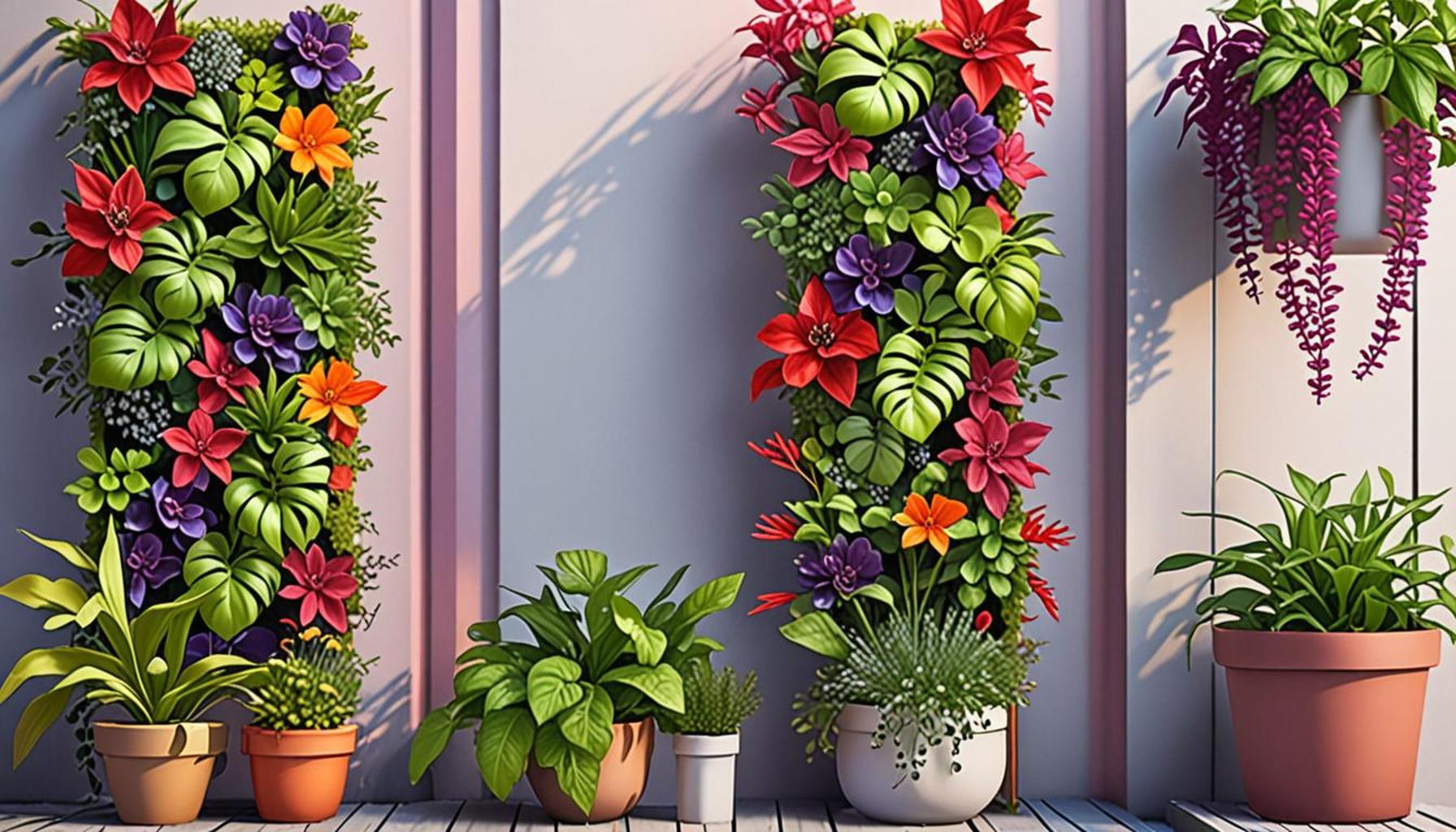
- Consider vertical gardening: By utilizing vertical gardening techniques, you can increase your planted area and keep your garden organized without overcrowding, especially in small spaces.
By addressing the potential pitfalls of timing, plant variety selection, and space management, you can create a thriving gardening environment. The journey of seasonal planting may have its challenges, but with the right knowledge and keen observation skills, you can flourish in your gardening pursuits.
DISCOVER MORE: Click here to learn how to create a wildlife sanctuary</
Conclusion: Cultivating Success Through Knowledge
Mastering the art of seasonal planting involves more than simply digging holes and dropping in seeds. By proactively addressing the common mistakes in seasonal planting, you can significantly enhance your gardening success and enjoy bountiful rewards. Understanding timing, making informed choices about plant varieties, and managing space effectively are crucial steps on the path to a flourishing garden.
As you cultivate your green thumb, remember that knowledge is power. Equip yourself by diving into local resources, such as agricultural extensions and community gardening groups, which can provide tailored advice suited to your specific climate and soil conditions. Embrace the wisdom of seasoned gardeners, and don’t hesitate to experiment to find what works best for you and your environment.
Moreover, be mindful that seasonal planting is not a one-size-fits-all endeavor. Each garden is unique, and understanding your personal growing space often paves the way for exceptional results. As you refine your techniques, consider integrating new practices, such as companion planting or vertical gardening, to maximize your yield and create an aesthetically pleasing landscape.
In essence, transforming your garden into a thriving, productive environment is an ongoing journey. By avoiding these common pitfalls and continually expanding your knowledge base, you can cultivate not only plants but also a rewarding gardening experience. So roll up your sleeves, embrace the challenges, and watch your garden flourish!

Linda Carter
Linda Carter is a gardening writer and home-growing specialist who helps beginners cultivate thriving home gardens. With extensive experience guiding new gardeners through plant selection and sustainable growing techniques, she shares practical gardening strategies on our platform. Her goal is to empower readers with actionable advice and step-by-step strategies to successfully grow their own food and create beautiful, productive gardens at home.