
The Importance of Crop Rotation in Seasonal Planting for Beginners
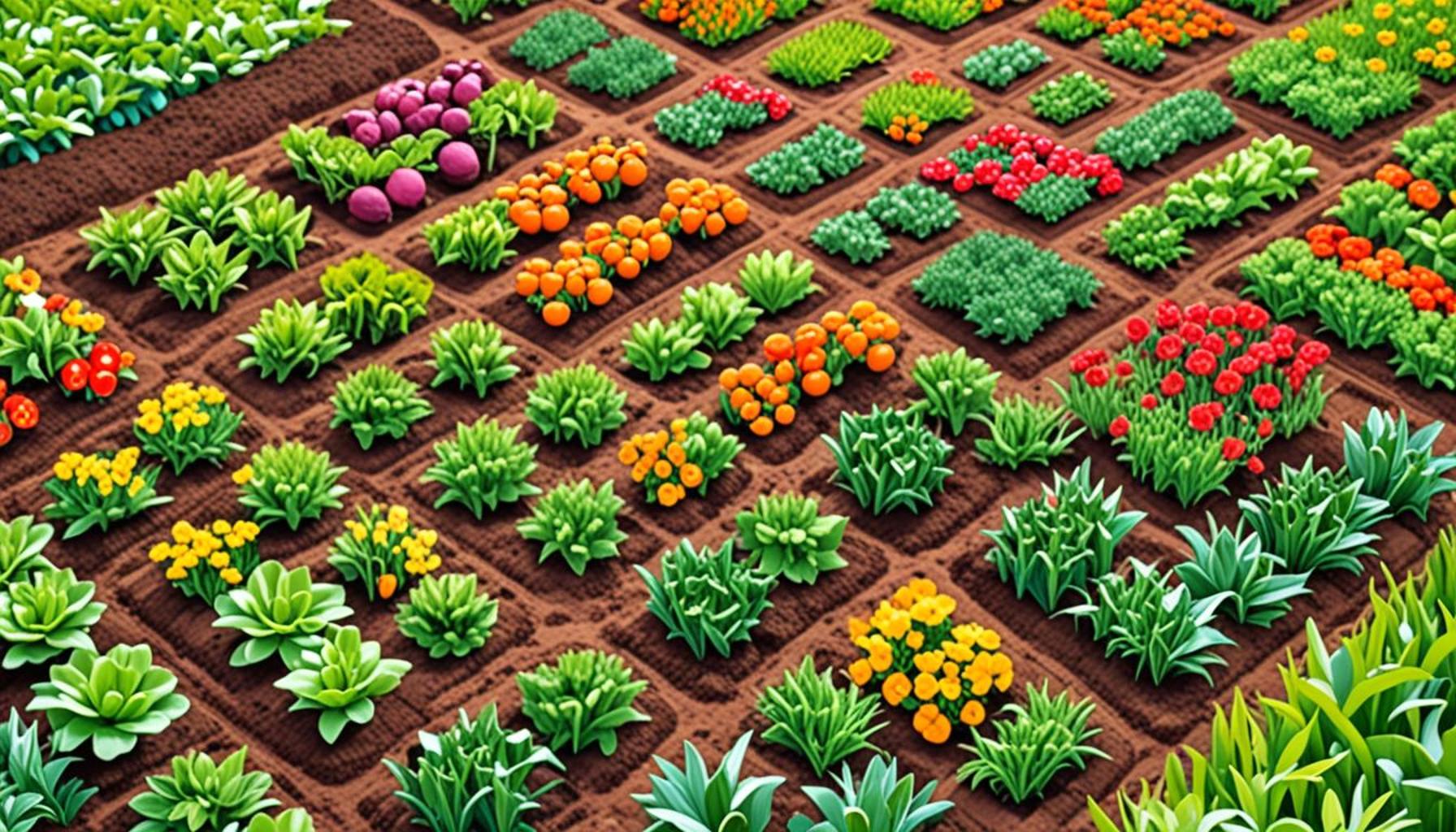
Understanding Crop Rotation
For new gardeners, the concept of crop rotation may seem complex, but it is an essential practice that can significantly enhance your gardening success. This age-old technique involves alternating the types of crops grown in specific plots over different seasons. As you venture into the world of seasonal planting, knowing the benefits of crop rotation is crucial.
Why Consider Crop Rotation?
- Soil Health: Rotating crops helps maintain the nutrients in the soil, preventing depletion caused by continuous planting of the same type. Different plants contribute to and extract various nutrients, which means that growing a diverse range over time enriches your soil. For instance, deep-rooted plants like carrots can access nutrients from lower soil layers, while shallow-rooted plants such as lettuce can thrive on the nutrients closer to the surface.
- Pest and Disease Management: This strategy reduces the buildup of pests and diseases that can occur when the same crops are planted repeatedly. Pests have a tendency to adapt and flourish when their preferred food source remains consistent. For example, rotating tomatoes with crops that are not related, such as beans, can significantly disrupt the life cycles of specific pests that target tomatoes.
- Increased Yields: By varying your crops, you can achieve better yields as different plants have varying nutrient requirements. When you practice crop rotation, you can optimize what each type of plant contributes to the soil and how they utilize its resources. This shared and varied nutrient demand allows the land to recover and thrive, maximizing your harvest in the long run.
In the United States, where diverse climates and soils exist, adapting the right crop rotation plan can lead to impressive results. Beginners can start with simple rotations, such as alternating between leafy greens like spinach in the spring and root vegetables like beets in the fall, or legumes such as peas followed by grains like corn. These basic combinations not only improve soil health but also provide a visually interesting garden throughout the growing seasons.
Exploring Further
Crop rotation is more than just planting different crops; it involves understanding plant families, their growth cycles, and how they interact with the environment. Family classifications such as legumes, nightshades, brassicas, and cucurbits each have unique interactions that influence nutrient uptake and pest issues. For instance, planting members of the brassica family, like cabbages, can deter pests that normally affect related plants. To truly benefit from this practice, aspiring gardeners should explore local resources and join community garden programs that can provide additional insights and support. Local agricultural extension services and state gardening clubs often offer workshops focused on sustainable gardening practices, including effective crop rotation techniques.
Engaging with fellow gardening enthusiasts can be a rewarding experience, as sharing successes and challenges with crop rotation can broaden your knowledge base, empowering you to create an even more thriving garden.
DISCOVER MORE: Click here to explore delicious herbs for your garden
The Benefits of Crop Rotation
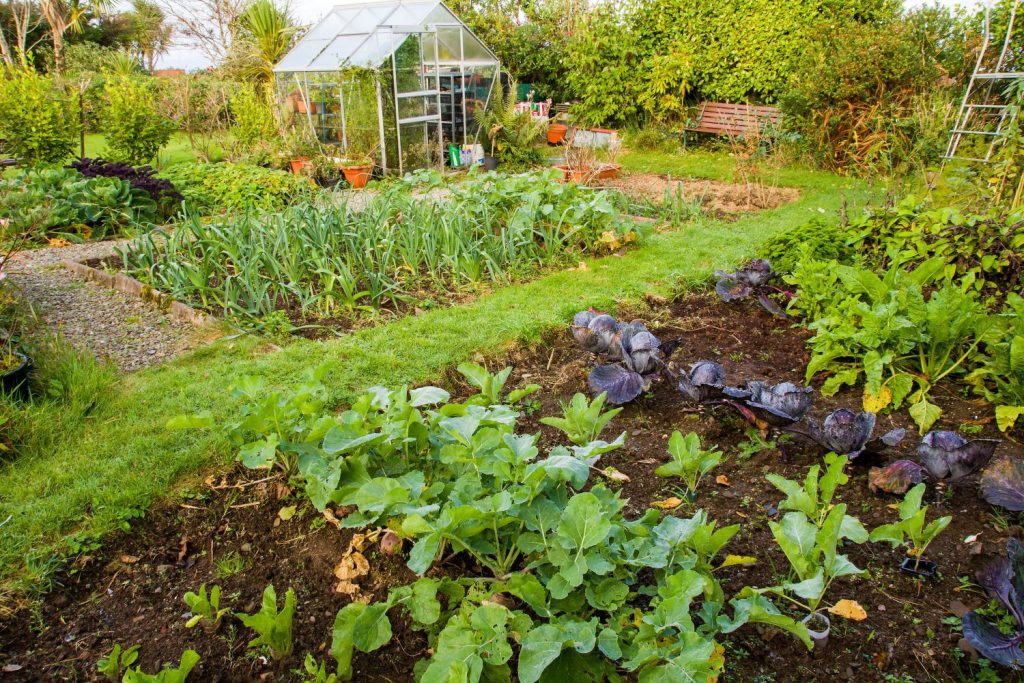
Understanding the significance of crop rotation is paramount for new gardeners aiming to cultivate healthy and productive gardens. In essence, crop rotation revolves around the systematic planting of different crops in a sequence, which contributes to a sustainable gardening approach. This technique not only fosters a healthier ecosystem within your garden but also encourages a more bountiful harvest.
Enhancing Soil Fertility
One of the primary reasons for implementing crop rotation is its unparalleled ability to enhance soil fertility. Different plants have varying nutrient needs and root structures. For instance, leguminous plants, such as beans and peas, are known for their capacity to fix nitrogen in the soil. This crucial process reduces the need for synthetic fertilizers and enriches the soil for subsequent crops. When these legumes are followed by nutrient-demanding plants like corn or tomatoes, they thrive due to the beneficial nitrogen that was naturally added to the soil earlier. By recognizing and alternating these plant types, gardeners can create a continuously healthy growing environment.
Diverse Planting Strategies
Another hallmark of crop rotation is its role in promoting diversity within your garden. By rotating crops among different families, gardeners can reap a multitude of benefits. Consider the following strategies:
- Plant Families: Grouping vegetables into plant families and timing their rotations can mitigate disease risk. For example, rotating nightshade family plants (like tomatoes and potatoes) with unrelated families (like brassicas or cucurbits) can disrupt pest lifecycles.
- Seasonal Adaptation: Understanding which crops thrive in your local climate can help tailor your rotation strategy. Begin with cool-season crops such as lettuce or radishes in early spring and follow up with warm-season crops like zucchini or peppers in the summer for a staggered planting approach.
- Soil Recovery: Allowing the soil to recover between plantings is crucial. By alternating heavy feeders with light feeders, you prevent soil exhaustion. Root crops like carrots can follow leafy greens to ensure that soil health is maintained while allowing essential microorganisms to flourish.
Incorporating these strategies not only leads to healthier plants but also enhances the variety of crops in your garden. The rotating process can yield visually stunning and flavorful results, ultimately creating a fertile and dynamic growing space.
Gaining Knowledge from Experience
As a beginner, taking the time to research and plan effective crop rotation strategies can translate into greater yields and improved soil health. Engaging with local gardening communities and utilizing educational resources can further deepen your understanding. Many state universities in the U.S. provide comprehensive guidelines on crop rotation tailored to regional conditions, which can be a valuable asset in your gardening journey.
In summary, starting with a managed crop rotation plan will benefit not only your immediate crop yield but also the long-term sustainability of your garden’s ecosystem. The road to becoming a proficient gardener begins with mastering these fundamental techniques, paving the way for success in your seasonal planting endeavors.
The Advantages of Crop Rotation
Crop rotation is a fundamental agricultural practice that holds significant importance for beginners in seasonal planting. It involves the systematic planting of different crops in a specific order on the same land, offering numerous benefits that enhance soil health, maximize yields, and minimize pest issues. Here, we explore the various advantages of implementing crop rotation techniques to elevate your farming practices.
| Category 1 | Category 2 |
|---|---|
| Soil Fertility | Crop rotation helps maintain nutrient balance by alternating deep and shallow rooted plants, optimizing soil enrichment. |
| Pest Management | Diverse crops reduce pest infestations, as many pests are crop-specific, resulting in fewer diseases and less reliance on chemical pesticides. |
Integrating crop rotation into your seasonal planting strategies not only bolsters the sustainability of your agricultural practices but also guarantees robust crop production. As new insights reveal, embracing this method can lead to a healthier ecosystem, attracting beneficial organisms while repelling harmful ones. This, combined with improved soil conditions, ultimately results in more productive yields and reduced expenses related to fertilizers and pesticides. Therefore, for beginners aiming for successful gardening or farming, adopting crop rotation is a critical step towards achieving sustainability and productivity.
LEARN MORE: Click here for eco-friendly pest control tips
Mitigating Pests and Diseases
Another compelling reason to adopt crop rotation practices in your garden is its efficacy in mitigating pests and diseases. It is a well-established fact that certain crops can attract specific pests or be prone to particular diseases. For example, growing the same crop in the same location year after year can lead to an increased buildup of pests, such as aphids or diseases like blight, which target that crop. By rotating crops, you can interrupt the life cycles of these threats, effectively reducing their population and impact on your plants.
Crop Rotation as a Pest Management Tool
Consider incorporating a simple yet effective pest management strategy into your annual gardening plan. If you previously cultivated cabbage, which often attracts cabbage worms, rotating to a completely unrelated family like carrots can diminish the likelihood of those pests establishing themselves. This method not only protects your plants but also reduces the dependency on chemical pest control methods, which is beneficial for both the environment and personal health.
Building Resilient Garden Ecosystems
As you integrate crop rotation into your gardening practices, keep in mind that you are also contributing to the resilience of your garden’s ecosystem. A diverse planting scheme encourages beneficial insects and pollinators, which are essential for maintaining healthy plants and pollinating seasonal crops. The inclusion of a wide variety of plants can attract predatory insects that help manage pest populations naturally. For instance, growing flowering plants like nasturtiums or marigolds can attract ladybugs and lacewings that feast on common garden pests.
Promoting Soil Microbial Diversity
Crop rotation also plays a crucial role in fostering soil microbial diversity. Different plants have distinct root structures and exude varied organic compounds into the soil that feed diverse microorganisms. Introducing plants like garlic or onions can be beneficial since they have antimicrobial properties that may suppress soil-borne pathogens. This means that a diverse garden not only supports a robust microbial population but can also improve soil health in ways that are not readily apparent.
Keeping Records for Future Success
For beginners, keeping a gardening journal can be an invaluable tool as you navigate the concepts of crop rotation. Documenting planting dates, the type of crops planted, and observed successes or failures can help you construct an effective rotation strategy over the years. This means that each season not only serves as an opportunity to plant but also becomes a learning experience. Making note of what worked well and areas for improvement will enhance your gardening skills, allowing you to refine your approach and achieve even greater yields in the future.
As you consider the multitude of benefits associated with crop rotation—whether it’s battling pests, nurturing soil health, or fostering biodiversity—it’s clear that this agricultural practice is not merely an option but a necessity for any aspiring gardener. Implementing these strategies can set a solid foundation, ensuring that your seasonal planting efforts are met with rewarding outcomes.
DISCOVER MORE: Click here to learn about enhancing your garden!</p
Conclusion
In conclusion, embracing crop rotation is a transformative approach for beginners looking to elevate their gardening experience. This age-old practice not only helps to maintain healthy soil but also plays a pivotal role in managing pests and diseases, thus ensuring a thriving garden environment. By rotating crops, you create a dynamic and resilient ecosystem that fosters soil health and encourages beneficial microbial diversity.
Furthermore, the skills you develop in implementing a crop rotation strategy are invaluable, allowing you to build a sustainable gardening routine while observing the intricate relationships between plants and their environment. Keeping precise records as you experiment with various plant families enriches your gardening knowledge and enhances future planting decisions. Observing patterns and results will not only refine your approach but will also inspire a deeper connection to the natural processes at work in your garden.
The journey of gardening is filled with opportunities for growth—both for the plants and for you as a gardener. As you engage with crop rotation, you embark on a path toward not just successful yields but a more profound appreciation of the ecosystems you nurture. With the multitude of benefits associated with this practice, it’s clear that for any aspiring gardener, mastering crop rotation is essential for achieving a fruitful and resilient garden. From improving soil health to promoting biodiversity, it’s time to embrace this integral practice and reap the rewards that come with it.

Linda Carter
Linda Carter is a gardening writer and home-growing specialist who helps beginners cultivate thriving home gardens. With extensive experience guiding new gardeners through plant selection and sustainable growing techniques, she shares practical gardening strategies on our platform. Her goal is to empower readers with actionable advice and step-by-step strategies to successfully grow their own food and create beautiful, productive gardens at home.