
How to Create a Seasonal Food Garden: Growing Your Own Food at Home
Understanding the Benefits of a Seasonal Food Garden
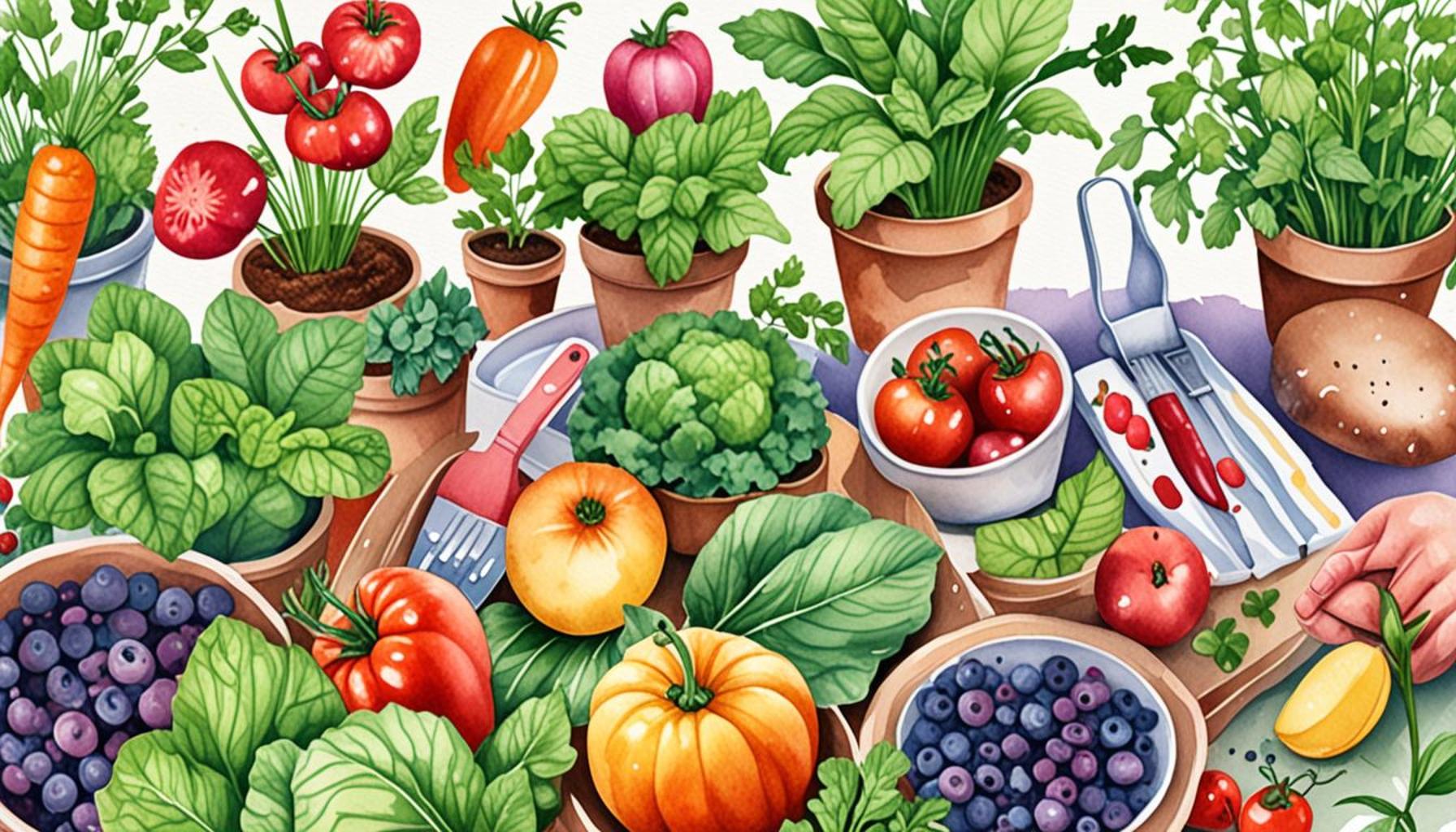
Imagine stepping outside your door to harvest fresh tomatoes, crisp lettuce, or fragrant herbs. A seasonal food garden not only provides delicious produce but also offers a fulfilling connection to nature. By cultivating your own food at home, you can enjoy the many benefits of gardening while contributing to a sustainable lifestyle. Beyond personal enjoyment, this practice can have wide-reaching implications for health, finance, and the environment.
Creating a seasonal food garden may sound daunting, but it can be a rewarding experience for anyone, regardless of your prior gardening experience. Here are key reasons to consider starting your garden:
- Health Benefits: Access to fresh produce can enhance your diet and overall health. Homegrown fruits and vegetables are often more nutritious than store-bought varieties, which may have traveled long distances and experienced nutrient loss during transportation. Studies have shown that a diet rich in fruits and vegetables can reduce the risk of chronic diseases while boosting your immune system.
- Cost-Effective: Growing your own food can significantly reduce grocery bills. A single tomato plant can produce dozens of fruits over the summer, saving you both money and trips to the store. Additionally, seasonal gardening often means fewer expenses on fertilizers and pesticides, as many plants can thrive with natural treatments.
- Environmental Impact: Home gardens help in reducing carbon footprints and promoting biodiversity. By growing your own food, you decrease reliance on mass-produced agriculture, which is often resource-intensive. Local gardens contribute to healthier ecosystems, are beneficial for pollinators like bees, and can even improve soil quality.
In many regions of the United States, seasonal gardening is not just practical; it’s a lifestyle choice that fosters community engagement and environmental stewardship. From springtime greens to fall harvests, understanding the right plants to grow in each season can maximize your success while adding a vibrant array of colors and flavors to your meals.
This guide will explore:
- Essential plants for each season, including beans in spring, tomatoes in summer, and squash in fall.
- Best practices for soil preparation that help ensure healthy growth, such as composting and crop rotation.
- Tips for maintaining a thriving garden, such as proper watering techniques and organic pest management.
Join us on this journey to transform your backyard into a bountiful seasonal food garden! Whether you’re looking to produce just a few herbs on your windowsill or transform your entire yard into a productive landscape, there’s no better time to start than now. Embark on a fulfilling adventure that not only enhances your culinary experiences but also nurtures your connection to the environment. Your garden awaits!
DISCOVER MORE: Click here to learn about effective soil erosion control
Choosing the Right Plants for Your Seasonal Garden
One of the most exciting aspects of creating a seasonal food garden is selecting the plants that will flourish in your climate and provide bountiful yields throughout the year. Understanding the best crops for each season not only maximizes your harvest but also enhances your meals with fresh flavors and nutrients. With the varied climate zones in the United States, it’s essential to tailor your plant selection based on your local growing conditions.
In general, you can break down your planting schedule into four key seasons: spring, summer, fall, and winter. Each of these seasons offers unique opportunities and challenges when it comes to growing food. Here’s a closer look at what to plant during each season:
- Spring Planting: As the frost gives way to warmer days, spring is the ideal time to grow cool-season crops. You can start planting leafy greens such as spinach, kale, and lettuce, which thrive in the cooler temperatures. Root vegetables like carrots, radishes, and beets can also be sown early in the season. Additionally, don’t forget about herbs like cilantro and parsley, which are perfect for adding fresh flavors to your dishes.
- Summer Growth: When warm weather sets in, your garden can accommodate a wider variety of plants. This is the time for planting warm-season crops, including tomatoes, peppers, zucchini, and corn. Consider interplanting herbs such as basil and oregano, which not only enhance your culinary creations but can also deter pests naturally.
- Fall Harvest: As summer crops begin to fade, many gardeners prepare for a fall harvest by planting crops that are resilient to cooler temperatures. Consider options like Brussels sprouts, squash, and late-season beans. In many regions, you can also plant garlic in the fall for an early summer harvest the following year, providing a delicious staple for your kitchen.
- Winter Planting: While winter may seem like a dormant season, it’s still possible to grow food! In milder regions, you might opt for cold-hardy greens like kale and Swiss chard, which can survive even light frosts. If you’re looking for a challenge, consider experimenting with a greenhouse or indoor garden, where you can cultivate herbs and salad greens all year round.
By diversifying your planting calendar, you’ll ensure a continuous supply of fresh produce that resonates with each season’s unique flavors. Additionally, understanding the seasonal rhythm of plants allows you to better plan your gardening efforts and enjoy your rewards.
As you embark on your gardening journey, consider consulting resources like your local agricultural extension office or gardening centers for specific plant varieties suited to your area. This research will not only steer you toward the best-growing options but also help you foster the healthiest, most productive garden possible. Embrace the possibilities of your seasonal food garden, and watch as your dedication transforms into delicious homegrown harvests!
Essential Steps to Plan Your Seasonal Food Garden
Creating a seasonal food garden can be immensely rewarding, not just for your health but also for your wallet. Here, we explore key steps that will guide you through the process, ensuring a bountiful harvest.
Choose the Right Location
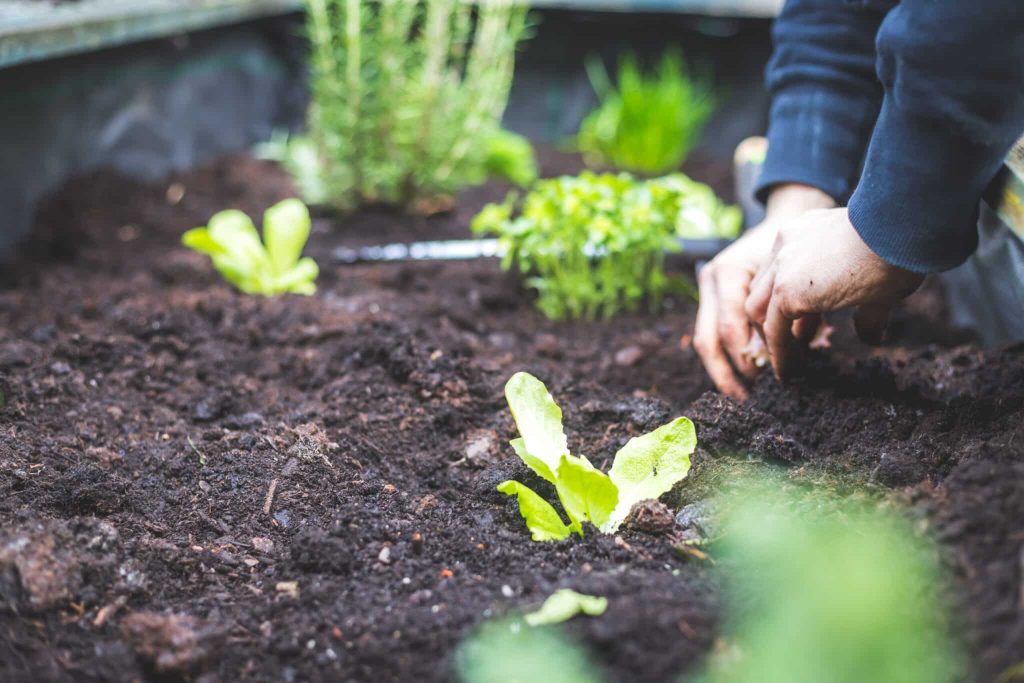
The first step involves selecting a suitable space in your yard or balcony where your garden will thrive. Look for an area that receives at least 6-8 hours of sunlight daily, as most vegetables and fruits require full sun. Additionally, consider accessibility for routine maintenance and harvesting.
Understand Your Climate Zone
Every plant has specific growth requirements, and understanding your region’s climate zone can significantly influence your planting decisions. Refer to local gardening resources to determine which seasonal crops grow best in your area.
Selecting Plants for Each Season
Choosing the right plants is critical. Research seasonal vegetables and fruits that will flourish during your growing season. Consider including crops like leafy greens in the spring, tomatoes and peppers in the summer, and root vegetables in the fall. The diversity in selection not only enhances soil health but also keeps your meals fresh and varied.
Maintain Soil Health
Healthy soil is the foundation of a successful garden. Before planting, conduct a soil test to analyze nutrient levels and pH balance. You can amend your soil using organic compost and fertilizers, which can boost nutrient availability for your plants.
Implement Plant Rotation
Crop rotation plays a vital role in pest control and maintaining soil fertility. Each year, change the location of specific families of plants. For instance, follow nitrogen-fixing legumes with heavy feeders like corn or tomatoes, which benefit from the improved soil structure and nutrients.
Watering and Care
Consistent watering is crucial, especially during dry spells. Use mulch to preserve soil moisture and suppress weeds. Regularly check for pests and diseases, employing organic pest control methods when necessary.
| Category | Key Features |
|---|---|
| Seasonal Crop Benefits | Eating fresh, homegrown food provides enhanced flavor and nutrition. |
| Cost Savings | Reduced grocery bills by growing your own fruits and vegetables. |
By following these steps, you will not only grow your own food but also engage in a sustainable practice that benefits both you and the environment. Start small if you wish, and gradually expand your seasonal food garden as you gain experience. Each growing season brings new opportunities, so keep learning and adapting your methods.
DISCOVER MORE: Click here to learn about incorporating biochar into your soil preparation
Planning and Designing Your Seasonal Food Garden
Once you’ve chosen the right plants for your seasonal food garden, the next step is to focus on planning and designing your garden layout. This phase is crucial as it determines how efficiently your garden space will be utilized and how well your crops will thrive together. A well-thought-out garden layout enhances yield, aids in pest management, and simplifies maintenance tasks.
Understanding Garden Layouts
There are several traditional gardening layouts to consider, including square foot gardening, row gardening, and companion gardening. Each design has its merits, depending on the size of your space and the types of plants you choose to grow.
- Square Foot Gardening: This method divides the garden into square sections, each dedicated to a specific plant. It maximizes yield in small areas and allows for diverse planting without overcrowding. If you have a limited space, this layout is particularly effective, especially for growing a combination of vegetables and herbs in compact areas.
- Row Gardening: A traditional approach, where you plant crops in long, straight rows. This method is ideal for larger gardens and row crops, such as corn and tomatoes, and makes it easier to manage weeding and harvesting. Adequate spacing in row gardening is vital to ensure good air circulation and sunlight access for each plant.
- Companion Gardening: This technique involves planting certain crops close together for mutual benefits, such as pest control or improved pollination. For instance, planting marigolds alongside vegetables can deter harmful insects, while beans can naturally fix nitrogen in the soil for corn to thrive.
Soil Preparation and Maintenance
Healthy soil is the cornerstone of a thriving food garden. Before planting, perform a soil test to assess nutrient levels and pH. Based on the results, amend your soil with organic matter like compost, which enhances soil structure, supports beneficial microorganisms, and provides essential nutrients for growth. Incorporating other amendments, such as manure or rock phosphate, may also be beneficial.
Maintaining soil health throughout the growing season is essential. Consider using techniques like crop rotation and incorporating cover crops during the off-season. Crop rotation helps prevent soil depletion, reduces disease and pest build-up, and promotes biodiversity in your garden. Similarly, cover crops like clover or vetch can protect soil from erosion, improve fertility, and add organic matter when tilled back into the soil.
Watering and Irrigation Strategies
An important aspect of your garden design involves developing efficient watering strategies. Adequate moisture is vital for plant health, but overwatering can lead to root rot and pest problems. Employing a drip irrigation system or soaker hoses can help ensure that water reaches the roots where it’s needed most without saturating the surrounding soil.
Another consideration is mulch application, which can suppress weeds, retain moisture, and regulate soil temperature. Organic mulches like straw or wood chips not only have practical benefits but also improve the soil as they break down over time, showcasing a holistic approach to garden care.
By thoughtfully planning your seasonal food garden, you empower yourself to create a productive and sustainable food source right in your backyard. Continue to engage with your garden, tweak your designs as needed, and relish the process of nurturing your plants from seed to harvest.
DISCOVER MORE: Click here to learn about resilient gardening
Conclusion: Embracing the Journey of Home Gardening
Creating a seasonal food garden not only offers an opportunity to grow your own food at home but also fosters a deeper connection with nature and an understanding of sustainable practices. As you venture into this enriching experience, remember that planning, soil health, and irrigation are vital components that set the stage for success. Selecting the right plants based on seasonality and local climate will enhance your chances of thriving harvests throughout the year.
Moreover, embracing various gardening layouts can significantly optimize the space available in your backyard or balcony. Whether you choose square foot gardening for compact areas or companion planting for effective pest management, your innovative designs will contribute to a robust ecosystem teeming with life. Regular soil tests and organic amendments are essential to maintain fertility and promote plant health, ensuring you reap the benefits of rich, nutrient-dense produce.
As you cultivate your seasonal food garden, consider it a journey rather than a destination. Each season brings new challenges and learnings—allow yourself to adapt, experiment, and discover what works best for you. The satisfaction of nurturing your plants from seed to harvest is unmatched, particularly when you enjoy freshly picked vegetables and herbs on your plate. So, roll up your sleeves, invest some time in planning, and embark on this exciting adventure into home gardening. Your taste buds, health, and the environment will thank you.

Linda Carter
Linda Carter is a gardening writer and home-growing specialist who helps beginners cultivate thriving home gardens. With extensive experience guiding new gardeners through plant selection and sustainable growing techniques, she shares practical gardening strategies on our platform. Her goal is to empower readers with actionable advice and step-by-step strategies to successfully grow their own food and create beautiful, productive gardens at home.