How to Create a Vertical Garden with Seasonal Plants: A Creative Approach for Beginners
The Beauty and Utility of Vertical Gardens
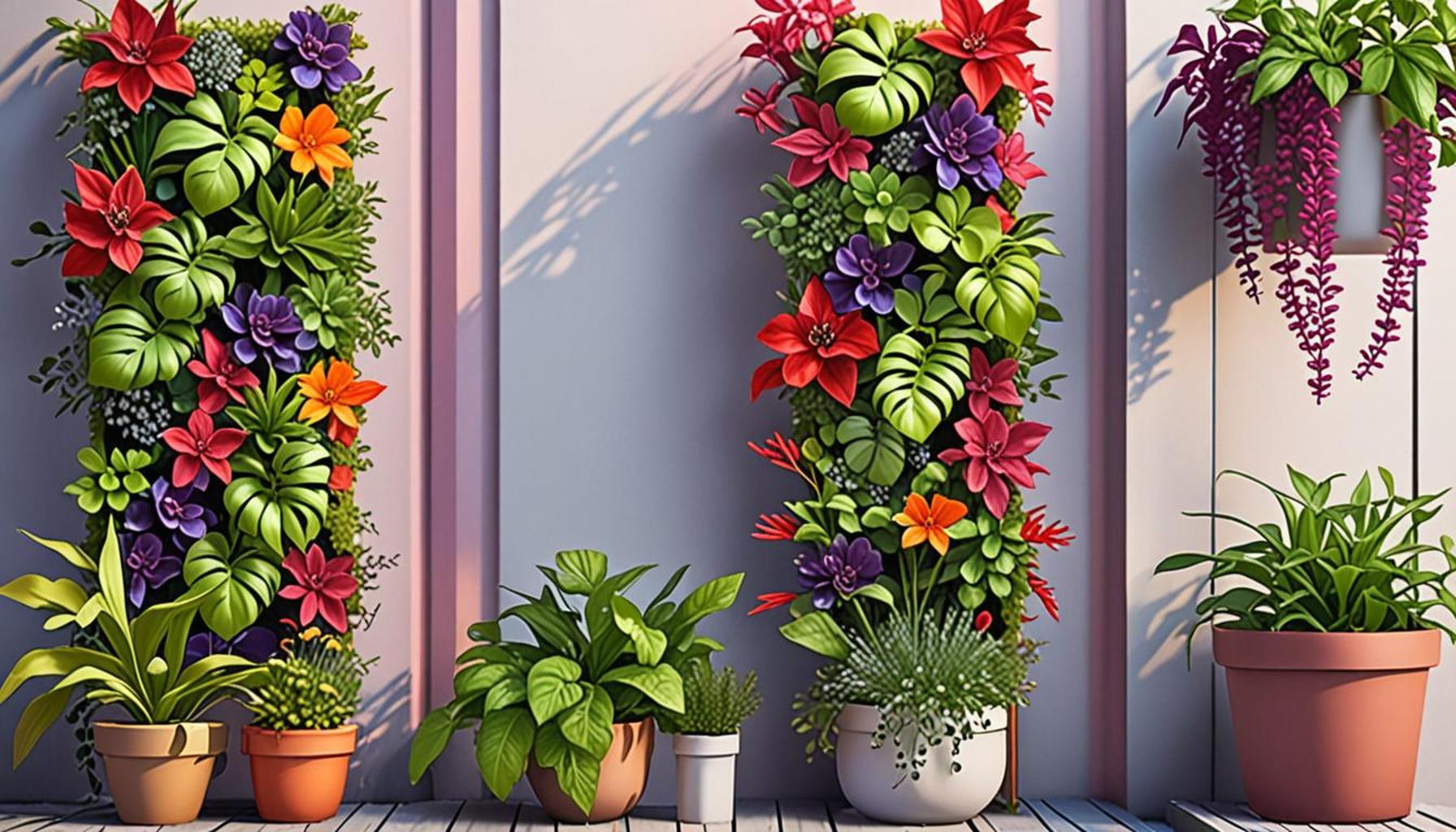
In urban settings where green space is limited, vertical gardening offers a creative solution to enhance your surroundings. This method not only addresses space constraints but also introduces a lively aesthetic that can transform drab walls or balconies into lush gardens brimming with life. Vertical gardens can be filled with an assortment of seasonal plants, can invigorate any space with a constantly changing tapestry of colors and fragrances throughout the year.
Why Choose Vertical Gardening?
There are numerous reasons why vertical gardening has gained popularity among garden enthusiasts and beginners alike. Here are some compelling benefits:
- Space-saving: Vertical gardens are ideal for those living in apartments or homes with small backyards. A traditional garden requires considerable ground space, but a vertical setup allows you to maximize your outdoor or indoor space effectively.
- Accessibility: Unlike conventional gardens that may necessitate bending or kneeling down to reach plants, vertical gardens can be easily maintained at a height that is comfortable for most people. This makes it an excellent option for individuals with mobility issues.
- Versatility: The designs of vertical gardens are not only functional but also customizable to fit various aesthetics. From modern trellises to repurposed pallets, you can choose materials that complement your existing decor seamlessly.
- Improved Air Quality: Plants in vertical gardens act as natural air purifiers. They can help reduce indoor air pollutants, making your environment healthier.
- Food Production: Many individuals use vertical gardening to grow their own vegetables and herbs, promoting fresh, organic consumption. Imagine enjoying freshly picked basil or tomatoes without needing a full-fledged garden!
Getting Started with Your Vertical Garden
Creating a vertical garden involves more than just selecting plants; it’s about crafting an entire ecosystem. With just a few basic supplies and a sprinkle of creativity, you can turn any space into a green territory. Start by choosing the right structure—this can range from a simple wall-mounted planter to a more elaborate freestanding display. Consider materials that not only fit your style but also provide adequate support for your chosen plants.
When it comes to plant selection, consider factors such as sunlight exposure, climate, and watering needs. Popular choices include herbs like basil and mint, colorful annuals such as petunias and marigolds, and even leafy greens like spinach and lettuce. Planting a mix of these seasonal options ensures your vertical garden remains vibrant throughout the year.
As you embark on this green adventure, you will not only cultivate a beautiful display but also experience the satisfaction that comes from nurturing life. Vertical gardening stands as a testament that with a little ingenuity, anyone can create a personal oasis—even in the most limited of spaces. So, if you’re intrigued by the potential of vertical gardening, let this guide be your first step towards elevating your living environment!
DISCOVER MORE: Click here for eco-friendly pest control tips
Choosing the Right Structure for Your Vertical Garden
The first step in creating a successful vertical garden is selecting a structure that suits your space and style. There are a plethora of options available, each with its own unique benefits. You can opt for a wall-mounted planter, a freestanding rack, or even create a living wall from recycled materials. The structure should be sturdy enough to support the weight of the plants and the soil they require.
Types of Vertical Garden Structures
Here are some popular structures for vertical gardens that you can consider:
- Wall-mounted Planters: These planters are attached to a wall and can come in various shapes and sizes. They’re perfect for limited spaces and can be arranged in creative patterns.
- Vertical Racks or Shelves: These multi-level racks allow for several rows of plants, making it easy to access each one. They work well indoors and outdoors and can be made from wood or metal.
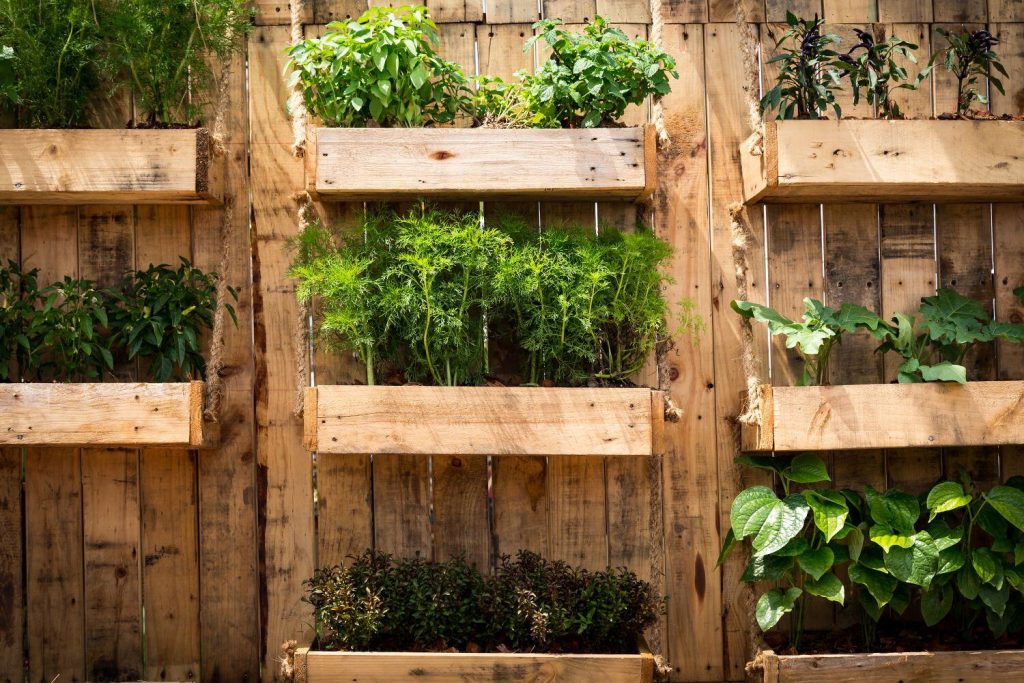
- Pallet Gardens: Repurposing wooden pallets is an eco-friendly option that adds rustic charm. Simply stand the pallet upright and fill the spaces between the slats with soil and plants.
- Hanging Baskets: Ideal for trailing plants or herbs, hanging baskets can be hung from hooks or beams, adding visual interest to overhead spaces.
- Gutter Gardens: Using old gutters to create a planting system is an innovative way to go vertical. They can be mounted against a wall or fence and are excellent for growing shallow-rooted plants like lettuce and herbs.
Understanding Light Requirements and Plant Selection
Once you have chosen your structure, it is crucial to understand the light conditions in your indoor or outdoor space. Different plants have varying sunlight needs, which will significantly influence your selections. For sunny spots, you might consider vibrant flowering plants like petunias and geraniums, while shade lovers such as ferns or ivy thrive in less direct light.
When selecting seasonal plants for your vertical garden, aim for a mix that will offer visual interest throughout the year. Here’s a handy list of seasonal plants to consider:
- Spring/Summer: Basil, mint, petunias, marigolds
- Fall: Ornamental kale, pansies
- Winter: Hellebores, ivy, winter heather
- Perennials: Lavender, echinacea
This seasonal rotation ensures that your vertical garden remains vibrant, drawing attention and bringing joy regardless of the time of year. With the right plants and structure in place, you’re well on your way to establishing a stunning vertical garden!
Creating a vertical garden with seasonal plants is not only a visually appealing way to enhance your living space, but it also provides numerous practical benefits. Vertical gardens can maximize your available space, making them ideal for urban dwellers or those with limited outdoor areas. They can be installed indoors or outdoors, giving you the flexibility to create a green oasis anywhere in your home.To start, it’s essential to choose the right structure for your vertical garden. Options include wall-mounted planters, trellises, or even repurposed items like pallets. Selecting plants that thrive in your specific environment is also crucial. Seasonal plants, such as petunias, pansies, or herbs, can add vibrant colors and fragrances throughout the year. Incorporating seasonal plants allows you to experiment and change your garden’s look regularly, keeping the space fresh and exciting.Watering and drainage are other critical factors to consider. Vertical gardens typically require more frequent watering since the soil dries out faster than traditional gardens. Installing a drip irrigation system can help maintain moisture levels without requiring constant attention. Additionally, ensure that your vertical setup includes proper drainage to prevent water accumulation, which can lead to root rot and other plant issues.Another exciting aspect of vertical gardening is its ability to improve air quality. Plants naturally filter toxins from the air, leading to a healthier living atmosphere. Moreover, they can regulate humidity levels, making your home more comfortable.When integrating seasonal plants into your vertical garden, keep in mind that each plant has specific light requirements. Be mindful of these needs as you position your garden. Some plants thrive in direct sunlight, while others prefer partial shade. This allows you to create an aesthetically pleasing arrangement while ensuring that all plants receive the proper care.With a bit of planning, creativity, and care, beginners can successfully establish a vertical garden that not only beautifies their surroundings but also enhances their everyday lifestyle. Engage with local gardening communities or online forums for tips and shared experiences, deepening your knowledge and enjoyment of this creative endeavor. The world of vertical gardening awaits, offering a dynamic and rewarding way to connect with nature all year round.
DISCOVER MORE: Click here for tips on creating a pest-resistant garden
Planting and Maintenance Tips for Vertical Gardens
Once you’ve chosen your structure and selected the right plants based on light conditions, it’s time to focus on the actual planting and ongoing maintenance of your vertical garden. Proper techniques will ensure your plants not only thrive but also showcase their full potential throughout the seasons.
Planting Techniques
When planting in a vertical garden, consider the arrangement of your chosen plants carefully. Layering is essential for creating depth and visual interest. Taller plants should be placed at the top or back, while medium-height plants should be in the middle, with trailing plants at the bottom or front. This arrangement allows every plant to receive adequate light and air circulation, minimizing competition for resources.
If you’re using a wall-mounted planter or a gutter system, ensure that you prepare the soil correctly. Use a well-draining potting mix that retains moisture but allows excess water to escape. In many cases, adding layers of coconut coir or gravel at the bottom will improve drainage, preventing root rot, which is crucial for healthy plant growth.
Watering Strategies
Watering can become more complex with vertical gardens since the plants may not absorb moisture uniformly. Establish a consistent watering schedule to give your plants what they need without over-saturating some while neglecting others. A drip irrigation system is an excellent choice for vertical gardens, providing precise watering directly to the roots.
Another innovative approach is using self-watering planters. These containers have a reservoir that keeps soil moist for an extended period, reducing the frequency of watering. This method is especially beneficial when incorporating seasonal plants that may require different hydration levels.
Fertilization and Nutrient Management
To ensure vibrant growth, it’s essential to provide your vertical garden with the right nutrients. Fertilizers designed for container gardening are most effective, as they typically release nutrients slowly, making them ideal for a diverse mix of plants. Using organic fertilizers such as compost teas or worm castings can significantly improve soil health and provide all the necessary nutrients.
During the growing season, monitor the plants closely for signs of nutrient deficiencies. If plants appear stunted or are lacking vibrant color, a light application of balanced liquid fertilizer can help restore vigor.
Seasonal Maintenance
As a beginner, it’s important to commit to regular maintenance schedules throughout the seasons. This includes monitoring plant health, pruning to remove any dead or yellowing leaves, and pest management. Regularly check for signs of pests like aphids or spider mites, especially on more delicate varieties.
When transitioning between seasons, be sure to replace plants that have outlived their seasonal appeal. For example, once summer flowers begin to fade, consider replacing them with autumn favorites like pansies or ornamental kale to keep your vertical garden looking fresh year-round.
Additionally, protect your garden from extreme weather conditions, such as frost or intense heat, by relocating pots or using protective covers. Understanding how to adapt your care through the seasons will keep your vertical garden thriving.
Creating and maintaining a vertical garden is an enriching journey, inviting beginners to embrace their creativity while cultivating a lush, seasonal landscape in compact spaces. By honing your planting techniques, watering strategies, and seasonal care, you’ll produce a living masterpiece that flourishes year-round.
DON’T MISS: Click here to learn about companion planting
Conclusion: Embrace the Art of Vertical Gardening
In summary, creating a vertical garden with seasonal plants is not only a practical solution for space-constrained environments but also a rewarding endeavor that brings life and vibrancy to your home or patio. By understanding the fundamental aspects of plant selection, appropriate structural choices, and the ongoing maintenance required, even beginners can cultivate stunning displays that reflect personal artistry and adaptability.
The key to success lies in strategic planning. From layering plants to maximize light exposure to implementing efficient watering systems, each step contributes to the overall health and aesthetics of your vertical garden. Seasonal transitions present opportunities for creativity, as swapping out plants can mimic the changing landscape outside and offer a fresh perspective throughout the year. Remember, the journey of vertical gardening is uniquely yours; experiment with different combinations and techniques that resonate with your style.
Don’t shy away from seeking further knowledge, whether through local gardening clubs or online resources, as community support can enhance your experience. By embracing this creative approach, you’ll not only beautify your surroundings but also foster a deeper connection to nature, reminding yourself of the joys found in nurturing living things.
So, gather your tools, unleash your imagination, and embark on the adventure of vertical gardening. The world of seasonal plants waits to be explored, and your green oasis is just a project away!

Linda Carter
Linda Carter is a gardening writer and home-growing specialist who helps beginners cultivate thriving home gardens. With extensive experience guiding new gardeners through plant selection and sustainable growing techniques, she shares practical gardening strategies on our platform. Her goal is to empower readers with actionable advice and step-by-step strategies to successfully grow their own food and create beautiful, productive gardens at home.