Efficient Irrigation Techniques for Seasonal Planting

The Evolution of Irrigation Techniques
The critical role of efficient irrigation techniques in modern agriculture cannot be overstated, particularly as farmers face the challenges posed by climate change and unpredictable weather patterns. These methods are not just about watering plants; they represent innovative strategies that can lead to significant improvements in crop yield and overall agricultural sustainability. The quest for optimal water usage is more pressing than ever, especially with forecasts predicting increased water scarcity in many regions across the United States.
As farmers seek solutions that balance productivity with environmental stewardship, a variety of advanced irrigation methods are emerging as frontrunners. Let’s take a closer look at some of these techniques that are reshaping the agricultural landscape:
- Drip Irrigation: This method delivers water straight to the plant roots through a network of tubing and emitters. It minimizes evaporation losses and reduces the amount of water needed, making it particularly effective for drought-prone areas. For instance, vineyards in California have reported improved grape quality and yield by incorporating drip systems.
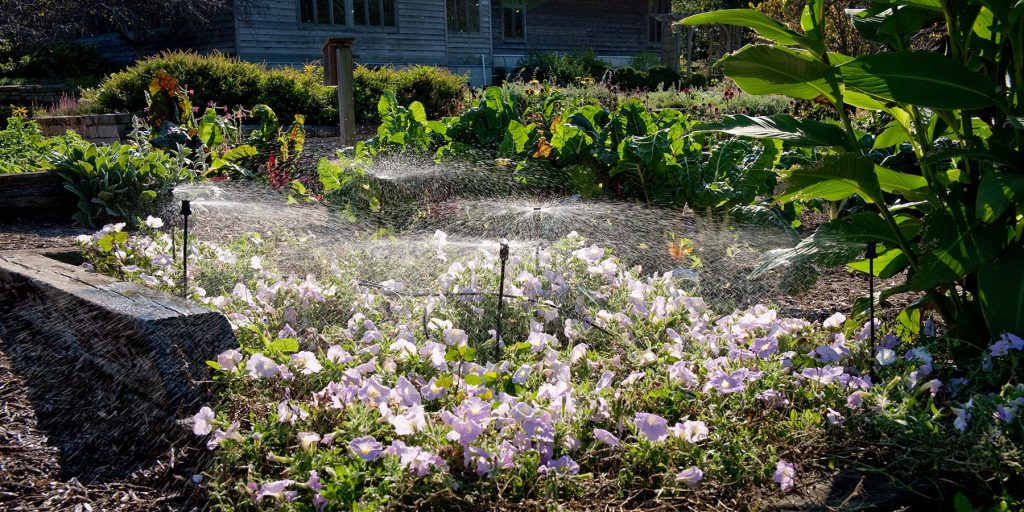
- Sprinkler Systems: Used widely across vast grain fields, these systems simulate natural rainfall. Depending on the configuration, they can handle various crops, from corn to soybeans. Notably, pivot irrigation systems are popular in the Midwest, using rotating sprinklers mounted on wheeled towers, maximizing coverage while conserving water.
- Rainwater Harvesting: This sustainable practice involves collecting and storing rainwater, which can significantly lessen a farm’s reliance on external water sources. Many farmers in regions such as Florida and Texas have implemented rain barrels or large storage tanks, making it possible to irrigate their crops during dry spells while also mitigating stormwater runoff.
- Soil Moisture Sensors: These high-tech tools provide farmers with real-time data about soil conditions, allowing them to apply water only when necessary. By avoiding over-irrigation, farmers not only conserve water but also enhance soil health by preventing leaching and nutrient runoff, which can degrade soil quality over time.
Each of these methods presents unique benefits that contribute to a more resilient agricultural system. For example, adopting drip irrigation can lead to a reduction in water use by up to 50%, while soil moisture sensors can optimize irrigation schedules based on specific crop requirements. As we further explore these irrigation techniques, it becomes evident that their successful implementation can help farmers adapt to the rapidly changing environment.
The journey towards efficient irrigation is not merely about technology; it encompasses a broader understanding of resource management and sustainability. With the ongoing evolution in agricultural practices, farmers are poised to transform their approach to seasonal planting and pave the way towards a more sustainable agricultural future. Join us as we delve deeper into these innovative irrigation practices, unveiling strategies that can help ensure food security while protecting our precious water resources.
DISCOVER MORE: Click here to learn about soil erosion control in gardens
Maximizing Water Efficiency with Innovative Techniques
As water scarcity becomes an increasingly pressing issue for farmers, especially in parts of the United States that experience frequent droughts, the adoption of efficient irrigation techniques is gaining momentum. Beyond just a necessity for cultivation, these methods act as a lifeline for crops, providing nourishment without squandering one of our most precious resources. Each technique brings its own set of advantages, and understanding them can aid farmers in making informed decisions about the irrigation systems best suited for their specific crops and regional requirements.
Let’s explore some of the standout irrigation techniques that significantly enhance water efficiency while supporting seasonal planting:
- Subsurface Irrigation: By placing pipes or tubes beneath the surface of the soil, this technique delivers water directly to the root zones of crops. Not only does it minimize evaporation, but it also reduces weed growth by keeping the surface soil drier. This method has been notably beneficial in regions such as California’s Central Valley, where water conservation is crucial.
- smart irrigation systems: These advanced systems use technology to automate irrigation based on data collected from weather forecasts, soil conditions, and moisture levels. With the ability to adjust watering schedules and amounts dynamically, smart irrigation systems can lead to increased conservation of water resources and more targeted application to crops, resulting in healthier plants and better yields.
- Capillary Irrigation: Utilizing the natural ability of water to move through soil, this technique uses a series of tubes placed just below the surface to transport water to plant roots, promoting even moisture distribution. It is particularly advantageous for delicate seedlings or during the early growth stages of crops, ensuring that they receive consistent hydration without over-saturation.
- Community-Based Irrigation Projects: In many parts of the United States, local farmers are coming together to create community irrigation systems that maximize water use efficiency. By sharing technology, resources, and water sources, these projects not only reduce individual costs but also enhance the resilience of the entire farming community. Such initiatives are increasingly being seen in regions affected by drought, helping to sustain agricultural outputs while building relationships among farmers.
Each of these techniques holds the promise of not only conserving water but also optimizing productivity during the seasonal planting periods. For instance, employing smart irrigation systems can conserve up to 30% more water compared to traditional methods, thereby addressing both economic and environmental concerns. These systems highlight how modern technology can align agricultural practices with sustainability goals, paving the way for a more responsible approach to resource management.
Beyond individual techniques, the adoption of efficient irrigation practices encourages a shift towards a more comprehensive understanding of the interlinked nature of agriculture, climate, and water management. As communities become more aware of the critical importance of sustainable practices, the agricultural landscape is expected to evolve further, leading to innovations that promote both efficiency and resilience. The exploration of varied strategies reveals a path forward that not only enhances crop productivity but also safeguards essential water resources for future generations.
Efficient Irrigation Techniques for Seasonal Planting
Understanding and implementing efficient irrigation techniques can significantly enhance the yield and health of seasonal crops. As gardeners and farmers increasingly face the challenges of climate change and water scarcity, adopting these techniques ensures that plants receive the right amount of moisture without wasting precious resources. Below, discover some compelling advantages of using modern irrigation systems tailored for seasonal planting.
| Category | Key Benefits |
|---|---|
| Drip Irrigation | Delivers water directly to the root zone, minimizing evaporation and runoff, thereby maximizing efficiency. |
| Soil Moisture Sensors | Provides real-time data to optimize watering schedules, preventing overwatering and ensuring plants receive the adequate moisture they need for growth. |
With techniques such as drip irrigation and the use of soil moisture sensors, farmers can create a more controlled environment that supports plant health while conserving vital water resources. These methods not only contribute to sustainable agriculture but also enhance the quality and quantity of crop production. Exploring these technologies opens up a plethora of opportunities to advance your irrigation strategy and boost your seasonal planting success.
DISCOVER MORE: Click here to learn about soil testing
Integrating Sustainability with Modern Techniques
In addition to the techniques already discussed, there are further innovations that can enhance irrigation efficiency and sustainability in seasonal planting. As agricultural practices come under scrutiny to meet growing global food demands, integrating such innovations becomes paramount.
- Drip Irrigation: One of the most prominent efficient irrigation techniques, drip irrigation involves a network of tubing and emitters that deliver water directly to the base of plants. This technique minimizes water waste by focusing delivery precisely where it is needed. Research indicates that drip irrigation can save up to 60% more water compared to traditional sprinkler systems, making it a popular choice among vineyards and orchards in California. Additionally, drip systems can minimize disease-related issues by keeping foliage dry.
- Rainwater Harvesting: This technique involves capturing and storing rainwater that falls on farms or nearby areas, which can then be used for irrigation. The implementation of rainwater harvesting systems can ease the pressure on conventional water sources. Farmers in regions such as Texas and Florida have successfully adopted this practice, getting an extra boost in water availability during critical growth periods.
- Soil Moisture Sensors: These sensors monitor the moisture levels in the soil and can directly inform irrigation schedules. When linked with automated irrigation systems, they ensure that crops receive exactly the amount of water required without over-irrigation. As a result, crops are healthier and yields are often higher. The integration of soil moisture technology has become common practice in many greenhouse operations and is gaining traction among field growers.
- Cover Cropping: While not an irrigation technique per se, the practice of planting cover crops during the offseason has remarkable benefits for water conservation. Cover crops enhance soil structure, improve moisture retention, and prevent erosion. Farmers in the Midwest have reported improved water infiltration and reduced runoff by implementing cover cropping practices. This technique supports not just water conservation, but also protects against nutrient depletion.
As the agricultural landscape acknowledges the profound impact of climate change, adopting these efficient irrigation techniques can foster a long-term strategy that enhances both productivity and sustainability. For example, studies have shown that farms employing a combination of drip irrigation with soil moisture sensors can reduce water usage by up to 40% while simultaneously increasing crop yields by 20% compared to conventional irrigation methods.
Importantly, the collective movement toward smarter irrigation does not rest solely on advanced technologies but also emphasizes traditional knowledge and practices adapted to current conditions. Farmers who integrate local insights with cutting-edge innovations can create highly effective irrigation systems tailored specifically to their crops and environments. This multifaceted approach empowers farmers not only to save water but to build a sustainable cycle that reverberates through their communities.
Ultimately, advancing efficient irrigation techniques plays a pivotal role in shaping the future of agriculture in the United States. As new challenges arise, adapting and evolving with emerging methods will ensure a robust agricultural sector capable of thriving amid changing climatic conditions. This is not just a matter of keeping crops alive but also a vital component of responsible stewardship of our land and its resources.
DISCOVER MORE: Click here for tips on starting your seasonal flower garden
Conclusion
In conclusion, the implementation of efficient irrigation techniques for seasonal planting is not only a necessity for sustainable agriculture but also a critical response to the growing challenges posed by climate change and water scarcity. Techniques such as drip irrigation, rainwater harvesting, soil moisture sensors, and cover cropping demonstrate a profound capacity to conserve water while enhancing crop yields. The agricultural sector in the United States stands at a pivotal moment where the convergence of traditional practices with innovative technologies can redefine farming practices.
By embracing these strategies, farmers can align their operational methods with environmental stewardship, thus nurturing a more resilient agricultural ecosystem. For instance, the reduction of up to 40% in water usage alongside a 20% increase in crop yield through smart irrigation practices showcases a dual benefit that is too substantial to ignore. Furthermore, the integration of local knowledge with advanced technology not only optimizes irrigation systems but also fosters community engagement and local biodiversity.
Looking ahead, the future of agriculture hinges on our collective commitment to these practices. As we strive to achieve food security amid changing climatic conditions, the lessons learned from efficient irrigation techniques can serve as a blueprint for sustainable growth. The challenge persists, but by prioritizing innovation while preserving the wisdom of the past, we can pave the way for a thriving agriculture that respects both our resources and our responsibility towards future generations.

Linda Carter
Linda Carter is a gardening writer and home-growing specialist who helps beginners cultivate thriving home gardens. With extensive experience guiding new gardeners through plant selection and sustainable growing techniques, she shares practical gardening strategies on our platform. Her goal is to empower readers with actionable advice and step-by-step strategies to successfully grow their own food and create beautiful, productive gardens at home.