
Creating a Soil Amendment Recipe: Tailoring Your Soil for Specific Plants

Unlocking the Secrets of Soil Health
Soil isn’t merely dirt; it’s a complex, living ecosystem that plays a crucial role in supporting plant growth. This intricate network of minerals, organic matter, water, and air creates the foundation for life above ground. Understanding how to customize your soil’s composition can significantly enhance the vibrancy and productivity of your garden. By creating the perfect soil amendment recipe, you have the potential to cater specifically to the needs of diverse plant species, ensuring they flourish in their environment.
Why Customize Soil?
Different plants thrive under varying soil conditions, reminiscent of the diverse ecosystems found across the United States—from the dense forests of the Pacific Northwest to the arid deserts of the Southwest. Tailoring your soil can yield numerous benefits:
- Enhanced Nutrient Availability: Every plant has unique nutrient requirements. For instance, leafy greens like lettuce prefer nutrient-rich organic matter, while root vegetables such as carrots thrive in sandy soils with good drainage. By incorporating amendments known to release specific nutrients, you ensure that your plants receive what they need to grow strong and healthy.
- Improved Soil Structure: Soil amendments can help in developing an optimal structure. Ingredients like compost improve drainage while ensuring moisture retention, which is critical in areas prone to drought. In contrast, materials like perlite enhance aeration, essential for plants like ferns that require more oxygen for healthy growth.
- Biological Activity: Promoting beneficial microorganisms is vital for sustainable soil health. Healthy microbial life, spurred on by organic amendments such as worm castings, can improve nutrient cycling and increase plant resilience against pests and diseases.
This article is designed to guide you through the process of crafting a soil amendment recipe that is uniquely tailored for your plants, transforming your garden into a lush paradise. You’ll delve into various amendment ingredients, discover their specific benefits, and learn how to mix them effectively to meet the unique demands of different plant types.
What Will You Discover?
Prepare to dive into:
- The essential components of effective soil amendments, including organic and inorganic options
- Examples of popular plants, such as tomatoes, azaleas, and succulents, along with their unique soil needs
- Step-by-step instructions for crafting your own personalized soil amendment recipe, tailored to your gardening goals
With a thoughtful approach to soil customization, your garden can thrive, serving as a testament to the remarkable potential that lies within the ground beneath your feet. Whether you are a seasoned gardener or a newcomer, the journey of enhancing soil health offers endless possibilities for discovery and growth. So, roll up your sleeves and get ready to unlock the secrets of soil health, enhancing not just the look of your plants, but their overall vitality as well.
DIVE DEEPER: Click here to learn more about soil layering techniques
Understanding Soil Amendments
Creating a successful soil amendment recipe begins with understanding what soil amendments are and how they can impact the health of your garden. Soil amendments are materials added to soil to improve its physical properties, nutritional content, and overall fertility. These amendments come with different characteristics that can either enhance or detract from the growth of specific plants. Successfully tailoring your soil for various plant species requires a close examination of their individual needs.
Types of Soil Amendments
When it comes to soil amendments, options abound. Here, we will break down the most commonly used amendments in American gardens and how they contribute to soil health:
- Organic Matter: Comprising compost, well-rotted manure, and leaf mold, organic matter enhances soil fertility by adding essential nutrients while improving soil structure, which promotes better drainage and water retention. Incorporating aged compost can provide a slow-release nutrient source, benefiting various plants from vegetables to perennials.
- Perlite and Vermiculite: These lightweight minerals are particularly useful in improving aeration and drainage. Perlite is ideal for succulents and container-grown plants, while vermiculite can retain moisture, making it perfect for moisture-loving plants.
- Bone Meal and Blood Meal: These are excellent sources of phosphorus and nitrogen, respectively, which are vital for flowering and leafy growth. Plants like tomatoes can benefit significantly from bone meal during planting, leading to bountiful harvests.
- Gypsum: Often overlooked, gypsum helps improve soil structure, especially in clayey soils. It can effectively reduce compaction and enhance drainage, which is crucial for root vegetables like carrots and potatoes.
- Peat Moss: Known for its ability to improve soil acidity and moisture retention, peat is perfect for acid-loving plants such as azaleas and blueberries. However, consider sustainable alternatives, like coconut coir, to minimize environmental impact.
By familiarizing yourself with these various soil amendments, you can start to envision how to mix and match them based on the specific plants you intend to grow. For example, if you’re aiming for a lush vegetable garden with a variety of nutrient requirements, mixing compost with bone meal might serve your needs perfectly. Conversely, if you want to establish a thriving succulent collection, focusing on drainage-oriented amendments like perlite is essential.
Evaluating Your Soil
Before diving into creating a soil amendment recipe, it’s vital to assess your existing soil conditions. A simple soil test can reveal important information such as pH levels and nutrient concentrations, helping you determine which amendments are necessary for your plants to thrive. Local cooperative extension services across the United States typically offer soil testing services at an affordable price, making it easier than ever to customize your approach.
As you explore the world of soil amendment recipes, remember that knowledge is the key to successful customization. By understanding your plants’ specific needs, evaluating your soil conditions, and carefully selecting appropriately tailored amendments, you will cultivate a thriving garden that showcases the beauty and resilience of nature’s wonders.
Creating Your Customized Soil Amendment Recipe
When it comes to tailoring your soil for specific plants, the key is understanding the unique needs of each plant type. Different plants thrive in varied soil conditions, making it essential to create a customized soil amendment recipe that enhances nutrient availability, soil structure, and moisture retention. Here are some vital components to consider:
Understanding Soil Components
The primary components of any effective soil amendment recipe include organic matter, minerals, and pH levels. Organic matter, such as compost or well-rotted manure, improves soil structure and provides essential nutrients, helping to create a nutrient-rich environment. Incorporating specific minerals like lime for alkaline soils or sulfur for acidic soils can help achieve the desired pH balance for your chosen plants. This balance is crucial, as most plants have an optimal pH range in which they absorb nutrients most efficiently.
Identifying Nutrient Requirements
Different plants require different levels of nutrients like nitrogen, phosphorus, and potassium (N-P-K). For example, leafy vegetables may benefit from higher nitrogen levels, while root vegetables thrive with more potassium. Conducting a soil test can provide insights into the existing nutrient profile, allowing you to tailor your amendments effectively. This personalized approach ensures your plants receive the nutrients they need, maximizing their growth and health.
Mixing and Application Techniques
Once you have identified the necessary amendments, the next step is proper mixing and application. A sturdy garden fork or tiller can be used to blend organic matter with your existing soil. A good rule of thumb is to aim for a ratio of one part organic matter to three parts native soil. Additionally, layering your amendments can promote better integration into the soil.It’s vital to apply these amendments at the right time—ideally before planting—as this allows microorganisms to break down the additions, making nutrients more accessible to the roots. Regular maintenance and periodic testing will keep your soil in optimal condition, helping your plants flourish throughout their growth stages.As you embark on this journey of creating bespoke soil recipes, remember that the beauty of gardening lies in experimentation. Each batch can inform your next, as you cultivate a deeper understanding of how to balance soil chemistry with the needs of your favorite plants. With patience and practice, you’ll not only witness the transformation of your garden, but you’ll also cultivate a rewarding relationship with the land. In sum, creating a soil amendment recipe that tailors specifically to your plants is a journey full of discovery, where every adjustment leads to healthier, more productive growth.
DISCOVER MORE: Click here for natural pest control tips
Tailoring Your Recipe: Combining Amendments for Optimal Growth
Once you have a solid understanding of the types of soil amendments available and have evaluated your soil, the next crucial step is to create a tailored soil amendment recipe. This customized blend will help you meet the unique demands of the plants you wish to cultivate, ensuring that they receive the ideal nutrients and texture their roots desire.
Crafting Your Soil Amendment Recipe
Creating a soil amendment recipe is similar to preparing a delightful dish; the right combination of ingredients can yield spectacular results. To develop your recipe, consider the following aspects:
- Plant Selection: Start by identifying the specific plants you intend to grow. Different plants thrive in different soil types. For example, while tomatoes flourish in nutrient-rich soils with good drainage, greens like spinach often prefer a more compact soil with consistent moisture. Understanding the preferences of your selected plants will guide your choice of amendments.
- Proportions Matter: When mixing amendments, the proportions can dramatically affect soil performance. A general rule of thumb is to incorporate up to 25% organic matter into your existing soil to boost fertility. For sandy soils that drain quickly, mix in peat moss or compost at higher ratios to retain moisture and nutrients.
- Layering Technique: Especially for larger garden spaces, applying your amendments in layers can create a more effective integration. For instance, start with a base layer of organic matter followed by a layer of gypsum for improved structure, and finish with a top layer of mulch to retain soil moisture. This stratification promotes the gradual release of nutrients, making them available to plants over time.
Specific Amendments for Different Plants
Understanding the specific needs of various plants can help refine your soil amendment recipe further. Here are a few examples:
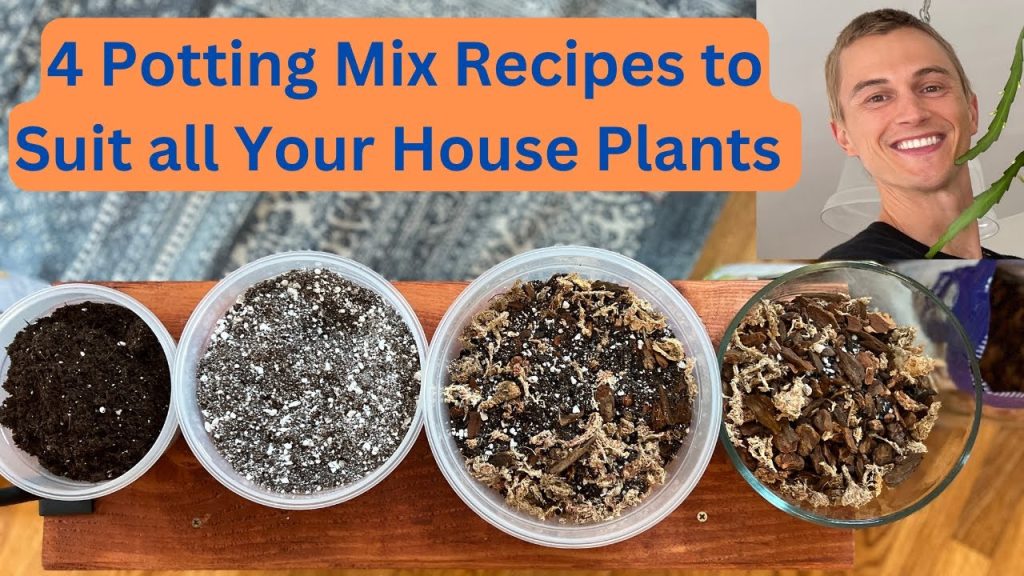
- Herbs: For herbs such as basil, rosemary, and thyme, a well-draining mix of 50% potting soil and 50% perlite works wonders. This blend ensures that the roots do not sit in waterlogged conditions while providing essential nutrients.
- Root Vegetables: Carrots and beets thrive in loose, deep soil. Creating a mixture of 80% garden soil and 20% sand can enhance aeration while encouraging deep root development. Adding in compost will provide the necessary nutrients as well.
- Flowering Plants: For a vibrant flower bed, a blend containing 60% compost, 30% garden soil, and 10% bone meal can promote healthy blooms. The bone meal provides essential phosphorus, critical for flower development, while the compost builds soil health.
Monitoring and Adjusting Your Recipe
As with any gardening practice, observation is key. Monitor how your plants respond once you’ve introduced your tailored soil amendment recipe. Take note of their growth patterns, flowering behaviors, and any signs of nutrient deficiencies. It’s common for gardeners to experiment and tweak their recipes over time to find what works best. Soil is a living medium, and it will respond to various environmental factors, requiring you to be adaptable in your approach.
In essence, crafting a soil amendment recipe is both an art and a science. By interweaving plant requirements, soil evaluation, and amendment combinations, you set the stage for a thriving garden tailored to the individual needs of each plant. With each iteration and observation, your recipe becomes fine-tuned, leading to flourishing plant life that enriches your garden and provides joy throughout the growing season.
DISCOVER MORE: Click here to learn about the benefits of plant diversity
Conclusion: Unlocking Your Garden’s Potential
In the world of gardening, understanding how to create a soil amendment recipe is a transformative skill that can significantly enhance plant health and productivity. By tailoring your soil to meet the specific needs of your chosen plants, you are effectively setting the stage for abundant growth and a flourishing garden ecosystem. With each plant species requiring a unique combination of nutrients and soil texture, personalizing your approach not only fosters healthier plants but also elevates your gardening experience.
By selecting the right amendments, understanding their proportions, and employing layering techniques, gardeners can create optimal conditions that cater to the diverse requirements of herbs, vegetables, and flowering plants alike. Furthermore, the process of monitoring and adjusting your soil amendment recipe becomes a vital feedback loop, allowing you to continually refine your techniques and discover what works best for your garden’s unique environment.
As you embark on this journey of soil amendment crafting, consider the rich agricultural traditions and innovations that have shaped successful gardening practices across the United States. From urban rooftops to sprawling farms, the principles of tailored soil recipes can resonate with any gardener. Embrace the art and science of soil management, and watch as your garden transforms into a vibrant tapestry of growth and beauty. Remember, the key to a thriving garden is not just in the seeds you plant but also in the living foundation that supports them.

Linda Carter
Linda Carter is a gardening writer and home-growing specialist who helps beginners cultivate thriving home gardens. With extensive experience guiding new gardeners through plant selection and sustainable growing techniques, she shares practical gardening strategies on our platform. Her goal is to empower readers with actionable advice and step-by-step strategies to successfully grow their own food and create beautiful, productive gardens at home.