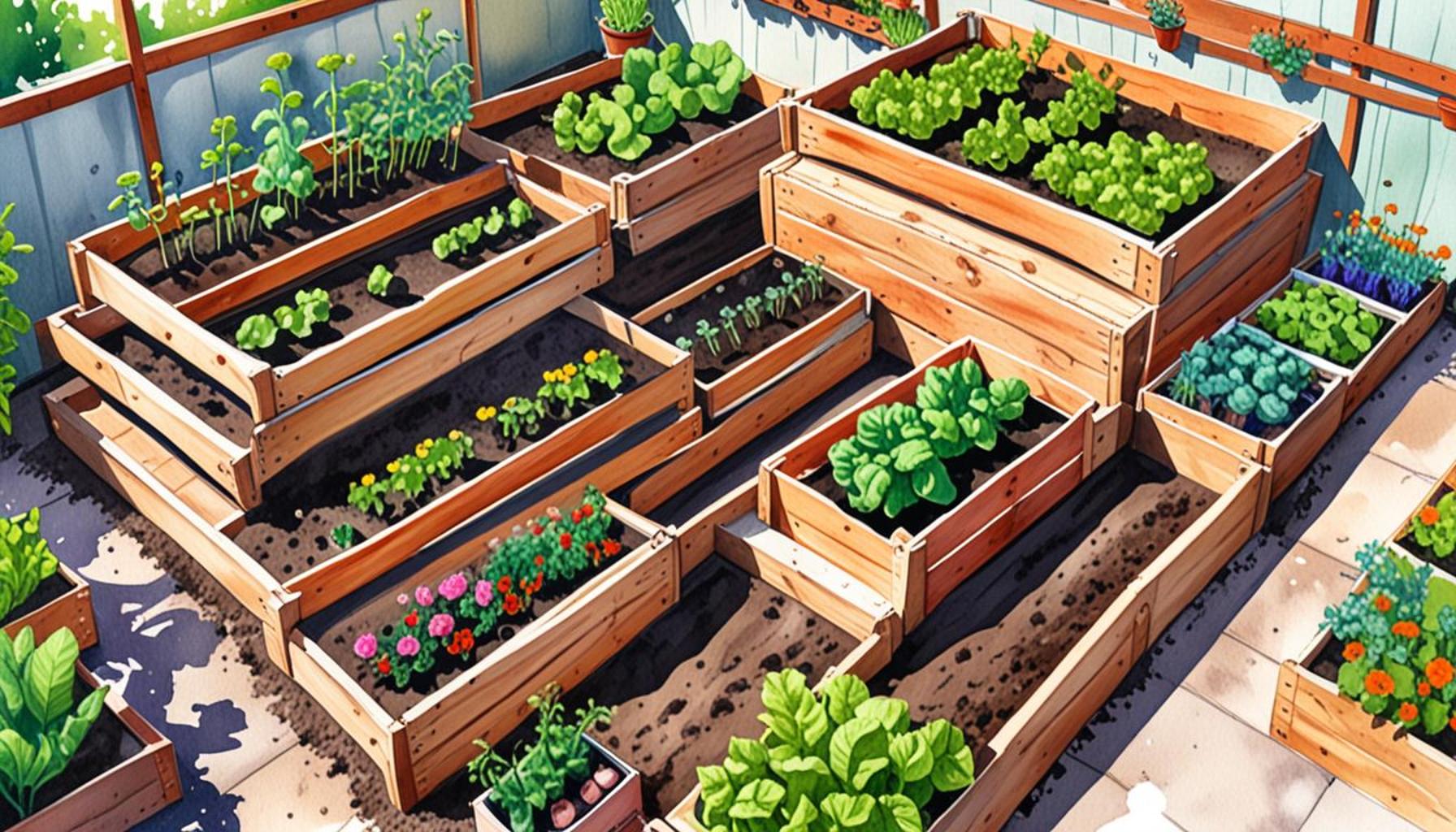
Incorporating Biochar into Soil Preparation for Enhanced Plant Growth

Exploring the Benefits and Applications of Biochar in Agriculture
The dynamic world of agriculture is constantly evolving, and one innovative amendment gaining traction is biochar. This fascinating material, produced from the pyrolysis of organic matter, serves as a powerful tool for improving soil health and combating climate change. As more individuals seek sustainable farming practices, the incorporation of biochar into soil preparation has garnered considerable interest among farmers and gardeners across the United States.
Why consider biochar? The compelling attributes of this substance make it a vital addition to agricultural practices:
- Improved Soil Structure: Biochar enhances soil structure by increasing porosity, which improves aeration and allows for better root growth. This porosity also contributes to water retention, meaning plants can access moisture even during dry spells.
- Nutrient Retention: The unique porous nature of biochar allows it to hold onto nutrients effectively. Studies have shown that it can increase cation exchange capacity (CEC), which is crucial for maintaining nutrient availability for crops. This means that essential nutrients like nitrogen, phosphorus, and potassium are more accessible to plants, leading to healthier growth.
- pH Balance: Depending on the feedstock used in its production, biochar can help regulate soil acidity. This adjustment is particularly beneficial for sensitive crops and can enhance overall soil fertility, resulting in robust plant health.
The benefits of incorporating biochar are supported by extensive research. For instance, trials across the Midwest have indicated impressive yield increases in various crops, including corn and soybeans, often resulting in high-quality produce that meets market standards. Additionally, biochar is seen as a long-term investment for soil health; it persists in the soil for hundreds to thousands of years, continually offering benefits.
Notably, the sustainable production of biochar aligns with environmentally-conscious farming practices. Farmers can create biochar using waste materials from agricultural practices, turning potential waste into a valuable resource. This cyclical approach not only reduces waste but also contributes to carbon sequestration, potentially offsetting some of the greenhouse gases associated with farming.
As growers across the United States embrace innovative solutions for enhancing plant health and sustainability, the role of biochar in soil preparation emerges as a promising avenue worth exploring. By integrating biochar into their practices, gardeners and farmers can tap into its extensive benefits, ensuring that they maximize crop productivity while promoting environmental stewardship.

DISCOVER MORE: Click here for seasonal pest management tips
Understanding the Mechanisms of Biochar in Soil Health
The essence of biochar lies not just in its production but in its transformative effects on soil. When incorporated into soil preparation, biochar acts as a multifunctional agent that enhances various soil properties, thereby fostering an environment conducive to plant growth. To understand the significance of biochar more comprehensively, it is essential to delve into its characteristics and the science behind its effectiveness.
Enhancing Soil Microbial Activity: One of the lesser-known benefits of biochar is its ability to promote soil microbial communities. Biochar serves as a habitat for beneficial microorganisms, providing them a stable environment where they can thrive. This increase in microbial activity is crucial, as these microbes play an essential role in nutrient cycling, organic matter breakdown, and overall soil fertility. Studies have indicated that soils amended with biochar exhibit higher microbial biomass, leading to improved nutrient availability for plants.
Water Holding Capacity: In regions that experience irregular precipitation, biochar demonstrates a remarkable capacity to retain moisture. Its porous structure not only enhances drainage but also increases the soil’s ability to hold water—a critical aspect during periods of drought. Research has shown that soil enriched with biochar can lead to a substantial reduction in irrigation needs, making it an attractive solution for water-scarce areas across the United States. Farmers adopting biochar can save both water and associated costs, all while improving crop resilience to climate variability.
The Role of Biochar in Carbon Sequestration
Another compelling aspect of biochar is its potential for carbon sequestration. When organic materials are converted into biochar through pyrolysis, the carbon is locked in a stable form that resists degradation, remaining in the soil for centuries. This process not only contributes to soil fertility but also represents a pioneering approach in mitigating climate change. By incorporating biochar into soil preparation, farmers can actively participate in reducing atmospheric carbon levels, thus supporting global efforts to combat climate change.
Factors to Consider When Using Biochar
While the benefits of biochar are manifold, several factors should be taken into account before its incorporation into soil preparation. Farmers and gardeners should consider the following:
- Feedstock Source: The source of the organic matter used to produce biochar can influence its properties. Different feedstocks yield varying nutrient profiles and pH levels, making selection crucial for specific soil needs.
- Application Rate: Determining the appropriate quantity of biochar is essential. Over-application may lead to nutrient imbalances, while under-application may not yield desirable results.
- Soil Testing: Conducting soil tests prior to biochar application can ensure that nutrient needs are met and that the pH levels are conducive to plant growth.
Incorporating biochar into soil preparation is not merely a trend; it represents a shift towards sustainable agriculture. By understanding the benefits and considering relevant factors, growers can harness the power of biochar to enhance plant growth, improve soil health, and contribute to a more environmentally resilient agricultural framework.
| Advantages of Biochar | Description |
|---|---|
| Enhanced Soil Fertility | Biochar improves nutrient retention, allowing soil to store vital nutrients for longer periods. This reduces dependency on chemical fertilizers and promotes sustainable agriculture. |
| Improved Water Retention | The porous structure of biochar enhances moisture retention in the soil, helping plants survive in drought conditions and reducing irrigation needs. |
Incorporating biochar into soil preparation aligns with both agricultural and environmental objectives. The process not only supports plant growth but also contributes to carbon sequestration, combating climate change. Studies reveal that biochar can provide long-term soil benefits, such as increasing microbial activity, which is vital for nutrient cycling. Its application is not limited to traditional agricultural practices; urban gardens and landscapes can also see improved outcomes through biochar integration.The biodiversity in soil also witnesses enhancement when biochar is used, as its presence creates a conducive environment for beneficial organisms. The potential of biochar ranges from improving soil structure to capturing carbon effectively, making it a significant player in eco-friendly farming methods. Discovering the diverse applications of biochar can lead enthusiasts and professionals alike to explore more sustainable practices that contribute positively to the environment while enhancing productivity.
LEARN MORE: Click here for essential tips
Practical Applications of Biochar in Agriculture
As the agricultural sector seeks innovative solutions to enhance productivity and sustainability, the practical applications of biochar in soil preparation become ever more significant. Beyond its theoretical benefits, how growers across the United States are utilizing biochar can provide compelling insights into its transformative potential.
Field Trials and Success Stories: Numerous field trials have showcased the tangible advantages of biochar application. In California’s vineyards, where soil fertility is paramount, some growers have begun incorporating biochar into their soil management practices. Research has indicated that biochar-amended soils yield grapes with improved sugar content and enhanced resistance to diseases, particularly in organic farming setups. As farmers faced challenges from soil degradation and water scarcity, biochar emerged as a cost-effective alternative, demonstrating significant return on investment through increased yields.
Urban Agriculture and Biochar: Urban farms and community gardens are also taking note of biochar’s benefits. In cities like New York and Los Angeles, community initiatives designed to improve soil quality are integrating biochar into their practices. By adding biochar to raised beds or potting mixes, urban gardeners have reported improved growth rates in vegetables and ornamental plants. Additionally, the incorporation of biochar into these settings alleviates soil compaction, a common issue in urban environments, thereby enhancing root development and overall plant health.
Biochar’s Role in Organic Farming
The organic farming movement reflects a growing trend favoring sustainable practices that avoid synthetic fertilizers and pesticides. Biochar’s ability to retain nutrients and enhance soil structure aligns seamlessly with organic farming principles. A study conducted at the Rodale Institute in Pennsylvania found that farms utilizing biochar reported a significant increase in crop yields when compared to those using conventional practices without biochar. This not only fosters sustainability but also enhances the long-term resilience of organic systems against climate-related challenges.
Economic Viability: The financial implications of incorporating biochar into soil preparation are increasingly attracting attention. While the initial costs of biochar production can be high, farmers can offset these expenses by reducing fertilizer costs and improving crop yields. The potential for biochar to act as a soil amendment that can enable farmers to gain an edge in the competitive agricultural market is evident. Moreover, as demand for sustainable food production rises, the role of biochar in improving soil health and productivity could render it a worthwhile long-term investment.
Biochar’s Compatibility with Other Amendments
Interestingly, biochar can be effectively paired with other soil amendments to maximize growth potential. Combining biochar with compost, for instance, not only enhances nutrient availability but also accelerates the decomposition process, making soil more fertile. In practice, farmers could create biochar-compost blends that optimize microbial activity while ensuring that crops receive a well-rounded nutrient profile. Additionally, when mixed with mineral fertilizers, biochar can slow nutrient leaching, thereby ensuring that plants can access these vital resources over an extended period.
As extensive research continues to unveil new benefits and methods, the incorporation of biochar into soil preparation stands at the forefront of modern agriculture. The combination of ecological sustainability with practical application makes biochar a pivotal element in the ongoing endeavor to achieve enhanced plant growth and holistic soil health.
DIVE DEEPER: Click here for natural pest control tips
Conclusion: The Future of Biochar in Agriculture
Incorporating biochar into soil preparation holds remarkable promise for revolutionizing agricultural practices and enhancing plant growth across the United States. As evidenced by field trials and practical applications in both rural and urban settings, biochar not only enriches soil quality but also improves water retention, nutrient availability, and plant resilience. These benefits align perfectly with the shifting priorities in farming towards sustainability and organic practices.
Moreover, the economic viability of biochar adds an attractive layer to its utility. While the initial investment may pose challenges, the long-term savings on fertilizers and the potential for increased crop yields highlight its appeal for farmers seeking to optimize their operations. As the demand for sustainable and local food production continues to rise, biochar’s role in enhancing soil health and agricultural productivity will likely become more pronounced.
With ongoing research revealing new insights into biochar’s compatibility with other soil amendments, the agricultural community stands on the brink of significant innovation. As farmers explore biochar’s multifaceted applications, they are not only contributing to their own success but also championing a broader movement towards environmental stewardship and ecological resilience.
Embracing biochar could very well be a critical step in the journey toward sustainable agriculture, offering a practical solution for both food security and ecological balance. As we look ahead, the integration of biochar into soil preparation represents a compelling opportunity for growers dedicated to fostering healthier ecosystems while benefiting from enriched plant growth.

Linda Carter
Linda Carter is a gardening writer and home-growing specialist who helps beginners cultivate thriving home gardens. With extensive experience guiding new gardeners through plant selection and sustainable growing techniques, she shares practical gardening strategies on our platform. Her goal is to empower readers with actionable advice and step-by-step strategies to successfully grow their own food and create beautiful, productive gardens at home.