How to Create a No-Till Garden Bed for Soil Health
Why Embrace No-Till Gardening?
As we delve into the intricate world of gardening, sustainable practices have gained spotlight, a testament to society’s growing awareness of environmental health. One approach that stands out for its long-term benefits and ecological mindfulness is no-till gardening. This revolutionary technique not only enhances productivity but also fosters a healthier garden ecosystem by keeping the soil intact.
Understanding the Advantages
The advantages of adopting a no-till gardening method are both profound and varied. Here’s a closer look at some of the key benefits:
- Improved Soil Health: By minimizing disturbance, no-till gardening helps maintain the natural structure of the soil, preserving essential nutrients and microorganisms. This method allows beneficial bacteria and fungi to thrive, contributing to nutrient cycling and soil fertility. For instance, while traditional tilling can deplete nutrients, no-till practices enable gardeners to enjoy vibrant, nutrient-rich soil that supports robust plant growth.
- Enhanced Biodiversity: The habitat remains undisturbed, allowing a thriving ecosystem to flourish. Earthworms play a vital role as natural aerators and decomposers, while beneficial insects contribute to pollination and pest control. As an illustration, maintaining a habitat for pollinators like bees and butterflies can lead to better crop yields and enhanced flower production.
- Reduced Erosion: In areas prone to heavy rains or winds, such as the Midwest, no-till gardening can significantly curb soil erosion. The intact soil structure helps bind particles together while increasing water retention capabilities, which is pivotal for sustainable gardening. With healthy soil, gardeners are less likely to face challenges related to nutrient runoff and sedimentation in local waterways.
Tailoring to Regional Conditions
No-till gardening is particularly advantageous for gardeners across diverse U.S. climates. For example, in Florida, where sandy soils are prevalent, no-till practices can help improve water saturation levels, ensuring plants receive adequate moisture. Conversely, in clay-heavy regions, such as parts of Illinois, this method can alleviate compaction issues, enabling better root development and nutrient absorption.
Practical Techniques for Success
As you explore the realm of no-till garden beds, you will encounter an array of practical strategies that can enhance your gardening experience. For example, layering organic materials like straw, leaves, or grass clippings can create nutrient-rich topsoil while suppressing weeds effectively. Additionally, incorporating cover crops during the off-season not only protects the soil but also adds organic matter that enriches the soil when tilled under in future cycles. Employing living mulches, such as clover, can provide further benefits by limiting weed growth and enhancing soil nutrition.
By choosing no-till gardening, you not only commit to a sustainable method but also engage in a rewarding journey towards ecological mindfulness. Each step in this approach contributes to healthier soil and fosters a resilient garden environment that promises to flourish for years to come. Whether you are an experienced gardener or a beginner, embracing these practices can transform your approach to gardening, making it both enjoyable and responsible.
DISCOVER MORE: Click here to learn how to use traps effectively
Setting the Stage for Your No-Till Garden Bed
Creating a no-till garden bed is an art that harmonizes with nature while also promoting soil health. The beauty of this practice lies in its simplicity and effectiveness. Before diving into the hands-on techniques, it’s essential to understand the foundational steps that set the stage for a thriving no-till garden.
Choosing the Right Location
The success of your no-till garden bed begins with selecting the appropriate location. A spot that receives adequate sunlight—ideally 6 to 8 hours a day—is vital for most plants. Additionally, assess the drainage of the area; avoid low spots that could flood during heavy rains. Good drainage not only prevents root rot but also promotes healthier plant growth. Consider the prevailing winds, as well; a location sheltered from harsh winds can protect young plants from damage.
Building the Bed Structure
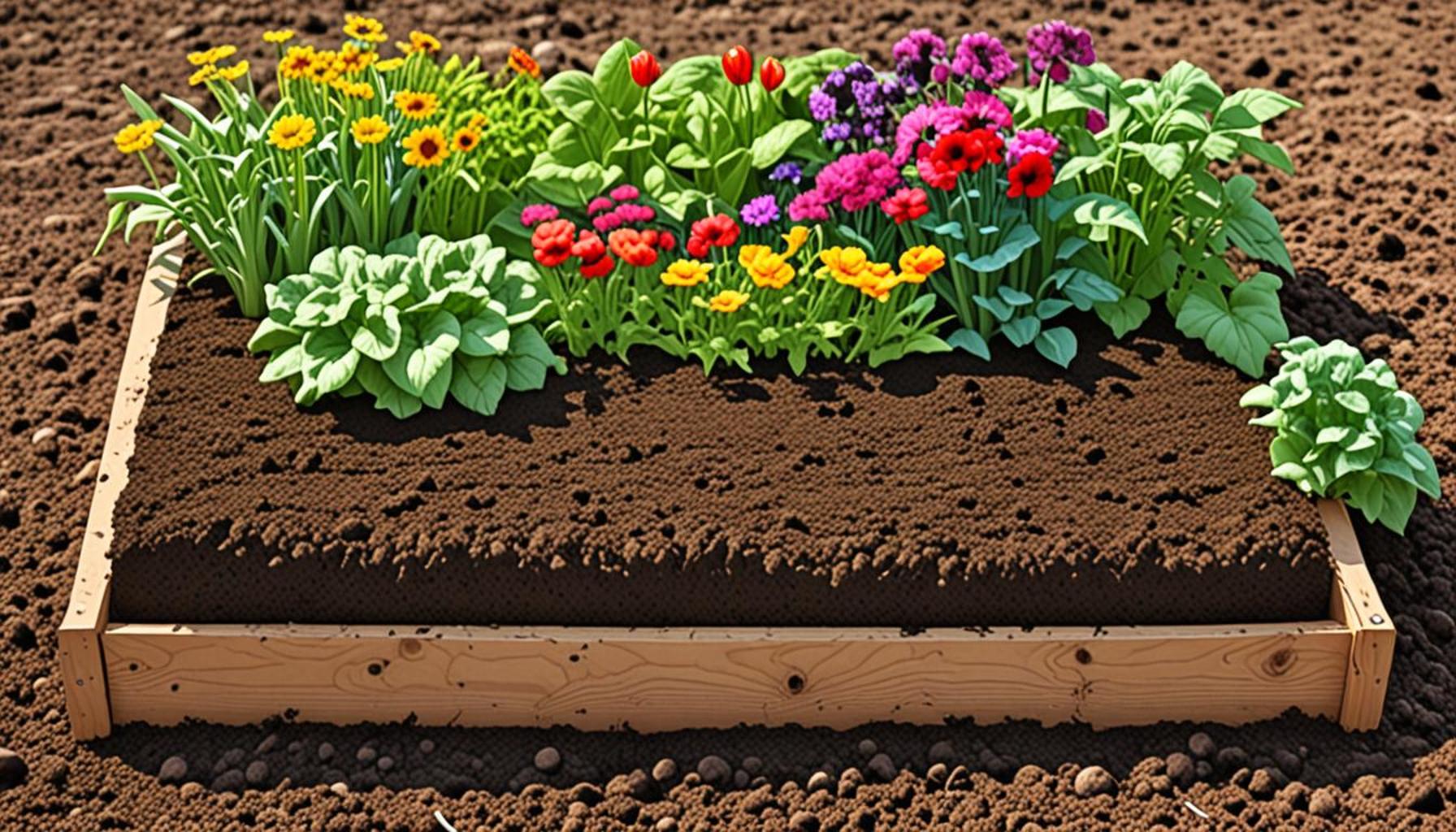
Once you’ve chosen the site, it’s time to establish the bed structure. The size of your no-till garden bed can be tailored to your needs, but a width of 3 to 4 feet is generally practical, allowing easy access without stepping on the soil. Here’s a straightforward way to create your raised garden beds:
- Select Materials: Use untreated wood, bricks, or stones to outline the perimeter of your beds. These materials are durable and safe for growing edibles. Using repurposed materials can also add a rustic charm to your garden.
- Set the Depth: Aim for a depth of 12 to 18 inches. This depth provides sufficient space for root systems while maintaining moisture levels. If you’re gardening in an area with compacted soil, this depth can make all the difference for developing healthy roots.
- Add Barriers: If pests are a concern, consider using a fine mesh or hardware cloth at the bottom of the bed to deter burrowing animals. This layer allows for drainage while protecting the roots.
With the structure in place, you’ll want to focus on enriching the bed with organic materials. The no-till method thrives on layering, enabling the organic matter to break down naturally over time, which enriches your soil. Begin by adding a base of carbon-rich materials like straw, leaves, or shredded paper. Follow this with nitrogen-rich materials such as kitchen scraps, grass clippings, or manure. This combination will ignite the composting process and help in creating a nutrient-dense environment for your plants.
Soil Preparation and Maintenance
One of the underlying principles of no-till gardening is to minimize soil disturbance. Instead of tilling, allow the organic materials to decompose naturally. Over time, this will improve your soil’s structure, enable better water retention, and foster a microbe-friendly environment that encourages healthy plant growth. Regularly monitor moisture levels to ensure consistency, adjusting your watering habits based on the weather and crop types. The incorporation of cover crops during off-seasons creates a protective layer, while also adding organic matter without the need for tilling.
With these foundational steps, your no-till garden bed will not only support sustainable growing practices, but it will also enhance the overall health of your soil, leading to a bountiful harvest season after season. Embarking on this journey can be incredibly rewarding, as you cultivate not just a garden but an ecosystem that thrives naturally.
To successfully create a no-till garden bed that promotes optimal soil health, several crucial steps should be followed. First and foremost, selecting the appropriate location is essential. Aim for a spot that receives adequate sunlight—ideally, around six to eight hours daily. Sunshine fosters healthy plant growth, enhancing the productivity of your bed. Next, assess your existing soil condition. Conduct a soil test to determine pH levels and nutrient content. This will guide your amendment process, ensuring that your plants receive the right balance of nutrients for robust development.Once you’ve prepared the location, it’s essential to establish a base layer for your no-till garden bed. This typically includes a mixture of organic materials such as straw, grass clippings, leaves, and kitchen scraps. By creating a lasagna-style layering of carbon-rich and nitrogen-rich materials, you’ll facilitate the decomposition process, enriching the soil naturally.Following this, create a thick layer of mulch on top. Mulching not only retains moisture but also suppresses weeds, which can be a major challenge in traditional gardening setups. It’s vital to use organic mulch, as it breaks down over time to feed the soil.Additionally, encourage beneficial organisms like earthworms and microbes. These organisms play a pivotal role in maintaining soil health, improving aeration, and aiding in nutrient cycling. A no-till garden that allows for continuous soil life will be far more productive than one that disrupts the soil ecosystem.Finally, practice companion planting. This technique involves growing different plants in proximity for mutual benefit, such as pest control and improved pollination. It promotes biodiversity, which is critical for sustaining a thriving no-till garden.By following these steps, you’ll establish a vibrant no-till garden bed that not only supports plant growth but also nurtures and regenerates the soil, enhancing its ability to draw carbon from the atmosphere and promote sustainable agriculture practices. Remember, the essence of a no-till approach is to minimize disturbance to the soil, allowing it to build resilience and health over time.
DIVE DEEPER: Click here to discover effective pest control methods
Enhancing Your No-Till Garden with Organic Practices
As you journey further into creating a no-till garden bed, it becomes crucial to deepen your engagement with organic practices that maintain soil health and promote biodiversity. A thriving garden ecosystem not only relies on initial preparation, but also on continuous support of the living organisms within the soil.
Utilizing Mulch for Soil Protection
One of the simplest ways to bolster your no-till garden is through the strategic use of mulch. Organic mulch, such as shredded leaves, wood chips, or straw, serves multiple functions. It acts as a barrier, retaining moisture, suppressing weeds, and moderating soil temperature. Additionally, as the mulch decomposes over time, it feeds the soil, adding vital nutrients back into the ecosystem. A layer of 2 to 4 inches of organic mulch will create an environment that’s conducive to healthy root growth and biological activity.
Integrating Companion Planting
Companion planting is another invaluable practice that can enhance the health and productivity of your no-till garden. Certain plants have natural abilities to deter pests, attract beneficial insects, or improve soil nutrient levels. For example, planting marigolds alongside vegetables can help repel unwanted aphids, while legumes like beans can fix nitrogen levels in the soil, benefiting neighboring crops. By harnessing these natural alliances, you create a diverse and resilient garden ecosystem.
Watering Techniques for Optimal Growth
Effective watering is vital in any gardening endeavor, but in a no-till system, it becomes particularly important since you’re fostering a delicate balance within the soil structure. Employing drip irrigation or soaker hoses can deliver moisture directly to the roots without saturating the surface. This method aids in preventing soil compaction and encourages deeper root development. Additionally, considering rainwater harvesting can further promote sustainable practices while providing fresh water to your garden.
Encouraging Soil Microbial Life
The heart of a thriving no-till garden lies within the soil’s microbial community. To bolster this integral aspect, consider introducing compost teas or vermicompost into your watering routine. These nutrient-rich solutions not only provide essential fungi and bacteria but also enhance nutrient uptake by plants. Regularly applying these organic amendments can amplify the soil’s biodiversity, further supporting your garden’s health.
Year-Round Maintenance with Cover Crops
To maintain the vitality of your no-till garden, it’s wise to implement cover crops during the off-season. Cover crops—such as clover, vetch, or rye—help prevent soil erosion, improve soil fertility, and suppress weeds. These plants can be mowed or chopped before they reach maturity and incorporated as green manure, enhancing soil structure as they decompose. By strategically rotating cover crops, you can ensure that your no-till garden bed continuously thrives, adapting to the changing seasons.
Embracing these organic practices can lead to a more productive and sustainable gardening experience. From effective mulching and companion planting to nurturing soil life with compost, each step reinforces the principles of soil health integral to the no-till method. Your garden will not only flourish but evolve into a self-sustaining living system that yields bountiful harvests year after year.
LEARN MORE: Click here to discover how weather affects pests
Conclusion
In summary, creating a no-till garden bed is a powerful method that not only promotes soil health but also fosters a vibrant and resilient ecosystem. By understanding the fundamental principles of soil biology and employing organic practices, you can cultivate a garden that thrives on its own natural processes. Key components like mulching, companion planting, and cover crops work synergistically to enhance soil structure, preserve moisture, and enhance nutrient availability.
Furthermore, incorporating sustainable watering techniques, such as drip irrigation, ensures that water is efficiently delivered to the roots while safeguarding against soil compaction. By nurturing microbial life through compost teas and vermicompost, you reinforce the very foundation of your gardening ecosystem. These methods reflect an understanding that a healthy soil microbiome is integral to plant vitality and overall garden productivity.
As you embark on or continue your journey into no-till gardening, remember that patience is key. The benefits may take time to become evident, but the long-term results—enhanced soil fertility, reduced labor, and increased yields—are well worth the effort. By embracing these principles and practices, you not only create a thriving no-till garden but also contribute positively to the planet’s well-being. Join the movement toward sustainable gardening, and watch as your garden transforms into a flourishing sanctuary that celebrates the harmony of nature.

Linda Carter
Linda Carter is a gardening writer and home-growing specialist who helps beginners cultivate thriving home gardens. With extensive experience guiding new gardeners through plant selection and sustainable growing techniques, she shares practical gardening strategies on our platform. Her goal is to empower readers with actionable advice and step-by-step strategies to successfully grow their own food and create beautiful, productive gardens at home.