The Benefits of Soil Layering: Techniques for Optimal Plant Growth
Understanding the Benefits of Soil Layering
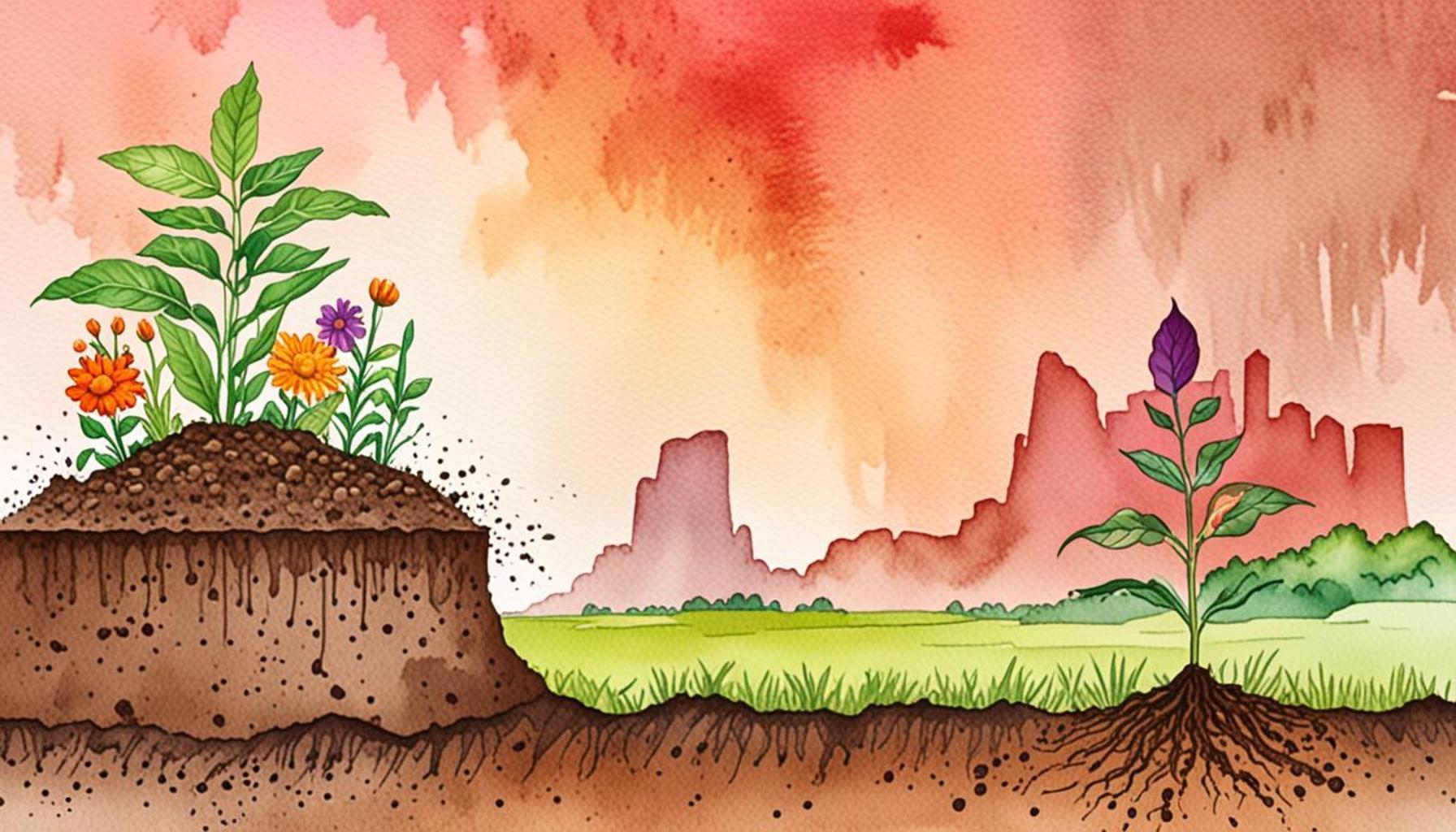
Soil is often regarded as the foundation of a thriving garden. However, did you know that layering your soil can significantly enhance plant growth? This technique not only optimizes nutrient distribution but also improves water retention and encourages beneficial microbial activity, ultimately fostering a more resilient garden ecosystem.
Soil layering involves strategically arranging different types of soil and organic materials in distinct layers within a garden bed. This approach allows gardeners to customize the soil profile according to the specific needs of the plants they wish to cultivate. By understanding the benefits of this method, gardeners can unlock the full potential of their growing spaces.
Consider the following benefits of soil layering:
- Enhanced Nutrient Uptake: Different layers can be enriched with specific nutrients tailored to the needs of various plants. For example, the bottom layer can consist of compost or manure, rich in nitrogen, while the top layer can include a lighter, more aerated soil mix for seed germination. This targeted approach helps ensure that each plant receives the optimal nutrients it requires for healthy growth.
- Improved Drainage: By strategically layering materials such as sand or grit at the bottom, excess water can drain efficiently, preventing root rot. A common practice is to create a drainage layer with gravel or small stones to facilitate proper water movement while keeping the soil above adequately moist without becoming saturated.
- Increased Biodiversity: Layers can support diverse organisms that work synergistically to enrich the soil ecosystem. By incorporating various organic materials like shredded leaves, straw, or wood chips, gardeners create a habitat for beneficial microorganisms, earthworms, and insects. These organisms contribute to nutrient cycling and soil aeration, which are crucial for healthy plant development.
Enthusiasts across the United States have begun to embrace the soil layering method, noticing astonishing results in their gardens. For instance, community gardens in urban settings like New York City have started adopting this technique to combat poor soil quality. By creating layers of compost and native soil, these gardens have improved their yield and overall health of plants.
This article will explore various soil layering techniques, illustrating how they can make a significant difference in your garden’s success. From lasagna gardening, which involves alternating layers of green and brown materials, to raised beds filled with a specific soil structure, there are numerous methods to consider. Join us as we delve into the science behind soil layering and how to effectively implement these techniques for your plants’ optimal growth. By enhancing the way you manage soil, you can revolutionize your gardening experience, yielding bountiful and healthy harvests.
LEARN MORE: Click here to discover the benefits of crop rotation
Exploring Soil Layering Techniques
Soil layering is more than just a gardening trend; it is a scientifically-backed technique that can pave the way for increased plant vitality. Understanding how to implement effective soil layering can transform your gardening practices, yielding healthier plants and more bountiful harvests. Here, we’ll delve into various methods you can adopt to optimize your garden’s soil profile.
1. Lasagna Gardening
One of the most popular soil layering techniques is lasagna gardening, which mimics the popular Italian dish by alternating layers of green and brown materials. This method involves creating a thick bed that consists of nitrogen-rich materials (greens) like vegetable scraps, grass clippings, or green leaves, paired with carbon-based elements (browns) such as shredded paper, dried leaves, or straw. These layers break down over time, enriching the soil with organic matter and essential nutrients. The combination not only provides a balanced nutrient profile but also helps suppress weeds and retain moisture.
2. Raised Garden Beds
Another effective technique is constructing raised garden beds, which allows you to control the soil composition more effectively. When building your raised bed, start by creating a drainage layer at the bottom with coarse gravel or small rocks. This layer allows excess water to escape while preventing the soil above from becoming overly waterlogged. Following that, you can add layers of enriched soil, such as a blend of topsoil, compost, and peat moss, which provides the right balance of nutrients, aeration, and moisture retention for your plants.
3. Soil Profile Customization
- Bottom Layer (Drainage): This layer typically consists of gravel, stones, or coarse sand, promoting excellent drainage and preventing root diseases.
- Middle Layer (Nutrient-Rich Soil): Incorporate layers of compost or worm castings, providing essential nutrients that foster robust plant growth.
- Top Layer (Planting Medium): A lighter, well-aerated soil mix can be used for sowing seeds or transplanting seedlings, supporting roots during their critical early stages.
Garden designers and horticulturists in the U.S. have increasingly recognized the aesthetic and functional benefits of utilizing raised beds. Urban and suburban gardeners are replacing traditional rows of soil with these elevated structures, allowing for easier maintenance and improved drainage. Homeowners often choose this method, especially in areas with poor native soil quality or heavy clay content.
Why Soil Layering Matters
Ultimately, the success of any gardening endeavor hinges on the quality of the soil. By leveraging these soil layering techniques, gardeners in various climates across the United States can tailor their approach to meet the specific environmental and botanical needs of their plants. The layering method not only promotes robust plant growth but also fosters a richer ecosystem, supporting beneficial microorganisms and insects that contribute to a thriving garden.
In the following sections, we will further explore the essential practices for effective soil layering, tips for selecting the right materials, and how to adapt these techniques for different types of plants, ensuring that your garden flourishes like never before.
The Benefits of Soil Layering: Techniques for Optimal Plant Growth
Soil layering, an ancient horticultural technique, provides numerous benefits that enhance plant growth and yield. By creating distinct layers of soil, gardeners can address the specific needs of various plant species more effectively. Below, we explore some of the significant advantages of employing soil layering techniques, which can ultimately lead to healthier plants and more bountiful harvests.
| Advantage | Description |
|---|---|
| Improves Nutrient Availability | Layered soils can be customized to provide specific nutrients required by different plants, ensuring optimal nutrition. |
| Enhances Water Retention | By effectively managing water between layers, soil layering maximizes moisture retention, reducing the need for frequent irrigation. |
Implementing soil layering techniques not only optimizes the environment for plant growth but also provides a sustainable approach to gardening and farming. As the understanding of soil science evolves, utilizing such methods can significantly contribute to increasing plant resilience and productivity. By segmenting soil into different layers, one fosters a more targeted growing strategy that aligns with environmental conditions and plant varieties, ultimately supporting a thriving garden or agricultural landscape.
DISCOVER MORE: Click here to learn how to use traps effectively
Enhancing Plant Health Through Soil Layering
Soil layering goes beyond mere aesthetics in garden design; it significantly impacts plant health and productivity. The practice not only supports strong root systems but also establishes a more sustainable ecosystem within your garden. By exploring additional techniques, gardeners can further enhance their approach to soil layering, leading to optimal plant growth and resilience.
4. Sheet Mulching
Sheet mulching is a highly effective technique that integrates several layers to build healthier soil. This method begins with covering the ground with cardboard or newspaper, which acts as a weed barrier while also decomposing into the soil over time. Above this base layer, organic materials such as straw, leaves, and grass clippings are added in thick layers. This approach not only improves soil fertility but also conserves moisture, reducing the need for frequent watering. The decomposition process fosters a rich microbial community that bolsters nutrient cycling, ensuring plants receive vital elements for growth.
5. Soil Amendments and Customizations
Understanding the local soil type is critical when applying soil layering techniques. In the United States, gardeners frequently encounter a variety of soil types, ranging from sandy to clay-heavy compositions. By amending the soil with targeted materials, you can enhance its performance. For instance, if you’re working with clay soil, incorporating sand and organic matter can improve aeration and drainage. Conversely, sandy soils benefit from the addition of compost to increase moisture retention and nutrient availability.
Utilizing amendments such as lime or sulfur can also adjust soil pH levels, optimizing conditions for specific plants. Conducting a simple soil test allows you to identify deficiencies and adapt your layering strategy accordingly.
6. Incorporating Perennials and Companion Planting
Soil layering is not solely about the soil; it also involves the choice of plants you incorporate. Companion planting can enhance the benefits of soil layering. For example, interplanting nitrogen-fixing legumes with deeper-rooted perennials can improve nutrient availability and soil structure. The combination allows for better resource sharing, promoting overall plant health.
Moreover, perennials can provide year-round ground cover, minimizing soil erosion and enhancing the topsoil’s organic composition through their natural leaf drop. This system creates an environment rich in biodiversity, which encourages a balanced ecosystem that contributes positively to plant growth.
7. The Role of Aeration and Drainage
The importance of soil aeration cannot be overstated in the context of soil layering. Employing techniques such as double digging or using aeration tools creates pockets of air within the soil, allowing roots to expand and absorb nutrients more effectively. In addition, ensuring proper drainage within the layers prevents root rot and fungal diseases, which can dramatically affect plant health. Layering gravel, for instance, at the base of your planting bed facilitates water movement and helps maintain an ideal moisture balance.
Ultimately, combining these techniques can yield a robust layering system that not only supports plant growth but also fosters a thriving, sustainable garden environment. Whether you are an urban gardener struggling with limited space or a seasoned horticulturist with extensive land, soil layering techniques can be tailored to fit diverse gardening scenarios, ensuring plants flourish in harmony with nature. In the next section, we will explore the best materials to use for effective soil layering and how to implement these strategies based on specific plant requirements.
DIVE DEEPER: Click here to uncover more
Conclusion: Embracing Soil Layering for Thriving Gardens
As we have explored, soil layering presents a multifaceted approach to enhancing plant growth and overall garden vitality. By integrating techniques like sheet mulching, soil amendments, companion planting, and aeration strategies, gardeners can create an environment that meets the diverse needs of various plants. The result is a more resilient ecosystem that naturally supports healthy root systems and optimizes nutrient availability.
Understanding the specific requirements of local soil types and customizing layering methods accordingly allows for tailored gardening practices that yield impressive results. For instance, those dealing with clay soils can adopt amendments to improve drainage, while those with sandy soils may focus on enhancing moisture retention. Companion planting not only maximizes space but also fosters beneficial relationships between plants, enriching the soil and improving yields.
Furthermore, the application of aeration techniques plays a critical role in maintaining soil health, thereby preventing issues like root rot and ensuring that plants thrive. The beauty of soil layering lies in its versatility—whether you are gardening in an urban apartment or managing a large plot, this technique is adaptable to fit your unique circumstances.
In conclusion, embracing the benefits of soil layering empowers gardeners to cultivate flourishing gardens that align seamlessly with nature’s principles. It is a call to explore, experiment, and implement these valuable techniques that not only enhance plant health but contribute to a more sustainable approach to gardening. Start layering your way to a vibrant garden today!

Linda Carter
Linda Carter is a gardening writer and home-growing specialist who helps beginners cultivate thriving home gardens. With extensive experience guiding new gardeners through plant selection and sustainable growing techniques, she shares practical gardening strategies on our platform. Her goal is to empower readers with actionable advice and step-by-step strategies to successfully grow their own food and create beautiful, productive gardens at home.