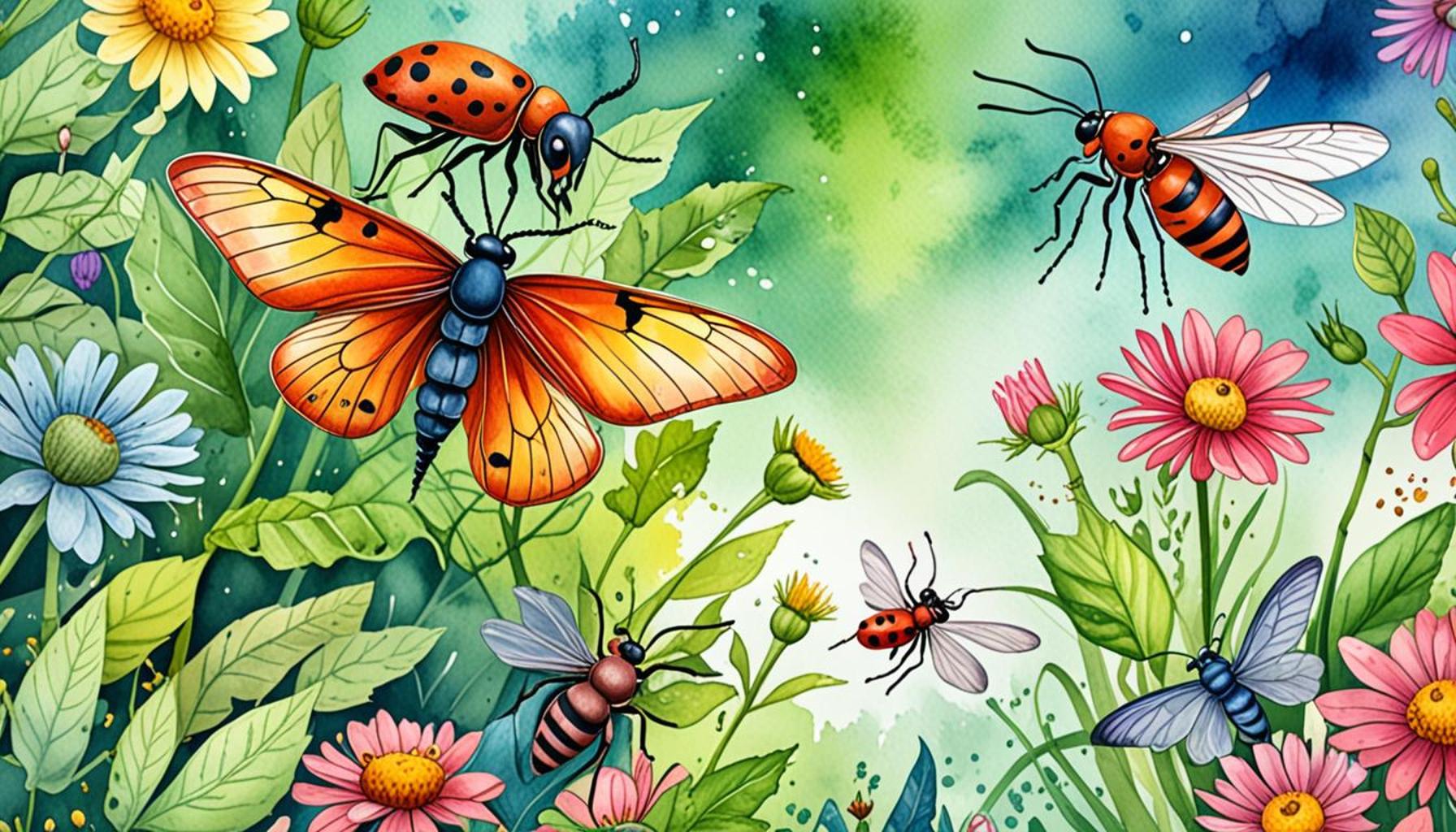
The Benefits of Attracting Predatory Insects to Your Home Garden for Pest Control

The Importance of a Balanced Ecosystem
Imagine stepping into your garden, where the gentle buzz of hardworking insects creates a harmonious ecosystem. Leveraging this natural synergy by attracting predatory insects can transform your garden into a vibrant haven that flourishes without relying on harsh chemicals. By fostering these natural pest controllers, you not only protect your plants but also enhance your garden’s biodiversity, creating a lush environment teeming with life.
Natural Pest Management
One fundamental advantage of attracting predatory insects is their role in natural pest management. Beneficial insects, such as ladybugs, lacewings, and parasitic wasps, are key players in controlling common garden pests. For instance, one ladybug can consume as many as 50 aphids in a single day, effectively curbing infestations that threaten your plants. Similarly, lacewing larvae, often called «aphid lions,» are voracious predators, feeding on soft-bodied insects and their eggs. By encouraging these species, you develop a robust defense against pests without resorting to chemical sprays that could harm beneficial organisms in your garden.
Environmental Benefits
Implementing natural pest control strategies offers significant environmental benefits. By reducing chemical pesticide usage, you not only protect local wildlife, including birds and beneficial insects, but also promote a healthier soil ecosystem. Chemical runoff from traditional pesticides can contaminate nearby waterways, leading to detrimental effects on aquatic life. However, by embracing natural pest management, you contribute to a healthier planet while enjoying the bounties of your garden.
A Cost-Effective Solution
In addition to environmental and health benefits, attracting predatory insects can be a cost-effective solution for gardeners. High-quality pest control products can be pricey, and their frequent application can strain your budget. Conversely, establishing a habitat that invites predatory insects requires a one-time effort of planting specific flowers and herbs, such as dill, fennel, and marigold, which are known to attract these beneficial insects. Over time, this strategy can result in substantial savings while ensuring the vitality of your garden.
Creating the Perfect Environment
To maximize the benefits of predatory insects, it’s crucial to create an inviting habitat tailored to their needs. This involves considering factors such as diverse plant selection, minimal pesticide use, and adequate shelter in your garden. Native plants often attract the right predators and pollinators more effectively than non-native species. Furthermore, maintaining a variety of blooms throughout the growing season provides a continuous food source for these essential allies. As you delve deeper into the world of natural pest control, you will discover which predatory insects are best suited for your region and how to create a thriving environment that keeps these beneficial species coming back.
By entering into a partnership with nature, your garden can achieve layers of health and vitality that go beyond mere aesthetics. Each insect plays a crucial role in maintaining balance, leading to improved plant health, better yields, and a reduced likelihood of pest outbreaks. Embrace this sustainable approach, and watch your garden thrive in harmony with its stunning natural ecosystem!
DISCOVER MORE: Click here to learn how plant diversity can help
Natural Predators in Your Garden
Attracting predatory insects to your home garden serves as an effective strategy for sustainable pest control, relying on the natural behavior of these garden allies. Many gardeners often overlook the vital services provided by insects such as ladybugs, green lacewings, and hoverflies. By understanding and encouraging the presence of these beneficial species, you can significantly mitigate pest problems while enhancing the overall health of your garden.
Understanding the Key Players
Several predatory insects are particularly effective at managing pest populations. Here’s a closer look at some of the most beneficial insects to attract:
- Ladybugs: Known for their striking red bodies and black spots, ladybugs are among the most recognized garden allies, with adults and larvae both feeding on aphids, mealybugs, and other soft-bodied pests. A single ladybug can consume over 5,000 aphids in its lifetime!
- Green Lacewings: Often called “aphid lions,” lacewing larvae voraciously feed on aphids, thrips, and caterpillars. Adult lacewings can also pollinate flowers, making them doubly beneficial for your garden.
- Parasitic Wasps: While small and often unnoticed, parasitic wasps lay their eggs in or on pest insects, eventually leading to the host’s demise. These wasps target pests like caterpillars, beetles, and even whiteflies, offering an efficient method of pest control.
- Predatory Mites: Though less known, predatory mites are excellent providers of pest management in the garden. They thrive on spider mites and other tiny pests, keeping populations in check.
Inviting Predators to Your Garden
Creating conditions conducive to predatory insects involves understanding their habitat needs and food sources. Here are effective strategies to make your garden a welcoming environment for these beneficial creatures:
- Plant Diverse Flowers: Incorporate various flowering plants, particularly those with nectar and pollen, to attract adult predators. Favorites include yarrow, dill, and sunflowers.
- Provide Shelter: Offer places for predatory insects to hide and breed, such as tall grasses, shrubs, or even specially designed insect hotels. This protection is paramount, particularly during harsh weather conditions.
- Limit Pesticide Use: Reducing the application of chemical pesticides is crucial, as they can harm not only the pests you aim to control but also the beneficial insects that help manage those pests.
As you implement these strategies, a diverse cast of predatory insects may take residence in your garden, leading to a dramatic reduction in pest populations. Understanding their dietary needs and habitat preferences allows you to cultivate an atmosphere where nature’s pest controllers can thrive. Ultimately, establishing a symbiotic relationship with these natural allies not only aids in pest management but also promotes a richer biodiversity within your garden ecosystem.
| Category | Impact |
|---|---|
| Natural Pest Control | Predatory insects like ladybugs and lacewings consume common garden pests, significantly reducing the need for chemical pesticides. |
| Biodiversity Promotion | Encouraging predatory insects contributes to a balanced ecosystem, enhancing overall garden health and resilience against disease. |
Attracting predatory insects to your home garden not only offers a sustainable approach to pest management but also fosters a harmonious ecosystem. One of the most notable advantages is the powerful impact of these beneficial predators on natural pest control. Insects such as ladybugs and predatory mites feast on aphids, caterpillars, and other harmful pests. This natural predation facilitates a dramatic reduction in pest populations, enabling gardeners to minimize their reliance on synthetic pesticides that can harm beneficial organisms and the environment. Moreover, promoting biodiversity through the inclusion of predatory insects enriches your garden’s ecosystem. These beneficial species contribute to pollination and support beneficial microorganisms in the soil, fostering robust plant growth and resilience against diseases. By nurturing a habitat that attracts these vital players, homeowners can cultivate a thriving garden environment that not only looks vibrant but also sustains itself more effectively. Exploring the methods to attract and maintain populations of predatory insects in your garden can be hugely rewarding and essential for a sustainable gardening ethos.
DISCOVER MORE: Click here to learn about organic mulches</p
Enhancing Biodiversity and Garden Resilience
One of the most compelling advantages of attracting predatory insects to your home garden is the profound enhancement of biodiversity. This increased diversity not only contributes to a healthy ecosystem but also creates a more resilient garden that can withstand various environmental challenges. When predatory insects coexist with other beneficial organisms, they form a natural balance that encourages a thriving habitat.
Building a Balanced Ecosystem
Incorporating predatory insects into your garden is an essential step toward achieving ecological balance. These natural predators actively regulate pest populations, preventing outbreaks that can devastate crops. For example, when ladybugs feast on aphids, they help maintain a stable equilibrium, reducing the need for intervention. This self-regulating system supports plants’ overall health, which in turn provides a variety of food and shelter for other wildlife, thereby heightening biodiversity.
Research shows that gardens rich in biodiversity tend to have lower disease incidence among plants. When diverse insect populations thrive, they create a robust food web, allowing various organisms to interact and depend on each other in a beneficial way. The result is a healthier environment that can better respond to diseases, pests, and invasive species. Additionally, studies highlight that gardens with a variety of predatory insects demonstrate enhanced pollination, further benefiting plant growth and yields.
Conserving Water and Soil Quality
Attracting predatory insects contributes to improved soil quality and water conservation efforts. Healthy insect populations break down organic matter, leading to nutrient-rich soil that supports overall plant growth. Moreover, predatory insects like rove beetles and spiders help aerate the soil, promoting better water infiltration and retention. This is particularly important in places like California and Texas, where droughts are common. A healthy garden ecosystem can maintain moisture levels more effectively, reducing the necessity for frequent watering.
Long-Term Cost Savings
Utilizing predatory insects for pest control equates to significant long-term savings for gardeners and homeowners alike. By reducing reliance on chemical pesticides, you not only lower the costs associated with purchasing these products but also minimize potential harm to insects and other wildlife. Research has indicated that integrated pest management (IPM)—which includes attracting beneficial insects—can lead to a remarkable decrease in pest-related expenses, yielding savings of 20% to 50% for farmers and gardeners.
Furthermore, the resurgence of timely and effective predators decreases the likelihood of pest resistance developing against synthetic pesticides. When garden pests are consistently managed by their natural enemies, they are less likely to evolve due to the selective pressures that accompany chemical treatments.
In the long run, establishing a habitat that welcomes predatory insects fosters a self-supporting ecosystem that requires less external input and intervention. By making informed choices about gardening practices, you can cultivate a thriving environment that recognizes the invaluable role of these natural pest controllers, boosting productivity and enhancing the overall experience of gardening.
DON’T MISS OUT: Click here to learn how to time your pest control efforts effectively
Conclusion
In summary, the practice of attracting predatory insects to your home garden offers a multitude of benefits that extend far beyond simple pest control. By fostering a diverse ecosystem, you not only enhance the overall health of your garden but also create a resilient environment capable of withstanding various ecological stresses. The natural balance established by these predators effectively curtails pest populations, enriching the soil’s quality and improving water conservation efforts through aeration and nutrient cycling.
Moreover, the financial implications are noteworthy. Gardener-friendly methods such as integrated pest management (IPM) can lead to substantial long-term cost savings, reducing dependency on chemical pesticides and ensuring a safer habitat for both beneficial organisms and humans. This holistic approach not only mitigates the ecological damage associated with synthetic alternatives but also invites an array of beneficial organisms, further enhancing biodiversity in your garden.
As we move forward in an era of increasing awareness about sustainable practices, the importance of embracing natural pest control through predatory insects cannot be overlooked. Cultivating an inviting environment for these tiny allies not only ensures a vibrant and productive garden but also contributes to the broader ecological welfare of our planet. By taking steps to implement these strategies, gardeners stand to unlock the full potential of their home landscapes while actively participating in the preservation of our shared environment.

Linda Carter
Linda Carter is a gardening writer and home-growing specialist who helps beginners cultivate thriving home gardens. With extensive experience guiding new gardeners through plant selection and sustainable growing techniques, she shares practical gardening strategies on our platform. Her goal is to empower readers with actionable advice and step-by-step strategies to successfully grow their own food and create beautiful, productive gardens at home.