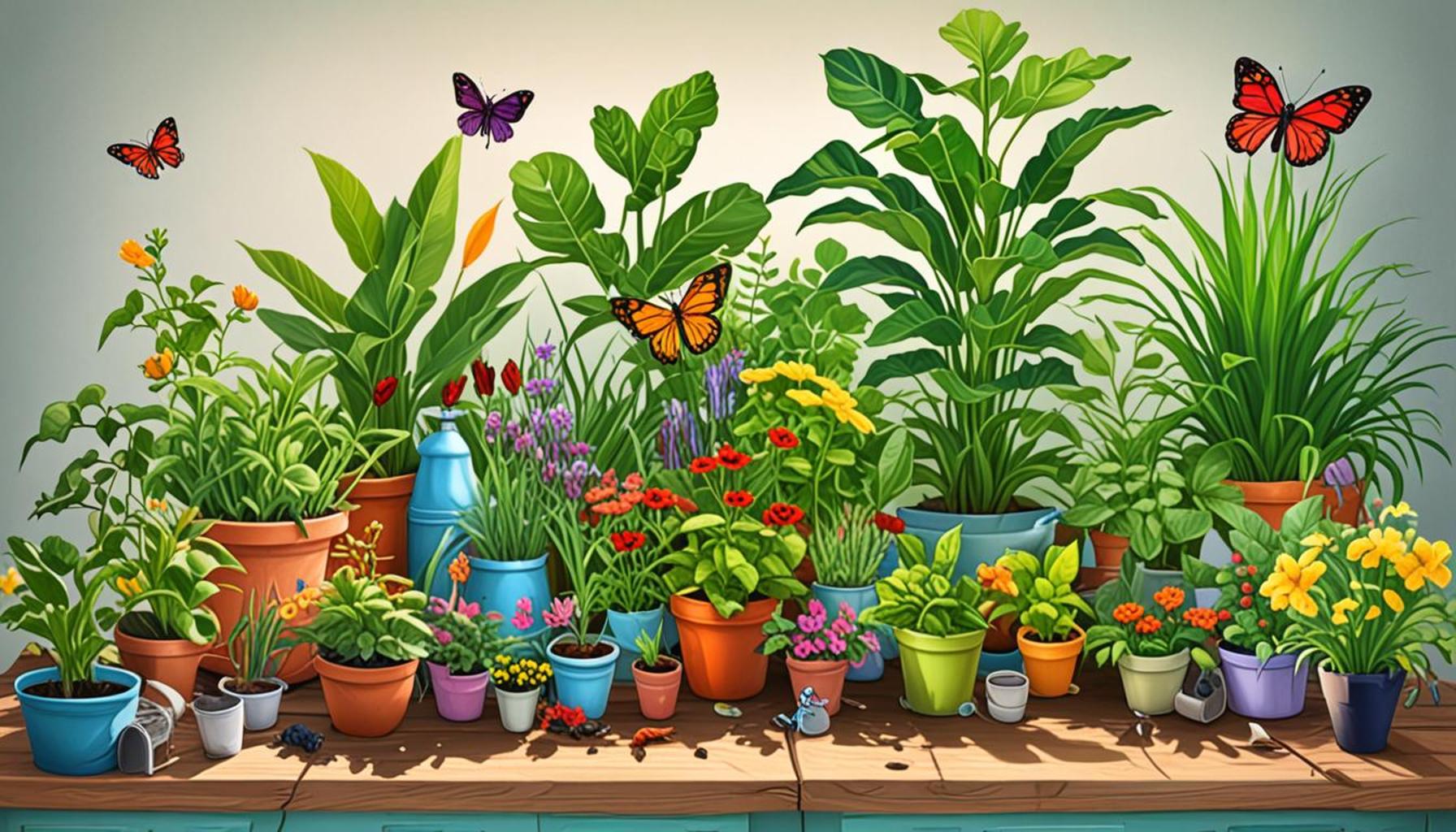
Integrating Companion Planting to Deter Pests in Your Home Garden

The Fascinating Benefits of Companion Planting
Have you ever wondered how to keep pests at bay while nurturing your home garden? One of the most effective methods to achieve this is through companion planting. This age-old gardening technique pairs plants that naturally deter pests, promoting a healthier and more vibrant garden. The concept is not only practical but also aligns beautifully with organic gardening principles, making it an attractive choice for environmentally conscious gardeners.
Companion planting does more than just help with pest management; it enhances growth and improves overall soil health, leading to increased yields. Understanding these benefits can significantly change your gardening approach. Here are some key advantages of integrating this method into your gardening practice:
- Natural Pest Control: Certain plants repel harmful insects through their natural scents or chemical compounds. For instance, the strong aroma of lavender can deter pests like fleas and mosquitoes, while garlic is reputed for keeping aphids and spider mites at bay.
- Enhanced Growth: Certain plants can enhance the growth rates of their neighbors. Nitrogen-fixing plants like clover or legumes can enrich the soil, benefiting nearby crops such as corn or squash.
- Soil Health Improvement: Companion plants can enhance nutrient availability. For example, the deep roots of chicory can draw up nutrients from deeper soil layers, making them available to shallow-rooted plants like lettuce.
For a practical example, consider the classic combination of marigolds and tomatoes. Marigolds are known to deter nematodes, which are harmful to tomato plants. Similarly, planting basil alongside cucumbers can effectively ward off cucumber beetles, providing a natural protective barrier. This method of pairing plants can lead to a thriving ecosystem within your garden, allowing you to cultivate more resilient crops.
As you delve deeper into the world of companion planting, you will discover a wealth of strategies that align perfectly with your gardening goals. Whether you are aiming for a bountiful vegetable garden or a beautiful flower bed, integrating companion plants can enhance your yields while naturally controlling pests. Embracing this harmonious approach can radically transform your gardening experience, offering not just a solution to pesky invaders but also enriching your garden’s biodiversity.
Additionally, frequent gardening workshops, local gardening clubs, or online resources can provide tips and strategies tailored to your specific region, ensuring you make informed choices about which plants to pair. As you embark on this enriching journey, you’ll not only gain valuable gardening skills but also contribute positively to your local environment.
DISCOVER MORE: Click here to learn about innovative pest barriers!
Essential Companion Planting Techniques for Pest Deterrence
Understanding the process of companion planting is the first step toward harnessing its pest-deterrent benefits in your home garden. By intentionally pairing compatible plants, gardeners can create an ecosystem that naturally discourages the presence of harmful insects. The foundation of this technique lies in the relationships between various plants, which can range from mutualistic interactions—where both species benefit—to one species repelling pests that affect another.
One of the most effective components of companion planting involves selecting plants that can act as natural repellents. Here are some strategies to consider:
- Utilize Aromatic Herbs: Many herbs release pleasing scents that can repel pests. For example, rosemary is known to keep cabbage moths away while attracting beneficial insects such as pollinators. Similarly, mint can deter ants and fleas.
- Bold Flower Choices: Certain flowers are not only beautiful but serve a practical purpose. Nasturtiums are particularly effective at attracting aphids away from more delicate vegetables, effectively acting as a trap crop. These bright orange and yellow blooms can brighten up your garden while protecting your more valuable plants.
- Mixing Vegetables Wisely: Pairing vegetables wisely can also help manage pests effectively. For instance, growing onions near carrots can shield the carrots from the carrot fly. This strategic association not only promotes health but also maximizes garden space.
Choosing the right companions means considering a variety of factors, including plant size, growth rate, and nutrient requirements. The combinations you select should complement one another, creating a self-sustained garden environment. For example, the well-known partnership of corn, beans, and squash, often referred to as the “Three Sisters,” exemplifies how planting different crops close together can benefit each plant while confounding pests. Beans climb the corn stalks, while squash spreads out to shade the ground, reducing weed competition and protecting vulnerable roots.
Moreover, some plants excel at preparing the soil for others. Companion planting takes advantage of plants like clover, which is a natural nitrogen-fixer. When planted alongside nutrient-hungry crops like tomatoes or peas, clover enhances soil fertility, allowing other plants to thrive while also enhancing soil structure.
In conclusion, integrating companion planting into your home garden not only champions natural pest management but also fosters a nourishing and vibrant growing environment. Each plant plays a role, and understanding these dynamics will empower you to create a flourishing garden ecosystem. The journey of discovering effective combinations can enrich your gardening experience while cultivating healthy and resilient crops.
| Companion Plants | Pest Deterrence Benefits |
|---|---|
| Marigolds | Repel nematodes and attract beneficial insects. |
| Basil | Disrupt pest life cycles and enhance flavor of nearby plants. |
| Nasturtiums | Attract aphids away from vegetables, serving as a trap crop. |
| Garlic | Repel a variety of pests with its strong scent. |
| Chives | Deters aphids and improves growth of surrounding plants. |
The concept of integrating companion planting into your home garden not only emphasizes plant relationships but addresses the ecological balance. With strategic pairing, certain plants can repel troublesome pests naturally. For example, Marigolds are known for their ability to repel nematodes, while Basil can disrupt pest lifecycles and enhance flavors. Additionally, plants like Nasturtiums attract aphids, drawing them away from more vulnerable vegetables. Likewise, Garlic’s potent odor is a powerful deterrent to various pests, proving essential for a thriving garden ecosystem. These innovative practices are becoming increasingly popular among eco-conscious gardeners, inviting them to explore the numerous benefits that the synergy of plants can provide. Through careful planning and understanding of plant interactions, you can cultivate a healthier and more productive garden environment.
DISCOVER MORE: Click here to enhance your pest control strategies
Enhancing Biodiversity to Fortify Pest Resistance
Another crucial aspect of integrating companion planting into your home garden involves enhancing biodiversity. This step is essential not only for pest deterrence but also for building a more resilient ecosystem. A diverse garden can attract a wider range of beneficial insects and even help balance natural predator-prey relationships, minimizing the need for chemical pesticides.
Consider incorporating a variety of plants, including flowers, herbs, and vegetables, which will not only create a vibrant palette in your garden but also invite different species of wildlife. Beneficial insects such as ladybugs and lacewings can be encouraged through the strategic planting of flowers like marigolds and yarrow. Both are known for attracting predatory insects that feast on aphids and other harmful pests that threaten your garden’s growth.
Planting cover crops is another effective tactic for pest control. For instance, buckwheat can be sown in areas of your garden during off-seasons. As it blossoms, it attracts numerous beneficial insects and provides a habitat for predatory species, effectively protecting your main crops. When choosing cover crops, look for those that can also improve soil health, such as vetch or mustard, which add nutrients back into the soil and disrupt pest life cycles.
Timing and Seasonality in Companion Planting
The understanding of timing and seasonality in companion planting can significantly impact the success of your pest deterrence strategy. Not all plants thrive simultaneously, which makes crop rotation an important practice. For example, planting marigolds early in the season can establish them as a pest-repelling barrier before your primary crops, like tomatoes or peppers, take root. This proactive approach allows your garden to stay ahead of potential infestations.
Furthermore, some plants benefit from staggered planting times to ensure continual growth. Take, for instance, radishes and spinach. By planting radishes early and harvesting them before the spinach fully matures, the garden maintains a steady presence of plants that can deter pests with their specific scent profile. As radishes soften the ground, they also create space for the flourishing spinach, allowing for effective pest management without sacrificing garden productivity.
Educational Resources and Community Involvement
Incorporating companion planting strategies can be made easier through community engagement and access to educational resources. Many local extension services or garden clubs offer workshops and handouts on traditional and innovative companion planting techniques tailored to regional climates. This community support becomes invaluable as fellow gardeners share personal insights and success stories regarding pest management.
Furthermore, online platforms and gardening forums provide a treasure trove of information, from crop selection to seasonal tips, all centered around integrating companion planting to deter pests. This collective knowledge can inspire you to experiment with new plant combinations, broadening the scope of your garden’s biodiversity and ultimately enriching the overall gardening experience.
As you embark on your journey of integrating companion planting into your home garden, remember that each decision you make can create ripple effects, not only aiding in pest deterrence but also nurturing a thriving ecosystem for plants and pollinators alike.
DISCOVER MORE: Click here for insights on plant diversity and pest control
Conclusion: Cultivating Harmony in Your Home Garden
Incorporating companion planting techniques into your home garden not only serves as a natural deterrent against pests but also fosters an ecosystem brimming with life and vitality. By leveraging the symbiotic relationships between plants, you can minimize the reliance on chemical pesticides while enhancing the health of your soil and the overall resilience of your garden. The diversity of plant species can attract beneficial insects like ladybugs and lacewings that act as your garden’s natural pest controllers, ultimately leading to a more robust environment.
As you experiment with different combinations of plants, such as pairing fragrant herbs with vegetable crops or introducing colorful flowers that draw in pollinators, you will discover a unique balance that suits your garden’s specific needs. Understanding timing and seasonality is equally crucial; carefully planning when to plant various species can aid in ensuring that your garden remains a protective haven against pests throughout the growing season.
Moreover, engaging with local gardening communities and utilizing educational resources can deepen your understanding of successful companion planting strategies tailored to your region. As you adopt these practices, consider sharing your experiences and discoveries, contributing to a collective pool of knowledge that benefits fellow gardeners.
In conclusion, by embracing the principles of companion planting, you are not merely managing pests; you are actively weaving a tapestry of life that enriches your garden, promotes biodiversity, and encourages a sustainable approach to gardening. Take the plunge into this enriching journey, and watch as your home garden transforms into a vibrant, thriving ecosystem.

Linda Carter
Linda Carter is a gardening writer and home-growing specialist who helps beginners cultivate thriving home gardens. With extensive experience guiding new gardeners through plant selection and sustainable growing techniques, she shares practical gardening strategies on our platform. Her goal is to empower readers with actionable advice and step-by-step strategies to successfully grow their own food and create beautiful, productive gardens at home.