Utilizing Organic Mulches to Deter Pests and Improve Soil Health in Beginner Gardens
Understanding Organic Mulches: A Key to Thriving Gardens
If you’re venturing into gardening for the first time, you’re likely eager to cultivate a thriving space. One effective method to enhance your garden’s health and combat unwanted pests is through the use of organic mulches.
Organic mulches are materials derived from plants or other organic substances and, when applied to the soil surface, can significantly boost your garden’s ecosystem. These mulches not only serve aesthetic purposes but also provide critical benefits that are essential for any beginner gardener looking to create a flourishing garden. Let’s explore the advantages of incorporating organic mulches into your gardening practices.
Key Benefits of Organic Mulches
- Deters Pests: Certain organic materials, such as pine needles and cedar bark, have natural properties that can repel harmful insects like aphids and slugs. By creating a barrier, these mulches reduce the likelihood of infestations, providing a safer environment for your plants.
- Improves Soil Health: As organic mulches decompose, they enrich the soil with vital nutrients such as nitrogen, phosphorus, and potassium. Over time, this process enhances soil fertility, creating a nurturing environment for plant roots. The increased microbial activity from decomposition can lead to robust soil structure and enhanced drainage.
- Retains Moisture: Organic mulches play a crucial role in moisture retention. By covering the soil, they act as a protective shield against evaporation. This function is particularly beneficial during hot summer months, as it lessens the need for frequent watering—saving both time and water resources.
Popular Types of Organic Mulches
For beginner gardeners, understanding the right types of mulches can lead to immense improvements in plant health and garden productivity. Here are some popular organic mulch choices:
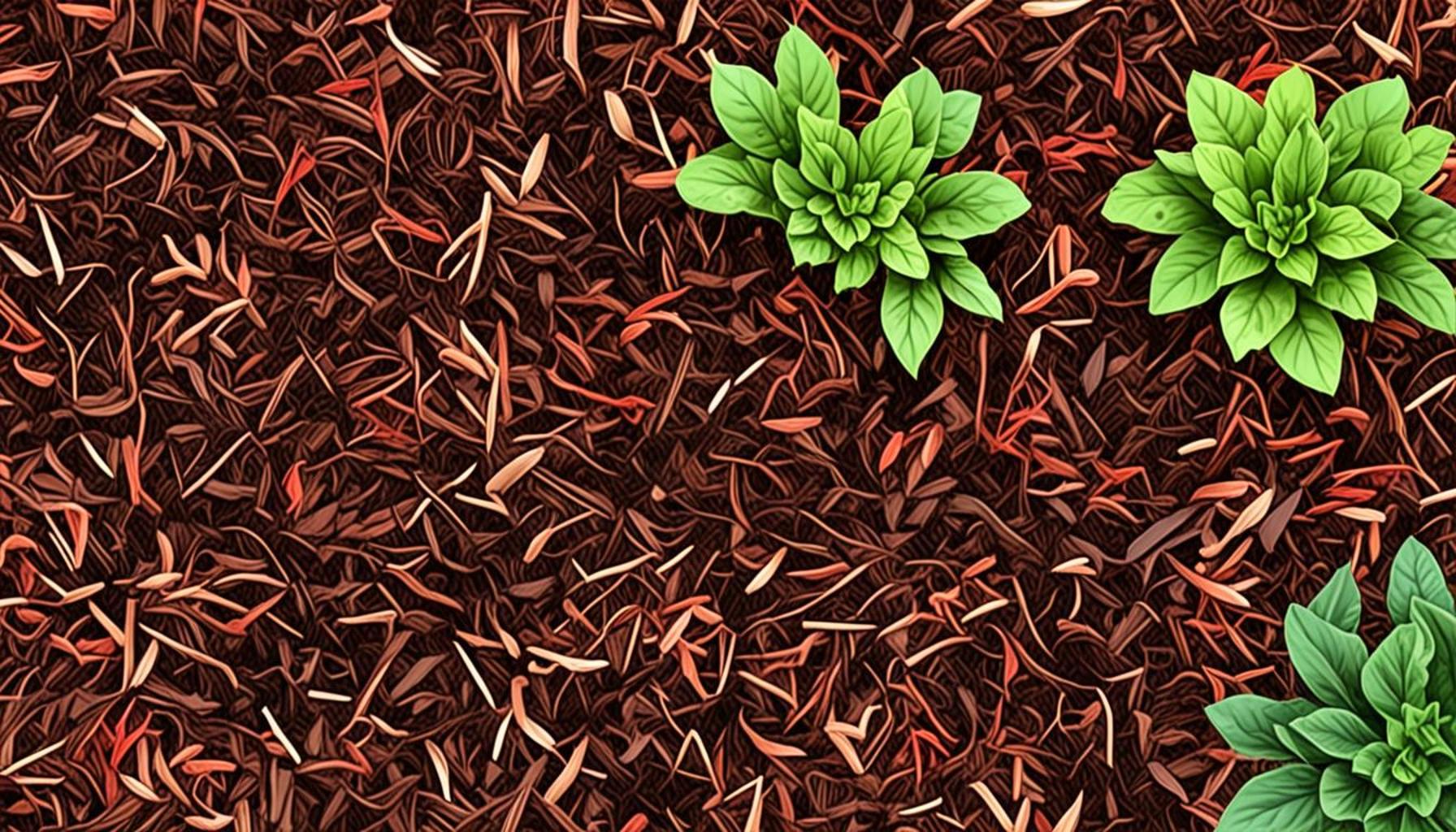
- Wood Chips: Often used in ornamental gardens, wood chips not only deter pests but also provide a stable environment for various plants. They can be sourced from local landscaping companies and, with their earthy appearance, enhance your garden’s aesthetics.
- Straw: Ideal for vegetable gardens, straw is excellent for weed control and moisture retention. Its light texture allows for easy incorporation into the soil as it decomposes, providing important nutrients for your plants.
- Grass Clippings: An excellent source of nitrogen when dried, grass clippings can enhance soil fertility significantly. They’re especially effective when layered thinly to prevent matting and odor, making them a resource-efficient choice for gardeners.
As you embark on your gardening journey, integrating organic mulches could be your secret weapon to building a vibrant garden ecosystem. From pest control to soil enhancement, the benefits are numerous. Dive deeper into the science behind mulching, research local options, and discover how they can transform your gardening experience into one that is not only productive but also sustainable. Embrace the natural world in your garden and witness the flourishing of life you’ve cultivated with care!
DIVE DEEPER: Click here for natural pest control tips
The Role of Organic Mulches in Pest Management
For novice gardeners, pest management can seem daunting, but utilizing organic mulches can be a game changer. By embracing these natural materials, gardeners not only protect their plants but also create a habitat that encourages beneficial insects. For instance, applying a layer of cedar mulch can act as a barrier against pests such as aphids and whiteflies due to its natural insect-repellent properties. Moreover, the aromatic oils found in cedar discourage many unwanted visitors, offering a chemical-free approach to pest control.
Beyond just repelling insects, organic mulches also enhance the overall health of your garden ecosystem. When pest populations are kept in check, plants experience less stress, leading to stronger growth and a higher yield. It’s important to consider that organic mulches stimulate beneficial predators like ladybugs and lacewings, which are natural enemies to common pests. By choosing the right mulch, beginner gardeners can create a balanced environment where these helpful insects thrive, leading to a more resilient garden.
Improving Soil Structure and Nutrient Availability
Understanding the impact of organic mulches on soil health is crucial for those new to gardening. As organic materials break down, they contribute to the formation of humus, enriching the soil with essential nutrients. This gradual decomposition releases a variety of nutrients including nitrogen, phosphorus, and potassium, which are vital for plant growth. In addition, the increased microbial activity from microbes feeding on the decaying material improves soil structure, enhancing its ability to retain moisture and nutrients.
Moreover, soil aeration is improved through the incorporation of organic mulches. This allows plant roots to penetrate deeply, leading to healthier and more resilient plants. For beginners, choosing organic mulches such as compost or shredded leaves can be incredibly beneficial—transforming garden beds into nutrient-rich environments that support vigorous plant growth. The process of decomposition not only replenishes the soil but also fights against soil erosion, creating a sustainable gardening practice.
Enhancing Weed Control Through Organic Mulching
Another significant advantage of utilizing organic mulches is their ability to suppress weed growth. Weeds compete with garden plants for sunlight, nutrients, and water, and can quickly overrun a new garden. A well-applied layer of organic mulch can block sunlight from reaching weed seeds, preventing them from germinating. Common organic mulches such as straw or wood chips can effectively form a protective barrier, allowing your prized plants room to thrive without the competition.
Establishing a weed-free environment is crucial for beginner gardeners who need to focus their energy on nurturing their plants rather than battling unwanted growth. By creating a thick layer of 2-4 inches of organic mulch around plants, gardeners can dramatically decrease the likelihood of weeds taking hold. Not only does this tactic simplify garden maintenance, but it also promotes a healthier, more productive growing environment. As you embark on your gardening adventure, consider these diverse benefits of organic mulches as an essential part of your toolkit for success.
Unlocking the Benefits of Organic Mulches
Utilizing organic mulches in beginner gardens offers a plethora of benefits that cater to both pest control and soil health. These natural materials, which can include wood chips, straw, and leaves, create a protective barrier that not only conserves moisture but also enhances the nutrient profile of the soil as they decompose. In doing so, they encourage beneficial microorganisms to thrive, contributing significantly to improved soil structure and fertility.Furthermore, organic mulches play a pivotal role in detering pests. By creating a physical barrier, these mulches can hinder pests like slugs and snails, which often wreak havoc on tender plants. Moreover, certain types of organic mulches, such as cedar chips, are known for their natural insect-repellent properties, making them a dual-action solution for pest management.In addition, organic mulches elevate soil health by preventing weed growth, which can otherwise compete for vital nutrients and water. This creates a more stable and productive environment for plants, particularly for novice gardeners who may be less equipped to handle weed infestations. The constant breakdown of organic materials enriches the soil with organic matter, ultimately leading to healthier plant growth.To further emphasize the merits of organic mulching, it’s essential to consider its sustainability aspect. Using natural materials reduces waste and promotes an eco-friendly gardening practice, aligning with a broader movement towards environmental stewardship. This not only benefits the home garden but also casts a positive light on the broader agricultural community as more garden enthusiasts adopt sustainable practices.By understanding and implementing the virtues of organic mulching, beginner gardeners are not only investing in healthier plants but also fostering a nurturing environment that promotes biodiversity. The journey into gardening becomes more rewarding as well-done mulching leads to richer soil ecosystems and thriving gardens.
| Advantages of Organic Mulches | Benefits |
|---|---|
| Suppresses Weeds | Reduces competition for nutrients and moisture |
| Improves Soil Structure | Enhances water retention and aeration |
| Deters Pests | Physical barriers prevent damage from pests |
| Adds Nutrients | Decomposing organic matter enriches soil |
DISCOVER MORE: Click here to learn innovative pest barrier solutions
Additional Benefits of Organic Mulch in Beginner Gardens
In addition to pest deterrence and improving soil health, there are several other compelling reasons why organic mulches should be an integral part of every beginner gardener’s strategy. From enhancing soil biodiversity to boosting aesthetic appeal, these natural materials offer a multitude of advantages that can create a flourishing garden environment.
Soil Biodiversity and Microbial Health
Organic mulches play a critical role in promoting soil biodiversity. The rich organic matter helps build a habitat for a variety of microorganisms, including bacteria, fungi, and earthworms, which are vital for a thriving ecosystem. These microorganisms contribute to the decomposition process, ensuring that nutrients are made available to plants in a timely manner. Fostering a healthy soil microbiome not only benefits your garden’s productivity but also aids in disease suppression—an essential factor for maintaining plant vitality.
Research has shown that systems implemented with a diverse range of organic mulches tend to yield more abundant harvests, as these beneficial organisms work symbiotically to improve nutrient cycling. An effective approach is to mix different types of organic mulches—such as grass clippings, pine needles, and leaf mold—to create a more diverse and beneficial microbial community.
Temperature Regulation and Moisture Retention
One of the overlooked yet vital advantages of organic mulches is their ability to regulate soil temperature. By insulating the soil, mulches help keep plant roots cool in hot weather and warm in cooler months, mitigating the temperature extremes that can stress young plants. This temperature moderation can lead to earlier planting in the spring and extended growing seasons in the fall for beginner gardeners looking to maximize their harvest.
Additionally, organic mulches significantly enhance moisture retention within the soil by reducing evaporation rates. This conserving effect can be especially beneficial during dry spells, and it reduces the frequency of watering needed—a critical consideration for novice gardeners. Keeping the soil consistently moist aids in overall plant health and minimizes the chances of drought-related stress.
Environmental Benefits and Sustainability
Utilizing organic mulches in your garden contributes not only to your plants’ growth but also to environmental sustainability. Organic materials such as bark, straw, or compost are often sourced locally, minimizing carbon footprints associated with transport. Additionally, these materials help reduce landfill waste, as many are by-products of other industries.
Employing organic mulches encourages a closed-loop system in gardening. As they decompose, they return nutrients to the soil, supporting a natural form of plant fertilization that reduces the need for synthetic fertilizers. In turn, this approach fosters better water retention, which can also play a part in preventing soil runoff and protecting local waterways.
Embracing organic mulches not only provides immediate benefits in the garden but also promotes practices that manifest positively for future generations. For beginner gardeners, these practices make a real difference, offering a path toward achieving not only a beautiful garden but one that supports a healthy ecosystem.
DIVE DEEPER: Click here to learn how plant diversity can protect your garden</p
Conclusion: Embracing the Power of Organic Mulches
In summary, utilizing organic mulches in beginner gardens creates a multifaceted approach to successful gardening, offering essential benefits that resonate far beyond mere aesthetics. Organic mulches, such as wood chips, shredded leaves, and straw, not only deter pests but also enhance soil health by adding organic matter as they decompose. This process fosters a thriving environment tailored to nurturing plants and creating a balanced ecosystem.
The advantages of organic mulches extend into improving soil biodiversity. For instance, mulches create a protective layer that encourages microorganisms, which play a crucial role in nutrient cycling and plant growth. Additionally, by regulating soil temperature, organic mulches keep roots cool in the summer and insulated during winter months, ensuring plants remain vigorous throughout the year.
Moreover, one cannot overlook the significant role organic mulches play in water conservation. They help retain moisture in the soil, reducing the frequency of watering—an important consideration for gardeners in arid regions or during summer heatwaves. This leads to less water usage and ultimately supports sustainable gardening practices.
The sustainability aspect of organic mulches cannot be overlooked either. By incorporating locally sourced materials, like bark, straw, or compost, gardeners contribute to ecological balance while reducing waste and reliance on synthetic products. For example, using fallen leaves as mulch not only recycles natural waste but also enriches the soil as they break down. This commitment not only yields healthier crops but also champions environmentally responsible practices that benefit the planet.
As beginner gardeners embark on their horticultural journeys, the integration of organic mulches can indeed be a game-changer. This simple yet effective method equips them with the tools necessary for cultivating robust gardens while nurturing the surrounding ecosystem. With the right knowledge and application, organic mulching transforms gardening from a mere hobby into a rewarding pursuit. Ultimately, embracing organic mulches lays a foundation for a gardening practice that is not only sustainable and resilient but also ensures that the beauty and bounty of gardens flourish for generations to come.

Linda Carter
Linda Carter is a gardening writer and home-growing specialist who helps beginners cultivate thriving home gardens. With extensive experience guiding new gardeners through plant selection and sustainable growing techniques, she shares practical gardening strategies on our platform. Her goal is to empower readers with actionable advice and step-by-step strategies to successfully grow their own food and create beautiful, productive gardens at home.