Innovations in Urban Mobility: The Future of Transport Through Apps and Digital Technologies
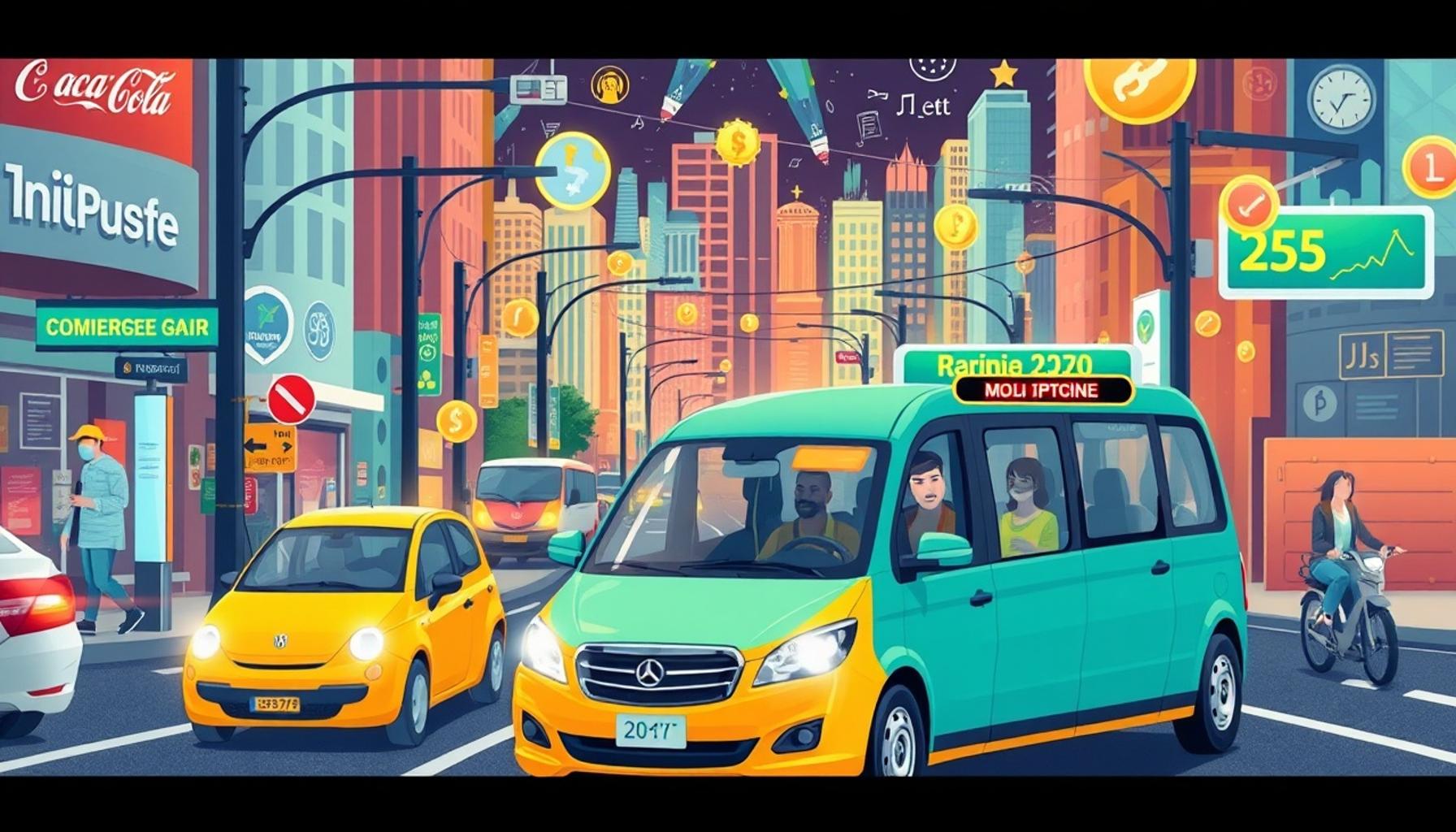
Introduction to Urban Mobility Transformation
Urban mobility is experiencing a significant transformation, as innovations in technology and the rise of mobile applications fundamentally reshape how we navigate our cities. In South Africa, this evolution is becoming increasingly prominent, with various technologies enhancing both the efficiency and accessibility of transportation across urban landscapes. These advancements not only streamline our daily commutes but also cater to the demands of an ever-growing urban population.
Several key innovations are driving this change:
- Ride-Hailing Apps: Services like Uber and Bolt have revolutionized transportation by allowing users to summon rides with just a tap on their smartphones. By offering on-demand transport, these platforms significantly reduce the necessity of personal vehicles, making it easier for individuals to get to work, school, or social engagements. Moreover, they often provide options ranging from budget-friendly to premium rides, accommodating diverse needs.
- Public Transport Apps: Applications like Citymapper and Google Maps have greatly improved how commuters navigate public transport options. These tools help users find the most efficient routes by integrating real-time updates for buses and trains, thus minimizing wait times and enhancing the overall commuter experience. For example, they can alert users to delays or disruptions, helping them to plan their journeys more effectively.
- Bike-Sharing Programs: Initiatives such as Mobike and local cycling schemes are encouraging eco-friendly travel alternatives by providing accessible bicycles for short trips. With designated bike lanes and docking stations around urban areas, these programs promote cycling as a viable mode of transport that benefits both individuals and the environment.
These advancements offer numerous benefits that contribute to more livable cities:
- Increased Accessibility: By providing easier access to reliable transport solutions, a greater number of individuals, including those in underserved areas, can improve their mobility. This inclusivity is especially important in South Africa, where traditionally, transportation options have not been equitable across different socio-economic groups.
- Reduced Congestion: The promotion of alternative modes of transport, like ride-hailing, public transit, and cycling, plays a crucial role in alleviating traffic congestion. As more people opt for shared or eco-friendly modes of transport, cities can experience smoother traffic flow, resulting in less time spent in transit.
- Environmental Sustainability: The innovations in urban mobility are paving the way for greener transport solutions that significantly reduce carbon footprints. Adopting bike-sharing and encouraging the use of electric vehicles not only contributes to cleaner air but also promotes a healthier lifestyle for residents.
As technology continues to evolve, the future of urban transport in South Africa looks promising. By embracing these innovations, we can create a more connected, efficient, and sustainable urban environment that benefits all citizens. With continuous investment in these realms, cities can enhance the quality of life for their residents while addressing the pressing challenges of urbanization.
SEE ALSO: Click here to read another article
Key Innovations Transforming Urban Mobility
The transformation of urban mobility in South Africa relies heavily on cutting-edge innovations that harness the power of technology and mobile applications. As cities grow and traffic congestion becomes a persistent challenge, these digital advancements are changing not only how we travel but also the very fabric of urban life. Let’s delve into a few significant innovations reshaping urban transport.
Ride-Hailing and Shared Mobility
One of the most significant innovations is the emergence of ride-hailing services. Applications like Uber and Bolt have redefined transportation by allowing users to summon a vehicle with a simple click on their smartphones. This convenience addresses the challenge of inadequate public transport in many South African cities, especially in underserved areas. Users can choose from a variety of vehicle types, from budget options to more luxurious rides, ensuring that everyone can find a suitable means of transport.
Moreover, these platforms help reduce the number of personal vehicles on the road. By encouraging ride-sharing, where multiple passengers share a ride and split costs, cities can witness a visible decrease in traffic congestion. This shift not only eases road pressure but also lowers emissions from individual car journeys, aligning with environmentally-friendly objectives.
Optimizing Public Transport
The integration of public transport apps into daily commuting routines has transformed how city dwellers navigate their public transport systems. Apps like Citymapper and the various local initiatives available provide essential information on the quickest routes, real-time updates on bus and train schedules, and alerts for service disruptions. For instance, if a bus is delayed or cancelled, users receive notifications that help them adjust their travel plans accordingly.
This access to real-time data enables commuters to make informed decisions, significantly enhancing their travel experiences. Furthermore, improved visibility into public transport schedules fosters greater trust in these systems, encouraging more individuals to opt for public transport over personal vehicles.
Promoting Sustainable Mobility Options
Another noteworthy trend is the growth of bike-sharing programs in urban areas. Initiatives like Mobike and various local cycling schemes make bicycles readily accessible for short trips, providing an eco-friendly mode of transport. With designated bike lanes and docking stations available throughout cities, biking becomes not only a viable option but also a fun, healthy alternative to driving. These programs promote active transportation while simultaneously encouraging a reduction in carbon emissions.
As more South Africans incorporate cycling into their daily commutes, cities can become greener and healthier environments. The physical activity associated with cycling also contributes to the overall well-being of residents, promoting a more active lifestyle.
In summary, these key innovations—from ride-hailing apps to public transport enhancements and bike-sharing initiatives—are profoundly altering the landscape of urban mobility in South Africa. While addressing various challenges, such as accessibility and environmental sustainability, these technologies are paving the way for smarter, more efficient, and inclusive transport systems that benefit all city residents.
SEE ALSO: Click here to read another article
Integrating Emerging Technologies for Enhanced Urban Mobility
As the landscape of urban mobility continues to evolve, several emerging technologies play a crucial role in creating more responsive and efficient transportation systems. Innovations such as connected vehicles, artificial intelligence (AI)</strong), and big data analytics are paving the way for a smarter, more integrated future of transport in South Africa’s cities.
Connected Vehicles and Smart Infrastructure
The incorporation of connected vehicles—cars equipped with internet and connectivity capabilities—has become a key innovation in urban transport. These vehicles can communicate with each other and with traffic management systems, allowing for real-time traffic updates, hazard warnings, and improved navigation. For example, if a connected vehicle detects a traffic jam ahead, it can instantly share this information with other nearby vehicles, enabling them to choose alternative routes and thereby reducing congestion.
Moreover, integrating connected vehicles with smart infrastructure—such as traffic lights that adjust based on real-time traffic flow—can greatly enhance the efficiency of urban transport. For instance, in some of South Africa’s larger cities, initiatives are underway to implement smart traffic signals that prioritize public transport vehicles, allowing buses and taxis to move more freely through congested areas. This not only eases commutes for passengers but also encourages the use of public transport as a reliable option.
Artificial Intelligence in Urban Planning
Another significant innovation affecting urban mobility is the application of artificial intelligence (AI) in transport planning and management. AI algorithms can analyze vast amounts of data collected from users and sensors in real time, predicting traffic patterns, peak commuting times, and potential disruptions with remarkable accuracy. South African cities can utilize such insights to refine public transport schedules and routes based on commuter demand, ensuring that services are available at the right times and places.
For example, AI-driven analytics can help identify areas with high demand for public transport but low access, prompting authorities to introduce new bus routes or additional services. By leveraging AI, urban planners can create transport systems that are not only more efficient but also more responsive to the needs of the community.
Big Data and Mobility Patterns
In the realm of urban mobility, the use of big data analytics has emerged as a transformative tool for understanding and improving travel patterns. Data collected from ride-hailing apps, public transport usage, and even mobile phones can provide valuable insights into commuter habits and preferences.
- Identifying Peak Times: By analyzing data from various sources, transport authorities can pinpoint peak travel times, allowing for adjustments in service schedules to accommodate higher demand.
- Optimizing Routes: Big data helps in developing dynamic routing systems for public transport vehicles, guiding them away from congestion and towards areas of higher demand.
- Enhancing Policies: Using data analytics, city officials can formulate policies that promote sustainable transport options based on real user trends, ultimately contributing to better urban planning and greener cities.
As South Africa embraces these innovations in urban mobility—ranging from connected vehicles to AI-driven analytics—it becomes possible to craft a transportation network that is more efficient, adaptable, and environmentally friendly. This comprehensive adoption of technology, alongside community-centric approaches, will lead to a holistic transformation of how we move around our urban spaces, offering substantial benefits for city residents and the environment alike.
CHECK OUT: Click here to explore more
Conclusion: A New Era of Urban Mobility
In conclusion, the rapid integration of digital technologies and innovative applications in urban mobility is setting the stage for a transformative shift in how we navigate our cities. By harnessing the power of connected vehicles, artificial intelligence, and big data analytics, South African metropolitan areas can significantly enhance their transport systems, making them more efficient, sustainable, and responsive to the needs of citizens.
The collaboration between technology and urban planning is evident in initiatives promoting smart infrastructure, such as adaptive traffic signals and real-time navigation aids. These innovations not only reduce congestion but also promote public transport usage, benefiting both commuters and the environment. As cities adopt these technological advancements, they are better equipped to address challenges related to transportation, such as peak congestion times and accessibility issues.
Furthermore, the emphasis on community-centric approaches ensures that the solutions developed are closely aligned with the needs and preferences of the people they serve. This partnership between technology and community will have a profound impact, leading to greener cities and improved quality of life for all residents.
As we move forward, it is essential to embrace these advancements and remain committed to refining our urban mobility strategies, making thoughtful investments in innovation. Doing so will allow us to unlock the full potential of our cities, ultimately creating a harmonious balance between sustainable transport, technology, and urban living for generations to come.

Linda Carter
Linda Carter is a writer and expert known for producing clear, engaging, and easy-to-understand content. With extensive experience in guiding people as they pursue their goals, she shares valuable insights and practical advice. Her mission is to help readers make informed choices and achieve meaningful progress.