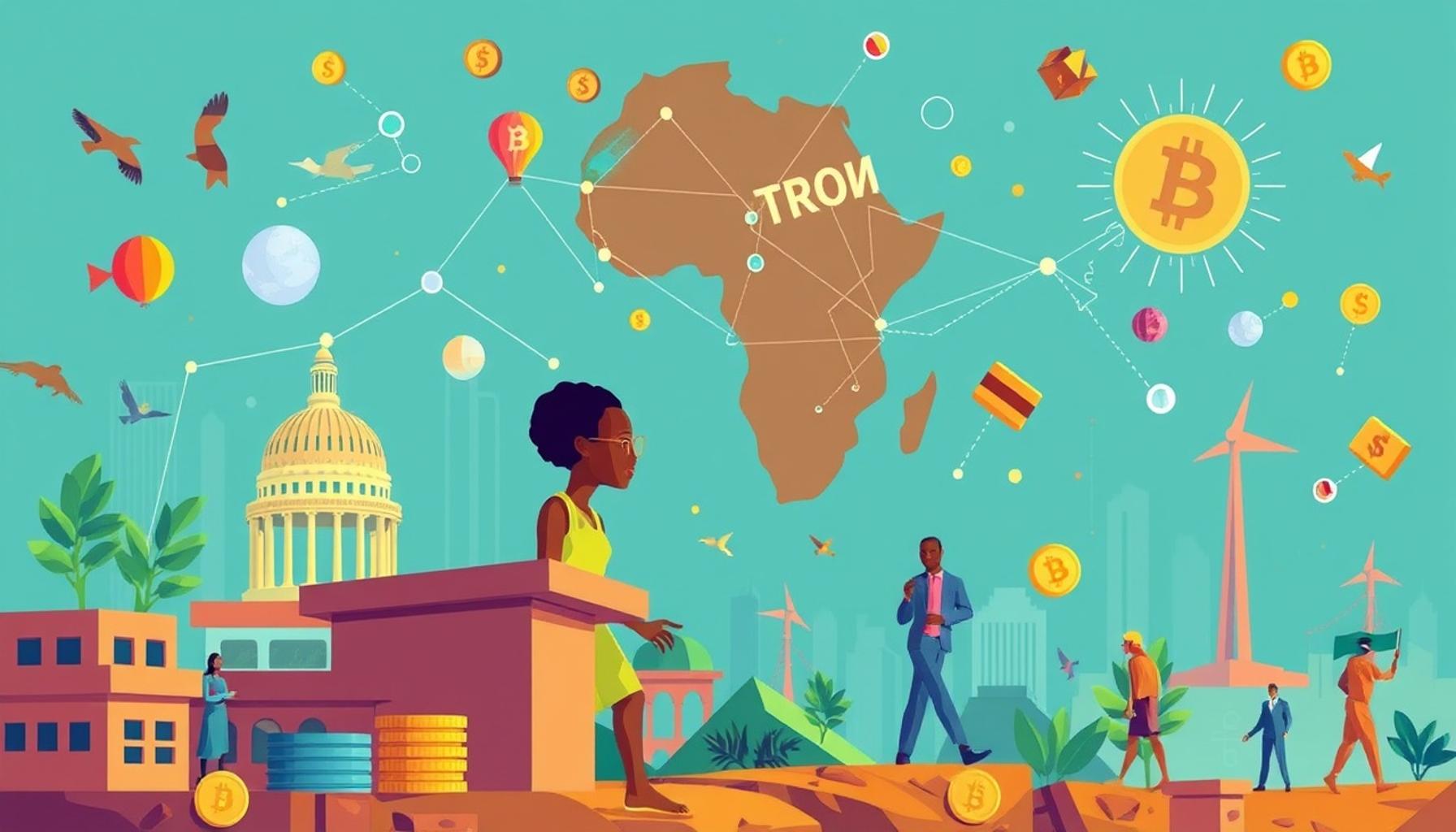
5G and the Future of Connectivity: How South Africa Can Benefit from the New Era of the Internet

The Transition to 5G Technology
The advent of 5G technology marks a pivotal moment in the evolution of communication systems. This technology is not just a minor upgrade but a significant leap that promises to redefine how we interact, work, and live. As South Africa embraces 5G, the potential benefits for various sectors are vast, yet they come with challenges that need to be addressed.
Understanding the Core Features of 5G
5G technology brings several key features that set it apart from its predecessors. Firstly, its higher speeds can reach up to 100 times faster than 4G. This means downloading movies or large files can happen in mere seconds rather than minutes. This capability can greatly enhance user experience in entertainment, allowing for high-definition streaming without buffering.
Secondly, the lower latency of 5G—often less than one millisecond—means almost immediate response times during online activities. This is crucial for applications such as online gaming or virtual reality, where delays can impact performance and enjoyment. Additionally, the increased capacity allows for many more devices to connect concurrently. This feature is essential in densely populated areas where many people rely on the same network.
Transformative Impacts on Various Sectors
The implications of 5G technology in South Africa can be profound. For instance, boosting the economy through enhanced connectivity can invite more businesses and start-ups, leading to job creation and innovation. Imagine a Johannesburg-based entrepreneur developing cutting-edge applications that require high-speed data flow. With 5G, their operations could thrive, attracting investment.
In education, the potential for improving learning opportunities is particularly noteworthy. With robust 5G networks, schools in remote areas can implement effective remote learning solutions, enabling students to access educational resources and participate in virtual classes without disruption. This not only bridges the digital divide but also allows educators to leverage advanced teaching tools that demand high bandwidth.
Lastly, in the healthcare sector, enhancing medical services through telemedicine becomes feasible. Patients in rural communities can consult specialists in urban centers without the need for long travels. Moreover, the integration of connected medical devices can lead to better monitoring of patients’ health, effectively reducing emergency room visits and improving overall care.
Conclusion
As South Africa stands on the threshold of this technological revolution, it is crucial for individuals and businesses to understand and prepare for the many possibilities that 5G presents. By embracing this new frontier of connectivity, the nation can aim not only for increased productivity but also for a more connected and accessible society for all.
CHECK OUT: Click here to explore more
Understanding the Impact of 5G Technology in South Africa
As South Africa gears up for the nationwide introduction of 5G technology, it becomes essential to comprehend the breadth of transformation that this advanced connectivity will enable. The arrival of 5G is not merely a step up from previous generations; it represents a revolutionary leap in how we work, communicate, and access essential services across multiple sectors. Exploring the capabilities of 5G is vital for South Africans, as it promises to profoundly influence daily life, work environments, and the economy.
Key Advantages of 5G Implementation
The implementation of 5G technology promises an array of advantages that will enrich everyday experiences for individuals and businesses alike. Here are some of the standout benefits that 5G has to offer:
- Increased Speed: With the potential for download speeds soaring to 10 Gbps, 5G enables ultra-fast access to online content. Imagine streaming movies in stunning 4K quality without buffering, downloading large files in seconds, or enjoying real-time gaming experiences with no lags. This level of speed is game-changing for households that rely on digital entertainment and robust cloud applications.
- Low Latency: One of the most impressive features of 5G is its remarkably low latency, measured in milliseconds. This immediate responsiveness transforms sectors such as healthcare, where remote surgeries are performed using advanced technology, or autonomous driving, where vehicles communicate with one another in real time to avoid accidents. Here, every millisecond can save lives.
- Improved Network Capacity: 5G can support an astonishing one million devices per square kilometer. This is crucial in urban environments like Johannesburg or Pretoria during peak hours, where numerous individuals and devices require simultaneous connectivity. The enhanced capacity alleviates congestion, ensuring everyone stays connected without slowdowns.
Driving Innovation in Business and Industry
The arrival of 5G is set to catalyze innovation within South Africa’s diverse business landscape. Enhanced connectivity creates opportunities for novel solutions that can elevate efficiency and productivity across various sectors. Consider the following examples:
- Smart Agriculture: Farmers can harness IoT devices powered by 5G technology to monitor the health of crops and soil conditions in real-time. This data enables farmers to make timely decisions on irrigation, pest control, and fertilization, leading to increased yields while minimizing resource waste. For South African farmers facing climate variability, such precision agriculture can become essential.
- Manufacturing and Industry 4.0: The potential for 5G in manufacturing is immense. South African manufacturers can adopt smart factories with interconnected machinery that communicates and shares data seamlessly. This capability facilitates predictive maintenance, meaning machines can be serviced before they break down, thus minimizing downtime and increasing productivity.
- Small Business Growth: Entrepreneurs can utilize the advantages of 5G, like fast and reliable internet, to access powerful cloud applications no matter where they operate. This flexibility allows small businesses in places like rural areas to engage efficiently with customers and manage operations without geographical constraints.
These examples demonstrate that the possibilities brought forth by 5G are not just theoretical ideals; rather, they comprise practical applications that have the potential to transform South Africa’s economic landscape. By embracing and investing in 5G technology, South Africa positions itself as a pioneer in innovation and connectivity across the African continent, unlocking boundless opportunities for its citizens and businesses alike.
CHECK OUT: Click here to explore more
Bridging the Digital Divide with 5G
While the advantages of 5G technology are profound for urban centers, it also holds immense potential for bridging the digital divide that currently exists in South Africa. With approximately 30% of the population still lacking reliable internet access, especially in rural areas, the rollout of 5G presents an opportunity to connect the unconnected and empower communities with digital tools.
Empowering Education Through Connectivity
The educational sector stands to gain tremendously from 5G technology. By enabling fast and reliable internet access in remote areas, 5G can facilitate online learning platforms that cater to students who would otherwise have limited access to resources. Schools situated in rural communities can take advantage of virtual classrooms, interactive lessons, and access to educational materials that enhance learning outcomes. For instance, a student in a remote village can join an online math class conducted by a qualified teacher in a metropolitan area, leveling the educational playing field.
Health Care Improvements in Underserved Communities
Access to quality healthcare remains a challenge for many South Africans living far from urban centers. With 5G’s capabilities for telemedicine and real-time health monitoring, healthcare practitioners can remotely diagnose and treat patients, making healthcare accessible to those in rural areas. For example, patients could consult a specialist via video call from the comfort of their homes, removing the need for long journeys to medical facilities. Furthermore, 5G can facilitate remote patient monitoring devices that continuously send vital health data to medical professionals, allowing timely interventions and reducing hospital visits.
Fostering Smart Cities and Infrastructure
As South Africa continues to urbanize, the concept of smart cities becomes increasingly important. 5G technology will support advanced infrastructure that can enhance urban living. From smart traffic systems that can reduce congestion to energy-efficient buildings that optimize resource use, 5G will connect countless devices, enabling better management of urban resources. In cities like Cape Town and Durban, improved traffic management systems can utilize real-time data to adapt traffic signals, leading to smoother and safer travel for residents.
Strengthening Public Safety Through Real-time Communication
Public safety is another area where 5G can contribute positively. Communication networks powered by this technology will provide emergency services with reliable, instantaneous communication capabilities. A swift response to emergencies, facilitated by real-time data sharing and location tracking, can save lives in critical situations. For instance, first responders can receive live updates about developing situations, ensuring they are better equipped to handle emergencies effectively.
In embracing 5G technology, South Africa not only enhances connectivity but also paves the way for transformative advancements across education, healthcare, infrastructure, and public safety. These developments are pivotal for fostering inclusive growth and sustainability in our communities, ultimately leading to a more equitable society where opportunities for all are abundant.
SEE ALSO: Click here to read another article
Conclusion: Embracing the 5G Revolution
The advent of 5G technology marks a transformative era for connectivity in South Africa, offering the potential to revolutionize various sectors and bridge critical gaps in society. As we have explored, the ability of 5G to provide high-speed internet can be a game-changer for education, healthcare, infrastructure, and public safety. Not only does 5G enable students in remote areas to access quality online resources, but it also allows healthcare professionals to deliver essential services to underserved communities effectively. Furthermore, enhancing urban infrastructure through smart technology will lead to improved living conditions in our cities.
Moreover, the implementation of 5G is not just about promoting technological advancement; it is fundamentally about inclusivity and accessibility. By connecting the unconnected, we open doors to economic opportunities that were previously out of reach for many South Africans. As businesses thrive and new industries emerge, job creation and economic growth will follow. This interconnected future promises to pave the way for a more equitable society where everyone can participate in and benefit from the digital economy.
To realize the full potential of 5G, stakeholders across government, private sector, and civil society must collaborate to ensure that the rollout is conducted responsibly, addressing concerns around infrastructure, affordability, and education on digital literacy. By doing so, South Africa can truly harness the benefits of this new era of the internet, fostering a connected community ready to embrace the opportunities of the future.

Linda Carter
Linda Carter is a writer and expert known for producing clear, engaging, and easy-to-understand content. With extensive experience in guiding people as they pursue their goals, she shares valuable insights and practical advice. Her mission is to help readers make informed choices and achieve meaningful progress.