
The Revolution of Augmented Reality in Cinema: How Technology is Transforming the Viewer Experience
Introduction to Augmented Reality in Cinema
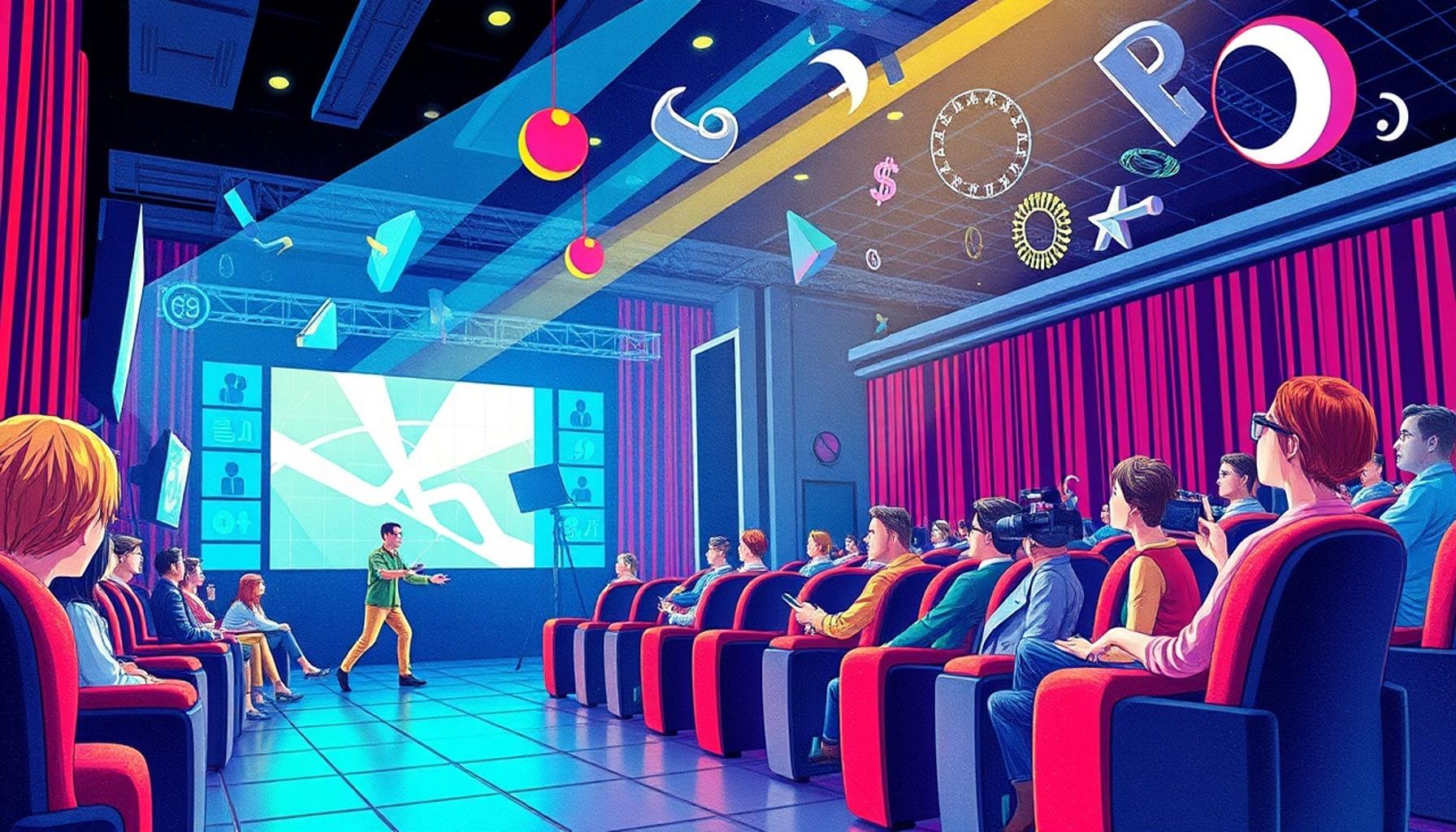
Augmented Reality (AR) is transforming the cinematic experience by merging digital elements with the physical world, providing audiences with innovative ways to engage with stories. This technology not only enhances visual storytelling but also encourages viewer interaction, making cinema a more participatory form of entertainment.
Key Features of Augmented Reality in Cinema
One of the most significant features of Augmented Reality in cinema is the capacity to create interactive experiences. For instance, audience members can utilize AR apps to interact with film characters or scenarios in real-time. Imagine watching a fantasy film and being able to use your smartphone to summon magical creatures or navigate through the film’s world alongside the characters. This level of engagement allows viewers to feel as if they are part of the narrative, which traditional cinema struggles to achieve.
Moreover, AR technology enhances visuals in a way that captivates viewers. Films like the 2019 remake of The Lion King employed AR techniques to render animals and environments with incredible realism. The attention to detail allowed viewers to experience the savannah as if they were stepping into another world, blurring the lines between animation and reality. Such advancements contribute to a richer storytelling experience, making scenes more vibrant and engaging.
Another feature is the creation of personalized content. By leveraging data from user preferences and behavior, filmmakers can tailor experiences for individual viewers. For example, a romantic comedy could offer customized story arcs or alternate endings based on a viewer’s previous choices in similar films. This not only maximizes viewer satisfaction but also encourages repeat viewings as audiences explore different narratives.
Notable Examples of AR in Cinema
There are noteworthy instances where Augmented Reality has made a splash in the cinematic world. Star Wars: An Interactive Experience allowed fans to engage with beloved characters through dedicated AR apps, creating a sense of belonging to the expansive Star Wars universe. Users could battle Sith lords or pilot the Millennium Falcon, allowing them to immerse themselves deeply in the lore.
While not strictly cinema, Pokemon Go serves as an excellent example of AR’s storytelling potential. The game encourages players to explore real-world locations to capture Pokémon, while also drawing on narratives from the franchise. This concept of blending physical exploration with storytelling presents exciting possibilities for future film-based experiences.
As we continue to explore the role of AR in cinema, it becomes evident that this technology not only alters the way we view films but profoundly changes our connection to narratives. By enabling audiences to become co-creators in the storytelling process, AR fosters an entirely new level of engagement, offering unprecedented enjoyment for viewers everywhere.
DISCOVER MORE: Click here to learn about the evolution of outdoor cinema</
Creating Immersive Story Worlds
Augmented Reality (AR) is reshaping how audiences immerse themselves in cinematic narratives. One of the most compelling ways AR does this is by enabling immersive story worlds that transport viewers beyond the screen. By merging actual surroundings with fictional elements, AR allows audiences to engage with their favorite films in ways traditional cinema could never facilitate.
With AR technology, the boundaries of storytelling are significantly expanded. Viewers can step into a film’s universe, experiencing the story in a deeply personal manner. For example, through specific AR applications, fans of superhero movies can have the opportunity to interact with their favorite characters right in their living rooms. Picture watching a film like Spider-Man and seeing him swing through your neighborhood or battle villains in your own backyard. This unique interaction fosters a sense of connection to the narrative that is both thrilling and memorable.
The Enhancements of Augmented Reality
AR not only brings characters and environments to life but also enhances the viewing process in several ways:
- Enhanced Visual Detail: With AR, layers of digital visuals can be added to scenes, providing additional details that might be overlooked in standard viewing. For example, a fantasy film could allow viewers to see ancient runes or magical elements that present themselves when viewed through an AR lens.
- Interactive Features: Interactive elements available through AR apps enable viewers to influence the plot. For instance, users could select paths for characters to follow, introducing an element of choice that makes the experience unique each time.
- Social Engagement: AR technology encourages social interaction, allowing groups of friends to collaborate in experiences. Cinemas or film festivals can host AR-driven events where audiences work together to solve puzzles or challenges related to the film, thereby increasing social bonds and enhancing enjoyment.
These enhancements redefine cinema as not just a passive experience but as a collective journey. When people engage with films through AR, they do not only watch—they actively participate, making their connection to the material far more profound. This participatory nature shifts the viewer’s role from mere observer to active participant, challenging traditional concepts of how movies are experienced.
As Augmented Reality continues to evolve, filmmakers are gaining the ability to craft more complex narratives that leverage these technological advancements. This revolution in storytelling engages audiences on multiple levels, ensuring that cinema remains a vital and dynamic part of modern culture.
DIVE DEEPER: Click here to discover more
Personalized Viewing Experiences
Another remarkable aspect of Augmented Reality (AR) in cinema lies in its ability to create personalized viewing experiences. Traditional films are designed for a broad audience, and while this can lead to beloved classics, it often means that the nuances of different viewer preferences and experiences are left unaddressed. AR technology, however, provides an avenue for personal touch, allowing individual viewers to tailor their cinematic journeys.
One of the key ways personalization is achieved is through choice and customization. Consider the rise of streaming platforms such as Netflix and Disney+, which allow users to curate what they watch. Now, with AR, this personalization can extend beyond simple content selection. For instance, imagine a horror movie where viewers can select specific jump scares or plot twists by interacting with an AR interface on their mobile devices. This not only enhances engagement but also provides each viewer with a unique experience that aligns with their comfort levels and preferences.
Gamification of the Film Experience
Another innovative aspect of AR in the cinema is the gamification of the viewing experience. Gamification involves applying elements typically found in games, such as point scoring, challenges, and rewards, to non-gaming contexts, and it has the potential to redefine how we engage with film.
- Interactive Quizzes and Challenges: Certain films have started to incorporate AR by including interactive quizzes or challenges that viewers can engage with during or after screenings. For example, after watching a film, audiences might participate in a trivia game that uses AR to present questions related to the storyline, characters, and cinematic techniques.
- Collectible Experiences: Imagine being able to collect virtual items or experiences associated with the film. For instance, while watching a film, viewers could collect virtual tokens or badges through an AR app that corresponds to certain milestones or achievements within the narrative. This kind of interactive depth creates motivation to rewatch the film and discover what new challenges or collectibles can be found.
This incorporation of gaming elements transforms the passive act of watching a film into a more engaging and dynamic experience, appealing particularly to younger audiences who are accustomed to engaging with entertainment in interactive ways.
The Future of Fan Interaction
Moreover, AR paves the way for new forms of fan interaction, creating a bridge between audiences and the creative process. Greater access to behind-the-scenes content, including interviews with actors or filmmakers, can be provided through AR. For example, while watching a documentary, viewers may point their AR device at the screen to see additional commentary or insights from the director in real time. These features deepen the connection between the audience and the film by providing them with broader context and understanding of the creative decisions involved.
The potential for AR to enhance fan events—such as film premieres or comic conventions—is also significant. Attendees could use AR apps to engage with immersive experiences, find hidden Easter eggs, or interact with life-sized holograms of their favorite characters. Such innovations not only elevate the excitement of film events but also cultivate a stronger sense of community among fans.
Overall, the personalization and gamification of cinema through AR technology represent a groundbreaking shift in how viewers engage with films. By giving rise to new modes of interaction, AR is redefining the viewer’s journey, ensuring that everyone can find their unique path through the narratives presented on screen.
DISCOVER MORE: Click here to learn about the latest innovations
Conclusion
In conclusion, the integration of Augmented Reality (AR) in cinema is revolutionizing the way audiences engage with films, fundamentally altering their viewing experiences. As we have explored, AR not only offers personalized journeys that cater to individual preferences but also introduces an element of gamification that transforms passive watching into active participation. This shift taps into a growing desire for interaction and engagement among viewers, particularly younger audiences who thrive in interactive environments.
Moreover, the potential for enhanced fan interaction presents exciting prospects for filmmakers and studios. By fostering a deeper connection between audiences and cinematic narratives, AR provides opportunities for richer storytelling and audience immersion. Features such as behind-the-scenes insights and interactive fan events can create a vibrant community around films, driving enthusiasm and loyalty.
As technology continues to evolve, it is clear that AR will play an increasingly vital role in the film industry. By embracing these innovations, filmmakers can craft more engaging narratives that resonate with viewers on a personal level while enhancing the overall cinematic experience. As we move forward, it will be fascinating to observe how AR reshapes storytelling, engagement, and the very fabric of cinema, making it an exhilarating time to be a film enthusiast.

Linda Carter
Linda Carter is a writer and film content specialist focused on movies, entertainment trends, cast insights, and viewing recommendations. With extensive experience helping readers discover new films and better understand the world of cinema, Linda shares her knowledge on our platform. Her goal is to empower readers with practical insights and engaging perspectives to explore movie releases, find worthwhile titles, and enjoy a richer entertainment experience.