
Urban Mobility Solutions: How American Cities Are Adopting Technologies to Reduce Traffic
Challenges of Urban Traffic Congestion
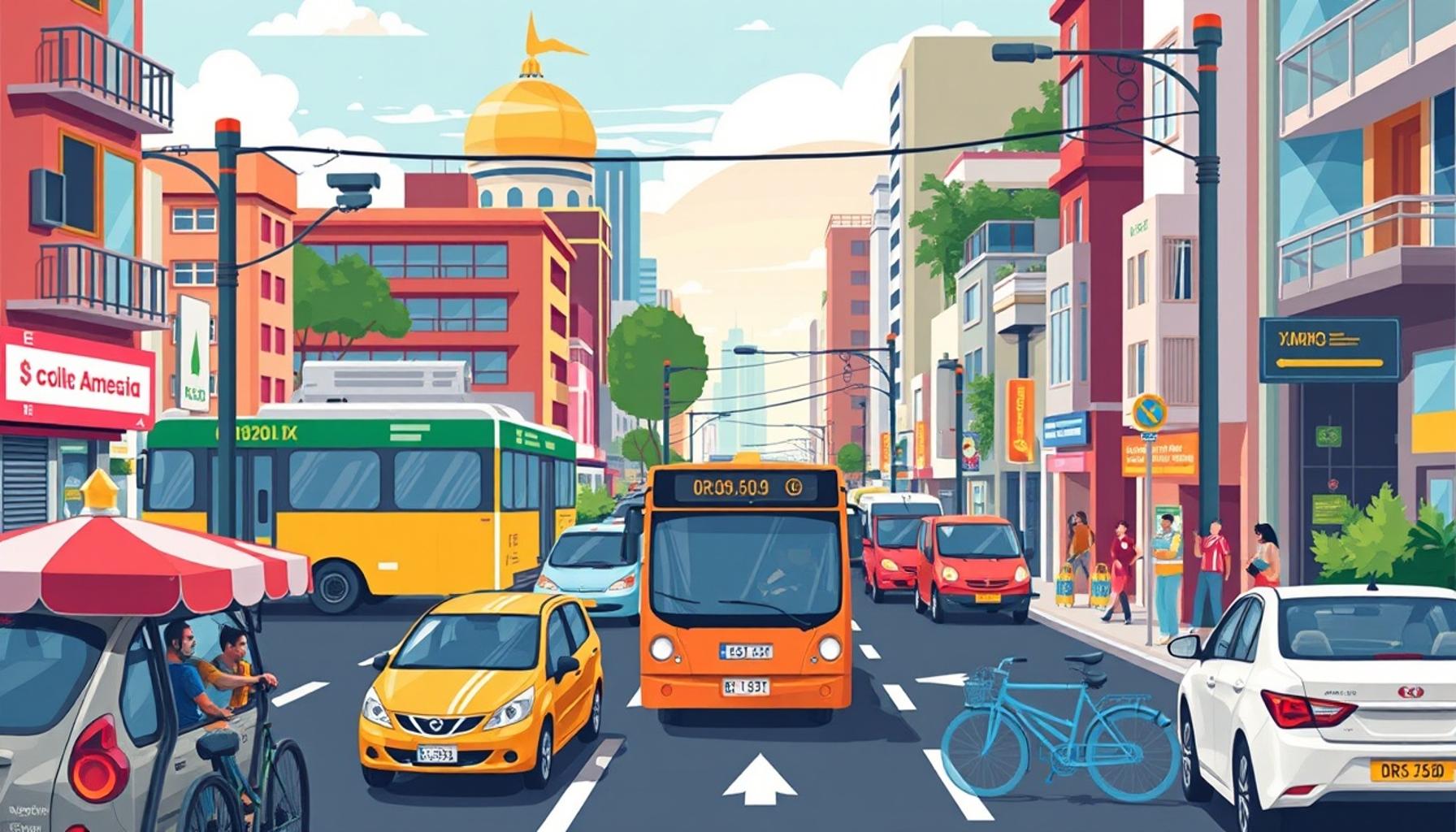
As urban areas continue to expand, many cities in America are grappling with the escalating issue of traffic congestion. The combination of increasing populations, a surge in vehicle ownership, and inadequate public transport systems has led to gridlocked roads and longer commute times. This has not only resulted in frustration among commuters but also has significant implications for air quality and urban livability.
To address these complex problems, cities are employing a variety of innovative urban mobility solutions that aim to enhance public transportation options and minimize dependence on personal vehicles. Each of these strategies focuses on creating a more efficient, sustainable, and accessible urban environment. Below are some pivotal strategies currently being adopted:
Smart Traffic Management
One of the most groundbreaking approaches involves the use of smart traffic management systems. By integrating Internet of Things (IoT) devices into traffic infrastructure, cities can monitor traffic patterns in real-time. For instance, in Los Angeles, traffic signals equipped with adaptive technology adjust their timing based on current traffic conditions. This not only speeds up the flow of vehicles but also reduces idle time, which can lead to lower emissions and improved air quality.
Electric and Autonomous Vehicles
Another noteworthy development is the promotion of electric and autonomous vehicles. With concerns about fossil fuels and greenhouse gas emissions, many cities are incentivizing the use of electric vehicles (EVs) through tax rebates and providing charging station infrastructure. Additionally, the exploration of self-driving technology, as seen in cities like San Francisco, aims to make transportation safer and more efficient by potentially reducing accidents caused by human error.
Shared Mobility Services
Shared mobility services, such as carpooling, bike-sharing, and ride-hailing, also play a significant role in reducing congestion. For instance, cities like Chicago have implemented bike-sharing programs that encourage residents to switch from cars to bicycles for short trips. Apps like Uber and Lyft facilitate ride-sharing, which significantly decreases the number of individual vehicles on the road during peak hours.
Active Transportation Infrastructure
To further promote sustainable transportation, cities are investing in active transportation infrastructure. This includes the development of pedestrian pathways and dedicated bike lanes, making it safer and more appealing for people to walk or cycle. Cities like Portland have seen a rise in cycling commuters, supported by an expanding network of bike lanes and bike-sharing facilities.
The implementation of these strategies aims not only to alleviate traffic congestion but also to enhance air quality and overall urban living standards. As these technologies become more prevalent, cities are nurturing a future that prioritizes sustainability and accessibility, ultimately paving the way for healthier and more vibrant communities.
DISCOVER MORE: Click here to learn about diversity in films
Innovative Strategies for Improving Urban Mobility
As American cities seek to combat traffic congestion and enhance the quality of urban life, they are increasingly turning to innovative strategies that leverage cutting-edge technology. These initiatives not only address immediate traffic problems but also prepare cities for future mobility needs. Here are some critical approaches that cities across the United States are implementing:
Smart Traffic Management
One of the most significant advancements in urban mobility is the rise of smart traffic management systems. By utilizing Internet of Things (IoT) technology, cities can install sensors and cameras that track real-time traffic information. For example, in New York City, a smart traffic signal system has been deployed to optimize traffic light timings based on current congestion levels. This approach reduces waiting times for drivers and pedestrians alike and ensures a smoother traffic flow throughout the day.
Electric and Autonomous Vehicles
The push for a more sustainable transportation system has led to the increased adoption of electric and autonomous vehicles. Cities like Seattle are working to accelerate the transition to electric vehicles (EVs) by offering incentives such as tax credits and providing access to charging stations. Additionally, pilot programs for autonomous vehicles are emerging in cities like Austin, where self-driving shuttles are tested in confined areas to assess their efficiency and safety. These innovations not only aim to reduce reliance on fossil fuels but also promise to minimize traffic accidents in the long run.
Shared Mobility Services
Shared mobility services have rapidly gained traction and are proving valuable in reducing the number of vehicles on the roads. Programs that facilitate carpooling, bike-sharing, and ride-hailing are making it easier for residents to choose alternatives to personal vehicle use. Here are some examples:
- Carpooling initiatives: Many cities promote carpooling through online platforms that connect drivers and passengers, effectively decreasing the total number of cars during peak hours.
- Bike-sharing programs: Cities like Denver have introduced bike-sharing services, allowing users to rent bicycles for short trips, which alleviates pressure on public transport and reduces congestion.
- Ride-hailing services: Apps such as Uber and Lyft provide convenient options for those who prefer not to drive themselves, helping to lessen the vehicle count on busy streets.
Active Transportation Infrastructure
The push for active transportation infrastructure is another key element in cultivating a more walkable and bike-friendly urban environment. Cities like Portland are leading the way by establishing extensive networks of bike lanes and pedestrian paths. These developments encourage people to ditch their cars for short trips, promoting healthier lifestyles and reducing vehicle emissions. Enhanced safety measures, such as protected bike lanes, have been instrumental in making cycling an attractive option for commuters.
These forward-thinking approaches are set to redefine urban mobility in American cities. By embracing technological advancements and prioritizing sustainable options, cities are not only working to ease traffic congestion today but are also laying the groundwork for a more eco-friendly and efficient urban transport landscape in the future.
DIVE DEEPER: Click here to discover the evolution of character design
Integrating Sustainable Public Transportation
As cities strive to reduce traffic congestion, enhancing public transportation systems has emerged as a pivotal strategy. Integrating new technologies into public transit not only makes it more efficient but also encourages residents to opt for these options over private vehicles. Key innovations include:
Real-Time Tracking and Mobile Applications
Many cities are now using real-time tracking technology, allowing passengers to know exactly when their bus or train will arrive. For instance, cities like Washington D.C. and San Francisco have developed mobile apps that offer live updates on transit schedules, routes, and delays. By providing accurate information, these apps increase user confidence and convenience, making public transport a more attractive choice compared to driving.
Transit-Oriented Development
Transit-oriented development (TOD) is another strategy being embraced by urban planners. This approach integrates residential and commercial development around public transit hubs to encourage people to live and work near these services. Cities like Boston are implementing TOD by constructing affordable housing and amenities within walking distances of train stations. By reducing the need for long commutes, TOD minimizes roadway traffic and promotes a thriving, pedestrian-friendly environment.
Multi-Modal Transportation Hubs
To enhance connectivity, cities are focusing on developing multi-modal transportation hubs. These hubs serve as collaborative spaces where various forms of transportation, such as buses, trams, trains, and bike-sharing, converge. Portland exemplifies this approach with the Portland Transit Mall, a bustling area where different transit services interlink seamlessly. This setup not only simplifies travel but also allows residents to combine modes of transport effortlessly, paving the way for a more integrated system.
Encouraging Green Initiatives
Many cities are adopting green initiatives to bolster public transportation sustainability. The city of San Diego has committed to converting its entire bus fleet to zero-emission vehicles by 2040, significantly reducing greenhouse gas emissions. Meanwhile, cities like Chicago have begun offering incentives for transit professionals and local businesses that promote eco-friendly transportation options. Such initiatives not only contribute to air quality improvements but also foster a higher sense of community well-being.
Mobility as a Service (MaaS)
A recent trend gaining traction is Mobility as a Service (MaaS), which combines various forms of transport into a single accessible platform. Through apps, users can plan, book, and pay for multiple transportation options—from buses and trains to ride-sharing services—all in one convenient interface. Cities like Los Angeles are piloting MaaS initiatives, demonstrating how digital integration can simplify travel planning and enhance user experience. This holistic approach focuses on giving individuals more choices in how they travel, ultimately reducing the dependence on personal vehicles.
As American cities increasingly incorporate these innovative and sustainable public transportation strategies, they are not only addressing their current traffic challenges but also fostering a culture of shared responsibility and environmental stewardship. By prioritizing interconnected transport systems and user-friendly solutions, cities are well on their way to diminished congestion and improved urban mobility for all residents.
DISCOVER MORE: Click here to learn about the future of quantum technology
Conclusion
The pursuit of efficient urban mobility solutions is transforming the way American cities approach traffic management and public transportation. By integrating innovative technologies and sustainable practices, cities are taking proactive steps to address the pressing issue of congestion while enhancing the overall quality of life for their residents.
As highlighted, the implementation of real-time tracking systems and mobile applications makes public transit more accessible, encouraging more people to choose these options over personal vehicles. Furthermore, strategies like transit-oriented development create vibrant communities centered around public transport, allowing individuals to live, work, and play in closer proximity, thus reducing the need for lengthy commutes.
Moreover, the emergence of multi-modal transportation hubs facilitates easy transitions between different transit modes, streamlining travel for users. The commitment to green initiatives, such as the adoption of zero-emission vehicles, reflects a growing awareness of the environmental impacts of transportation and a dedication to creating sustainable urban landscapes.
Perhaps most importantly, with concepts such as Mobility as a Service (MaaS), cities are embracing a future where transportation is integrated, user-friendly, and adaptable to the needs of residents. This kind of accessibility empowers users to make informed choices, further contributing to decreased reliance on single-occupancy vehicles.
As we move forward, it is crucial for cities to continue investing in technologies and innovations that not only enhance urban mobility but also promote sustainability. By adopting these strategies, American cities are setting a course toward a more efficient, cleaner, and inclusive transportation future, ultimately creating environments that prioritize the well-being of all its citizens.

Linda Carter
Linda Carter is a writer and expert known for producing clear, engaging, and easy-to-understand content. With solid experience guiding people in achieving their goals, she shares valuable insights and practical guidance. Her mission is to support readers in making informed choices and achieving significant progress.