
The Streaming Revolution: How Artificial Intelligence is Transforming Film Production and Distribution
Introduction to the Changing Landscape of Film
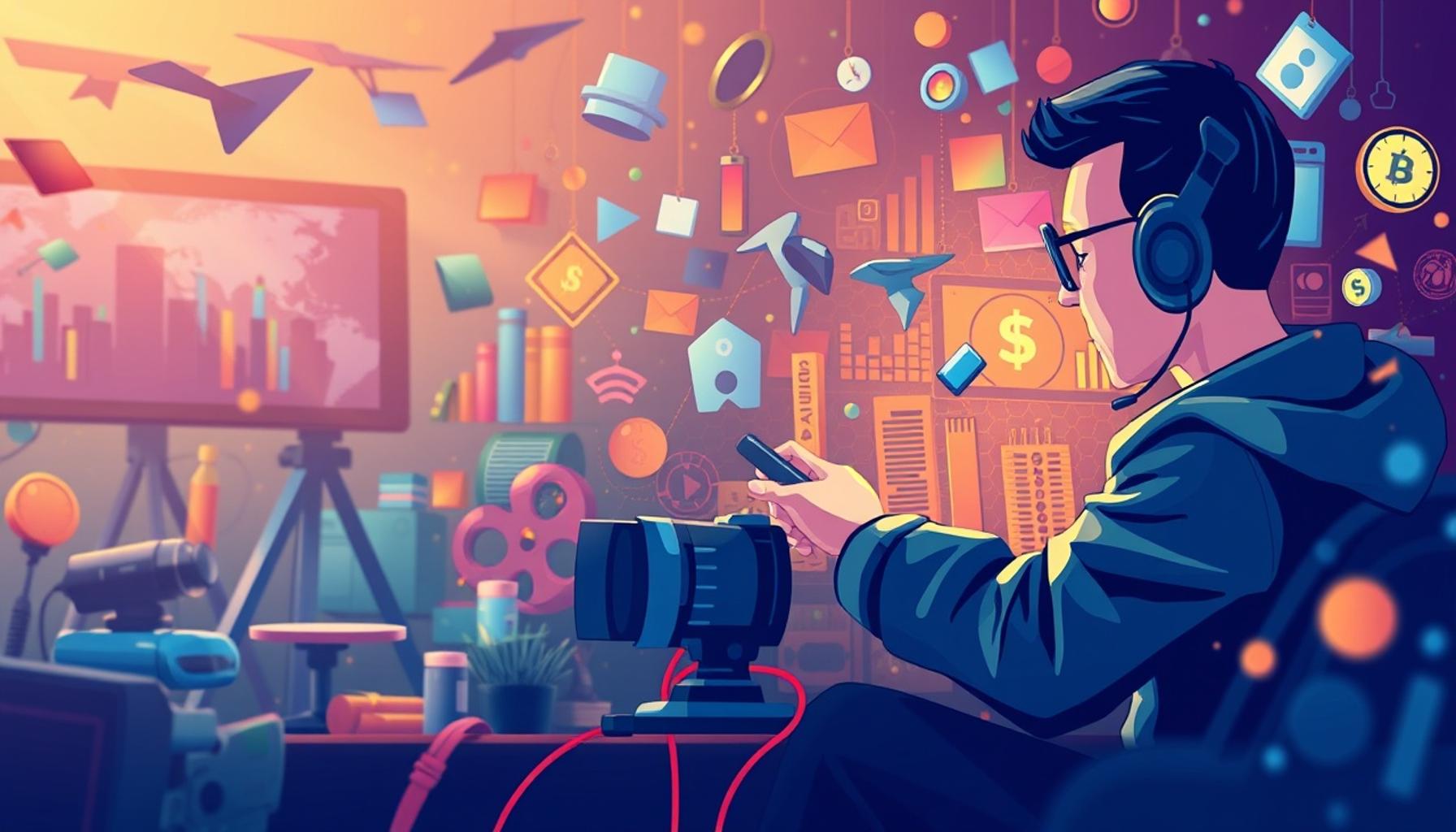
The film industry is experiencing a significant transformation that redefines the creative and business aspects of filmmaking. This transformation is largely driven by the rise of streaming services, which have changed how we consume media, and the integration of artificial intelligence (AI) technologies, which are streamlining and enhancing production processes. As these technologies evolve, they present exciting opportunities for both filmmakers and audiences, marking a new era in storytelling.
AI’s impact on the film industry can be observed in various critical areas:
- Script Analysis: Today, AI-driven tools can analyze numerous scripts to assess their potential success by examining existing data on audience preferences, genre trends, and even thematic elements that resonate with viewers. For example, if a film’s script includes a strong female lead or an environmental theme, AI can indicate how similar films have fared at the box office, guiding filmmakers in refining their narratives for greater impact.
- Casting Decisions: The process of casting actors for a film is evolving, thanks to AI technologies that evaluate past performances, audience reactions, and box office results. These tools help producers make informed decisions about casting choices that are likely to attract viewers. For instance, companies like Cinelytic use AI to analyze data on actors, giving insights into which combinations might create box-office successes.
- Editing Processes: AI-powered editing software can significantly accelerate post-production by automating routine tasks. For example, tools like Magisto can analyze footage and create rough cuts based on narrative flow, reducing the time editors typically spend on initial cuts, which allows for more room in the schedule for creative decisions.
Moreover, the distribution channels for films have greatly transformed as well. Streaming platforms are leveraging AI to enhance user experiences and marketing:
- Personalize Recommendations: Platforms like Netflix and Hulu utilize sophisticated algorithms to analyze individual viewing patterns, offering tailored recommendations that keep users engaged. For example, if a user watches lots of sci-fi thrillers, AI will suggest similar content, enhancing viewer satisfaction and retention.
- Optimize Marketing: AI helps filmmakers effectively target their advertising campaigns by analyzing demographic data and consumer behavior. This precision ensures that marketing efforts reach the intended audience—think of targeted ads for a rom-com being shown predominantly to younger demographics known to enjoy that genre.
- Predict Trends: By assessing consumer data from social media, previous box office performances, and audience feedback, AI can predict future trends, helping studios identify promising themes or genres. For instance, if analytics indicate a growing interest in superhero films among family audiences, studios might prioritize projects that cater to that demographic.
As AI continues to develop, it is clear that these advanced technologies are not mere enhancements; rather, they are becoming integral to the film industry’s operations and strategies. Understanding these changes is essential for anyone interested in the future of filmmaking and audience engagement. The ongoing integration of AI signifies a new chapter where creativity and technology converge, reshaping the cinematic landscape for the better.
DISCOVER MORE: Click here to dive deeper
Revolutionizing Film Production with AI
The filmmaking process is becoming increasingly efficient and innovative, thanks to the integration of artificial intelligence (AI). By integrating AI tools into production workflows, filmmakers are able to optimize every stage of filmmaking, from pre-production to post-production. This not only facilitates better creative outcomes but also helps in managing budgets more effectively.
Enhancing Pre-Production
Before cameras start rolling, filmmakers must undertake extensive preparation, and here is where AI can play a vital role. One significant advantage of AI in pre-production is its ability to analyze data to identify potential risks and benefits associated with different projects. By scrutinizing elements like script quality, cast selections, and market trends, production teams can make informed decisions that enhance the likelihood of a film’s success.
For instance, software such as ScriptBook employs machine learning algorithms to evaluate screenplays, providing insights into the emotional and thematic qualities that the script might convey. This allows writers to refine their work based on empirical data rather than relying solely on intuition. As a result, producers can prioritize films that reflect current audience desires, increasing the chances of commercial viability.
Streamlining Production Processes
During the production phase, AI technologies have transformed how filmmakers capture and manage footage. AI-driven camera systems are beginning to automate various functions, such as focusing and angle adjustments, enabling directors to concentrate on performance and artistic vision. For example, the technology behind intelligent cameras enables real-time data analysis that helps cinematographers make immediate adjustments based on environmental conditions, maintaining optimal shooting quality.
AI tools are also adept at analyzing raw footage, offering insights on the best takes and which scenes may require reshooting. Production teams can thus access valuable feedback quickly, leading to streamlined workflows that conserve time and resources. Another promising area of AI’s application during filming is the use of drone technology. Drones equipped with AI can autonomously fly and capture scenes according to predefined parameters, alleviating the need for complex setups while providing breathtaking aerial shots without sacrificing safety or budget.
Transforming Post-Production
As mentioned earlier, AI is revolutionizing post-production processes as well. Beyond automating simple editing tasks, AI-powered platforms are redefining how films are edited and finished. For instance, tools like Adobe Premiere Pro incorporate smart features that analyze the pacing and rhythm of sequences, allowing for more fluid transitions and cohesiveness in storytelling. This not only speeds up the editing process but also allows editors to focus on creativity rather than technical execution.
Furthermore, AI-driven color-grading software can instantly analyze color palettes from similar films, offering suggestions that enhance the visual aesthetic to match audience expectations. Such a proactive approach can elevate the final product, ensuring it stands out in an increasingly crowded marketplace.
The integration of AI technologies into film production is allowing creative teams to work smarter, reducing costs and deadlines while maximizing high-quality outputs. As we delve deeper into the role of AI in film distribution, it becomes clear that these advancements complement each other in crafting a more engaging viewing experience for audiences.
DIVE DEEPER: Click here to discover more
Redefining Film Distribution through AI
As the industry shifts towards streaming platforms, AI is not only transforming film production but also reshaping the distribution landscape. The rise of streaming services like Netflix, Hulu, and Disney+ has changed how films are marketed, distributed, and consumed, and AI plays an essential role in this evolution.
Personalized Recommendations and Audience Insights
One of the most significant contributions of AI in film distribution is its ability to tailor viewing experiences to individual users. Streaming platforms utilize sophisticated algorithms to analyze user behavior, preferences, and viewing history, allowing them to provide personalized recommendations. This ensures that viewers discover new films that align with their interests, effectively increasing engagement and retention rates.
For example, if a user frequently watches romantic comedies, the platform’s AI system will highlight similar films, even those that the subscriber might not have actively searched for. This personalization creates a seamless viewing experience, making consumers feel that their preferences are recognized and valued. Moreover, this data-driven approach enhances audience insights, empowering studios to make informed marketing and content decisions.
Optimizing Marketing Strategies
AI’s capacity to analyze vast datasets enables producers and distributors to develop highly targeted marketing campaigns. By predicting audience trends and demographics, AI tools can identify the most effective methods for promoting a film. Streaming platforms can segment their user base and create tailored advertisements that resonate with specific audiences.
For instance, platforms can utilize AI to examine social media sentiment, identifying what potential viewers are discussing around a certain genre or upcoming release. This real-time analysis allows marketing teams to adjust their strategies dynamically, promoting films using content that aligns with current trends or audience interests. Additionally, A/B testing methods can be leveraged to test different advertising copy or design elements, fine-tuning campaigns for maximum effectiveness.
Automating Distribution Logistics
AI also streamlines the logistical aspects of film distribution. With algorithms analyzing data on regional preferences, platforms can determine the best times to release films in various markets to create optimal viewing conditions. Such data analytics can help predict trends in different regions, ensuring that films are launched with the most significant chance for success.
Furthermore, AI can assist with inventory management for physical copies of films, tracking sales data to enhance supply chain efficiency. This leads to less waste and ensures that resources are allocated appropriately, maximizing profitability for studios and distributors alike.
AI in Audience Engagement and Feedback
As films are released, analyzing audience reactions and feedback is crucial for understanding performance and improving future projects. AI tools can collect and synthesize data from various sources, including social media, user reviews, and box office performance, providing studios with real-time assessments of how films are received.
Such feedback loops are invaluable for filmmakers as they can adapt and alter subsequent marketing strategies or content based on audience preferences. Moreover, platforms can utilize this feedback to develop sequel or spin-off ideas based on successful elements from initial releases, enhancing overall consumer satisfaction and maximizing revenue potential.
Through these advanced practices, AI is fundamentally changing how films are distributed and consumed in the age of streaming. By harnessing the power of data analytics, machine learning, and automation, the film industry is poised for a future that not only meets the viewers’ needs but also elevates creative possibilities across the board.
DISCOVER MORE: Click here to learn about blockchain’s impact on film distribution
Conclusion
The advancement of artificial intelligence (AI) has marked a pivotal shift in the film industry, particularly within the realms of production and distribution. As we’ve explored, AI is revolutionizing how films are created, allowing filmmakers to utilize data-driven storytelling, optimize resource allocation, and enhance creative decision-making. In a world where consumer preferences are rapidly evolving, AI’s role in personalized recommendations ensures that audiences are engaged and satisfied with their viewing choices. This level of customization not only keeps viewers returning for more but also deepens their connection to the content.
Furthermore, the transformative power of AI extends to marketing and distribution logistics. By leveraging real-time data analytics, studios can launch focused marketing strategies that speak directly to the interests and behaviors of diverse audience segments. This leads to more effective promotional campaigns and maximizes the potential success of films across various platforms. The automation of distribution logistics only adds to this efficiency, ensuring timely releases and enhanced inventory management.
As we look towards the future, it is clear that AI will continue to reshape the landscape of the film industry. The ability to analyze audience feedback and adapt swiftly will not only refine existing narratives but also pave the way for innovative storytelling. In an era where the connection between creators and viewers is more crucial than ever, embracing AI might just hold the key to unlocking unparalleled creative experiences and enriching our cultural tapestry. Ultimately, the streaming revolution, powered by artificial intelligence, promises a new era where both filmmakers and audiences thrive together in this exciting digital age.