
The Evolution of Smart Cities: How Technology is Transforming Urban Life
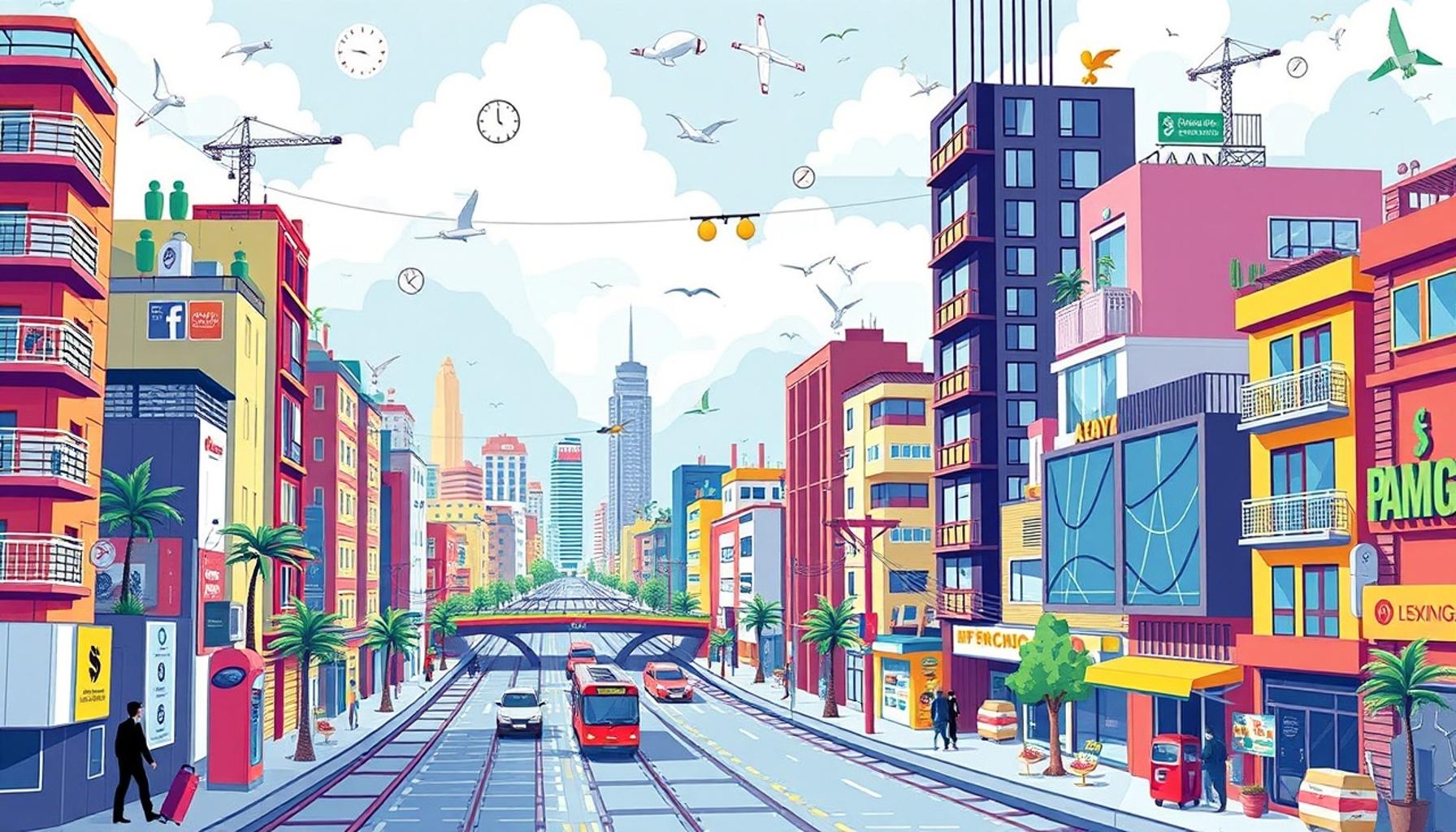
Transforming Urban Living
Urban environments are witnessing an unprecedented transformation, driven largely by technological advancements. The integration of technology in city planning and management is not just a trend but a necessity in addressing the complexities of modern living. Today, cities are evolving into what we call smart cities, where innovation and data amalgamate to enhance the daily experiences of residents and create more efficient urban spaces.
Improved Transportation
One of the most noticeable changes in smart cities is in the realm of transportation. Cities are implementing real-time traffic monitoring systems that provide up-to-date information about congestion and delays. For example, applications like Google Maps and Waze leverage data from users to suggest faster routes, helping individuals save time during their commutes. Additionally, smart public transit systems, such as those found in cities like Chicago and Seattle, utilize apps that allow riders to track buses and trains in real time, making public transit a more convenient option.
Energy Efficiency
Another critical element of smart cities is energy efficiency. Smart grids are transforming how energy is distributed and consumed. For instance, cities are adopting renewable energy sources, like solar and wind, to power urban infrastructures. This is exemplified by San Diego’s ambitious energy initiatives that aim for 100% renewable energy by 2035. Moreover, smart lighting systems equipped with sensors can adjust brightness based on the time of day or the presence of pedestrians, significantly reducing energy consumption.
Public Safety
In terms of ensuring public safety, integrated surveillance systems and emergency response technologies are becoming commonplace. Cities like New York have invested in advanced surveillance technologies that utilize facial recognition software and AI to monitor public spaces, subsequently reducing crime rates. Furthermore, emergency response technologies facilitate quicker reactions to incidents, ensuring that help is dispatched promptly and efficiently.
Citizen Engagement
Equally important is the role of citizen engagement. Many cities are developing platforms and applications to encourage residents to actively participate in community planning and feedback processes. For instance, Baltimore has launched various platforms that allow citizens to report issues, such as potholes or streetlight outages, directly to city officials. This not only fosters a sense of community but also ensures that government actions are aligned with the needs and concerns of residents.
This technological shift not only addresses urban challenges like congestion and pollution but also promotes sustainable growth and improved living conditions. As cities continue to evolve, they are increasingly equipped to handle future challenges, creating environments that are efficient, resilient, and enjoyable for all residents. Examples like San Francisco’s approach to innovation and New York’s focus on public safety highlight the varied ways urban areas can leverage technology to create a better future.
In summary, as the realm of smart cities expands, urban areas are poised to provide vastly improved experiences for their citizens, seamlessly combining technology and living spaces for the collective benefit of communities across the United States.
DIVE DEEPER: Click here to discover more insights
Connected Infrastructure
The foundation of a smart city lies in its connected infrastructure. Cities across the United States are adopting Internet of Things (IoT) technologies, which enable devices and systems to communicate and share data. This interconnectedness is paving the way for a more synchronized urban experience. For instance, streetlights equipped with IoT sensors can monitor air quality, traffic flow, and even detect the presence of pedestrians, adjusting their brightness accordingly. This results in not only energy savings but also increased safety for residents.
Smart Buildings
Another significant area of innovation in smart cities is the development of smart buildings. These structures utilize advanced technology to create more sustainable and efficient environments. Features often include:
- Automated systems: Smart HVAC systems that regulate heating and cooling based on occupancy and weather conditions.
- Energy management: Real-time energy consumption tracking to optimize usage and reduce costs.
- Smart appliances: Devices that can be controlled remotely, allowing residents to manage their energy usage effectively.
Take the Edge building in Amsterdam, for example, which incorporates cutting-edge technology to reduce energy consumption by approximately 70% compared to traditional office spaces. This shift toward intelligent building design is not just about efficiency; it also enhances the quality of life for residents and workers alike.
Waste Management
Additionally, smart cities are making strides in waste management. Innovative solutions such as smart waste bins equipped with sensors can monitor fill levels and automatically notify collection services when they need to be emptied. This approach not only optimizes waste collection routes but also reduces operational costs and minimizes the environmental impact. In cities like San Francisco, where 80% of waste is diverted from landfills, smart waste management plays a crucial role in advancing sustainability goals.
Healthcare Innovations
As urban populations grow, the need for improved healthcare services becomes increasingly important. Smart cities are leveraging technology to create healthier communities. Telehealth services have expanded, allowing residents to access medical care remotely, which is especially beneficial in underserved areas. Wearable devices that monitor health metrics and connect to health services also empower individuals to take charge of their well-being. This proactive approach not only enhances individual health outcomes but can also ease the strain on local healthcare systems.
Through the integration of these technological advancements, smart cities are creating a seamless urban experience. Whether it’s through connected infrastructure, innovative building designs, efficient waste management, or improved healthcare solutions, the evolution of urban living is profoundly influenced by technology. As cities implement these strategies, they are better equipped to face future challenges and improve the quality of life for all residents, ultimately leading to a more sustainable and resilient urban landscape.
DON’T MISS: Click here to dive deeper
Smart Transportation Systems
Transportation is another critical component of smart cities. The modern urban landscape is increasingly being shaped by smart transportation systems. These technologies aim to improve mobility and reduce congestion while enhancing the overall experience for commuters. A prime example is the integration of smart traffic management systems that utilize data from traffic cameras, sensors, and mobile applications to optimize traffic flow. By adjusting traffic signals based on real-time conditions, cities like Los Angeles are able to reduce travel times and minimize emissions from idling vehicles.
Public Transit Innovations
In addition to vehicular traffic management, public transportation is undergoing significant transformations. Cities are investing in smart public transit systems that provide passengers with real-time information on bus and train arrivals, crowding levels, and service alerts. Apps such as Transit and Citymapper offer seamless navigation and scheduling options, making it easier for residents to choose public transit over private vehicles. For instance, New York City’s Metropolitan Transportation Authority (MTA) has implemented real-time tracking for subway trains, significantly improving the commuter experience.
Electric and Autonomous Vehicles
As smart cities evolve, electric and autonomous vehicles are also becoming central to urban life. With increased focus on reducing carbon footprints, many cities are expanding electric vehicle (EV) charging infrastructure. The deployment of charging stations in public areas encourages residents to transition from fossil fuel-powered vehicles to electric alternatives. Cities like San Diego are leading efforts in this direction, aiming to have a comprehensive EV charging network to support a growing number of electric vehicles.
Moreover, the rise of autonomous vehicles (AVs) presents new possibilities for urban transportation. AVs can potentially reduce accidents caused by human error and improve traffic efficiency. Companies like Waymo and Tesla are at the forefront of developing these technologies, and cities are beginning to adapt their infrastructure to accommodate AVs, including designated lanes and pick-up/drop-off sites.
Community Engagement through Technology
Another vital aspect of smart cities is community engagement. Technology is empowering residents to participate more actively in governance and Public decision-making processes. Platforms such as SeeClickFix allow citizens to report issues like potholes, broken streetlights, or graffiti directly to city officials, streamlining the process of addressing public concerns. This level of engagement fosters a sense of community ownership and responsibility, encouraging residents to be proactive in improving their neighborhoods.
Smart cities are also utilizing technology for urban planning and development initiatives. Data analytics and modeling software help city planners understand population trends and infrastructure needs, allowing for more informed decision-making that reflects the priorities of the community. For instance, cities that employ Geographic Information Systems (GIS) can better visualize spatial data and assess the impact of zoning laws or new developments on local ecosystems.
Through advancements in smart transportation systems and proactive community engagement initiatives, cities are not just becoming smarter but also more inclusive and efficient. By prioritizing the integration of cutting-edge technology into everyday life, smart cities aim to create sustainable and livable environments that cater to the needs of all residents.
DISCOVER MORE: Click here to dive deeper into the impact of data analysis on film production</a
Conclusion
The transformation of urban life through the evolution of smart cities represents a paradigm shift driven by advancements in technology. From smart transportation systems that streamline traffic flow to enhanced public transit capabilities, cities are prioritizing efficiency and sustainability while accommodating the needs of their residents. The integration of electric and autonomous vehicles not only promises to lower carbon emissions but also improves safety and reduces traffic congestion. In this landscape, community engagement emerges as a pivotal element, enabling residents to take an active role in shaping their environment and governance through user-friendly platforms.
The successful implementation of smart city technologies ultimately seeks to foster innovation and inclusivity. By utilizing data analytics for informed urban planning, city officials can ensure that development initiatives reflect the priorities and concerns of the community. This evolution aims to create not only functional cities but also livable and vibrant urban environments where residents can thrive.
Looking ahead, the journey of smart cities is far from over. As technology continues to advance, urban areas will need to evolve accordingly, embracing new opportunities while addressing challenges such as data privacy and digital equity. By focusing on a coordinated and comprehensive approach, cities can cultivate smart environments that truly enhance the quality of life for all citizens, shaping urban landscapes that are prepared for the future.

Linda Carter
Linda Carter is a writer and expert known for producing clear, engaging, and easy-to-understand content. With solid experience guiding people in achieving their goals, she shares valuable insights and practical guidance. Her mission is to support readers in making informed choices and achieving significant progress.