
Green Technology: Sustainable Innovations Transforming the Energy Sector
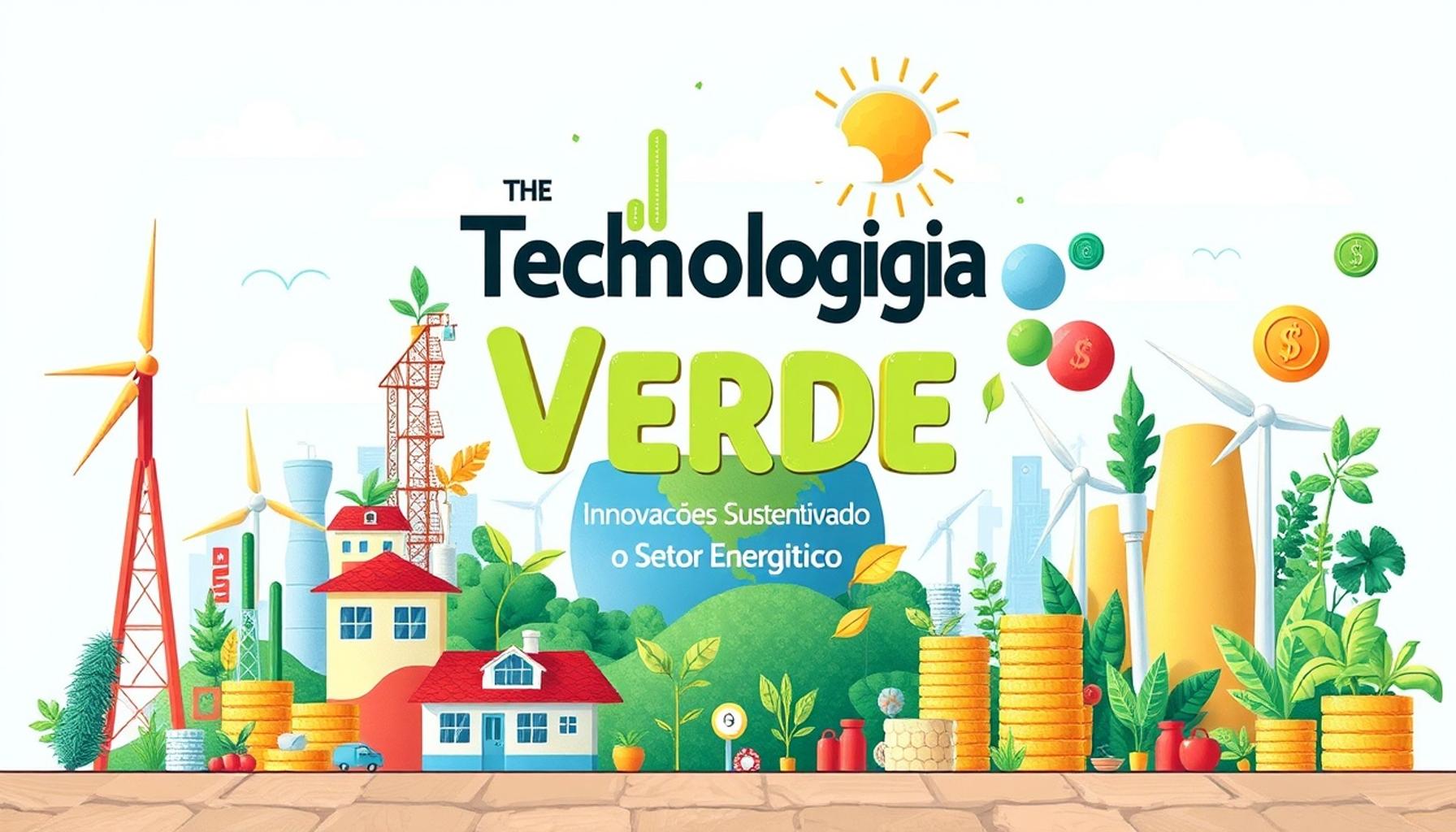
The Role of Green Technology in Today’s World
In recent years, green technology has emerged as a crucial component in our fight against climate change. This innovative sector emphasizes sustainability and aims to reshape the energy landscape fundamentally. The primary goal of these technologies is not only to mitigate environmental impact but also to enhance efficiency in how we generate and consume energy. Understanding these advancements can empower communities and individuals to make choices that contribute to a more sustainable future.
Key Innovations in Green Technology
Several key innovations are driving this transformation, each offering unique benefits and opportunities for improved energy practices:
- Solar Power: One of the most recognized forms of green technology involves harnessing the sun’s energy through photovoltaic panels. These panels convert sunlight directly into electricity, making it a clean and renewable source of energy. Homeowners in the U.S. can take advantage of federal and state tax incentives to offset installation costs, making solar power more accessible.
- Wind Energy: Another significant player in the green technology sphere is wind energy, which utilizes large turbines to produce clean electricity. Wind farms are increasingly found across the United States—most notably in Texas and Iowa—providing a substantial portion of the electricity grid. This renewable source reduces the need for fossil fuels and helps lower electricity costs over time.
- Geothermal Energy: Geothermal technology taps into the Earth’s internal heat, providing sustainable heating and electricity. Geothermal plants are capable of generating a consistent power supply, unlike many renewable sources that depend on weather conditions. Locations such as California and Nevada already leverage this technology effectively.
- Energy Storage: One of the challenges with renewable energy sources has been their intermittency. However, advanced battery technologies, such as lithium-ion batteries, are revolutionizing energy storage and allowing for better utilization of renewable resources. These innovations enable homes and businesses to store excess energy for use during non-productive periods, improving overall efficiency.
Benefits of Adopting Green Technologies
The adoption of green technologies yields several significant benefits for society:
- Reduction in greenhouse gas emissions: By shifting to renewable energy sources, we can significantly lower the volume of harmful emissions released into the atmosphere, thereby combating climate change.
- Decreased reliance on fossil fuels: Transitioning towards green technology helps reduce dependency on non-renewable resources, diminishing volatility in energy prices and promoting energy independence.
- Creation of new job opportunities in the green sector: As the green technology sector expands, it generates jobs ranging from research and development to installation and maintenance. For instance, the Solar Foundation’s National Solar Jobs Census reported that solar jobs in the U.S. have quadrupled over the last decade, highlighting the sector’s potential for job creation.
Conclusion
As we navigate the challenges posed by climate change, understanding green technology becomes imperative. This knowledge empowers us to make informed choices about energy use, fostering a shift toward a more sustainable and energy-efficient future. Embracing these technologies not only benefits the environment but also enhances economic resilience and energy security for communities across the nation.
DISCOVER MORE: Click here to delve into the future of transportation
Understanding Green Technology’s Innovations
The energy sector is undergoing a remarkable transformation, driven by green technologies that promise to reshape how we produce and consume power. From solar panels installed on rooftops to expansive wind farms generating clean electricity, these innovations are at the forefront of the global push toward sustainability. In the face of an escalating climate crisis, these technologies provide practical solutions while fostering an energy ecosystem that prioritizes environmental health and economic viability.
Solar Energy Advancements
One of the most prominent green technologies is solar energy. The efficiency of solar photovoltaic (PV) panels has significantly improved over the years, allowing them to convert a higher percentage of sunlight into electricity. In addition to residential installation, community solar projects are rising, enabling individuals to invest in shared solar access without needing personal installations. States like California and New York have made substantial advancements in using solar energy, making it possible for households to reduce their electricity bills significantly and even sell excess power back to the grid.
Harnessing Wind Power
Wind energy is another vital player in the energy sector transformation. Wind turbines, often located in open fields or offshore, can generate large amounts of electricity without greenhouse gas emissions. As technology advances, turbine designs are improving, allowing for greater efficiency with less noise and a smaller footprint. States such as Texas have taken significant steps to harness wind power, positioning themselves as leaders in renewable energy production. The integration of wind energy into the national grid not only contributes to lower carbon emissions but also enhances the stability and resilience of local economies.
Geothermal Solutions
Another promising avenue is geothermal energy, which taps into the Earth’s natural heat for energy and heating solutions. This technology offers a reliable energy source that is less dependent on weather conditions, unlike solar and wind power. Areas with volcanic activity, such as California and Nevada, are leading the way with geothermal power plants that can provide continual energy. As awareness of geothermal solutions grows, the potential for widespread adoption could significantly contribute to reducing our overall carbon footprint.
Energy Storage Technologies
A critical element of effectively utilizing renewable resources is energy storage. Innovative storage solutions, like advanced lithium-ion batteries, have become essential for managing the intermittent nature of renewable energy sources. By storing excess energy generated during peak hours, these technologies allow households and businesses to access power during high-demand periods or when renewable production is low. Regions that invest in robust energy storage systems can improve grid reliability, lower energy costs, and promote the use of clean energy sources more effectively.
The innovations in green technology are paving the way for a sustainable energy future. By transforming how we harness natural resources, we can work toward an energy system that prioritizes ecological health while supporting economic growth. In the following sections, we will explore the multitude of benefits these technologies offer, not only to the environment but also to communities and economies across the United States.
DISCOVER MORE: Click here to dive deeper
Benefits of Green Technology in the Energy Sector
The rise of green technology is not just about innovation; it also brings numerous benefits to society, the economy, and the environment. Understanding these advantages can further highlight the importance of investing in sustainable energy solutions. This section delves into how green technology contributes positively across various aspects of our lives.
Environmental Impact
One of the most significant advantages of green technology is its positive environmental impact. By shifting to renewable energy sources such as solar, wind, and geothermal, we can substantially reduce greenhouse gas emissions, which are a major contributor to climate change. For instance, the U.S. Environmental Protection Agency (EPA) reports that transitioning from fossil fuels to renewable sources can lead to a decrease in air pollutants, resulting in cleaner air and improved public health.
Economic Growth and Job Creation
Green technologies not only benefit the environment but also stimulate economic growth. As the demand for renewable energy continues to rise, so does the need for skilled workers to design, install, and maintain these systems. According to the Solar Foundation’s National Solar Jobs Census, the solar industry alone has created over 250,000 jobs in the United States since 2010. These jobs cover various skill levels, from entry-level positions to specialized engineering roles, thus providing opportunities across different demographics.
Energy Independence
The adoption of green technologies can enhance a nation’s energy independence. By investing in domestic renewable energy sources, countries can reduce reliance on imported fossil fuels, leading to increased energy security. For instance, states such as Texas have embraced wind and solar technologies, making significant strides toward self-sufficiency in energy production. This independence not only strengthens the economy but also lessens geopolitical vulnerabilities associated with fuel imports.
Cost-Effectiveness
As technology continues to advance, the cost of renewable energy systems has declined dramatically. For example, the cost of solar energy has dropped by over 80% since 2010, making it an increasingly viable option for homeowners and businesses. This trend is reflected in lower electricity bills for consumers and reduced overall energy expenses. Moreover, the long-term savings associated with renewable energies often outweigh initial installation costs, proving advantageous in the long run.
Community Resilience
Implementing green technologies can lead to stronger community resilience, particularly in areas prone to natural disasters. Distributed energy resources like rooftop solar panels and battery storage can provide localized energy solutions during emergencies when traditional power sources may fail. Communities that adopt these technologies are better prepared to withstand disruptions, ensuring that essential services remain operational and residents have access to electricity even during crises.
Enhanced Quality of Life
Furthermore, the shift to green energy contributes to an enhanced quality of life for individuals and communities. The availability of cleaner air and reduced pollution translates into better health outcomes. Moreover, investments in green space and community solar projects foster environmental stewardship, encouraging residents to engage more with their communities and promote sustainable practices.
As seen from the multifaceted advantages of green technology, its adoption paves the way for a brighter, more sustainable future. The positive implications for the environment, economy, and society underscore the urgency of ongoing investments in these essential innovations within the energy sector.
DIVE DEEPER: Click here to learn more
Conclusion
In summary, the transformative power of green technology is undeniable as it reshapes the energy sector for a sustainable future. By embracing renewable energy sources such as wind, solar, and geothermal, we not only mitigate the impacts of climate change but also contribute to a healthier planet. The positive economic implications are equally compelling, as this shift generates countless job opportunities and fuels innovation across various industries. Moreover, enhancing energy independence reduces vulnerabilities associated with fossil fuel imports, empowering communities and nations to harness their own resources sustainably.
Cost-effectiveness continues to advance in green technology, making renewable energy a financially prudent choice for households and businesses alike. With decreasing installation costs and long-term savings on energy bills, the transition to green technology becomes more accessible to a broader audience. Additionally, the integration of these solutions fosters community resilience by ensuring reliable access to energy, even in challenging circumstances.
Ultimately, investing in green technology is not just an environmental necessity but a holistic approach to enhancing our quality of life. As we prioritize healthier living and sustainable practices, we pave the way for future generations to thrive in a cleaner, more resilient world. The call to action is clear: by supporting and implementing green innovations today, we are laying the foundation for a sustainable tomorrow, where both people and the planet can flourish together.

Linda Carter
Linda Carter is a writer and expert known for producing clear, engaging, and easy-to-understand content. With solid experience guiding people in achieving their goals, she shares valuable insights and practical guidance. Her mission is to support readers in making informed choices and achieving significant progress.