
The Rise of Artificial Intelligence in the South African Industry
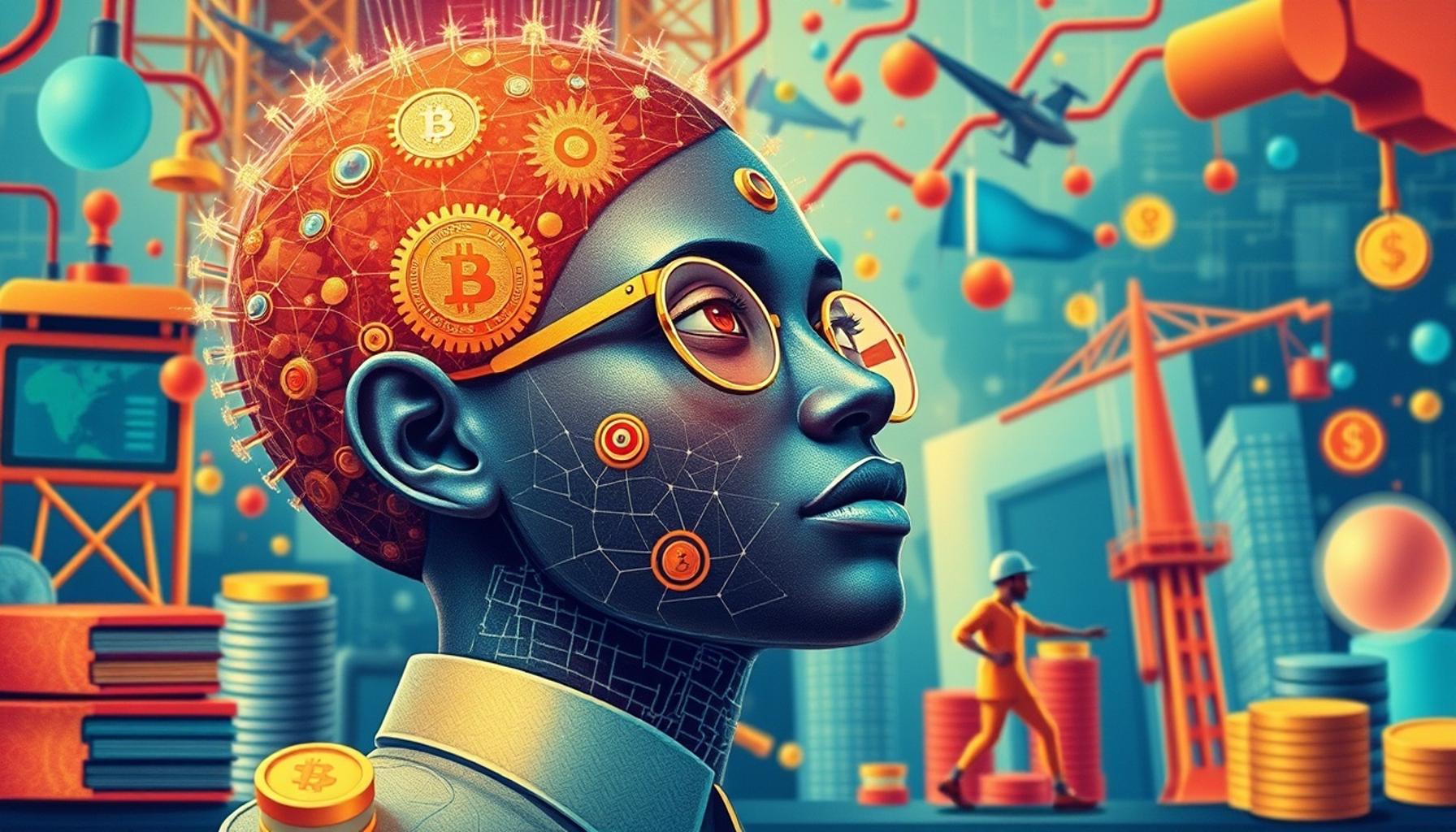
Understanding the Impact of AI in South Africa
Artificial Intelligence (AI) is more than just a buzzword; it represents a profound shift in how industries function, with significant implications for South Africa’s economy. This technology is not just about automation; it encompasses an array of tools and methods designed to analyze data, predict outcomes, and ultimately improve decision-making processes. As South African companies embrace AI, they are not only enhancing productivity but also paving the way for innovative business solutions tailored to local needs.
Several sectors are notably benefiting from AI technologies:
- Manufacturing: In the manufacturing sector, automation has led to more streamlined production lines. For instance, AI-powered robots can now handle repetitive tasks with precision, reducing the margin of error and increasing output. Additionally, predictive maintenance—using AI to predict equipment failures before they happen—can save companies considerable time and money by minimizing downtime.
- Finance: The finance sector has seen significant advancements in risk assessment. AI algorithms can analyze vast amounts of data to identify patterns that indicate potential fraud. For example, banks in South Africa are using machine learning techniques to flag unusual transactions, allowing for quicker responses to fraudulent activities.
- Healthcare: In healthcare, AI tools are revolutionizing diagnostics. Technologies such as image recognition software help radiologists detect anomalies in medical images more accurately and faster than before. South African hospitals are beginning to integrate these technologies, which can lead to improved patient care and better treatment outcomes.
- Agriculture: The agriculture sector is also experiencing remarkable transformations through smart farming technologies. Farmers can now use AI to analyze soil health and weather data to optimize crop yields. For instance, precision agriculture applications allow for targeted use of water and fertilizers, which can be crucial in a country with varying climate conditions.
As we explore these advancements, it is important to recognize the factors driving AI integration in South Africa:
- Access to data: The digital revolution has made it easier for businesses to collect and analyze vast amounts of data. This access is pivotal, as AI thrives on data for training and decision-making.
- Investment in technology: Companies across South Africa are increasingly keen to invest in AI solutions. This trend is evident in startups focused on innovative tech solutions as well as established corporations revamping their operations to stay competitive.
- Need for efficiency: With rising operational costs and global competition, there is a pressing need for businesses to streamline processes. AI offers a way to not only reduce overheads but also enhance service delivery.
As we delve deeper into this topic, we will examine how AI is becoming a game-changer for South African industries, explore the challenges that come with these technological advancements, and consider the future potential AI holds for the country’s economic landscape. With the right strategies and support, South Africa stands to benefit significantly from these innovations, shaping a more efficient and progressive future.
SEE ALSO: Click here to read another article
Embracing AI: Transformations Across Key Sectors
As South African industries increasingly leverage artificial intelligence, the transformations are profound and multifaceted. Companies are recognizing that adopting AI is not merely a technical upgrade but an essential strategy for long-term sustainability and competitiveness. In various sectors, AI is driving innovation, optimizing processes, and ultimately reshaping the landscape of business operations.
Manufacturing: Efficiency through Automation
The manufacturing sector serves as a prime example of how AI can enhance operational efficiency. Automated systems and robotics are playing a pivotal role in streamlining production lines. For instance, local manufacturing plants are deploying AI-powered robots that can handle tasks such as assembly, welding, and packaging with remarkable accuracy. This reduces human error and allows companies to scale production without compromising quality.
Moreover, predictive maintenance is revolutionizing how equipment is managed. By utilizing AI to analyze historical data and equipment performance, manufacturers can predict when machines are likely to fail. This predictive capability not only helps prevent unexpected downtime but also extends the lifespan of machinery, leading to significant cost savings.
Finance: Enhanced Risk Management
The finance sector is also experiencing a major shift due to AI technologies. Financial institutions in South Africa are increasingly relying on machine learning algorithms to combat fraud and manage risks. These algorithms can sift through large datasets, identifying patterns and anomalies that may indicate fraudulent activity.
For instance, a bank may employ AI systems that monitor account transactions in real-time, flagging unusual activities for further investigation. This allows banks to respond quickly to potential threats, ensuring customer safety and confidence in their financial services.
Healthcare: Revolutionizing Patient Care
AI’s incorporation into healthcare is perhaps one of the most impactful developments. With healthcare facilities in South Africa beginning to integrate AI tools, professionals are discovering that these technologies can significantly enhance diagnostics. Image recognition software exemplifies this, as it aids radiologists in identifying irregularities in X-rays and MRI scans more quickly and accurately than traditional methods.
This capability not only speeds up the diagnostic process but also improves patient care outcomes. Early and accurate diagnosis can lead to timely intervention, which may save lives and alleviate the burden on healthcare systems.
Agriculture: Smart Innovations for Sustainable Farming
The agricultural industry is undergoing a transformation through the adoption of smart farming technologies. In South Africa, where diverse climates pose challenges to food production, AI is enabling farmers to make data-driven decisions. Tools that analyze soil health and weather patterns allow agriculturalists to optimize water usage and fertilizers, ensuring crops receive precise care tailored to their needs.
For example, farmers are using AI-driven applications that provide insights into the best times to plant and harvest based on predictive analytics. This not only increases yields but also contributes to sustainable farming practices, which are crucial considering the environmental challenges facing South Africa.
As we move forward in understanding the comprehensive effects of AI in South Africa’s industries, it’s important to recognize that these technological advancements come with both opportunities and challenges. Continued investment in infrastructure, training, and ethical considerations will be vital to navigating this evolving landscape.
CHECK OUT: Click here to explore more
The Future of AI in South Africa’s Workforce
While the benefits of artificial intelligence in various industries are clear, it is essential to also consider its impact on the South African workforce. The implementation of AI technology does not come without implications for employment. As organizations streamline operations and increase automation, concerns about job displacement arise. However, it is also important to recognize that AI technology has the potential to create new opportunities within the job market.
Job Transformation: Evolving Roles and Skills
As AI systems take over repetitive and mundane tasks, the focus shifts toward roles that require uniquely human skills such as creativity, critical thinking, and emotional intelligence. This transformation demands a workforce equipped with new skill sets to thrive in an AI-driven economy. For instance, opportunities will emerge for data analysts, who can interpret AI-generated insights to inform business decisions, or AI specialists, who design and maintain artificial intelligence systems.
To prepare for these changes, educational institutions are beginning to offer programs that focus on technology and digital literacy. Initiatives such as coding boot camps and online courses are becoming increasingly popular to equip students and working professionals with the skills needed for the future. By prioritizing education in areas related to AI, South Africa can build a workforce adept in technology while ensuring that existing employees are not left behind.
Small and Medium Enterprises (SMEs): Leveraging AI for Growth
In addition to larger corporations, small and medium enterprises (SMEs) are starting to harness the power of AI to enhance their operations. These businesses, which play a vital role in the South African economy, often face resource constraints. However, AI tools can enable SMEs to compete more effectively against larger competitors by improving efficiency and reducing operational costs.
For instance, retail businesses are utilizing AI-driven analytics to understand customer preferences and tailor marketing strategies accordingly. By implementing chatbots for customer service, SMEs can offer 24/7 support, improving customer experience without significantly increasing operational costs. Such innovations allow SMEs to scale quickly and become more agile in responding to market demands.
Ethical AI: Navigating Challenges and Concerns
As the integration of AI becomes more prevalent in industries, ethical considerations regarding its usage cannot be overlooked. Issues such as data privacy, algorithmic bias, and accountability are critical areas of concern. In South Africa, discussions are starting to take place on developing regulatory frameworks that ensure responsible AI deployment while fostering innovation.
For example, organizations are urged to conduct regular audits to ensure their AI systems are fair and transparent, preventing discrimination that could arise from biased training data. Establishing ethical guidelines not only promotes fairness but also builds trust among consumers, which is crucial for long-term success in an AI-driven world.
The necessity for collaboration across sectors, including government, academia, and industry, is essential to address these challenges. As stakeholders work together to establish frameworks that promote ethical AI practices while driving innovation, they can create a sustainable future for the South African economy amidst the rise of artificial intelligence.
SEE ALSO: Click here to read another article
Conclusion: Embracing the AI Future in South Africa
The rise of artificial intelligence in the South African industry presents both exciting opportunities and critical challenges that require careful navigation. As sectors embrace AI technology to enhance efficiency, businesses must focus on cultivating a workforce that is adaptable and equipped with the requisite skills for this technological advancement. The prospect of job transformation calls for a concerted effort from educational institutions and industry leaders to re-skill current employees while preparing future generations for emerging roles.
Moreover, the potential for small and medium enterprises (SMEs) to leverage AI for growth cannot be overstated. By utilizing AI tools, SMEs can gain a competitive edge, fostering innovation and enhancing customer engagement. This dynamic paves the way for a more robust economy that benefits all South Africans, as these enterprises form the backbone of the nation’s job market.
However, with the integration of AI comes the pressing need for ethical considerations and responsible deployment. Stakeholders must prioritize data privacy, algorithmic fairness, and accountability. Establishing a regulatory framework that champions ethical AI ensures not only consumer trust but also a sustainable technological landscape. Collaboration among government, academia, and industry is essential in addressing these challenges and driving innovation in a responsible manner.
In conclusion, as South Africa moves towards an AI-driven future, an inclusive approach that addresses workforce transformation, promotes SME growth, and ensures ethical practices will be crucial. Embracing these changes can pave the way for a prosperous economy, positioning South Africa as a leader in the global AI landscape.

Linda Carter
Linda Carter is a writer and expert known for producing clear, engaging, and easy-to-understand content. With extensive experience in guiding people as they pursue their goals, she shares valuable insights and practical advice. Her mission is to help readers make informed choices and achieve meaningful progress.