
The User Experience in the Era of Virtual Cinema: Unveiling Immersion in Digital Environments
Understanding Virtual Cinema
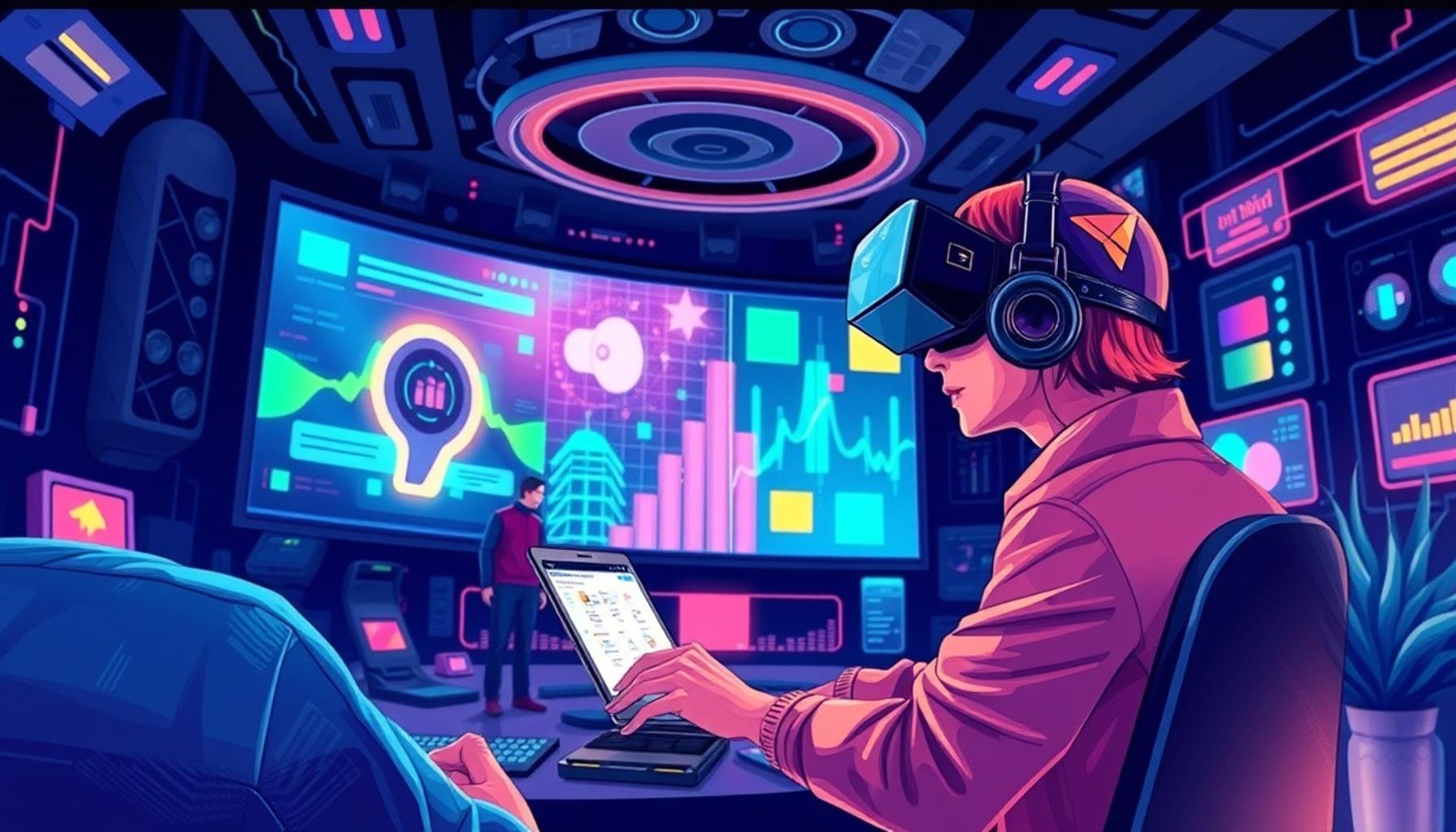
The entertainment industry is in a state of transformation, advancing with unprecedented speed due to innovations in technology. One of the most significant developments is the rise of virtual cinema, which pushes the boundaries of how stories are told and experienced. Unlike traditional films, which typically require just a viewing platform and a passive audience, virtual cinema engages viewers by inviting them into interactive and dynamic worlds.
At the core of this experience is the ability for viewers to:
- Interact with the narrative in real-time, which allows for a personalized storytelling experience.
- Explore diverse environments and settings that are often unattainable in the real world, opening up a canvas for creativity.
- Immerse themselves in augmented and virtual realities, which tethers the audience closely to the storytelling journey.
For example, in immersive experiences such as virtual reality (VR)</strong) films, users can take part in pivotal decisions that steer the plot in various directions, similar to a video game. This form of storytelling is exemplified by films like “Bandersnatch,” part of the Black Mirror anthology, where viewers make choices for the protagonist, directly influencing the outcome of the story. This not only enhances engagement but also fosters a deeper emotional connection to the narrative as viewers see their choices materialize on-screen.
Moreover, the physicality of virtual environments allows for exploration beyond the confines of traditional cinema. Imagine stepping into the lavish ballrooms of a historical drama or wandering through a post-apocalyptic landscape. Users equipped with VR headsets can have a 360-degree view, allowing them to look around, discover hidden story elements, or simply absorb intricate details. This level of interactivity and participant agency captivates audiences in ways conventional cinema simply cannot.
Key Elements of User Experience in Virtual Cinema
To fully appreciate the impact of virtual cinema, we must examine vital elements that enhance user experience:
- Accessibility of technology plays a critically important role. As devices become more affordable and intuitive, more individuals can engage in virtual cinema.
- Quality of visuals and sound is essential. The sophistication of graphics and sound design significantly affects immersion. High-quality visuals enrich the storytelling and visually translate the narrative’s mood, while sound elevates the emotional impact.
- Interactivity of the content further distinguishes virtual cinema. The capacity for users to influence events fosters a sense of investment, making them feel like co-creators of the story.
In conclusion, these elements combine to create a powerful medium for storytelling that resonates deeply with audiences. As technology continues to evolve, virtual cinema will undoubtedly shape the future of entertainment and storytelling, providing experiences that are rich, engaging, and profoundly personal.
DIVE DEEPER: Click here to discover the impact of social media on film promotion</p
The Importance of Immersive Interaction
As we delve deeper into the user experience in virtual cinema, it is essential to recognize the importance of immersive interaction. This level of involvement transforms passive spectators into active participants, paving the way for a new kind of storytelling. Unlike traditional film formats that lay out a defined narrative path, virtual cinema empowers users to shape their own experiences, thereby redefining how stories are consumed.
One notable aspect of immersiveness is the ability to make choices. These choices can range from selecting a character’s path in an interactive movie to determining how scenes unfold. For instance, in the acclaimed VR experience “The Walking Dead: Saints & Sinners,” players are immersed in a world where they must make tactical decisions that affect survival outcomes. Every choice is vital, thus enhancing the depth of engagement. This dynamic not only captivates viewers but also promotes replayability, as individuals may return to explore different scenarios and outcomes.
Moreover, environmental exploration fuels the interactive aspect of virtual cinema. Viewers are invited to traverse elaborate landscapes, lending themselves to a sensory-rich experience. Consider the opportunity to wander through a detailed recreation of a historical event or adventure through a fantastical realm. This exploratory freedom transforms the way stories are told—viewers are no longer restricted to a single narrative frame, but can discover countless narratives layered within a virtual world.
Engagement Through User-Centric Design
To cultivate this immersive experience, creators must focus on user-centric design principles. A seamless interface is vital; users should not feel hindered by clunky controls or overwhelming choices. Successful virtual cinema products prioritize intuitive navigation that allows for freedom without confusion. This careful design promotes a feeling of ease, allowing the viewer to become fully engrossed in the story.
Furthermore, community engagement is becoming increasingly important in the realm of virtual cinema. Platforms that allow users to share their experiences, strategies, or storyline outcomes foster a sense of belonging among audiences. Social interaction enhances individual experiences, as viewers exchange insights and decisions made during their journeys. This creates a collective narrative that enriches the virtual cinema landscape.
- Interactivity fosters user investment in a story.
- Exploration of environments expands narrative potential.
- User-centric design ensures a smoother engagement experience.
- Community interaction encourages shared experiences and discussions.
As the virtual cinema landscape continues to expand and evolve, these components become crucial in defining the user experience. The focus on immersive interaction not only draws audiences into a story but invites them to play an active role in its unfolding, making the experience uniquely personal and impactful.
DIVE DEEPER: Click here to discover more strategies
The Role of Technology in Enhancing Virtual Experiences
In recent years, advancements in technology have played a pivotal role in enhancing user experiences in virtual cinema. From high-definition visuals to spatial audio, these innovations contribute significantly to the depth of immersion available to audiences. The combination of these elements creates an environment where the boundary between reality and the virtual world blurs, allowing viewers to feel genuinely present in the experiences unfolding around them.
One standout feature of modern virtual cinema is the use of virtual reality (VR)</strong) headsets. Devices such as the Oculus Quest 2 or Valve Index bring to life stunning 3D environments that envelop the user in a captivating digital space. As a result, users can look around and interact within a vibrant world that invites exploration and interaction. For example, VR experiences like “Half-Life: Alyx” blend elaborate narratives with superb gameplay mechanics, transforming players into characters who face challenges firsthand rather than being mere observers. This kind of involvement ensures that the players not only witness but also feel the weight of their decisions and the consequences that follow.
Furthermore, the introduction of augmented reality (AR) adds another layer of complexity to virtual cinema. AR brings digital elements into the real world, creating interactive experiences that reshape the viewing landscape. An excellent example of this is seen in projects like “War of the Worlds: Next Wave,” where audience members interact with virtual characters that appear in their physical environment. This kind of merging between the virtual and the real challenges traditional storytelling conventions, giving users a unique opportunity to engage with the narrative in a more personalized manner.
Emotionally Resonant Narratives Through Innovative Storytelling
At the heart of memorable virtual cinema experiences is the capability to weave emotionally resonant narratives. Filmmakers are increasingly harnessing the power of immersive storytelling to evoke deeper emotional connections with their audiences. By using techniques such as non-linear narrative structures or environmental storytelling, creators can draw viewers into the myriad emotional layers that define a well-crafted tale.
Some virtual cinema experiences incorporate interactive plotlines that adjust according to viewer choices, enabling users to explore varied emotional arcs. For example, titles like “Detroit: Become Human” allow players to navigate complex ethical dilemmas that test their values and provoke reflection on real-world issues, such as discrimination and free will. By placing users in the midst of these challenging scenarios, developers craft a capacity for empathy that traditional cinema often struggles to achieve.
- Advancements in technology shape the immersion in virtual cinema.
- VR headsets create engaging and unforgettable experiences.
- AR integration allows interaction with digital elements in the real world.
- Emotionally resonant narratives encourage deeper viewer connections and reflections.
As we can observe, the interplay between technology and storytelling techniques is essential to the rise of virtual cinema. By embracing innovative tools and emphasizing emotional engagement, creators can craft experiences that are not only entertaining but also memorable and impactful for audiences.
DIVE DEEPER: Click here to discover more
Conclusion
As we venture further into the realm of virtual cinema, it becomes clear that the fusion of advanced technology and innovative storytelling is revolutionizing how audiences engage with narratives. With tools like virtual reality (VR) and augmented reality (AR), filmmakers are crafting immersive experiences that transform passive viewers into active participants, thereby enriching the emotional layers of their narratives. The ability to explore vibrant 3D environments, coupled with emotionally resonant storytelling that adapts in real-time, enables audiences to connect more profoundly with the material.
Moreover, the challenge of navigating ethical dilemmas and complex narratives invokes a sense of empathy that traditional cinema often cannot replicate. As audiences grapple with the choices presented to them, they develop a personal connection to the story, making the viewing experience not just about entertainment, but also about reflection and understanding.
Looking ahead, the future of virtual cinema promises even greater advancements in user experiences, opening doors to richer and more diverse narratives that cater to a global audience. As technology continues to evolve, so too will the potential for storytelling that resonates deeply with the human experience. In this ever-changing landscape, embracing the intersection of technology and artistic expression will be key to unlocking the full potential of virtual cinema, ultimately paving the way for immersive experiences that captivate and engage viewers like never before.

Linda Carter
Linda Carter is a writer and film content specialist focused on movies, entertainment trends, cast insights, and viewing recommendations. With extensive experience helping readers discover new films and better understand the world of cinema, Linda shares her knowledge on our platform. Her goal is to empower readers with practical insights and engaging perspectives to explore movie releases, find worthwhile titles, and enjoy a richer entertainment experience.