The Evolution of User Experience in Streaming Platforms: The Impact of New Technologies

Exploring the Evolution of Streaming Platforms
The landscape of content consumption has shifted remarkably with the rise of streaming platforms. Users now have more choices than ever, reshaping how they watch television, films, and listen to music. This radical transformation leverages advanced technology, ensuring that viewers enjoy a tailored and immersive experience that aligns with their specific preferences.
Several key technologies have propelled this change, each contributing unique enhancements to the user experience:
- Artificial Intelligence: At the forefront of personalized content delivery, AI algorithms analyze user behavior, viewing history, and even the time spent on particular genres. For example, if a viewer frequently watches documentaries, an AI-powered platform may recommend similar films or series, such as *Planet Earth* or *The Social Dilemma*, improving user satisfaction and keeping them engaged.
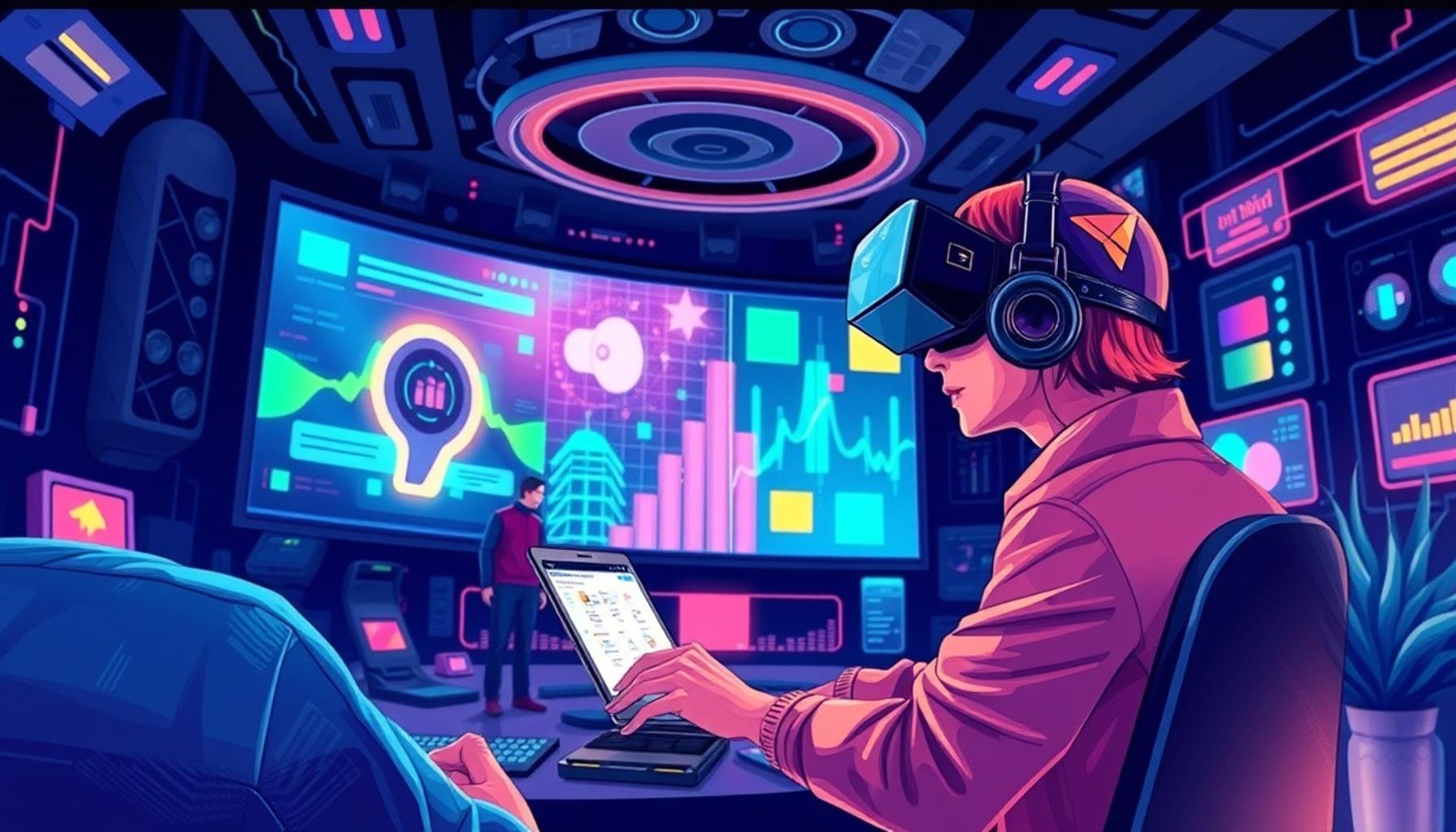
- Augmented Reality: While still in its nascent stages in the realm of streaming, augmented reality (AR) is making waves by offering intriguing ways to enhance storytelling. Imagine wearing AR glasses while watching an action movie; scenes can come to life in your living room, where characters and objects move around you, creating a truly immersive viewing experience.
- Cloud Computing: The backbone of modern streaming, cloud computing allows platforms to deliver content swiftly and without interruption. With advanced technology, users can experience high-quality streaming in real-time, even during peak hours. Services like Netflix and Hulu employ multiple servers around the world to ensure that low latency is a standard experience, minimizing buffering and lag.
- Smart TVs and Mobile Apps: The proliferation of smart televisions and mobile applications has simplified content access. Viewers can watch their favorite shows on big screens or on the go. With apps available on smartphones and tablets, such as Disney+ and Amazon Prime Video, users can seamlessly switch between devices, enjoying their desired content anytime, anywhere.
These technological advancements have vastly improved the accessibility and usability of streaming platforms. As competition intensifies, companies are racing to provide features that not only attract new customers but also retain existing viewers. For example, personalized playlists, interactive viewing options, and exclusive content are becoming increasingly common as platforms aim to engage their audience more intimately.
In the following sections, we will delve deeper into how these innovations have redefined user experiences on streaming services. By examining the underlying technologies and their impacts on our viewing habits, we can gain insights into the future of digital content consumption. With streaming shaping entertainment as we know it, understanding these trends will prepare us for what lies ahead in this dynamic environment.
DISCOVER MORE: Click here to learn about the latest in motion capture technology
Understanding the Role of Technology in Shaping User Experience
The interaction between technology and user experience within streaming platforms has transformed content consumption into a more intuitive and enjoyable activity. By embracing cutting-edge tools, these platforms have catered to the diverse needs of a growing audience. As viewers seek streamlined access to vast libraries of content, incorporating new technologies into the streaming experience becomes increasingly paramount. Let’s explore how the developments in technology have reshaped user experience across various dimensions.
Personalization and Content Discovery
One of the most significant advancements in streaming platforms is the ability to personalize content. The days of passive viewership are fading as platforms deploy machine learning algorithms that learn from user interactions. This technology helps create tailored experiences that cater to individual tastes. For instance, platforms like Spotify utilize deep learning techniques to curate playlists that match listeners’ moods or activities, making music discovery more enjoyable. Similarly, services like Hulu and Netflix suggest titles based on patterns in viewing habits. This level of personalization encourages user engagement by ensuring that every time a viewer logs in, the platform already understands their preferences.
Interactive Features and Community Engagement
Streaming platforms recognize that the user experience goes beyond just consumption; it includes engagement and interaction. With the rise of social features, platforms are now integrating options that allow viewers to share their favorites with friends or participate in live chats during premieres. Platforms such as Twitch exemplify this shift, offering real-time interaction through chats while watching streams, thereby enhancing the experience for users who thrive on community engagement. By employing advanced chatbots and live comment capabilities, these platforms transform the viewing experience into a shared event, making it more dynamic and enjoyable.
Enhanced Accessibility Features
A significant focus for many streaming services is making their platforms accessible to everyone. By implementing adaptive streaming technologies, platforms can automatically adjust video quality based on a viewer’s internet bandwidth, ensuring that all users receive a smooth experience regardless of their connection speed. Furthermore, features like closed captioning and audio descriptions enhance accessibility for viewers with disabilities, demonstrating a commitment to inclusive design.
User Interface Design and Navigation
The design aspects of streaming platforms also play a vital role in shaping user experience. Modern platforms invest in user-friendly interfaces that prioritize ease of navigation. Simplified layouts, intuitive search functions, and streamlined menus allow users to find content quickly and easily. As an example, the success of platforms like Disney+ can be attributed to their clean interface that categorizes content by familiar franchises and genres. This thoughtful design minimizes the time spent searching for content, allowing users to dive into their chosen media quickly.
Through these technological advancements, streaming platforms have redefined how users engage with digital content. As we continue to explore the evolution of user experience in streaming, it is essential to consider how these innovations not only enhance accessibility and engagement but also shape the future of entertainment consumption as a whole.
DIVE DEEPER: Click here to discover the future of entertainment
The Rise of Smart Algorithms and Voice-Activated Technology
As streaming platforms evolve, the integration of smart algorithms and voice-activated technology is revolutionizing user experience. One key development is the use of artificial intelligence (AI) to enhance user interactions. AI-driven recommendation systems analyze not just viewing history, but also contextual information, such as when a user tends to watch specific genres or even mood-based preferences. For example, if a user tends to binge-watch comedies on Friday nights, the platform might prompt that user with similar options just when the weekend is approaching. This precision helps create an atmosphere where users feel the platform is truly curated for them.
Additionally, voice-activated searches have become integral to many platforms. With the help of devices like Amazon’s Alexa or Google Home, users can simply ask their devices to find a movie or show, eliminating the need to type out searches on remotes. This technology not only enhances convenience but also broadens accessibility for those who may have difficulty navigating traditional menus. For instance, Netflix has adopted such features that streamline the user experience, allowing quick access simply through spoken commands, such as “Play the latest episode of The Crown.” This not only makes content discovery efficient but also positions voice technology as an essential component in the streaming ecosystem.
Mobile Optimization and Offline Viewing
As smartphone usage continues to rise, streaming platforms recognize the importance of mobile optimization in enhancing user experience. Services such as YouTube and Netflix have optimized their apps for mobile devices to ensure that watch times remain high, regardless of location. By fine-tuning video streaming quality to suit various screen sizes and data plans, these services cater to the needs of users who prefer to consume content on-the-go.
Another significant shift lies in the introduction of offline viewing capabilities. By allowing users to download movies and series for later consumption, platforms ensure that accessibility remains robust even in low or no internet connectivity. This feature has proven vital for many users, such as those commuting or traveling, who prefer to enjoy their favorite content without interruptions. The ability to watch offline not only enhances the viewing experience but also fosters loyalty, showing that platforms care about user needs and preferences.
The Importance of Data Privacy and Security
With the advent of advanced technologies, user data privacy and security have emerged as critical components in shaping user experience. Streaming platforms collect a wealth of data to improve services, but they must also be transparent about how that data is used. Companies like Disney+ have made concerted efforts to assure users that their data is protected through robust security measures. Continuous updates to privacy policies and user-friendly settings allow individuals to control their data, which can strongly influence user trust and satisfaction with a platform.
- User trust is enhanced when users can easily manage their privacy settings.
- Transparency about data collection helps users feel more secure while enjoying content.
- Regular security updates lead to fewer concerns regarding data breaches or misuse.
As streaming platforms navigate the complexities of technology, their commitment to user experience is demonstrated through advancements in personalization, mobile accessibility, and data security. By remaining attuned to their audience’s needs, platforms continue to redefine how users engage with digital content, paving the way for a more immersive and enjoyable viewing experience.
DISCOVER MORE: Click here to learn about the changing landscape of diversity in films</a
Conclusion
In summary, the journey of user experience in streaming platforms has been significantly shaped by the emergence of new technologies. From intelligent algorithms that tailor content suggestions to individual viewing habits, to voice-activated search features that streamline content discovery, it is evident that platforms are prioritizing user convenience and personalization. The rise of mobile optimization and the ability for offline viewing further demonstrate a commitment to ensuring that users can access their favorite content anytime and anywhere, catering especially to the needs of today’s on-the-go consumers.
Additionally, as concerns around data privacy and security grow, streaming services are responding proactively. By implementing robust security measures and promoting transparency regarding data usage, these platforms not only build user trust but also encourage a strong bond between consumers and their services. This growing emphasis on user privacy can significantly enhance overall satisfaction, leading to loyalty and long-term engagement.
In conclusion, as technology continues to evolve, streaming platforms must maintain their focus on user-centered design. By adapting to emerging trends and responding to user feedback, they can not only enhance the viewing experience but also set a standard for personalized entertainment in the digital era. Ultimately, the future of streaming will benefit from an ongoing commitment to understanding user needs and harnessing technology to create a seamless, engaging, and secure viewing environment.

Linda Carter
Linda Carter is a writer and film content specialist focused on movies, entertainment trends, cast insights, and viewing recommendations. With extensive experience helping readers discover new films and better understand the world of cinema, Linda shares her knowledge on our platform. Her goal is to empower readers with practical insights and engaging perspectives to explore movie releases, find worthwhile titles, and enjoy a richer entertainment experience.