
Technology and Access to Education: Inequalities and Opportunities in the South African Context
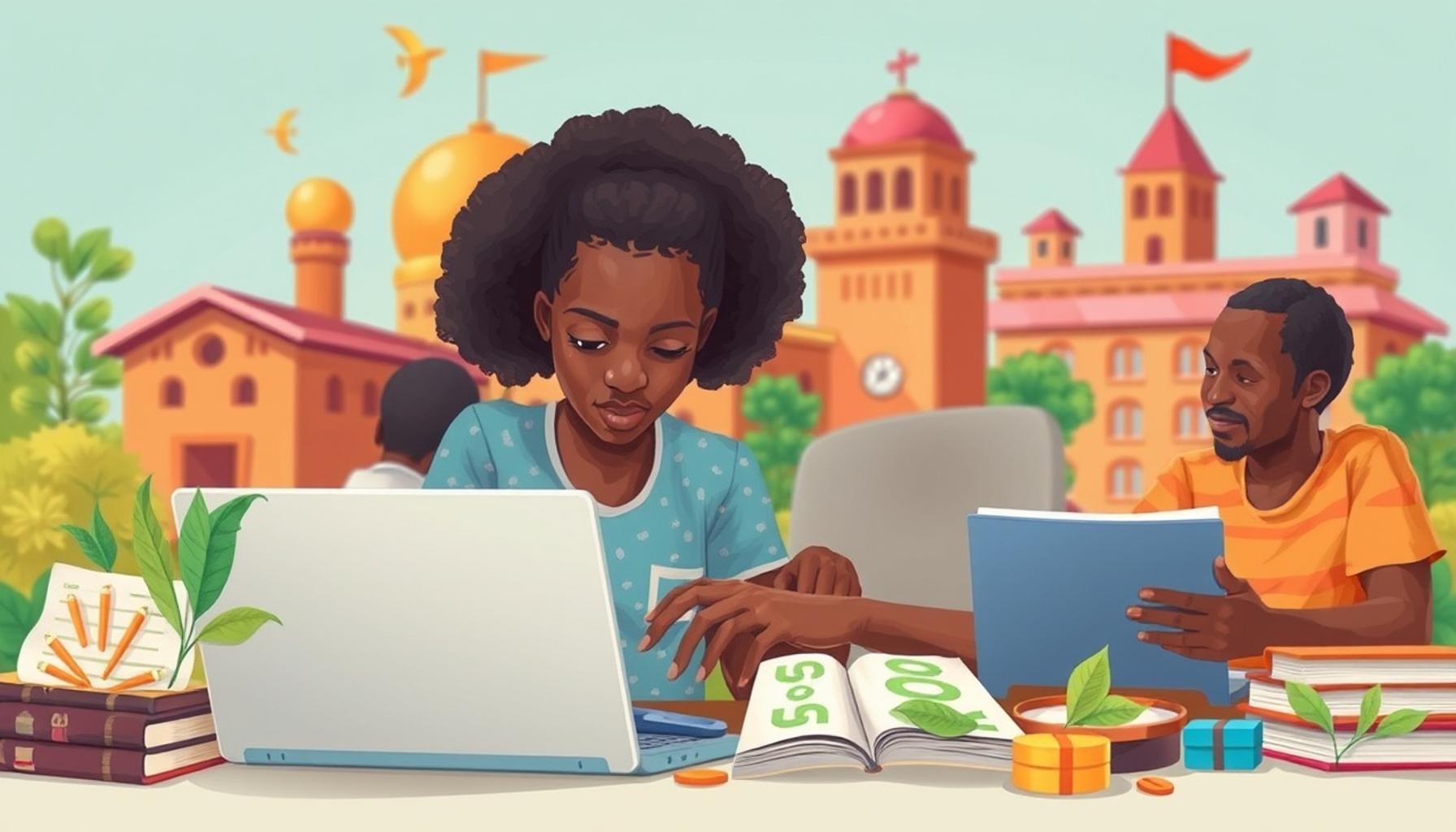
Understanding the Challenges and Opportunities in Educational Technology
The intersection of technology and education in South Africa is a complex landscape marked by both significant challenges and substantial opportunities. While advancements in technology have the potential to enrich learning experiences, they can also highlight stark inequalities that vary widely among students from different socioeconomic backgrounds. For instance, while a school in an urban center might have smart boards and high-speed internet, a rural school could be relying on outdated textbooks and limited resources. This contrast is not just a matter of resources but of opportunities, which can shape the future outcomes for students.
Challenges Faced in Accessing Educational Technology
Several factors contribute to the digital divide in South Africa that affects educational access:
- Digital Divide: In many rural areas, reliable internet connectivity is not just a luxury—it’s almost nonexistent. Areas like the Eastern Cape and Limpopo face significant barriers, making it difficult for students to access online learning materials or participate in virtual classes.
- Device Accessibility: Not all students have the financial means to purchase laptops or tablets. A family in a township may struggle to buy a single device for their children, whereas some urban households easily have multiple devices. This disparity directly impacts students’ ability to engage with digital content and participate in online learning.
- Educational Resources: The availability of quality online resources is often limited in underfunded schools, which may lack the necessary infrastructure to support digital learning. This often leaves students without access to current and effective educational materials.
Opportunities for Growth
Despite these challenges, there are also numerous opportunities presented by technology that have the potential to enhance educational equity:
- Innovative Teaching Methods: Technology can make learning more engaging and interactive. For instance, teachers can utilize platforms like Kahoot! to create fun quizzes, which can help students grasp difficult concepts in a more relaxed and enjoyable manner.
- Online Learning Platforms: With the rise of e-learning options, students can access a plethora of educational resources. Websites such as Khan Academy offer free courses on a variety of subjects, enabling students in underfunded schools to supplement their education outside of the classroom.
- Collaboration Tools: Tools like Google Classroom allow students to connect and collaborate on projects regardless of their location. This is particularly useful in a country with vast geographic diversity, allowing learners from both urban and rural areas to work together.
Tackling the existing disparities is vital for South Africa to harness technology effectively as a tool for equitable education. By actively working to create a more balanced digital landscape, the nation can forge pathways that benefit all learners—regardless of their background or situation. Efforts, such as government initiatives to improve internet infrastructure and community programs to provide technology access, can help mitigate these gaps, fostering a future where education is truly accessible for all.
CHECK OUT: Click here to explore more
The Impact of Socioeconomic Status on Educational Technology Access
The societal divide in South Africa is not merely about having access to technology; it is profoundly intertwined with socioeconomic status. In urban environments, schools often receive better funding, facilitating access to modern educational technologies, such as interactive learning tools and high-speed internet. Conversely, students in less affluent, rural areas frequently grapple with significant limitations. This disparity in resource allocation has crucial implications for student engagement and learning outcomes.
Real-life Implications of the Digital Divide
The digital divide shapes how students experience education on a day-to-day basis. A student from a well-resourced school in Johannesburg might find themselves in a vibrant learning environment where technology is seamlessly integrated into lessons. In contrast, a student from a rural school in KwaZulu-Natal may face several hurdles:
- Lack of Connectivity: For many students, access to online resources is nearly impossible due to unreliable internet connections. Students in remote schools often miss out on digital tools that enhance understanding, such as video lessons or interactive simulations.
- Infrastructure Limitations: Underfunded schools struggle with outdated technology. Many classrooms may not have working computers or even reliable electricity, hindering any initiative to introduce technological learning aids.
- Learning Environment: A rich learning environment includes collaboration with peers and access to varied resources. In contrast, students in poorer areas often find themselves in overcrowded classrooms, limiting personal attention and interactive learning.
Such realities prompt serious questions about educational equity. How can we ensure that every student, regardless of their geographic or economic standing, has the tools they need to flourish? The response lies in addressing both the systemic issues that perpetuate inequality as well as recognizing the unique opportunities that technology offers.
Innovative Solutions to Bridge the Gap
Although socioeconomic disparities pose substantial challenges, numerous innovative strategies are emerging to bridge the technological gap in education:
- Community Initiatives: Numerous NGOs and community-based organizations are setting up initiatives aimed at improving digital literacy. Programs that provide free access to technology and training can help empower students and teachers alike.
- Public-Private Partnerships: Collaborations between government and private tech companies are proving beneficial. These partnerships can lead to infrastructure investments in rural areas, enhancing access to internet connectivity and learning resources.
- Mobile Learning Solutions: Given South Africa’s high mobile phone penetration, mobile learning platforms are increasingly being utilized. These platforms enable students to access educational content directly from their smartphones, potentially reducing some of the disparities faced in traditional learning environments.
Addressing the challenges posed by socioeconomic status and the digital divide requires a concerted effort from various stakeholders, including the government, private sector, and community organizations. Through collaboration and innovative solutions, South Africa can create a more inclusive educational landscape where students from all backgrounds can thrive.
SEE ALSO: Click here to read another article
Exploring the Role of Government and Policy Efforts
The South African government recognized the pressing need to address educational inequalities exacerbated by technology access. Over the years, a variety of policies and frameworks have been introduced to promote equitable access to education through technological means. However, the question remains: Are these efforts sufficient to bring about the desired change?
Policy Frameworks Aimed at Bridging the Divide
At the heart of governmental initiatives is the National Development Plan (NDP), which aims to eliminate poverty and reduce inequality by 2030. Within the education sector, the NDP emphasizes the importance of integrating technology into curriculum delivery. However, implementation varies widely:
- Digital Education Strategies: Initiatives like the Education White Paper 4 aim to promote the use of technology for teaching and learning. While strategic investments have been made in e-learning platforms and educational apps, many teachers still lack the necessary training to effectively utilize these tools in the classroom.
- Infrastructure Development: To address connectivity issues, the government has embarked on projects to expand broadband access across the country, especially in rural areas. For instance, the South African Connect policy seeks to provide affordable internet access to schools. Yet, the rollout has often faced challenges, including limited funding and the geographic difficulties of reaching remote communities.
- The Curriculum and Assessment Policy Statement (CAPS): CAPS has started to include digital literacy as part of the curriculum, but the execution remains uneven. Some schools have yet to adapt to these changes, and without consistent support, students could miss out on vital skills needed in a digital world.
Challenges Faced in Policy Execution
While policies exist, their implementation reveals several underlying challenges. Understanding how these hurdles affect students is essential in grasping the bigger picture:
- Teacher Training and Support: Many educators find themselves at a disadvantage when it comes to technology use in classrooms. Without comprehensive training programs, teachers may feel overwhelmed by the prospect of incorporating new tools into their lessons. Providing ongoing professional development is crucial for effective technology integration.
- Quality of Resources: Even when technology is available, there may be concerns over the quality of digital educational content. Ensuring that resources meet educational standards is crucial to student learning and engagement. Some digital platforms may not be tailored to the South African context, making it harder for learners to relate to the material.
- Societal Attitudes towards Technology: In some communities, technology’s value in education is not fully recognized. Engaging parents and community members in conversations about the advantages of technology in learning can help shift these perceptions, encouraging greater support for digital initiatives.
As government policies strive to create equitable access, ongoing evaluation and adaptation are necessary to ensure that these frameworks effectively meet the needs of students in diverse contexts across South Africa. Educational institutions, both public and private, must collaborate with the government to share best practices and resources, ultimately working toward a more inclusive future in educational technology.
SEE ALSO: Click here to read another article
Conclusion
In conclusion, the intersection of technology and education in South Africa presents both opportunities and inequalities that reflect the broader societal challenges faced by the nation. While the government’s commitment to promoting digital inclusion through various policies, such as the National Development Plan and the Education White Paper 4, has laid a foundation for change, the effectiveness of these initiatives hinges on their implementation and the addressing of critical challenges.
The disparities in access to technology, whether due to geographic constraints, inadequate infrastructure, or insufficient teacher training, reveal significant gaps that can perpetuate educational inequalities. It is essential that stakeholders—government, educators, and community members—actively collaborate and engage in solutions that prioritize equitable access. Investing in professional development for teachers and ensuring the availability of quality digital resources tailored to the South African context are crucial steps to enhancing the educational landscape.
Moreover, fostering a cultural shift that recognizes the value of technology in education can empower communities to support these initiatives, ultimately leading to a more inclusive and effective educational experience for all learners. Embracing these opportunities to bridge the digital divide is not just a matter of policy, but a fundamental aspect of improving the future for every South African student, allowing them to thrive in an increasingly digital world. Only through sustained efforts and collaborative action can we hope to realize a truly inclusive educational framework that benefits all.

Linda Carter
Linda Carter is a writer and expert known for producing clear, engaging, and easy-to-understand content. With extensive experience in guiding people as they pursue their goals, she shares valuable insights and practical advice. Her mission is to help readers make informed choices and achieve meaningful progress.