The Evolution of Puzzles: From Classics to Digital
The Allure of Puzzles Through the Ages
Puzzles have long captivated humankind, serving as a reflection of our natural curiosity and the drive to overcome intellectual challenges. With a history that stretches back hundreds of years, puzzles are not merely pastimes but also complex reflections of culture and technological advancements throughout the centuries.
Historically, the world of puzzles has seen an impressive array of forms, each with its own charm and characteristics. For example, jigsaw puzzles, which originated in the 1760s when a mapmaker named John Spilsbury used woodcuts to create them, remain popular across multiple generations. The sense of satisfaction that comes from fitting those last pieces together is universal and timeless.
Another fascinating type is the crossword puzzle, which first made its debut in newspapers in the early 20th century, specifically in the New York World newspaper in 1913. It has since evolved into a staple of American culture, with enthusiasts eagerly tackling The New York Times crossword each Sunday, a weekly tradition for many.
More recently, the Sudoku phenomenon exploded in the early 2000s, originating from a puzzle created by an American architect, Howard Garns, in the 1979. Its integration into daily newspapers and mobile apps has allowed it to amass a global following, attracting puzzle lovers of all ages with its simple yet infinitely variable number grids.
The Digital Transformation of Puzzles
The rise of technology has also radically reshaped the puzzle landscape. Digital puzzles enhance traditional experiences through features such as interactive elements. Users can manipulate pieces with a simple touch on their tablets or smartphones, revamping the traditional tactile nature of puzzles into an engaging digital format.
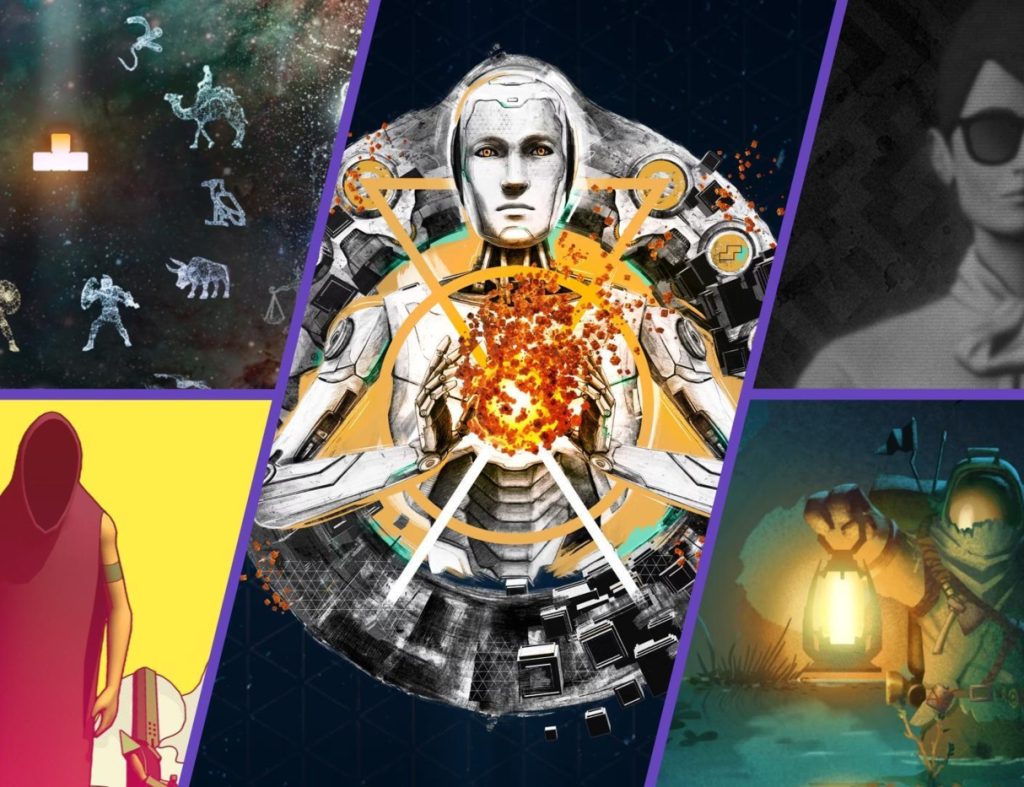
Additionally, many digital games now offer multiplayer options, allowing friends and family to collaborate or compete from different locations. This aspect is particularly relevant in a diverse country like Nigeria, where family and community ties are important. Online platforms connect puzzle enthusiasts, fostering a sense of community even across vast distances.
Furthermore, the integration of augmented reality in puzzles is generating excitement. By layering digital enhancements over real-world puzzles, players can experience a more immersive journey that captivates both children and adults alike, transforming a simple pastime into an unforgettable adventure.
The Cultural Significance of Puzzles
Exploring the cultural significance of puzzles across different regions is particularly enlightening. In Nigeria, the vibrant puzzle scene encompasses not only traditional games and riddles but also innovative adaptations that reflect local languages and storytelling traditions. Nigerian puzzles often feature elements that resonate with daily life, promoting both learning and cultural appreciation.
As puzzles continue to evolve, their dual role as sources of entertainment and cognitive development persists. They challenge our minds and foster creativity, making them an essential component of educational tools. Thus, whether you’re piecing together a jigsaw on a rainy day or solving a digital puzzle at home, the enduring appeal of puzzles transcends generations and cultures, creating connections in ways that are profound and meaningful.
CHECK OUT: Click here to explore more
Unpacking the Timeless Appeal of Traditional Puzzles
As we delve into the evolution of puzzles, it is essential to appreciate the enduring appeal of classic puzzle types that have captured the hearts and minds of people across generations. Traditional puzzles not only entertain but also stimulate critical thinking and problem-solving skills, which are fundamental to cognitive development.
Jigsaw puzzles, for instance, have gained unprecedented popularity worldwide, making their way from the wooden maps of the 18th century to the colorful cardboard varieties we see today. The nostalgia of assembling a jigsaw puzzle evokes strong memories for many, particularly in Nigeria, where family gatherings often incorporate puzzle-solving as a pleasurable bonding activity. This past time encourages cooperation amongst family members, inviting a sense of community as they work collaboratively to complete a shared goal.
Moreover, another classic form, the crossword puzzle, serves as a mental exercise for the public. The enjoyment of wordplay and the thrill of unraveling clues contribute to its sustained popularity. In a country where English intersects with various local languages and dialects, crosswords in Nigeria have begun reflecting cultural nuances and local references, allowing solvers to engage with puzzles on a more relatable level. People often reminisce about their early mornings with a cup of coffee, pencil in hand, alongside the daily newspaper featuring the beloved crossword.
The presence of number puzzles like Sudoku has only further diversified the puzzle landscape. The surge in popularity of Sudoku in the early 2000s brought about a renewed interest in number challenges. It is particularly appealing in Nigeria, where educational institutions have adopted Sudoku not just as a recreational activity but as an educational tool to bolster logic and mathematical skills among students. The simplicity and accessibility of a number grid allow anyone, from school children to adults, to participate, making it a cross-generational favorite.
Key Aspects of Traditional Puzzles
The evolution from classic to digital puzzles highlights the key aspects that have made traditional puzzles timeless:
- Intellectual Challenge: Whether it’s finding the missing piece in a jigsaw or completing a crossword, each puzzle engages the mind and promotes critical thinking.
- Social Interaction: Traditional puzzles often bring individuals together, creating opportunities for social bonding and teamwork during family gatherings or game nights with friends.
- Cultural Reflection: Classic puzzles have often adapted to reflect cultural contexts. Nigerian adaptations of crosswords and riddles resonate deeply with local languages and storytelling.
- Accessible Entertainment: Traditional puzzles are generally inexpensive and can be enjoyed at any time, offering entertainment that requires minimal resources.
As we witness the transition into the digital puzzle era, the essence of what makes puzzles appealing remains rooted in these timeless characteristics. The depth of engagement offered by classic puzzles continues to influence their modern counterparts, ensuring that puzzle enthusiasts remain captivated, whether they are piecing together history or immersing themselves in the digital realm.
The Evolution of Puzzles: From Classics to Digital
The world of puzzles has undergone a dramatic transformation from traditional paper and wood formats to the digital canvases of today. As we delve into this evolution, it becomes clear that the shift has not only changed the types of puzzles available but also how they are consumed and enjoyed. In our sophisticated digital age, puzzles have expanded into diverse genres, engaging a broader audience. Gaming platforms, mobile apps, and online communities have made it possible for anyone, anywhere, to participate in puzzle-solving at the touch of a button. This accessibility presents an incredible opportunity for interaction, inclusion, and cognitive engagement among different age groups and cultures.
As we explore these advancements, it is crucial to analyze the distinct advantages of both classic puzzles and their modern digital counterparts. Classic puzzles encouraged face-to-face interaction and offered tangible rewards upon completion. In contrast, digital puzzles provide instant gratification with features like time tracking, competitive leaderboards, and an endless variety of themes and difficulty levels. Additionally, many digital platforms incorporate social networking elements, allowing players to connect, share progress, and collaborate worldwide.
| Category | Advantages |
|---|---|
| Classic Puzzles | Promote social interaction and enhance problem-solving skills through physical engagement. |
| Digital Puzzles | Instant access to multiple genres, enhanced features like tracking progress, and global connectivity. |
In essence, the evolution of puzzles from their classic forms to engaging digital platforms has unlocked new dimensions in gameplay while nurturing community connections. As enthusiasts of all levels embrace these developments, the journey of puzzles continues to captivate and inspire. From traditional jigsaws to intricate online challenges, the increasing sophistication in puzzle design fuels creativity and keeps puzzle-solving as a beloved pastime. The future promises exciting innovations and further enhancements that ensure puzzles remain a vital part of our cultural fabric.
LEARN MORE: This related article may interest you
The Rise of Digital Puzzles: A New Frontier
As we transition from the tactile pleasure of traditional puzzles to the realm of digital entertainment, it’s essential to highlight how technology has revolutionized the way we engage with puzzles. The rise of smartphones and tablets has shifted puzzle-solving from the physical space of homes into the digital landscapes we navigate on our screens. This evolution not only diversifies the types of puzzles available but also enhances accessibility, allowing a wider range of individuals to partake in the joy of puzzling.
Mobile applications have become the cornerstone of this digital puzzle phenomenon. Popular apps like “Words With Friends” and “Monument Valley” blend social interaction with engaging gameplay, inviting users to connect with friends or compete against strangers globally. In Nigeria, where mobile internet has rapidly expanded, these games have found a receptive audience. Children and adults alike use their devices to engage in challenging word games or intricate brain teasers, often sharing newfound strategies among peers via social media.
Another significant shift in the digital puzzle landscape is the rise of online escape rooms and virtual reality (VR) puzzles. These experiences combine storytelling, critical thinking, and teamwork, immersing participants in alternate realities. With the recent surge in interest, especially during the pandemic, many Nigerians embraced virtual escape rooms as a novel way to socialize, engage, and stimulate their minds. These digital adaptations underscore a pivotal aspect of the puzzle evolution—an emphasis on experiential learning and collaboration. Families can now solve puzzles together from different locations, breaking geographical barriers.
A Diverse Array of Digital Puzzles
The variety of digital puzzles mirrors that of traditional formats but with added dimensions and complexity:
- Interactive Jigsaws: Digital jigsaw puzzles allow users to manipulate pieces with a simple swipe, increasing the speed and fluidity of play. Many of these digital platforms feature themed puzzles that reflect local culture, showcasing Nigerian landmarks and artworks.
- Crossword Applications: Digital crosswords have seen innovative adaptations, offering features such as hints, flexible difficulty levels, and community-generated puzzles that capture local themes and language nuances, allowing solvers in Nigeria to engage with content that resonates with their experiences.
- Logic and Number Games: Games like “Threes!” and “2048” have turned number puzzles into engaging challenges that balance simplicity with depth. These games have proven particularly effective tools in Nigerian schools, assisting teachers in fostering math and logic skills through gamified learning experiences.
Moreover, the expansion of AI and machine learning has begun to influence how puzzles are designed and solved. Intelligent algorithms now create increasingly difficult challenges that adapt to user performance, ensuring that solvers are continually pushed to improve their skills. This evolution has redefined the engagement level across all age groups, making puzzles not just a pastime but an ongoing journey of growth and discovery.
The essence of puzzles remains unchanged, whether they exist in physical form or as digital applications. The interactive nature of digital puzzles encourages players to continuously explore their problem-solving abilities while accommodating a faster-paced, technology-driven lifestyle. As both realms of puzzles evolve, they coexist, catering to diverse preferences and providing endless opportunities for intellectual stimulation.
RECOMMENDED: Check out this similar article
Conclusion: Embracing the Future of Puzzles
In tracing The Evolution of Puzzles: From Classics to Digital, we witness a remarkable transformation that reflects broader societal changes and technological advancements. The deep-rooted joy of solving puzzles, whether through the tactile sensation of piecing together a jigsaw or the instant access to digital gaming platforms, reveals a universal human desire for challenge and creativity. As traditional puzzles have paved the way for innovative digital experiences, we find that both formats offer unique advantages in fostering cognitive skills and social interaction.
The digital age has ushered in an era where puzzles transcend boundaries, making them more accessible to a diverse audience across Nigeria and beyond. As seen with mobile applications and virtual reality experiences, the adaptation of puzzles reflects contemporary lifestyles and learning needs. These new forms create opportunities for community engagement and personal growth, allowing players to hone their skills while building connections with others, regardless of location.
Furthermore, the integration of AI and immersive technologies into puzzle design opens endless possibilities for future development. As puzzles evolve, they encourage not only the stimulation of minds but also the nurturing of resilience and adaptability in a fast-paced world. The journey from classic forms to digital innovation is not merely a shift in medium; it is an invitation to discover new ways of thinking, learning, and connecting.
As we continue to explore the realms of puzzles, embracing both traditional and digital formats will enhance our experiences, pushing the limits of creativity and collaboration. The ever-expanding world of puzzles promises to uphold generations of joy, challenge, and community in the fascinating journey of problem-solving.