Cultural Puzzles: How Local Traditions Inspire Mental Challenges
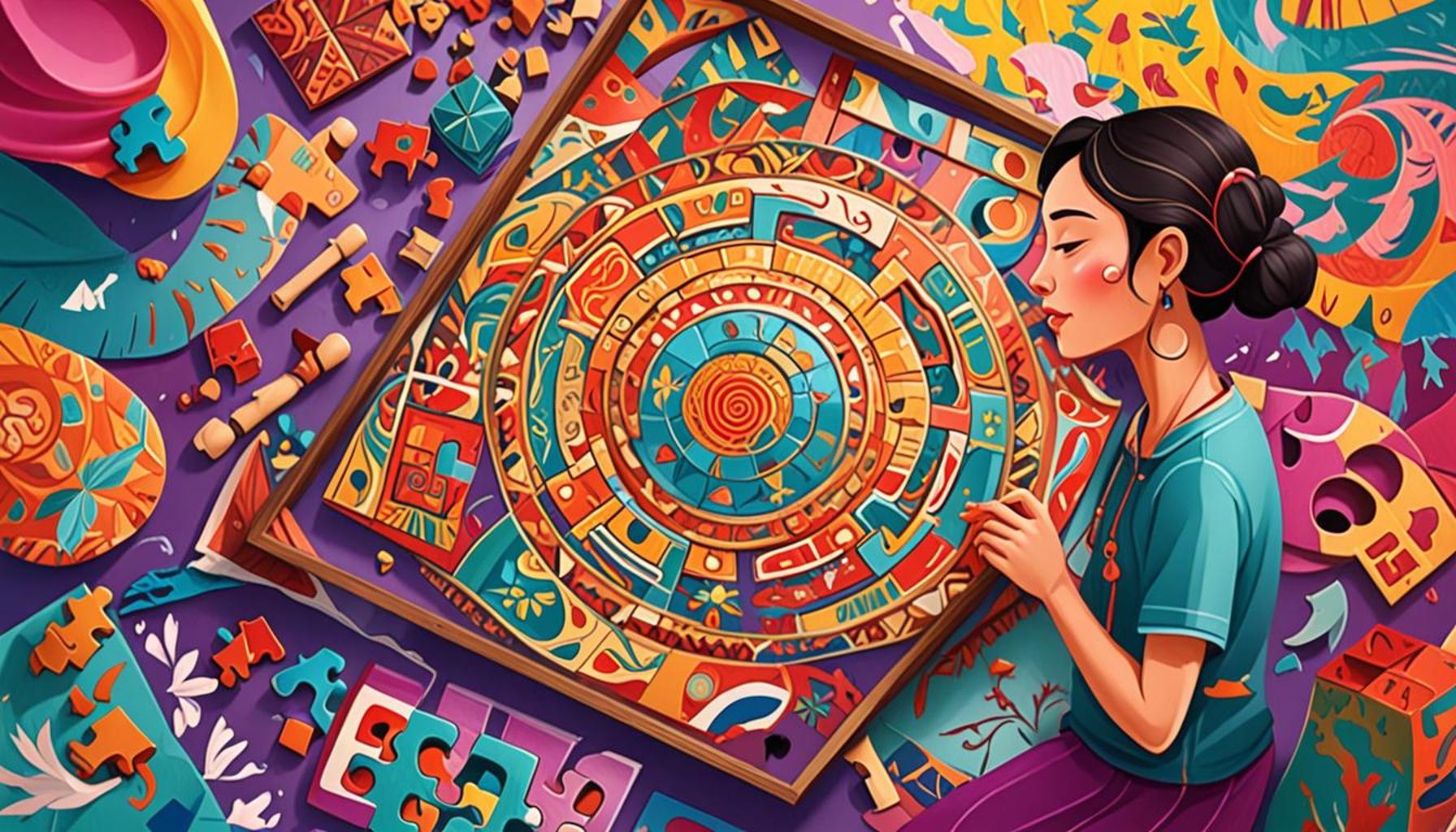
Unraveling Cultural Richness through Cognitive Engagement
The vibrant cultures of Nigeria are akin to intricate tapestries, each thread symbolizing the unique traditions and practices found within various communities. These cultural expressions not only define identities but also create opportunities for engaging cognitive challenges that stimulate mental agility and creativity. From the bustling streets of Lagos to the serene villages in the north, local customs encompass a fascinating array of puzzles and challenges that require not just participation, but thoughtful interaction and reflection.
Examples of Cultural Puzzles in Nigeria
- Ayo: Ayo is a traditional board game that holds a cherished place in many Nigerian homes. Known for requiring strategic thinking, players must outmaneuver their opponents by capturing seeds and strategically moving them on the board. This game not only hones cognitive skills such as planning and foresight but also fosters community spirit as friends and family gather to engage in this timeless battle of wits.
- Storytelling: In Nigerian culture, oral storytelling is a powerful medium, often featuring folklore that includes complex riddles and moral dilemmas. Tales such as those of the tortoise or the clever rabbit are not just entertaining; they encourage listeners to analyze situations, draw conclusions, and develop critical thinking skills. The art of storytelling urges participants to question and infer, making them active thinkers in the process.
- Masquerade Festivals: Celebrated across different regions, masquerade festivals are vibrant events that merge dance, music, and cultural rituals. Participants often interpret various masquerade dances, which embody cultural narratives and symbols. Engaging with these performances prompts individuals to explore their meanings, fostering a deeper understanding of cultural heritage and historical contexts while sharpening analytical skills in interpretation.
These cultural challenges manifest as tools for personal and communal growth, enriching cognitive realms that may otherwise remain dormant. Engaging with traditional games and storytelling not only enhances problem-solving capabilities but also nurtures memory retention, emphasizing the value of collaboration. When individuals come together to decipher these puzzles, they forge stronger connections with their heritage and one another.
The exploration of such cultural puzzles illuminates the profound impact that local traditions have on the shaping of our thought processes. As we examine these enriching experiences, it becomes clear that cultural practices are not merely forms of entertainment but vital components in fostering a robust mental framework. Join us on a journey through these captivating traditions, where each puzzle offers not just enjoyment but also a gateway to greater community, identity, and intellectual development.
YOU MAY ALSO LIKE: Read read another article
Engagement Through Tradition: A Window into Cognitive Growth
Delving deeper into Nigeria’s rich cultural milieu reveals a treasure trove of cognitive challenges embedded within local traditions. These engaging forms of entertainment do more than provide enjoyment; they serve as powerful tools for mental development. The necessity to engage thoughtfully with these cultural puzzles refines problem-solving skills, enhances memory retention, and promotes critical thinking. The roots of these mental exercises can be palpably felt across various domains of Nigerian culture, reflecting the diversity and vibrancy of its people.

The Significance of Traditional Games
Traditional games like Ayo not only engage the mind but also forge connections across generations. This popular board game has origins dating back centuries and is traditionally played on wooden boards with seeds. As players strategize their moves, they are inadvertently sharpening attention span and boosting analytical skills. Competitions often spring up in community settings, turning a simple game into a lively social event where wisdom and wit collide.
The Art of Wordplay in Folktales
Nigerian folktales encapsulate a wide range of riddles and moral lessons, serving as a unique conduit for cognitive stimulation. The playful exchange of wisdom often found within stories allows listeners to engage deeply as they decipher underlying meanings. This art form is not just a means of entertainment; it is integral to cultural identity and knowledge transmission. Children and adults alike are invited to ponder complex questions posed in stories, paving the way for enhanced evaluative skills and fostering a strong sense of community as they discuss interpretations together.
- Riddles: Often presented as part of storytelling enthrallments, riddles challenge both the speaker and listener to think critically and engage creatively.
- Moral Dilemmas: Many folktales are designed to elicit discussions around right and wrong, encouraging participants to reflect on their values and choices.
- Language and Expression: The rhythmic and metaphorical nature of folktales cultivates an appreciation for language and augments vocabulary, essential components of cognitive growth.
Another remarkable aspect of Nigerian culture is found within masquerade festivals, where dance and tradition intertwine to create captivating performances. These events invite participants to immerse themselves in culturally significant narratives, often portraying historical myths and community stories through both movement and costuming. Such artistic expressions not only foster cultural appreciation but challenge spectators and dancers alike to interpret the stories being told, leading to a greater understanding of their heritage.
In summary, these cultural puzzles serve as a microcosm of the mental resilience and creativity found within Nigerian traditions. Engaging with such practices not only enriches cognitive capabilities but also fosters communal ties, solidifying the cultural fabric that binds individuals and communities together. As we continue to explore the puzzles inherent in Nigeria’s cultural landscape, we uncover layers of meaning that bolster both individual and collective growth.
| Advantage | Description |
|---|---|
| Enhanced Cognitive Skills | Engaging with local puzzles boosts problem-solving abilities and critical thinking. |
| Cultural Awareness | These challenges introduce individuals to diverse cultural insights and practices. |
| Social Interaction | Participating in communal puzzles fosters collaboration and strengthens community bonds. |
| Stress Relief | Engaging in mental challenges provides a fun escape, reducing anxiety and boosting mood. |
| Learning Opportunities | Puzzles inspired by traditions often incorporate historical stories, enhancing knowledge. |
Engaging with local traditions through puzzles and mental challenges opens the door to new cognitive experiences, fostering not only enhanced skills but also a profound connection to cultural heritage. The intricate nature of these challenges allows individuals to delve into various aspects of a community’s history, encouraging exploration and encouraging a shared appreciation of cultural diversity. Whether it’s a traditional riddle passed down through generations or a modern twist on ancient practices, these challenges weave together the narratives of different cultures, enriching both the mind and heart. The intersection of contemplation and culture invites readers to rediscover the beauty of cognitive engagement deeply rooted in local traditions.
YOU MAY ALSO LIKE: Read read another article
The Puzzle of Language: Proverbs and Sayings
Language plays an indispensable role in shaping thought processes and cognitive skills, particularly through the use of proverbs and sayings embedded in Nigerian culture. These concise expressions, often rich with metaphorical content, serve as cultural codes that challenge individuals to think beyond the literal meaning. Proverbs encapsulate wisdom and provide a framework for making decisions, inviting speakers and listeners alike to engage in mental gymnastics as they interpret nuances and underlying philosophies.
The Role of Proverbs in Cognitive Development
Nigerian proverbs, such as “A bird does not change its feathers because the season changes,” not only resonate with cultural context but also provoke critical thought about adaptability and personal values. Engaging with these sayings often requires the individual to analyze personal situations and derive wisdom applicable to everyday life. Traditional gatherings, like family meetings or community discussions, frequently incorporate proverbs to lend weight to arguments, enhancing participants’ argumentative skills and their ability to articulate thoughts coherently.
- Reflection: The use of proverbs necessitates introspection, encouraging individuals to reflect on their own actions and decisions.
- Analytical Skills: Analyzing the implications of a proverb fosters cognitive flexibility, enabling individuals to consider multiple perspectives.
- Community Engagement: Sharing proverbs in communal settings promotes collective wisdom and enhances social bonds, thereby reinforcing cultural identity.
Traditional Craftsmanship: A Hands-On Approach to Learning
In addition to verbal traditions, traditional craftsmanship represents another rich source of cultural puzzles that activate mental engagement. Arts, crafts, and trades have been passed down through generations, each requiring unique skills and intricate thinking. The making of traditional artifacts, from beadwork to pottery, demands not only creativity but also sustained attention and precision, engaging various cognitive functions.
For instance, the Yoruba tradition of adire fabric design challenges artisans to think spatially and conceptually as they create intricate patterns. The process of developing these designs involves a complex understanding of symmetry, color theory, and cultural symbols, pushing the boundaries of creative problem-solving. Apprentices and learners involved in such crafts are frequently exposed to a form of mentorship, whereby cognitive skills are honed through observation and practice in a dynamic and collaborative environment.
- Cognitive Development: Craftsmanship requires critical thinking and fine motor skills, leading to enhanced cognitive function.
- Inter-generational Knowledge Transfer: The passing of craft skills helps reinforce cultural heritage and instills a sense of responsibility in younger generations.
- Creativity: The freedom to experiment with various materials and methods promotes innovative thinking and inventiveness.
As these varied cultural puzzles unfold, they create an intricate web of challenges that inspire cognitive growth. The vibrant tapestry of Nigeria’s traditions not only fosters a deep connection with one’s heritage but also cultivates essential life skills that enhance the overall mental landscape. Each experience, be it through proverbs or craftsmanship, contributes to a formidable reservoir of cognitive capability that transcends generations, inviting individuals to continually engage with the rich intellectual heritage of their communities.
SEE ALSO: Click here to read another article
Conclusion: Unlocking Cognitive Potential through Cultural Engagement
The world of cultural puzzles found in local traditions serves as a powerful conduit for cognitive development and critical thinking. As explored in various facets—such as the deep wisdom embedded in Nigerian proverbs and the intricate artistry of traditional craftsmanship—these elements of culture not only challenge individuals mentally but also nurture a sense of community and identity. Engaging with proverbs encourages reflection and analytical skills, pushing individuals to consider their experiences through a rich tapestry of metaphor and collective wisdom. Meanwhile, the hands-on approaches seen in craftsmanship promote creativity and inter-generational learning, ensuring that valuable skills and cultural narratives are preserved and passed on.
As we delve deeper into these cultural layers, it becomes evident that mental challenges arising from local traditions do more than entertain; they actively shape cognitive landscapes, fostering resilience and adaptability in an increasingly complex world. Each proverb shared and each craft mastered builds towards a more nuanced understanding of ourselves and our place within the broader community. By valuing and engaging with these cultural puzzles, we not only honor our heritage but also equip ourselves with the tools necessary for navigating life’s multifaceted challenges. Ultimately, investing in local traditions and fostering cognitive engagement is not merely an exploration of the past; it is a vital step towards a more enlightened future, where both individual growth and collective wisdom thrive.