Puzzles and Collaboration: How Team Games Can Improve Social Skills
Unlocking Social Skills Through Team Games
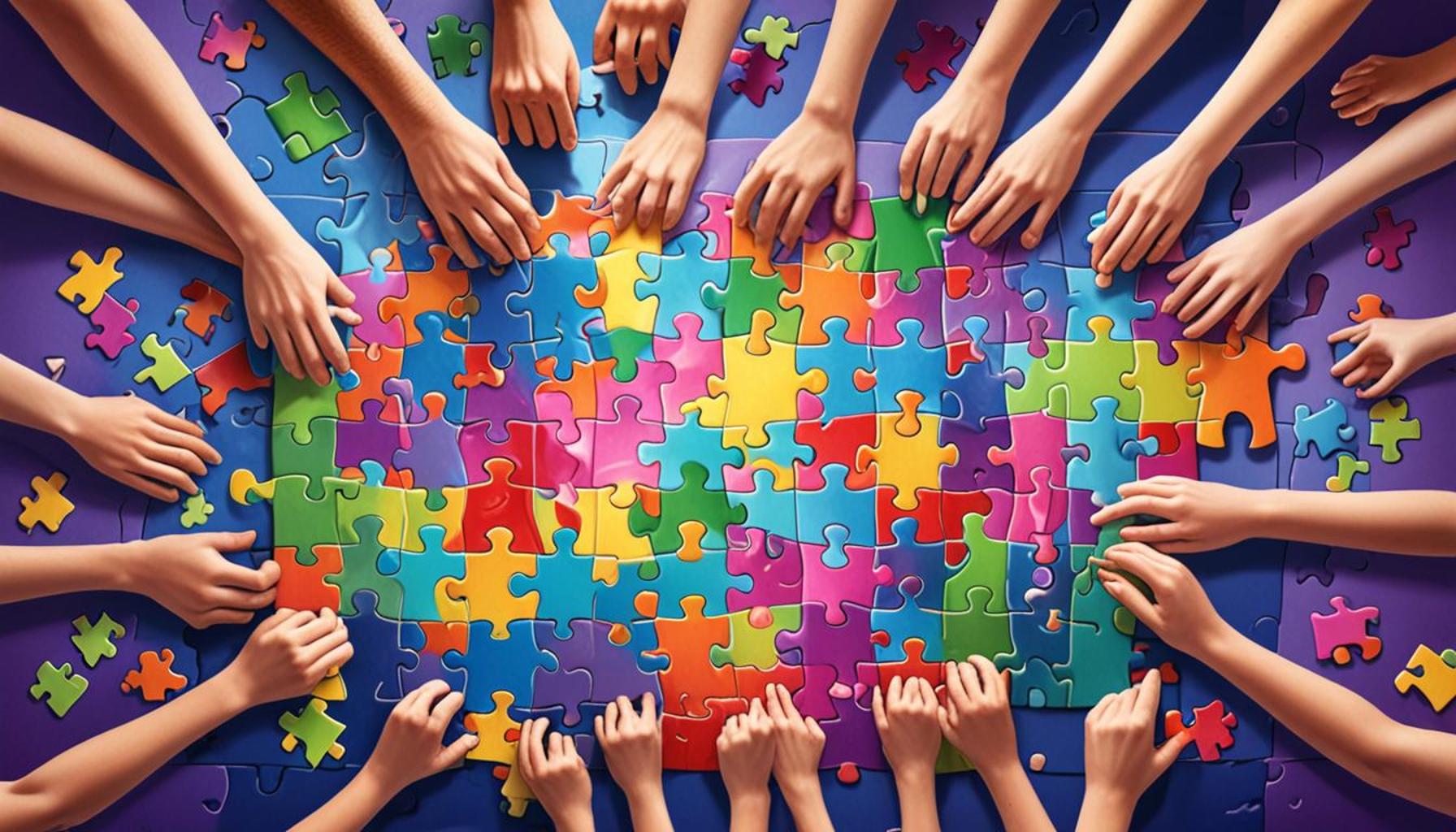
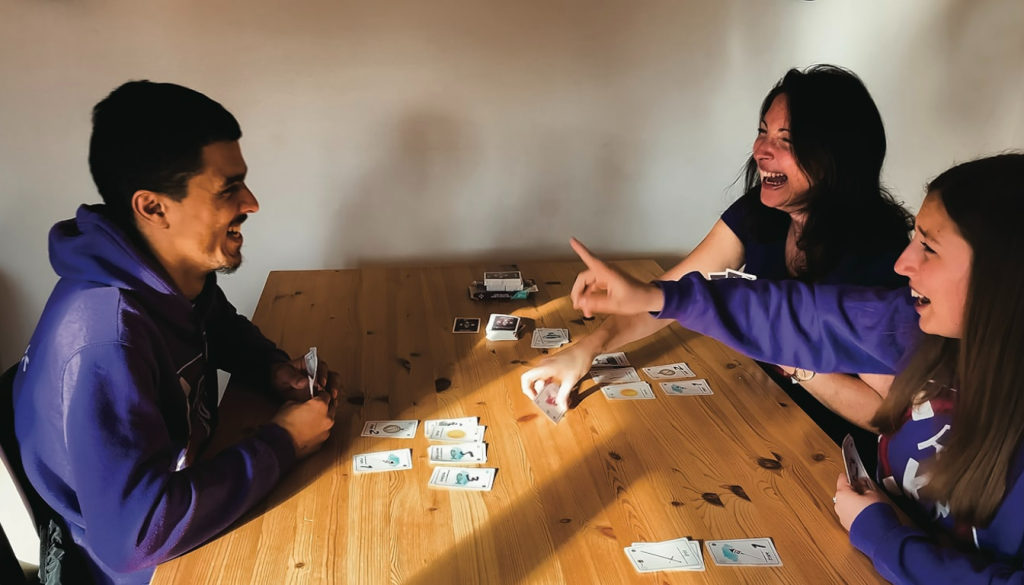
In today’s world, effective communication and collaboration are crucial for personal and professional success. Puzzles and collaboration can serve as powerful tools in developing these essential social skills. Engaging in team games not only boosts cognitive abilities but also enhances interpersonal relationships. The significance of these skills is underscored daily across various aspects of life, from educational settings to the workplace.
Consider the following benefits of team games:
- Improved Communication: Participants learn to express their ideas clearly while listening to others. This mutual exchange is vital in settings like classrooms and workplaces where diverse perspectives can lead to innovative solutions.
- Conflict Resolution: Players develop strategies to resolve disagreements amicably. For example, team sports often require players to navigate conflicts on the field, teaching them to find common ground and maintain harmony.
- Trust Building: Collaborating on a common goal fosters trust among team members. When players work together to achieve a shared objective, such as winning a game or completing a complex task, they develop stronger interpersonal bonds.
In Nigeria, where community and teamwork are central to many cultural practices, these games take on added significance. For instance, local board games like Damii and Oware, alongside group puzzles often played during family gatherings or community events, create an environment where players can bond and enhance their social interactions. These activities provide an accessible way to learn social cues, including body language and empathy, and allow participants to practice negotiation and persuasion in a supportive setting.
Consider the vibrant social culture in markets across Nigeria, where group games can often be witnessed among vendors and shoppers. Taking a cue from traditional settings, team games can encourage collaborative problem-solving, mirroring how communities in Nigeria often pull together during festivities or local projects. By participating in such engaging activities, individuals can cultivate vital skills in a fun, interactive manner.
As we explore the dynamics of team games, we will uncover how they not only challenge the mind but also forge connections among those who play. This journey into the world of puzzles and collaboration reveals much more than just solutions; it highlights the profound impact of teamwork on our social lives. By investing time in these games, individuals can not only improve their cognitive abilities but also engage with others in enriching, meaningful ways that extend far beyond the game itself.
YOU MAY ALSO LIKE: Read read another article
Enhancing Communication Through Collaborative Play
When it comes to honing social skills, the intersection of puzzles and collaboration presents a unique opportunity for individuals to develop crucial competencies. As team games require players to share ideas, solve problems collectively, and navigate challenges, they naturally create a fertile ground for enhancing communication skills. In a country like Nigeria, where community and collective effort are woven into the fabric of everyday life, the role of collaborative games serves as an essential means of connecting individuals.
Through engaging activities, players are prompted to articulate their thoughts and strategies clearly. This improved communication manifests in several ways:
- Active Listening: In order to work together effectively, team members must practice active listening. This not only helps in grasping ideas and viewpoints expressed by others but also fosters an environment where everyone feels heard.
- Verbal Expression: Engaging in team games pushes participants to express their thoughts freely, thereby improving their confidence in public speaking and verbal communication.
- Non-Verbal Communication: Players learn to read body language and facial expressions, which add depth to their interactions, an important skill in Nigeria’s vibrant cultural landscape.
As children and adults alike gather around tables for games of Damii or solve group puzzles at community centers, the emphasis on communication becomes increasingly apparent. These activities encourage players to not only talk but also to understand the importance of timing, tone, and context in their conversations. In many Nigerian households, game nights foster laughter and friendly debate, teaching participants to navigate differing opinions while maintaining respect—a vital aspect of effective communication.
Furthermore, team games create scenarios where conflict can arise, providing players with real-time practice in conflict resolution. Rather than resorting to anger or withdrawal when disagreements happen, players learn the value of compromise and negotiation. For instance, during a game of Oware, disagreements over rules or strategies often lead players to engage in discussions to find mutually acceptable solutions. This process not only enhances their ability to deal with conflict but also strengthens their relationships as team members learn to respect each other’s perspectives.
Moreover, the collective nature of puzzle-solving tends to cultivate an atmosphere of trust building. When participants depend on one another to achieve a common goal, they develop a sense of camaraderie. In Nigeria’s rich tapestry of communal living, these bonds fostered through play can lead to lasting friendships that extend beyond the game itself.
In essence, the benefits of incorporating puzzles and team games into daily life are multifaceted, leading to a more cohesive social experience. As we delve deeper into the dynamics of team games, we will explore additional aspects of how these collective activities not only stimulate the mind but also forge stronger connections among players that can enhance social skills across various settings.
Puzzles and Collaboration: Enhancing Social Skills Through Team Games
Puzzles not only provide entertainment but also serve as crucial tools for developing social skills. As teams gather to solve complex challenges, they cultivate vital interpersonal skills that are essential in both personal and professional realms. This collaborative environment fosters a sense of community, encouraging players to express their thoughts and understand different perspectives.One of the most compelling aspects of team games is their effectiveness in enhancing communication. When participants work together on puzzles, they must articulate their ideas, ask questions, and offer constructive feedback. This interaction strengthens their ability to engage with others, making them more confident in expressing themselves.Moreover, engaging in team-oriented activities nurtures empathy. Players learn to recognize and respond to the emotions and signals of their teammates. By experiencing moments of success and failure collectively, they develop a deeper understanding of how to provide support and celebrate achievements, fostering lasting friendships.Another key benefit of puzzles as team games is the promotion of problem-solving skills. Collaborating to find solutions to challenging puzzles encourages players to think critically and logically. This aspect of teamwork not only benefits social interactions but also prepares individuals for real-life situations where these skills are essential.In this way, team games like puzzles create a dynamic space where players not only hone their cognitive skills but also build strong, meaningful connections. As they navigate through challenges side by side, they grow together—transforming simple gameplay into a rich, collaborative experience that enhances their social competencies immensely.
| Social Skills | Impact of Team Games |
|---|---|
| Communication | Encourages players to articulate ideas and share insights, enhancing dialogue. |
| Empathy | Fosters understanding of teammates’ emotions, strengthening bonds and support networks. |
YOU MAY ALSO LIKE: Read read another article
Building Empathy and Understanding Through Team Dynamics
As teams engage in puzzles and collaborative games, they embark on a journey that goes beyond mere competition. One of the critical aspects of this journey is the development of empathy and understanding among players. As players encounter various scenarios within games, they are often required to step into one another’s shoes, recognizing the diverse perspectives that each member brings to the table. This is particularly important in Nigeria, where cultural diversity plays a significant role in daily interactions.
Puzzles require players to consider the strengths and weaknesses of their teammates. For instance, while solving a complex jigsaw puzzle, one player might excel at visualizing the overall picture, while another might have a knack for finding connecting pieces. By acknowledging these individual strengths, players learn to appreciate each other’s contributions, thus fostering a deeper sense of community. This acknowledgment helps participants develop a more profound respect for differing approaches and thought processes.
Furthermore, the collaborative nature of games encourages players to celebrate not only victories but also the learning moments that come from losses. When teams encounter setbacks, such as failing to complete a challenge on time, members typically engage in reflective conversations. Rather than placing blame, players share insights about what could be improved, thereby honing their ability to communicate effectively and constructively. This process can lead to a heightened level of emotional intelligence, as players learn to navigate their own feelings and those of their teammates in the face of disappointment.
Another compelling benefit of team games is their role in enhancing problem-solving skills. As challenges arise, players must work together to find innovative solutions. This collaborative problem-solving is crucial in building social skills because it promotes creativity and lateral thinking. For example, a group playing a popular traditional game like Ludo might face strategic roadblocks that require out-of-the-box thinking to overcome. The experience of brainstorming together not only yields innovative strategies but also solidifies social bonds as players rally around shared objectives.
Moreover, engaging in team puzzles and games often leads to a significant reduction in social anxiety, which can be especially pronounced in communal settings. Through repetition in a game context, individuals often find that familiar faces provide comfort and ease during interaction, thus allowing for smoother conversations and relationships to flourish. In Nigeria, where connectivity and relationships are paramount, these moments can pave the way for future collaborations, whether in school activities, community initiatives, or even in the workplace.
Ultimately, as team members navigate through the intricacies of collaborative puzzles, they inadvertently cultivate an environment rich in social learning. Whether it is through developing trust, enhancing empathy, or improving emotional literacy, these experiences are invaluable. As players engage with one another, they not only evolve individually but also contribute toward creating a more harmonious and cooperative society.
LEARN MORE: This related article may interest you
Conclusion: The Transformative Power of Team Puzzles in Social Skill Development
In summary, the impact of puzzles and collaboration on enhancing social skills cannot be overstated. As individuals engage in team games, they foster critical qualities such as empathy, communication, and problem-solving. Such collaborative experiences allow players to appreciate diverse perspectives, ultimately cultivating a sense of belonging and community in a multicultural context, particularly in Nigeria.
The journey through shared challenges not only fosters emotional intelligence but also reinforces the bonds that members form with each other. By navigating successes and learning from failures together, teams reinforce the idea that cooperation is essential to collective advancement. As players come to understand the unique contributions of each team member, they develop respect and appreciation for varied approaches and methodologies.
Moreover, the benefits extend beyond the games themselves; they create pathways for ongoing interactions and collaborations in various aspects of life, from educational settings to community initiatives and even workplace dynamics. The reduction in social anxiety through repeated interactions further enhances communication skills, making it easier for individuals to connect in diverse social environments.
Ultimately, the engagement in team puzzles and games serves as a valuable tool for fortifying our social fabric. By investing time in these collaborative experiences, individuals not only grow personally but also contribute to building a more cohesive society that thrives on understanding and cooperation. Embracing this approach can lead to a future where rich social skills foster harmony and collaboration, paving the way for communal success and shared prosperity.