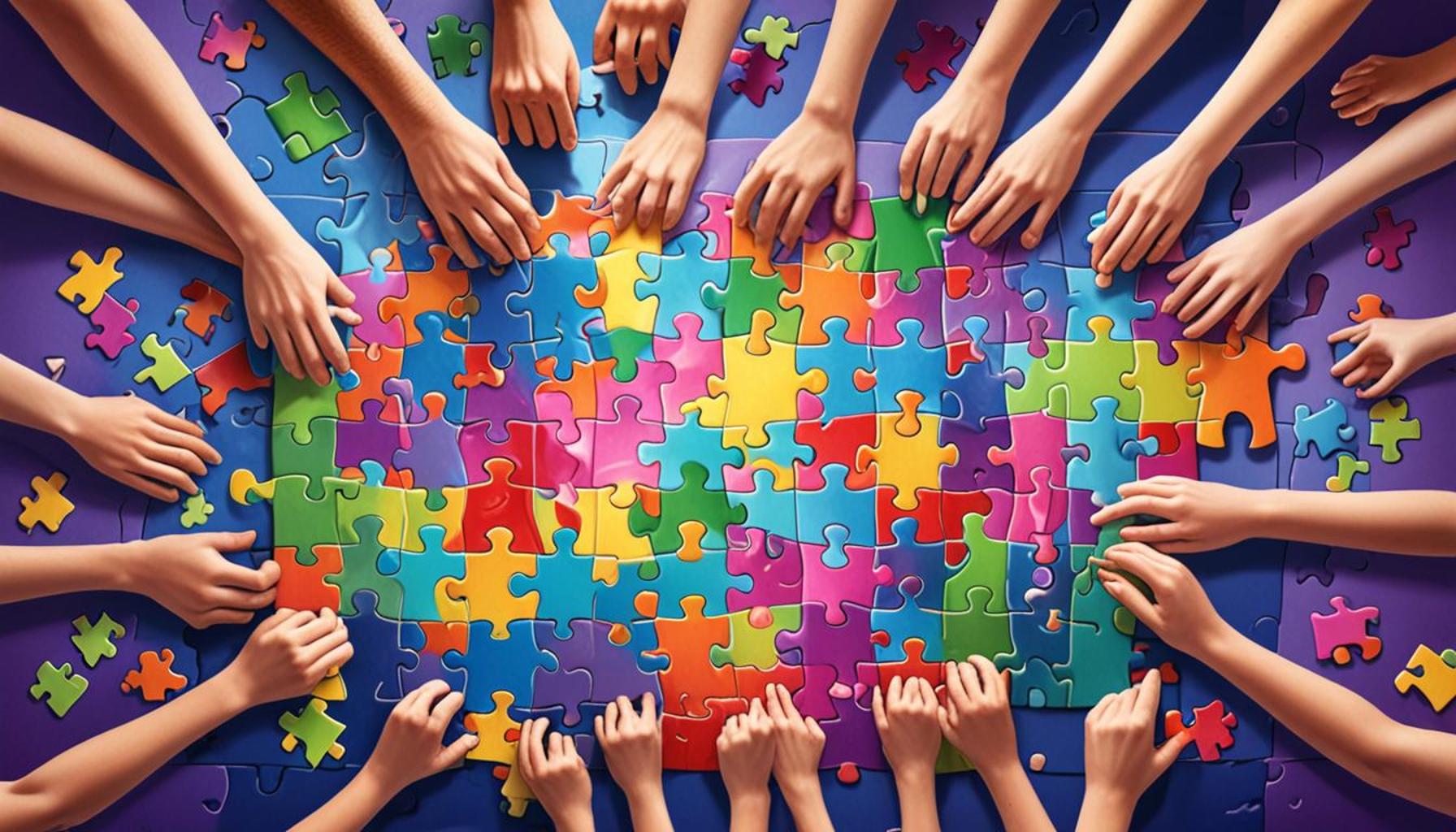
The Psychology Behind Word Puzzles and Their Effects on Memory
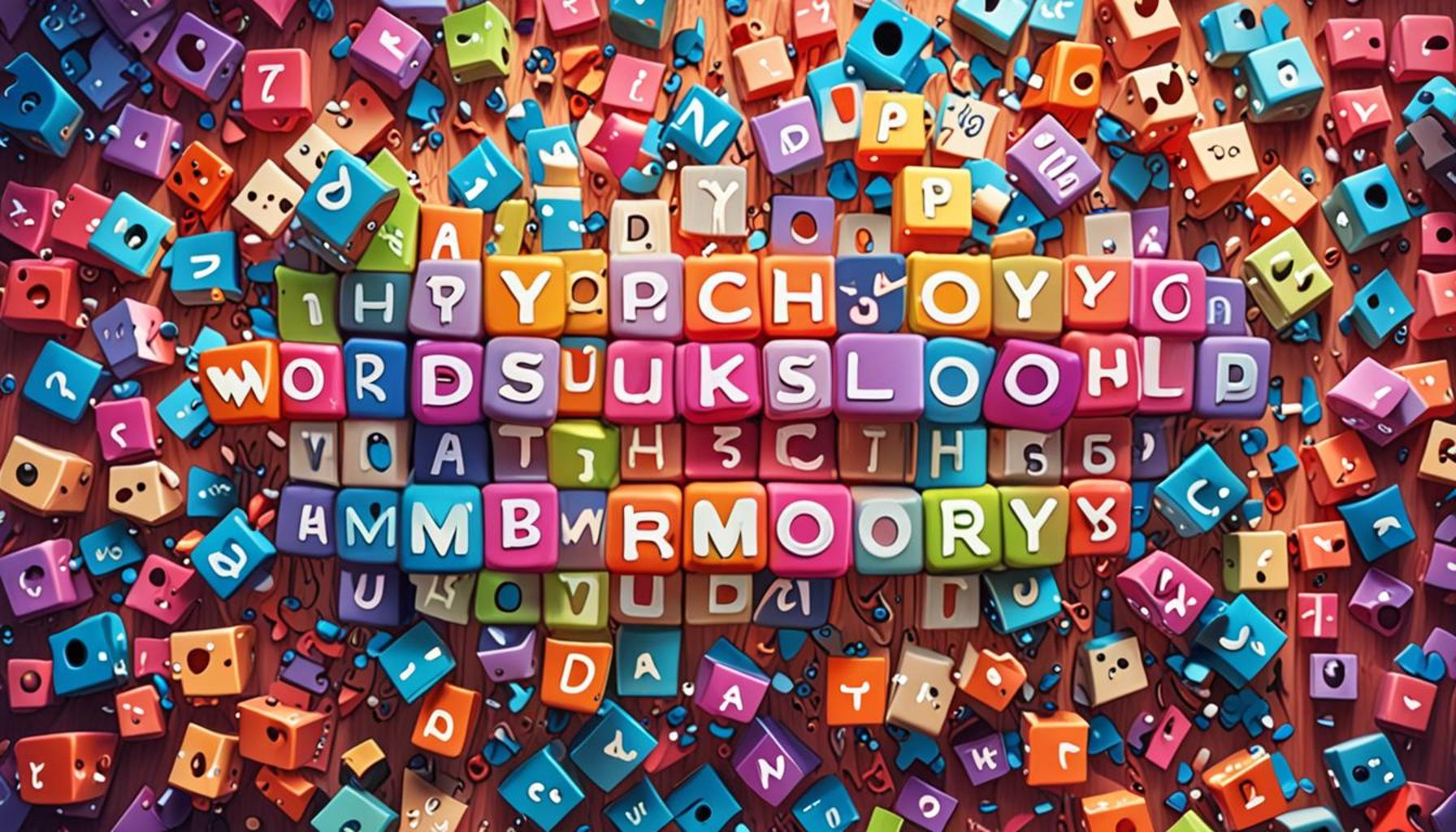
Exploring the Benefits of Word Puzzles on Memory
Word puzzles serve as an engaging mental exercise that goes beyond mere entertainment; they are powerful tools for cognitive development and memory enhancement. With their diverse forms, from crosswords to word searches, these puzzles challenge our brains to think critically and utilize our vocabulary effectively.
How Word Puzzles Enhance Cognitive Functions
Research indicates that solving word puzzles can lead to transformational benefits in various areas of cognitive function. Regular engagement in such activities stimulates multiple areas of the brain, which in turn can improve memory and mental agility. For instance, individuals who frequently participate in crossword puzzles tend to expand their vocabulary significantly. This not only helps in enhancing their language skills but also aids in better communication and comprehension.
Moreover, puzzles require a strategic approach, fostering enhanced problem-solving skills. Players must analyze clues, remember previous answers, and foresee potential challenges, which promotes critical thinking. A steady practice of such activities can also lead to boosted memory retention. This cognitive exercise engages the brain similarly to physical workouts, making it more efficient in storing and recalling information.
Cultural Relevance in Nigeria
In Nigeria, the affinity for word puzzles is deeply rooted in both traditional and contemporary contexts. Games like “Scrabble” and local variations of word challenges have gained immense popularity. For many Nigerians, such activities provide not just a fun pastime but also a robust method for cognitive skill enhancement. Educational institutions often incorporate word puzzles into their curricula, recognizing their potential to engage students in a playful yet enriching manner.
Additionally, community gatherings and family game nights often see players indulging in word puzzles, fostering a sense of togetherness while engaging their minds. This communal approach to puzzle solving enhances not only an individual’s cognitive abilities but also strengthens social bonds.
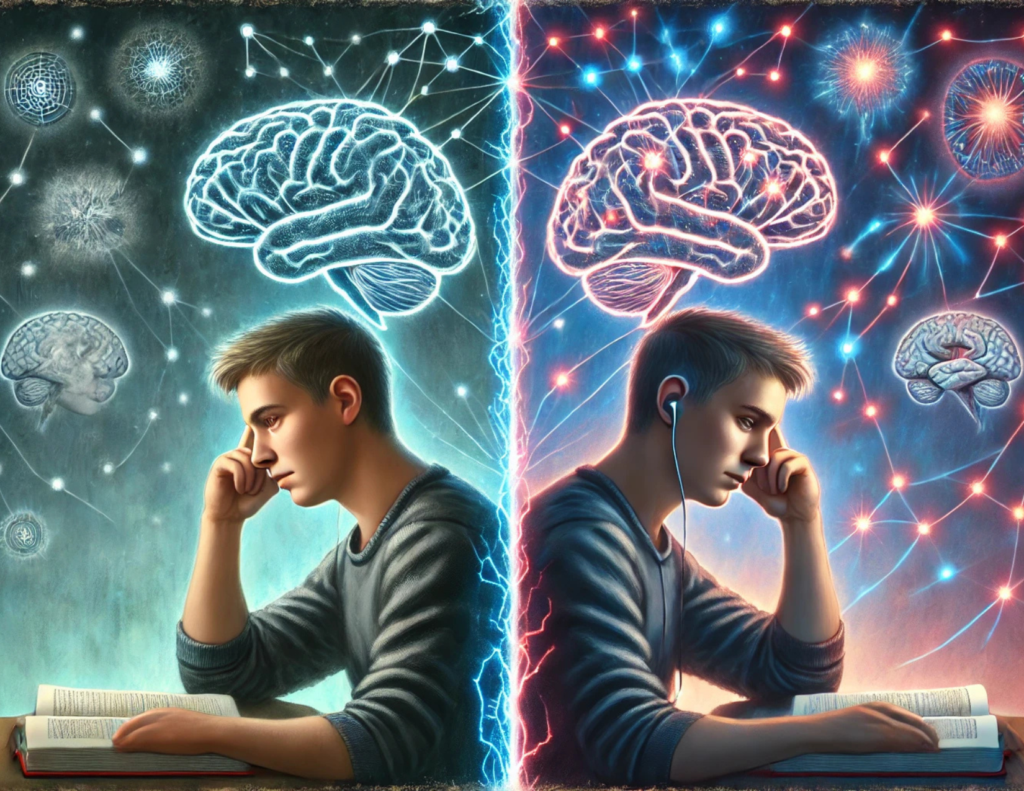
Psychological Insights into Word Puzzles
Understanding the psychology behind word puzzles allows us to further grasp how these activities can positively affect mental faculties. When players encounter a challenge in a puzzle, they may experience a sense of accomplishment upon solving it, releasing dopamine—a neurotransmitter associated with pleasure and satisfaction. This cycle of challenge and reward keeps the brain active and engaged, thereby enhancing memory dynamics.
As we delve deeper into this fascinating relationship between word puzzles and cognitive function, it becomes clear that these activities are not just trivial games. They hold significant potential for reshaping our understanding of how we can actively improve our memory and mental capabilities. Whether you’re a seasoned puzzle solver or just starting out, participating in these challenges can lead to unforeseen benefits in cognitive health and overall mental agility.
Join us as we continue to uncover the intricate connections between word puzzles and memory, revealing insights that could inspire you to make these activities a regular part of your life.
CHECK OUT: Click here to explore more
Unlocking Potential: The Cognitive Benefits of Word Puzzles
Engagement in word puzzles is more than just a hobby; it is a strategic approach to enhancing cognitive resilience and memory retention. The psychological benefits of these brain-teasers extend beyond individual challenge, affecting various aspects of daily life. As individuals navigate the intricacies of each puzzle, their brains are not only entertained but are also being conditioned to function at optimal levels.
Neuroscientific Foundations of Word Puzzle Engagement
The intricate relationship between word puzzles and memory can be traced back to fundamental neurochemical processes. Solving a challenging puzzle stimulates the production of brain-derived neurotrophic factor (BDNF), a protein that plays a pivotal role in encouraging the growth and survival of neurons. This biochemical response is crucial for memory formation and cognitive flexibility. Scientific studies reveal that individuals who regularly engage in puzzles like crosswords show increased levels of BDNF, leading to better memory retention as well as heightened overall brain function.
- Improved Vocabulary: Continuous interaction with word puzzles leads to a greater understanding of language, thereby enriching one’s vocabulary.
- Memory Enhancement: By routinely recalling information to solve clues, the brain reinforces neural connections that bolster memory.
- Cognitive Flexibility: Navigating different types of puzzles enhances one’s ability to adapt reasoning and think critically across various scenarios.
Moreover, the act of engaging with these word puzzles requires individuals to recall words and definitions from memory. This active participation not only makes the solving process rewarding mentally but also contributes to the reinforcement of memory pathways. Different types of puzzles may utilize various cognitive skills, from visual recognition to verbal fluency, engaging different neuron pathways in the brain.
Social and Cultural Contexts: A Nigerian Perspective
In Nigeria, the significance of word puzzles is bolstered by a rich cultural tapestry that embraces language and communication. Traditional board games like “Scrabble” or local word-based competitions have emerged as essential brain games that reflect both educational value and cultural identity. They foster a community spirit, sparking friendly competition while also encouraging learning among participants.
Word puzzles in Nigeria are not merely solitary pursuits; they often serve as communal gatherings that promote collective problem-solving. In groups, participants utilize their diverse linguistic backgrounds and knowledge to navigate puzzles, thereby enhancing not just individual cognitive abilities but also creating a supportive environment of shared learning. This environment is particularly beneficial for students, as it reinforces curricula while allowing peer support in learning.
The psychological interplay of language and social interactions during puzzle solving contributes significantly to cognitive enhancement. As participants draw from their local dialects and experiences, they further solidify their learning, making word puzzles an essential part of cultural and educational practices.
This fascinating merger of cognitive psychology and social connection highlights the importance of word puzzles as effective tools for memory enhancement and cognitive development in Nigeria. The next section will delve deeper into specific psychological mechanisms that underpin the effectiveness of word puzzles, revealing insights that may inspire you to embrace them as a regular practice in your daily life.
| Advantage | Explanation |
|---|---|
| Improved Cognitive Skills | Engaging with word puzzles can enhance critical thinking and analytical abilities, as players actively decipher clues and make connections. |
| Enhanced Memory Retention | Regular participation in word puzzles has been shown to boost memory capacity, as players exercise their recall and recognition capabilities through repetitive practice. |
| Stress Reduction | Solving puzzles often serves as a therapeutic activity, leading to decreased anxiety levels and promoting a sense of well-being through focused engagement. |
| Vocabulary Expansion | Word puzzles challenge users to learn new terms and their meanings, thereby enriching their linguistic repertoire and improving communication skills. |
Incorporating word puzzles into daily life offers a significant opportunity for mental engagement. From enhancing cognitive skills to reducing stress, the psychological benefits are noteworthy. Scientific studies indicate that the brain’s plasticity increases through such activities, suggesting that these puzzles are not merely entertaining; they play a crucial role in memory improvement and overall mental fitness. Therefore, embracing the challenge of word puzzles could be a compelling path to a sharper mind and improved emotional well-being. Engage with different types of word puzzles, such as crosswords and word searches, to explore their diverse effects on individual cognition and creativity. The interactive nature of these activities encourages a fun yet productive way to optimize mental performance.
CHECK OUT: Click here to explore more
The Multifaceted Nature of Word Puzzles and Memory Retention
Understanding the psychology behind word puzzles reveals a multi-layered relationship between cognitive engagement and memory enhancement. As participants immerse themselves in word puzzles, they utilize a variety of cognitive strategies that tap into diverse memory systems. This interplay is not merely serendipitous; rather, it is backed by robust psychological theories that detail how our brains process, retain, and recall information.
Working Memory and Executive Function
At the forefront of puzzle-solving is the working memory, a cognitive system responsible for temporarily holding and manipulating information. Engaging with word puzzles stimulates this memory type, requiring players to juggle multiple clues and hints simultaneously. A study from the American Psychological Association highlighted that tasks which necessitate the active use of working memory improve overall cognitive function. Participants regularly exposed to demanding word puzzles exhibited a marked improvement in their executive functions, including problem-solving and decision-making skills.
- Enhanced Attention Span: The focused effort needed to solve word puzzles trains individuals to sustain attention over longer periods, building a crucial cognitive skill in an age rife with distractions.
- Increased Problem-Solving Capacity: Solving puzzles develops analytical thinking. Players assess clues, infer meaning, and deduce answers, cultivating a more flexible mindset.
- Adaptive Reasoning: Word puzzles encourage the adoption of various strategies, prompting solvers to be agile in their thought processes.
It is noteworthy that the active recall facilitated by word puzzles does not occur in isolation. The cognitive load theory suggests that managing the cognitive burden associated with solving puzzles effectively encourages the learning of new vocabulary and concepts. By reinforcing neural pathways through repeated practice, solvers are more likely to retain information related to language, definitions, and contextual usage.
The Role of Emotional Engagement in Puzzle Solving
In addition to cognitive strategies, the emotional aspect of engaging with word puzzles cannot be overlooked. The joy and satisfaction derived from successfully solving a challenging puzzle create a feedback loop that amplifies motivation and cognitive engagement. This emotional connection is further bolstered when puzzles are tackled in social settings, such as family game nights or community contests. As individuals bond over shared challenges, the euphoric feeling of collaboration produces dopamine, a neurotransmitter associated with pleasure and reward, ultimately reinforcing learning.
Moreover, in the Nigerian context, the emotional resonance of word puzzles is amplified by cultural references imbued in local expressions, proverbs, and idioms. Participants who engage with puzzles themed around Nigerian culture may find that these connections deepen their understanding and retention of language. The use of cultural narratives in puzzle-solving not only reinforces memory but also enhances cultural identity and pride.
Word Puzzles as a Tool for Lifelong Learning
With such profound implications for memory and cognitive enhancement, word puzzles emerge as not just an entertaining pastime, but a potent tool for lifelong learning. Educational psychologists advocate for their integration into curricula, emphasizing their role in developing critical thinking and language skills among students. Interactive puzzle exercises in classrooms encourage collaboration and cognitive discourse among students, ultimately crafting a holistic educational environment.
Furthermore, the increasing accessibility of digital word puzzles via apps and websites positions these activities to reach an even broader audience. With features designed to cater to various skill levels, these platforms hold the potential to engage users in personal growth and cognitive resilience regardless of their educational background.
Exploring the synergy between word puzzles, cognitive mechanics, and cultural significance illustrates a captivating paradigm in understanding their psychological impact. The implications of incorporating such brain games into daily routines not only foster individual memory enhancement but also contribute to a vibrant, thriving communal learning atmosphere in Nigeria and beyond.
LEARN MORE: This related article may interest you
Conclusion: The Lasting Impact of Word Puzzles on Cognitive Development
In conclusion, the intricate connection between word puzzles and memory enhancement represents a fascinating intersection of psychology, culture, and cognition. The active engagement required for solving these puzzles activates various cognitive functions, notably enhancing working memory and executive functions. Through consistent practice, players not only enhance their vocabulary and problem-solving capabilities but also develop critical cognitive skills vital in navigating the complexities of daily life.
Moreover, the emotional bonds formed through shared puzzle-solving experiences significantly impact motivation and retention, creating a rich atmosphere for learning. In the unique context of Nigeria, incorporating local expressions and cultural nuances into word puzzles enriches the experience, deepening participants’ connection to their language and heritage.
The potential of word puzzles extends beyond mere recreation; they emerge as powerful tools for lifelong learning. As educational settings increasingly recognize their benefits, the call for integrating these engaging activities into curricula gains momentum. In embracing digital avenues for puzzle-solving, individuals of all ages can continuously engage in cognitive exercises that promote both personal growth and communal learning.
Ultimately, the exploration of the psychology behind word puzzles reveals not just their role in boosting memory, but their capacity to foster critical thinking, enhance cultural identity, and create a sense of community. As we incorporate word puzzles into our daily routines, we unlock the potential for improved cognitive function that resonates well beyond the puzzle itself.