
Sustainability and Technology: Innovations That Could Transform the South African Environmental Landscape by 2030
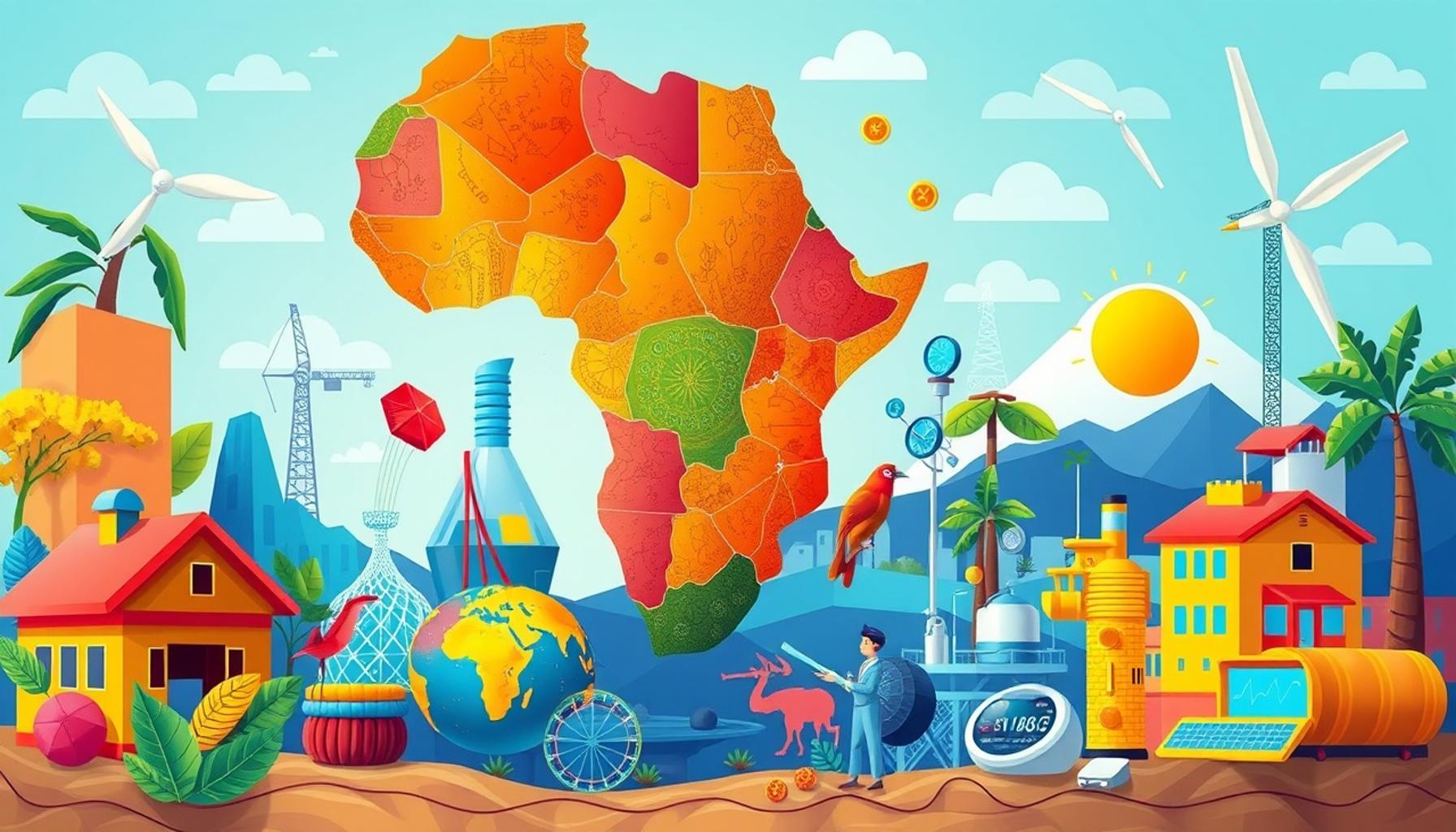
Understanding Sustainable Practices in South Africa
In today’s climate of environmental urgency, South Africa is strategically positioned to lead the charge toward sustainability. The combination of technology and sustainable practices can significantly impact the country’s ecological footprint. By 2030, innovative solutions have the potential to reshape the social and environmental landscape, addressing critical issues such as energy scarcity, water shortages, and pollution.
One of the foremost areas to focus on is renewable energy. South Africa is endowed with abundant natural resources, particularly sunlight and wind. Expanding solar and wind farms can drastically reduce reliance on fossil fuels, which are a major contributor to greenhouse gas emissions. For instance, projects like the Kathu Solar Park in the Northern Cape harness solar energy to power approximately 179,000 homes and significantly contribute to the national grid.
Moreover, water management is another crucial aspect of sustainability, particularly in a country where water scarcity is exacerbated by climate change. Implementing smart irrigation systems in agriculture can help conserve water while ensuring crops receive adequate hydration. Technologies such as drip irrigation allow farmers to deliver water directly to plant roots, which minimizes waste and maximizes efficiency. For example, the South African company Agri-Tech has developed sensors that measure soil moisture levels, enabling farmers to water their fields only when necessary.
Sustainable transportation options are also vital to reduce urban air pollution. The promotion of electric vehicles (EVs) can significantly improve air quality in South African cities like Johannesburg and Cape Town, where vehicular emissions are a leading cause of air pollution. The government’s interest in rolling out EV charging stations, alongside incentives for buyers, highlights a commitment to fostering eco-friendly transport solutions.
To realize these advancements, the integration of smart grids is essential. These grids optimize energy distribution, reducing waste and enhancing efficiency. By allowing two-way communication between providers and consumers, smart grids ensure energy is distributed where and when it is most needed, which is crucial in managing loads and preventing blackouts.
For these technologies to succeed, collaboration among government, businesses, and communities is paramount. Engaging local stakeholders helps ensure that solutions are contextually relevant and tailored to the specific socio-economic dynamics of communities across South Africa. For instance, local knowledge can guide how solar technologies are implemented in rural areas versus urban centers.
With focused investment and unwavering commitment, South Africa’s environmental landscape can transform from one of strain to one of resilience. By embracing sustainable practices and innovative technologies, the nation can position itself not only as a leader in sustainability in Africa but also as a model for global efforts towards a more sustainable future.
CHECK OUT: Click here to explore more
Innovative Energy Solutions for Sustainability
As South Africa grapples with energy challenges, the push towards renewable energy sources is pivotal for creating a sustainable future. Technological innovations are paving the way for energy independence and a reduction in greenhouse gas emissions, crucial in fighting climate change. By 2030, we can expect a more diverse energy portfolio that includes a higher percentage of renewables, particularly solar, wind, and hydropower.
South Africa’s geographical advantages provide an excellent foundation for harnessing renewable energy. For instance, western regions like the Northern Cape receive some of the highest solar irradiance in the world. New technologies in solar photovoltaic (PV) systems are helping to maximize energy capture and efficiency. These advancements allow energy suppliers to install solar panels on rooftops, transforming residential areas into personal power stations, thereby promoting energy self-sufficiency.
Wind energy represents another booming sector. Coastal areas, particularly in the Eastern Cape, have significant wind potential that can contribute to the national grid. The use of modern turbine technology enables the capture of wind energy even in areas with less consistent wind patterns. This could lead to the establishment of more wind farms that not only generate power but also create job opportunities within local communities.
Benefits of Renewable Energy Technologies
- Environmental Impact: Reducing reliance on fossil fuels diminishes carbon emissions and pollution.
- Economic Development: Investment in renewable energy projects often leads to job creation in both installation and maintenance sectors.
- Energy Security: Diversifying energy sources minimizes vulnerability to supply disruptions and market fluctuations.
- Community Engagement: Local communities can play an active role in energy production, fostering a sense of ownership and responsibility.
In addition to expanding renewable energy sources, advancements in energy storage technology are crucial for addressing the intermittent nature of solar and wind energy. Innovations such as lithium-ion batteries and alternative energy storage solutions, like pumped hydro or compressed air storage, can ensure that surplus energy generated during peak production times can be used later. This capability is essential in making renewable energy not just sustainable but also reliable.
Moreover, advancements in energy efficiency through smart home technologies can further support this transition. Smart meters and home automation systems allow consumers to monitor and manage their energy usage better, leading to reduced waste. The more awareness and control individuals have over their consumption, the more likely they are to engage in sustainable habits.
All these advancements present a tangible opportunity for South Africa to rejuvenate its energy landscape by 2030. By embracing these innovative technologies, the nation can not only contribute to the global sustainability movement but also empower its citizens with better energy choices and economic opportunities. The transformations in energy infrastructure and usage can embody a more environmentally friendly society that thrives on resilience and innovation.
SEE ALSO: Click here to read another article
Sustainable Agriculture: Harnessing Technology for Food Security
As South Africa faces increasing pressure to ensure food security while managing its environmental footprint, sustainable agricultural practices combined with cutting-edge technology will play a transformative role by 2030. Innovations such as precision farming, vertical farming, and the use of drones are set to revolutionize the agricultural sector, making it more efficient and environmentally sustainable.
One of the key technological advancements is precision agriculture, which utilizes data analysis and GPS technology to optimize field-level management regarding crop farming. By employing sensors and drones, farmers can gather data on soil moisture, nutrient levels, and crop health. This information allows them to apply resources like water and fertilizers more accurately and minimally. For instance, farmers in regions like the Free State can adjust their irrigation systems based on real-time data, significantly reducing water waste and increasing crop yields sustainably.
Next, vertical farming presents an innovative solution to urban food production challenges. By utilizing multi-layered, controlled-environment agriculture, vertical farms can produce food in urban centers, reducing transportation emissions and making fresh produce more accessible to city inhabitants. In cities like Johannesburg and Cape Town, integrating vertical farms into communal spaces or on rooftops can also lead to increased green spaces, providing both environmental benefits and community engagement.
Benefits of Technological Innovations in Agriculture
- Resource Efficiency: By using data-driven approaches, farmers can conserve water and reduce chemical use, promoting healthier ecosystems.
- Increased Yields: Technology enables farmers to maximize crop productivity, ensuring food supply meets the demands of a growing population.
- Reduced Transportation Footprint: Growing food closer to consumers cuts down on emissions associated with long supply chains.
- Improved Livelihoods: Enhanced efficiency and yields can lead to greater profitability for farmers and bolster rural economies.
Integrated with these advancements are developments in sustainable practices such as organic farming and agroecology, which work synergistically with technology. For example, using cover crops and crop rotation to enhance soil health not only prevents erosion but also reduces dependence on chemical fertilizers. As awareness of the importance of maintaining biodiversity rises, more farmers are likely to adopt these methods alongside technological innovations to create a holistic approach to sustainability.
Furthermore, the rise of agriculture-focused start-ups in South Africa is encouraging the adoption of these technologies. Entrepreneurs are developing affordable solutions tailored to the needs of local farmers, ensuring that even smaller operations can benefit from cutting-edge practices. Collaboration between research institutions and farmers is pivotal in this regard, promoting knowledge exchange that can lead to technological advances that are both appropriate and effective in the South African context.
By focusing on these innovative agricultural technologies and practices, South Africa can not only secure its food future but also do so in a way that protects its natural environment. As we look towards 2030, the intersection of technology and sustainable agriculture can create a more resilient food system that serves both people and the planet effectively.
CHECK OUT: Click here to explore more
Conclusion: A Vision for a Sustainable Future
The journey towards a sustainable future in South Africa is crucial for the well-being of its citizens and the environment. By 2030, we envision a landscape transformed by innovative technological solutions that address pressing challenges in the realm of sustainability. From renewable energy systems significantly reducing our reliance on fossil fuels to smart urban planning minimizing waste and enhancing livability, the integration of technology and sustainability can lead to groundbreaking improvements.
In agricultural practices, the implementation of precision farming and vertical farming demonstrates how technology can ensure food security while preserving precious natural resources. These advancements not only foster efficiency and productivity but also cultivate a deeper connection to ecologically responsible methods that can be adopted by farmers across the nation.
Furthermore, the collaboration between governments, businesses, and civil society is vital for fostering an environment where innovation can flourish. Investing in education and research, coupled with policy frameworks that encourage sustainable practices, will empower South Africans to embrace these new technologies. It can also stimulate job creation and boost local economies, leading to a more resilient society.
As we look ahead, the path towards a sustainable South Africa is clearer than ever. By harnessing technology and integrating sustainable practices in all sectors, we can collectively forge a future that respects and protects our environment while promoting economic growth and social equity. Let’s commit to this vision and work together to create a thriving nation that not only meets the needs of today but also ensures the health of our planet for generations to come.

Linda Carter
Linda Carter is a writer and expert known for producing clear, engaging, and easy-to-understand content. With extensive experience in guiding people as they pursue their goals, she shares valuable insights and practical advice. Her mission is to help readers make informed choices and achieve meaningful progress.